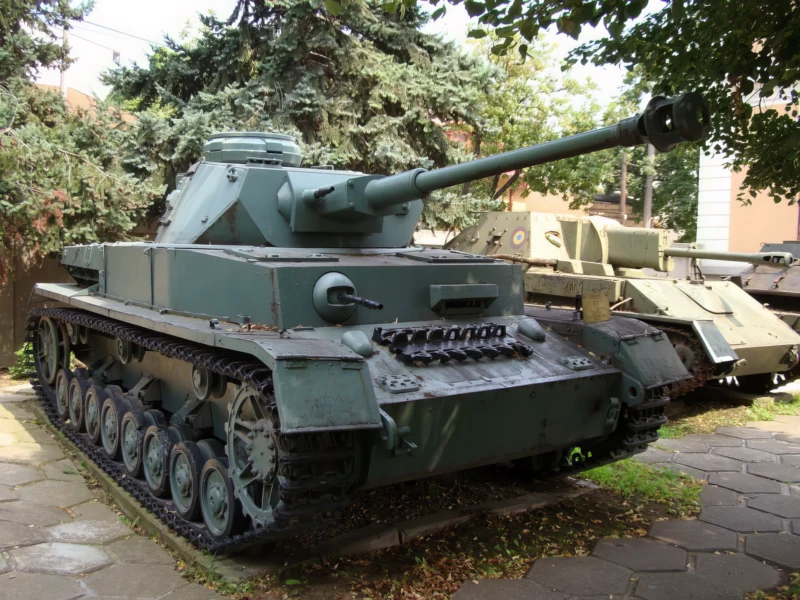
Panzer IV | |
|---|---|
| Paie | Germnay ( Germnay ) |
| Type | Char |
| Service | 1939–1945 |
| Nbre | 8500+ |
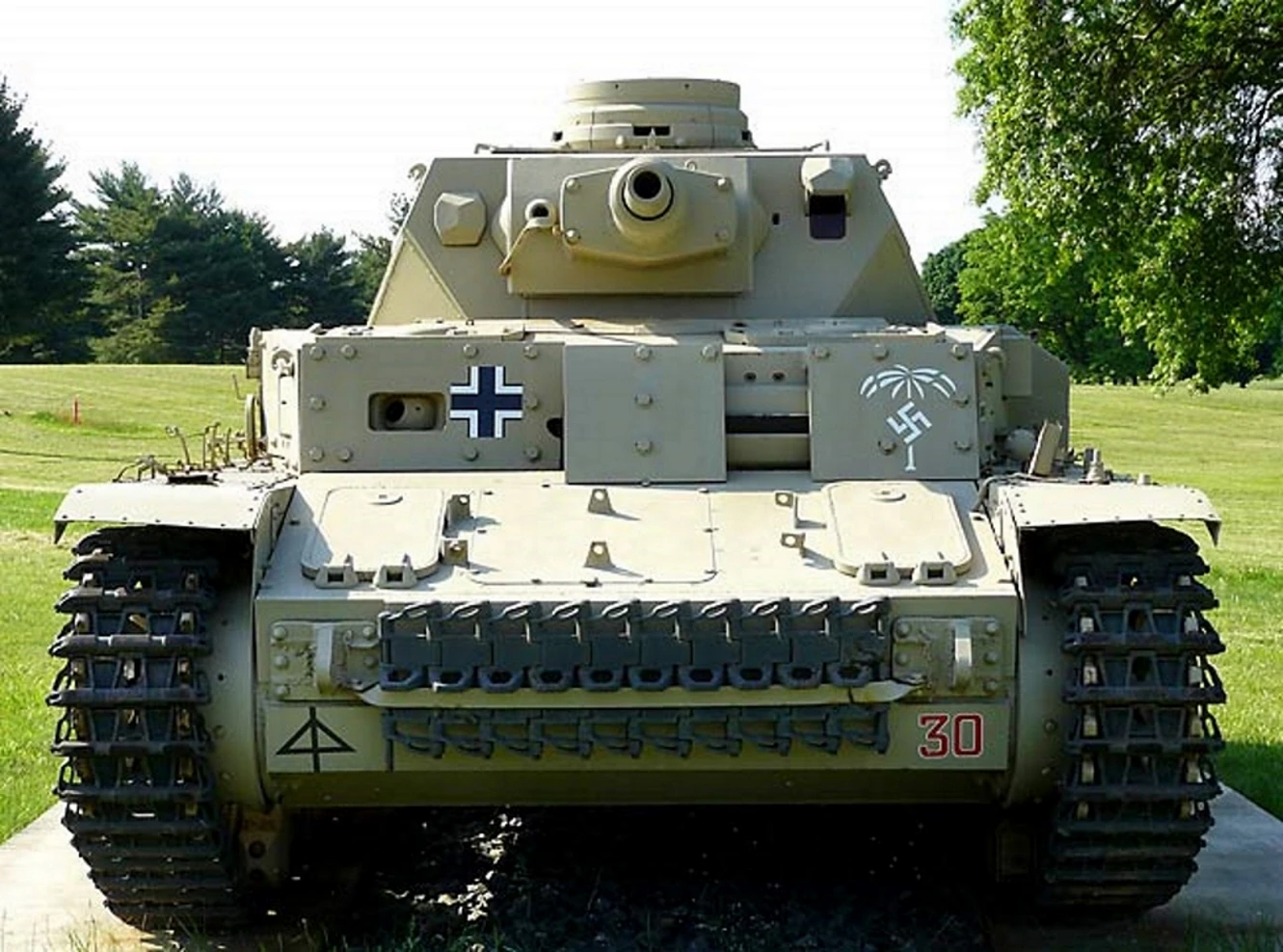
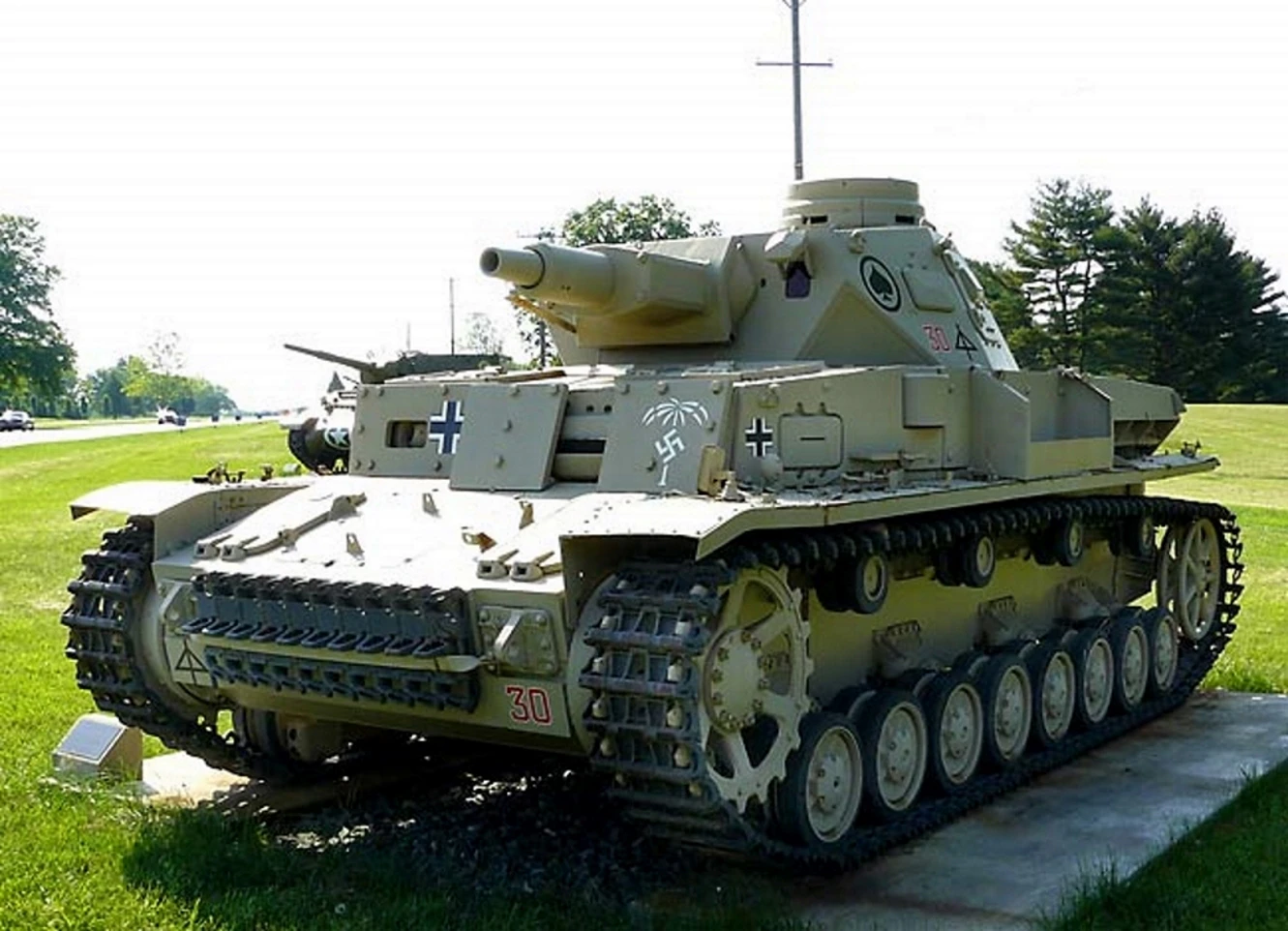
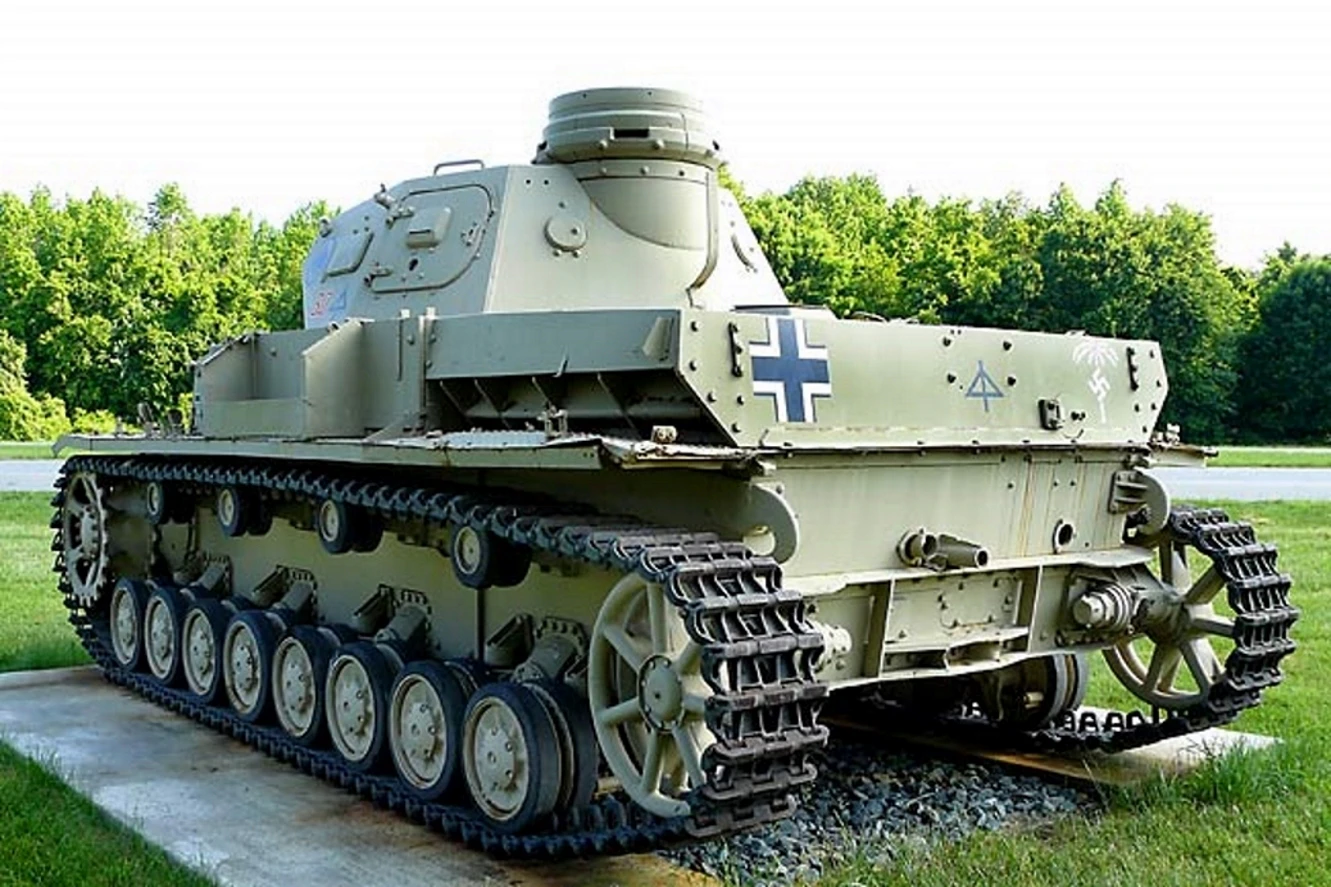
Galerie photo sur un Panzer IV, Le SdKfz 161 Panzerkampfwagen IV (PzKpfW IV), appelé « Panzer IV », fut un char d’assaut de classe moyenne utilisé par l’armée allemande lors de la Seconde Guerre mondiale. Conçu initialement comme char d’appui-feu et armé d’un canon de 75 mm court KwK 37 L/24 pour les Panzer IV Ausf. A / B / C / D / E / F, il fut réarmé avec un canon long antichar 75 mm KwK 40 L/43 à partir de mars 1942 pour les Panzer IV Ausf. F2 / G / H / J. Le PzKpfW IV fut le char le plus utilisé par la Panzerwaffe, avec 9 000 exemplaires produits, et il donna naissance à de nombreuses versions. PzKpfW IV Ausf. J (juin 1944 : 1758 exemplaires) : semblable à l’Ausf. « H », mais le pot-caisson d’échappement volumineux à l’arrière disparait. Galets-porteurs réduits à trois dans les derniers modèles.
Source: wikipedia
| Panzer IV | |
|---|---|
| Photographe | Inconnu |
| Localisation | Inconnu |
| Photos | 38 |
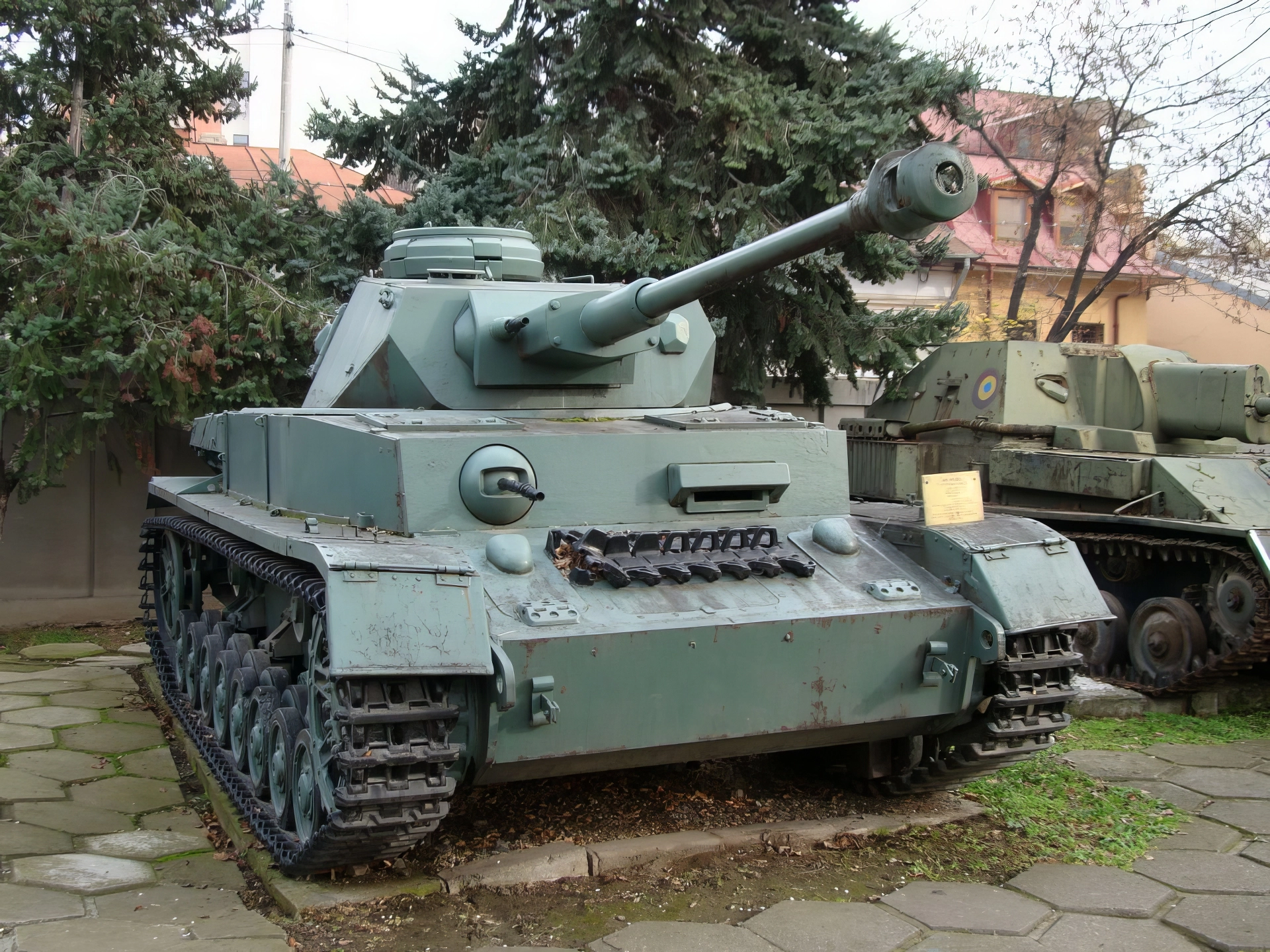
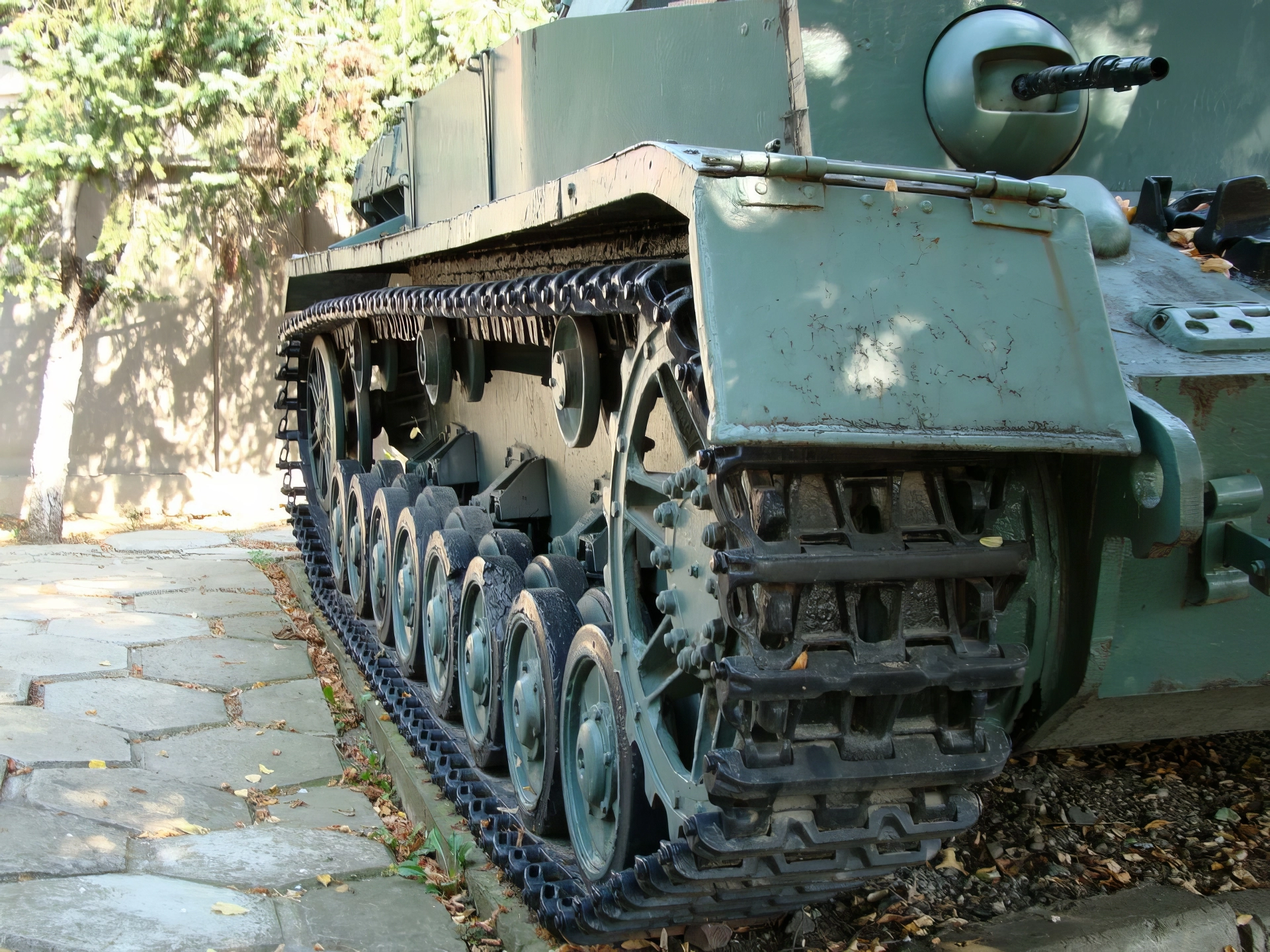

| Panzerkampfwagen IV Ausf D Walk Around | |
|---|---|
| Photographe | Bill Maloney |
| Localisation | Inconnu |
| Photos | 15 |
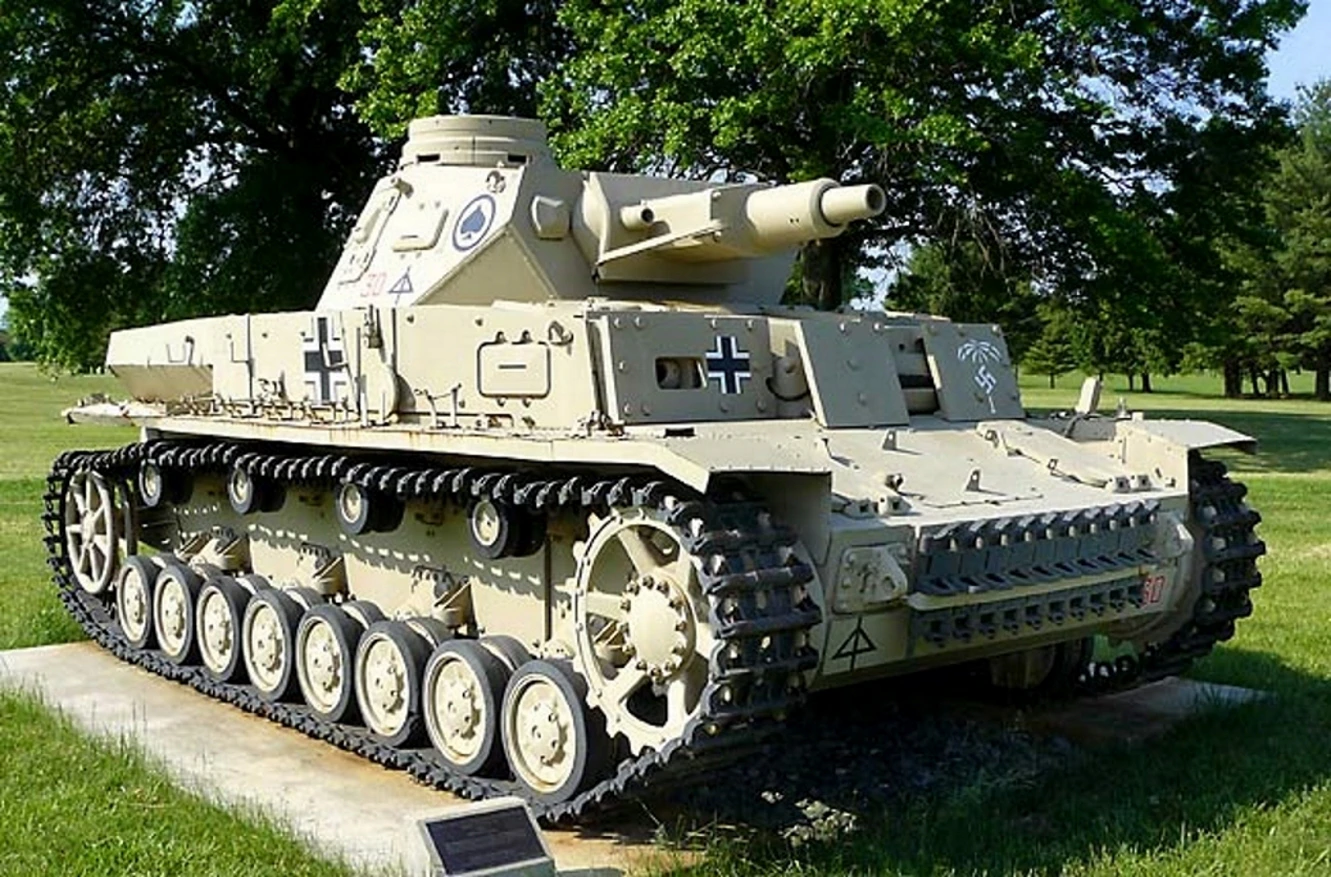
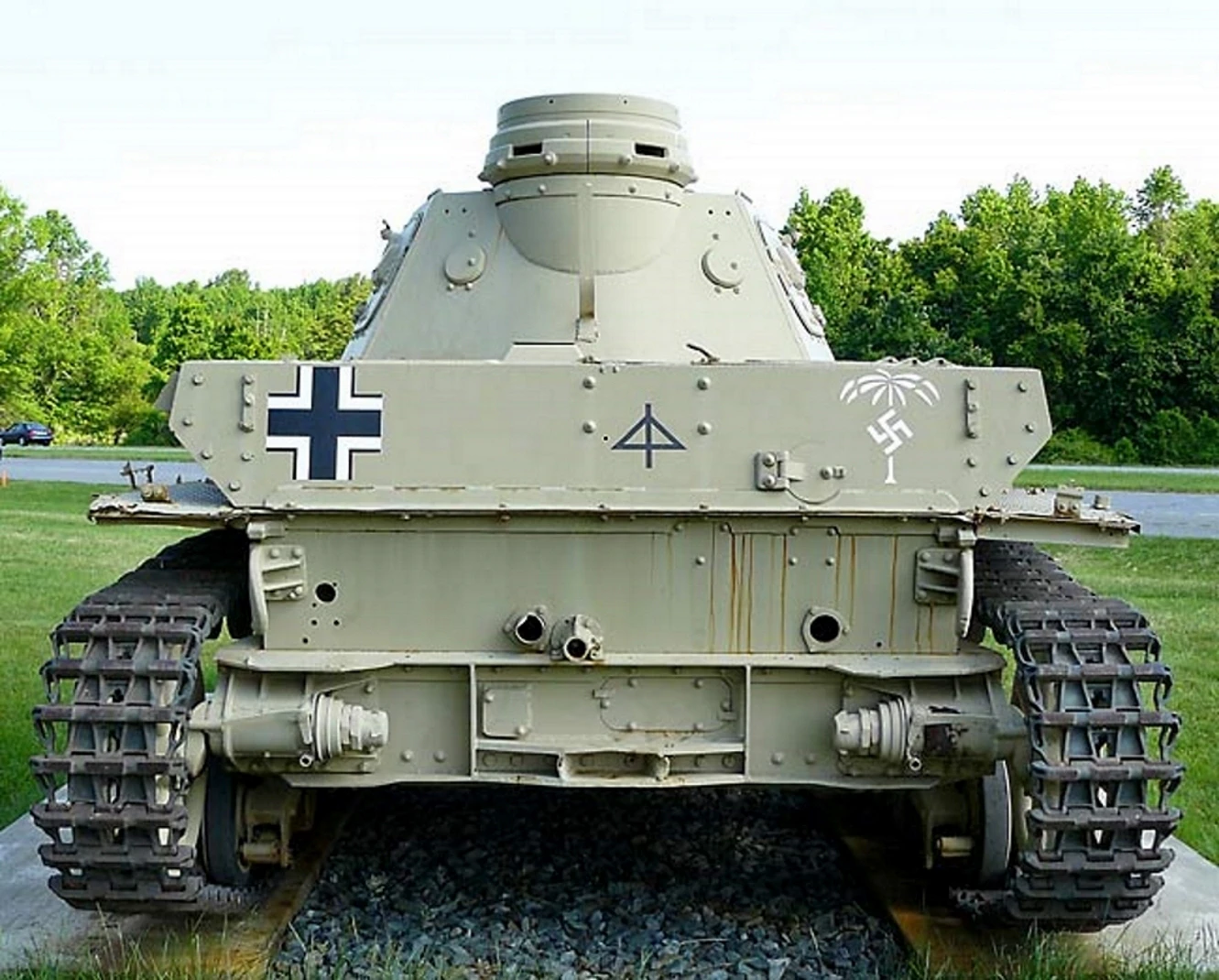
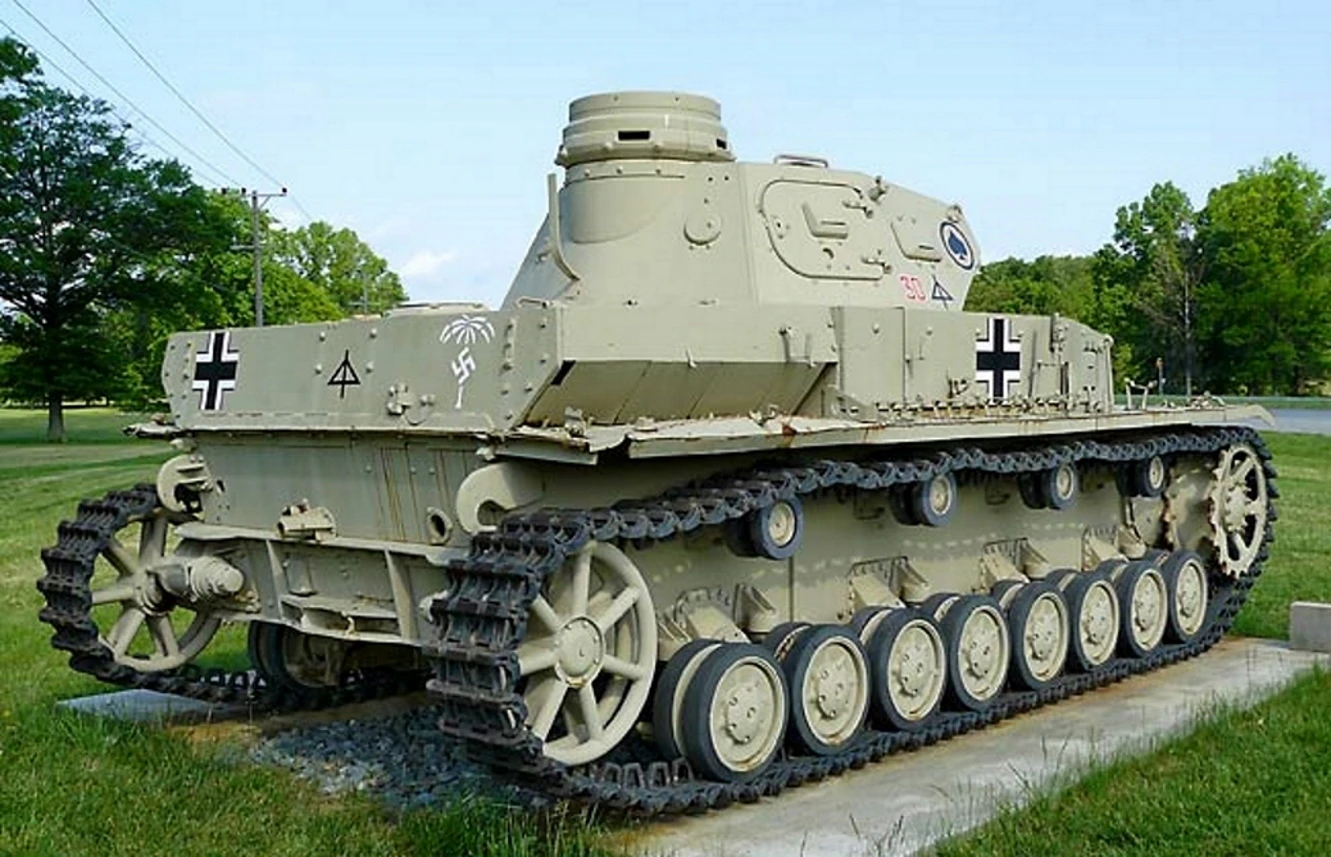
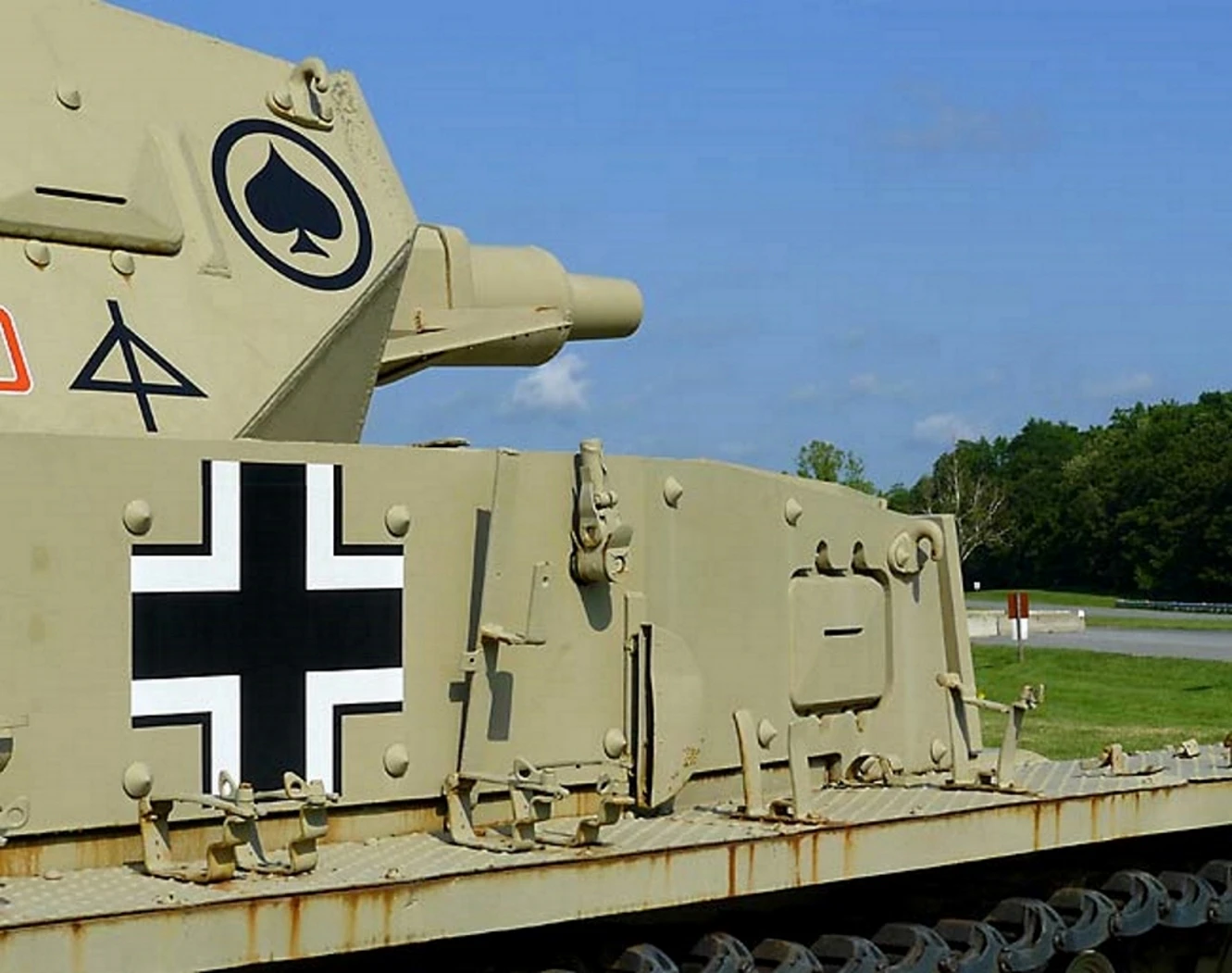
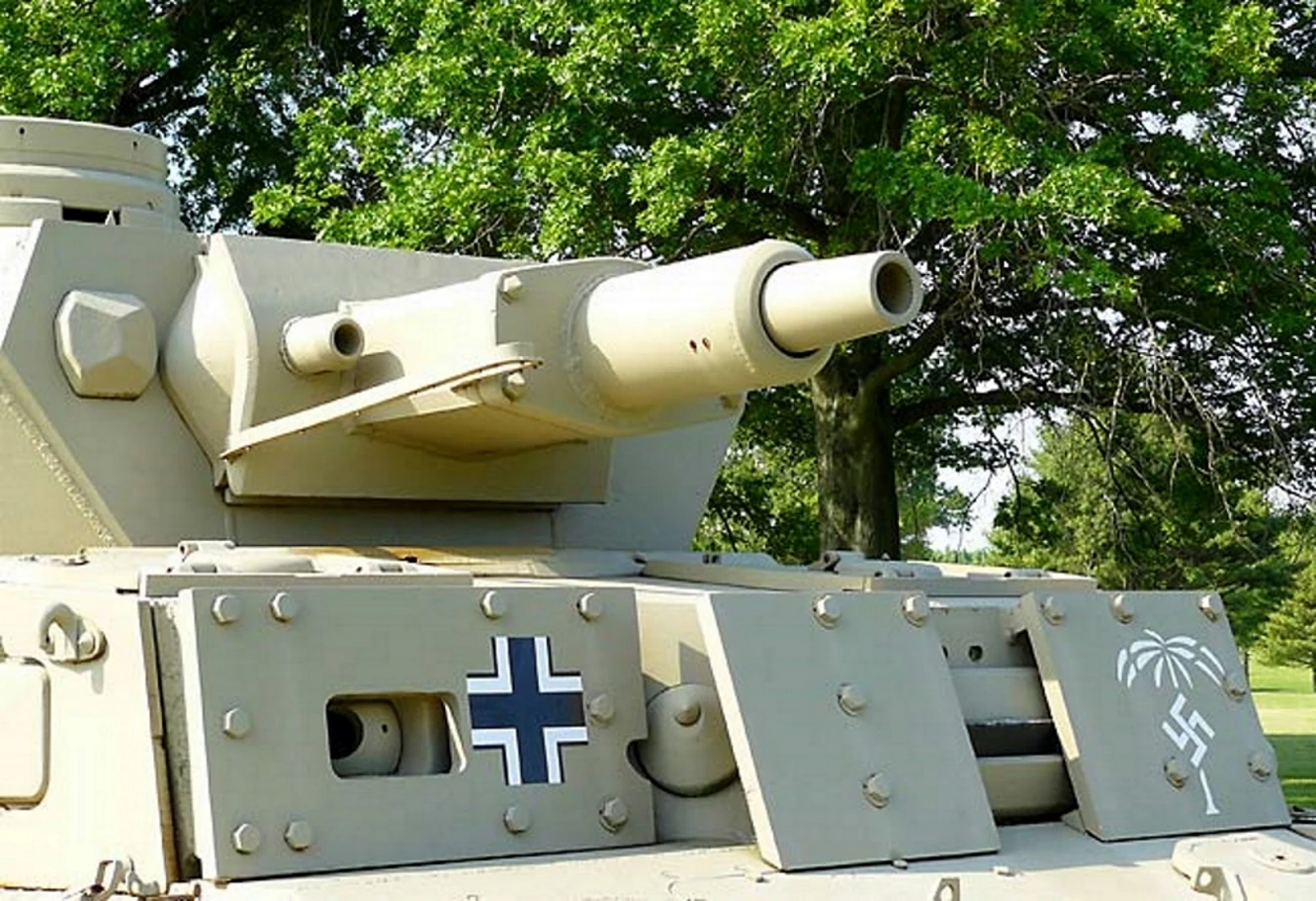
| PzKpfw. IV Photos | |
|---|---|
| Photographe | Unknow |
| Localisation | Inconnu |
| Photos | 25 |
Voir aussi :


| PzKpfw IV Mikkeli Walk Around | |
|---|---|
| Photographe | Legion |
| Localisation | Inconnu |
| Photos | 147 |
The Workhorse of the Panzerwaffe
Lla Panzerkampfwagen IV (Sd.Kfz. 161) holds the unique distinction of being the only German tank to remain in continuous mass production and frontline combat throughout the entirety of World War II. Initially designed in the late 1930s as a short-barreled infantry support vehicle, its large hull chassis and generous turret ring proved to be a masterclass in modular adaptability. As the German military faced heavier Allied armor, the Panzer IV was continuously upgraded with thicker plating, protective skirts, and a long-barreled high-velocity gun. Pumping out of factories across every campaign from Poland to Berlin, the Panzer IV formed the mechanical backbone of Germany’s armored divisions, outlasting its lighter contemporaries and holding the line long before the heavier Tiger and Panther tanks could step foot on the battlefield.
| Attribute | Technical Specification (Panzer IV Ausf. H Definitive Baseline) |
|---|---|
| Rôle | Réservoir moyen |
| Crew | 5 (Commander, Gunner, Loader, Driver, Radio Operator/Hull Machine Gunner) |
| moteur | 1 × Maybach HL 120 TRM 11.9-liter V12 liquid-cooled gasoline engine (300 hp) |
| Vitesse maximale | 38-42 km/h (24-26 mph) on roads | 16 km/h (10 mph) cross-country |
| Combat Weight | 25 metric tons |
| Portée opérationnelle | ~200 km (124 miles) on roads | 130 km cross-country |
| Primary Armament | 1 × 7.5 cm KwK 40 L/48 high-velocity tank gun (87 rounds carried) |
| Armement secondaire | 2 × 7.92mm MG34 machine guns (one coaxial, one in the bow hull ball mount) |
| Armor Architecture | Hull Front: 80mm (unsloped plate) | Turret Front: 50mm | Sides: 30mm |
Design Engineering: The Modular Turret Ring and Schürzen Spaced Armor
- The Oversized Turret Ring Advantage: The primary design triumph of the Panzer IV was its wide fuselage framework. Unlike the smaller Panzer III hull, which could not physically accept weapons larger than a 50mm caliber, the Panzer IV was built from day one with an expandable turret structure. This crucial bit of foresight allowed engineers to easily strip out the early, stubby 7.5 cm KwK 37 L/24 close-support gun and drop in the long-barrel, high-velocity KwK 40 anti-tank rifle, keeping the aging vehicle competitive against heavy Soviet armor.
- Schürzen Spaced Armor Plates: To protect the tank’s thin 30mm side plates from lethal Soviet anti-tank rifles and high-explosive artillery fragments, late-war variants (such as the Ausf. H) were fitted with Schürzen (skirts). These were removable 5mm sheets of mild steel hung on brackets along the hull sides and a horseshoe-shaped cage wrapped around the turret. Incoming kinetic rounds or shaped charges would detonate on the thin outer plate first, losing their punch before making contact with the primary hull.
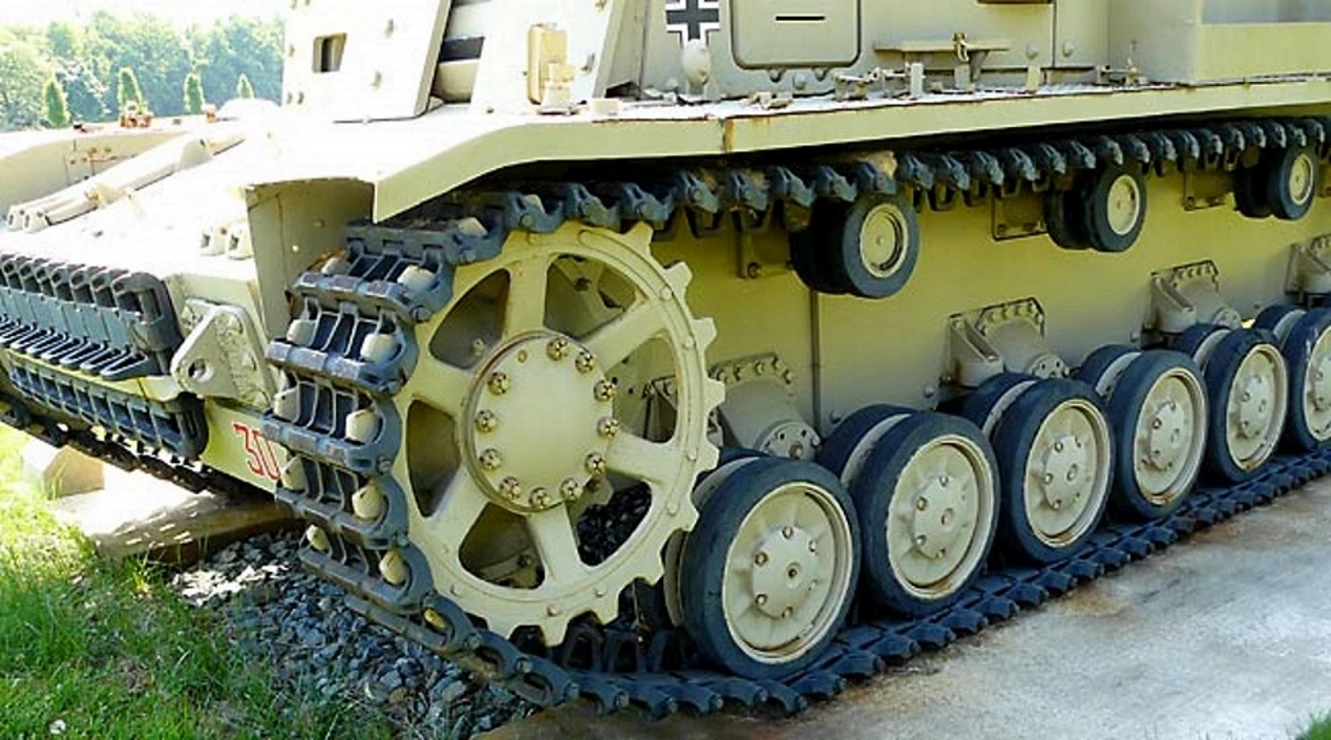
- The Leaf-Spring Suspension Layout: Unlike the complex interleaved torsion bar systems of the Tiger and Panther, the Panzer IV utilized a remarkably straightforward suspension. Its eight small road wheels were paired up into four bogies on each side, sprung by simple, rugged leaf-spring assemblies. While this layout offered a rougher cross-country ride and struggled with the tank’s climbing weight, it was incredibly cheap to manufacture, highly resistant to mud and ice clogging, and easy to field-repair.
- Zimmerit Anti-Magnetic Paste: Mid-to-late war production Panzer IVs left factories coated in a distinct, rough, corrugated paste known as Zimmerit. This non-magnetic chemical barrier was spread across all vertical metallic surfaces of the tank. Its purpose was to create a physical distance buffer, preventing infantry teams from magnetically snapping lethal adhesive Teller mines directly to the tank’s metal hull.
Operational History: From Blitzkrieg Spearhead to the Syrian Border Detours
- The Shock of the T-34: During the initial invasion of the Soviet Union in 1941 (Operation Barbarossa), standard German armor was completely outmatched by the sloped armor and heavy guns of Soviet T-34 and KV-1 tanks. The Panzer IV was immediately rushed into an up-gunning overhaul. Equipped with the new long-barreled 7.5 cm gun, it became the only operational German vehicle capable of knocking out Soviet heavy armor at standard combat ranges during the critical mid-war clashes.
- The Production Champion of the Reich: Despite the deployment of flashier vehicles like the Panther, the Panzer IV remained the numerical backbone of the Panzerwaffe. Over 8,500 total chassis were built during the war. Its reliable Maybach engine and familiar mechanical layout meant that armored divisions could field higher readiness rates and execute faster field overhauls than units bogged down by the constant breakdowns of over-engineered heavy tanks.
- The Late-War Ausf. J Cost Cutting: By 1944, catastrophic resource shortages forced the final variant—the Ausf. J—to become a stripped-down, simplified defensive model. The electric turret traverse motor was completely deleted to save copper, forcing the gunner to manually crank the heavy turret by hand. Auxiliary fuel tanks replaced the old generator motors, and the luxury of internal pistol ports and mufflers disappeared.
- The Surreal Cold War Afterlife: Après l’Allemagne’s defeat, hundreds of surviving Panzer IVs were scattered across Europe. In the late 1940s and 1950s, the Syrian military bought dozens of these surplus tanks from France and Czechoslovakia. These up-gunned German WWII relics were dug into strategic hull-down defensive lines along the Golan Heights, firing their 7.5cm guns at modern Israeli Centurion and Sherman armor during the Six-Day War of 1967.
Views : 8952
Vous pouvez voir aussi :
 PzKpfw IV Ausf.J vol2 – WalkAround
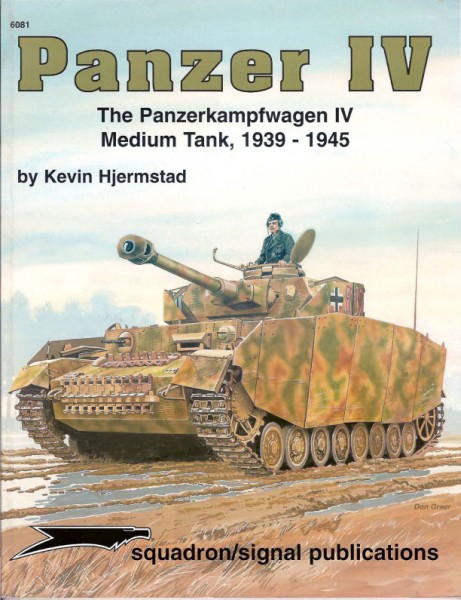 Panzerkampfwagen-IV-Medium-Tank-1939-1945 – Concord 6081
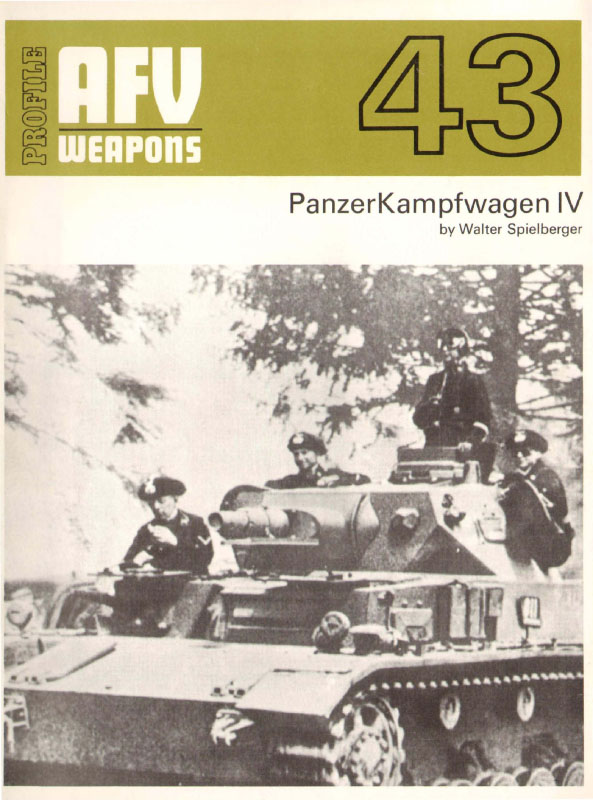 PanzerKampfwagen IV – AFV Weapons 43
 PzKpfw IV Ausf.J – WalkAround
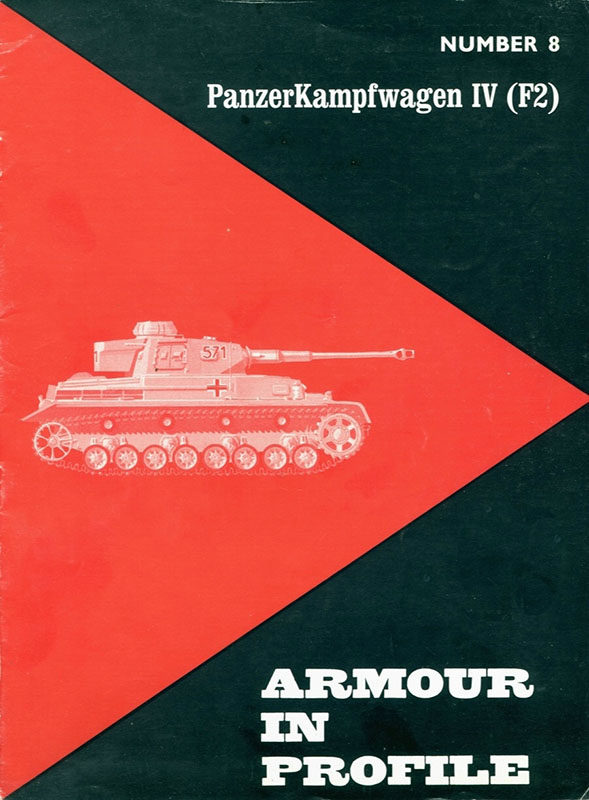 PanzerKampfwagen IV (F2) – Armure dans le profil 008
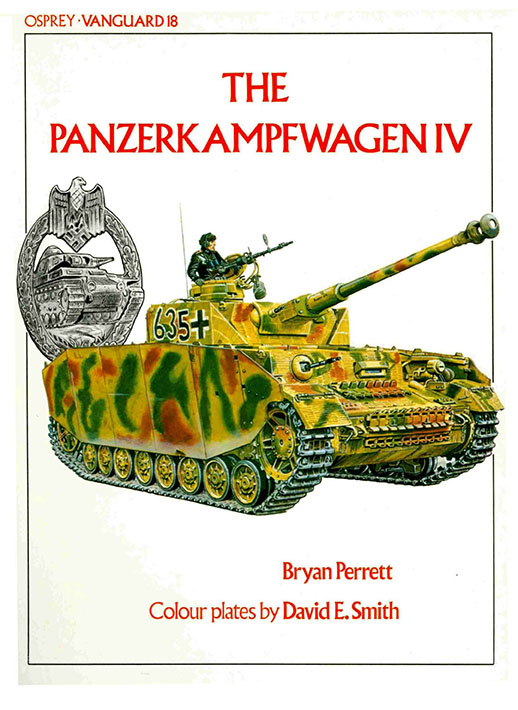 Le Panzerkampfwagen IV – VANGUARD 18
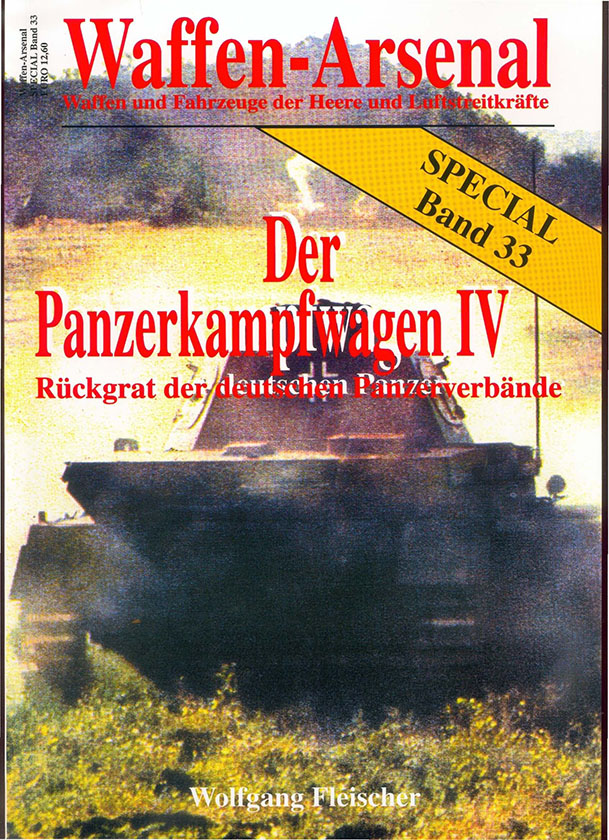 Panzer IV – Waffen Arsenal Spécial 33
 Panzer IV – Promenez-vous
 Panzer IV in Action – Squadron Signal SS2012
 Panzer IV – Wydawnictwo Militaria 004