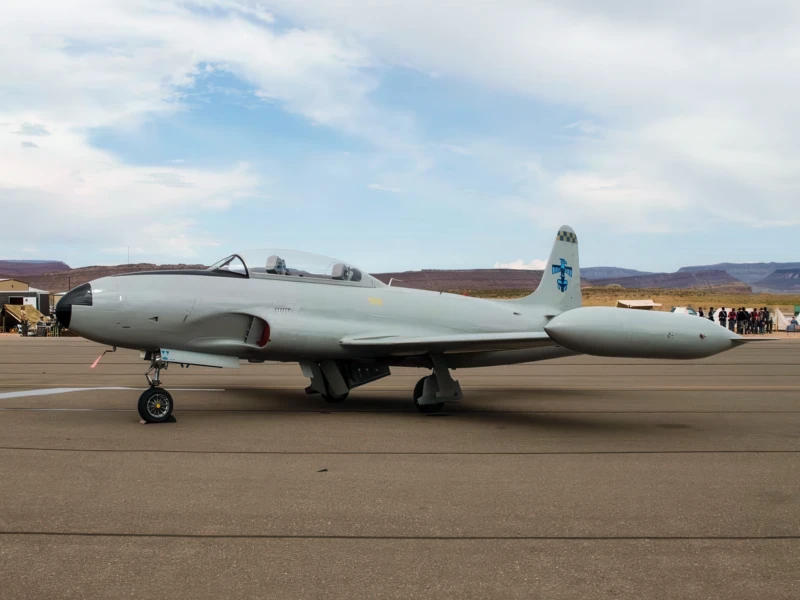
Canadair CT-133 Étoile d’argent | |
|---|---|
| Pays | Canada |
| Rôle | Avion d’entraînement militaire |
| Premier vol | En décembre 1952 |
| Construit | 656 |
Lla Canadair CT-133 Étoile d’argent (numéro de modèle d’entreprise CL-30) est la version canadienne de l’avion d’entraînement à réaction Lockheed T-33, en service des années 1950 à 2005. La version canadienne était propulsée par le turboréacteur Rolls-Royce Nene 10, tandis que la production lockheed utilisait l’Allison J33.
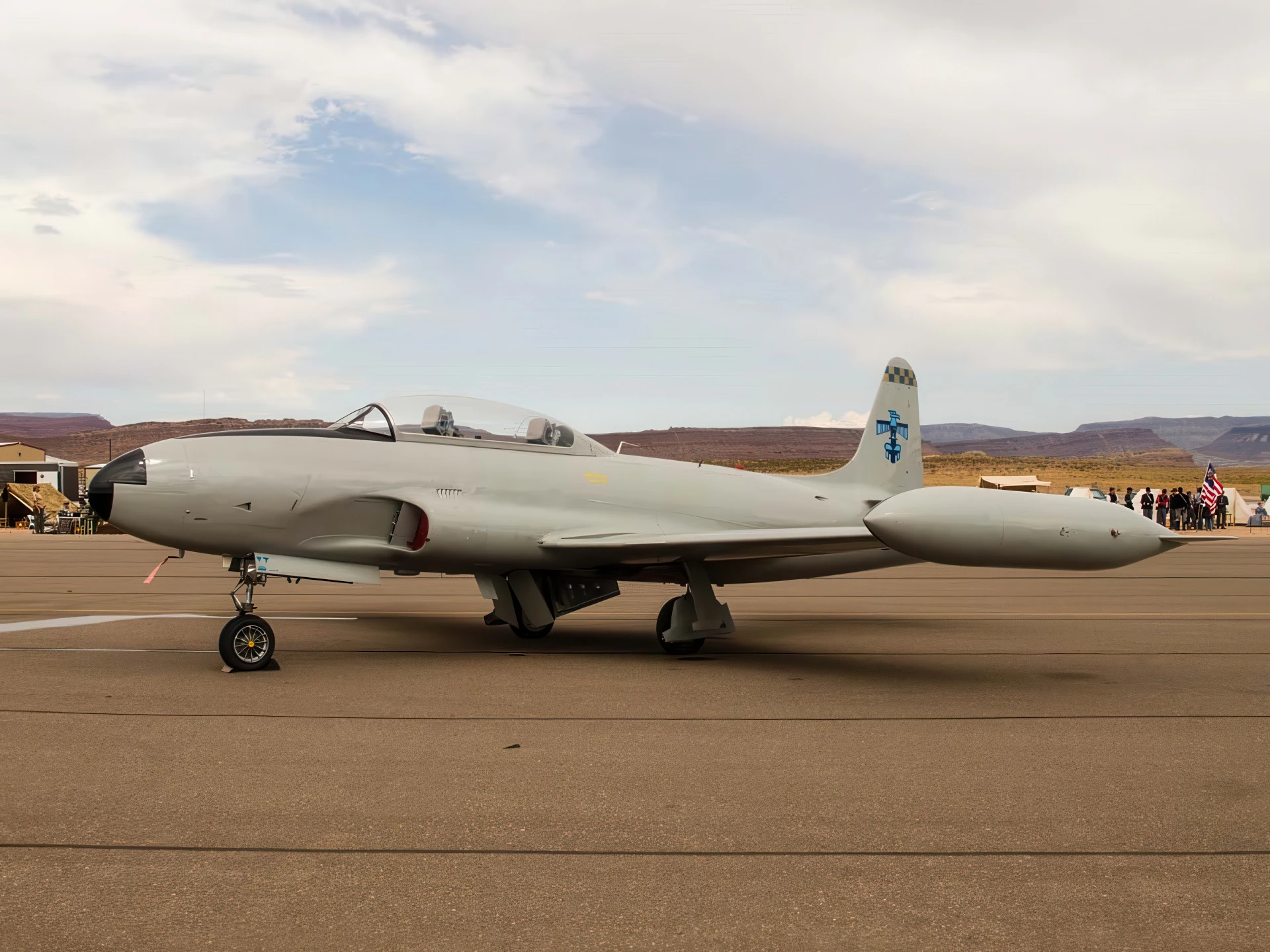
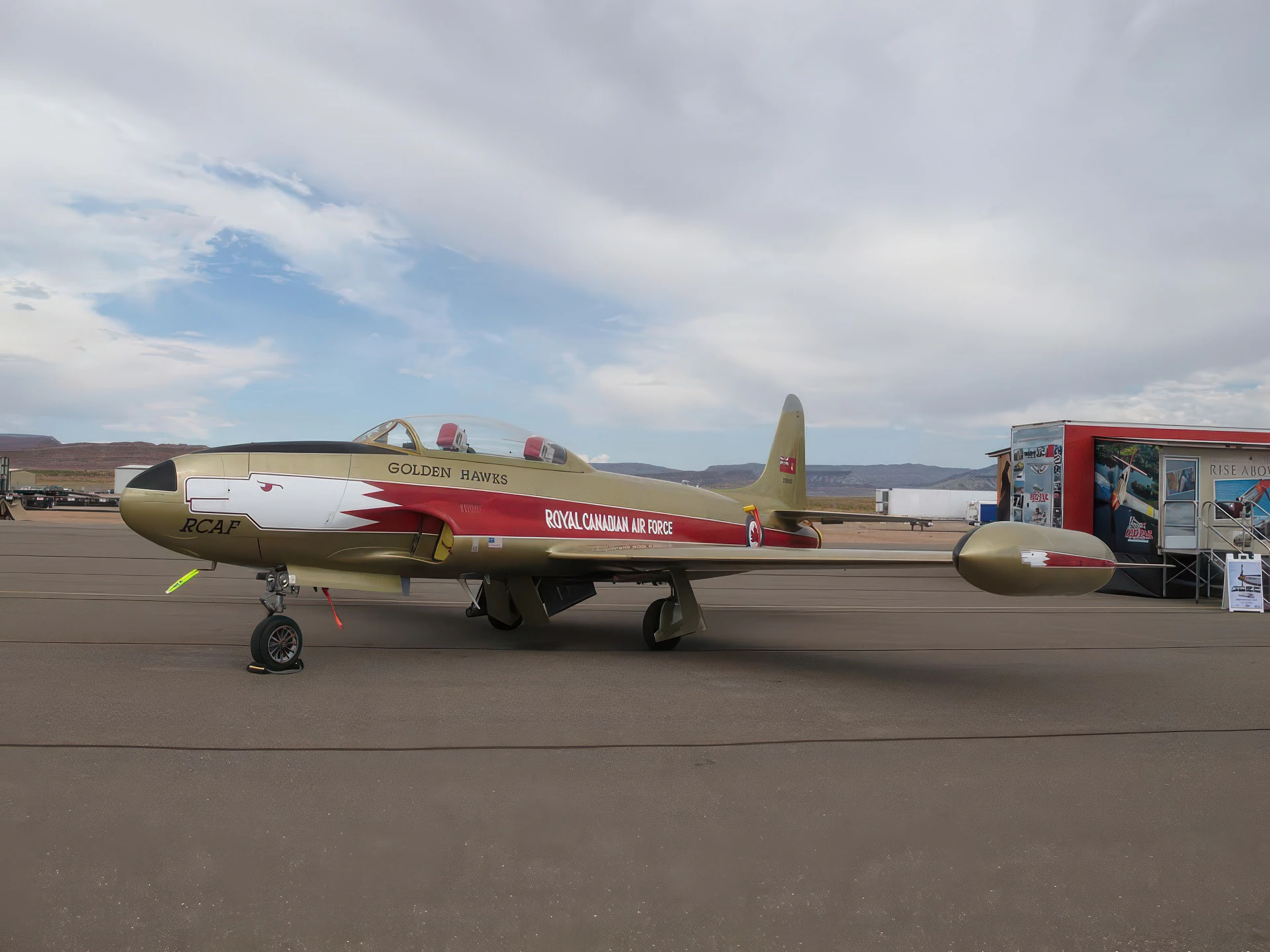
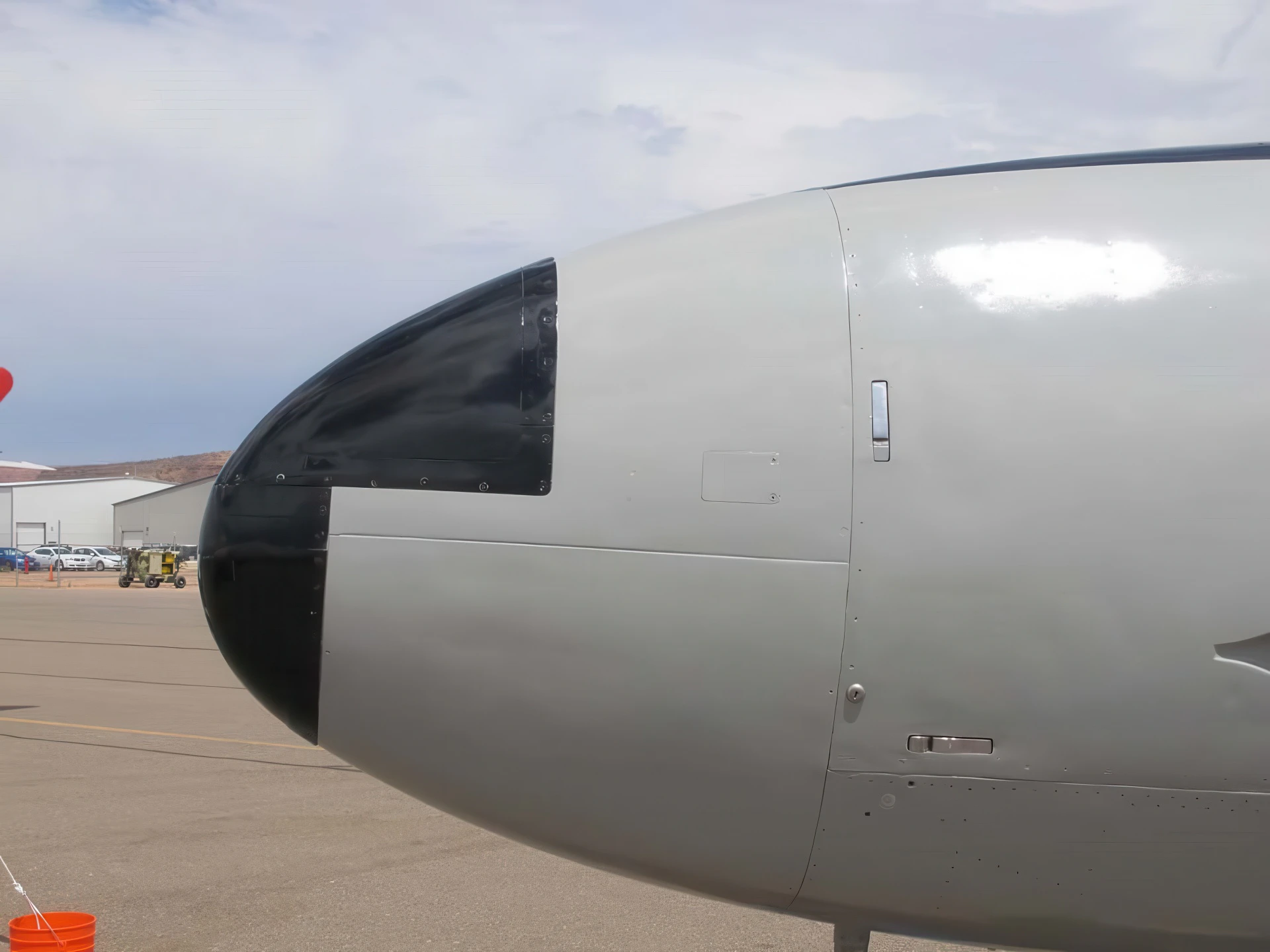
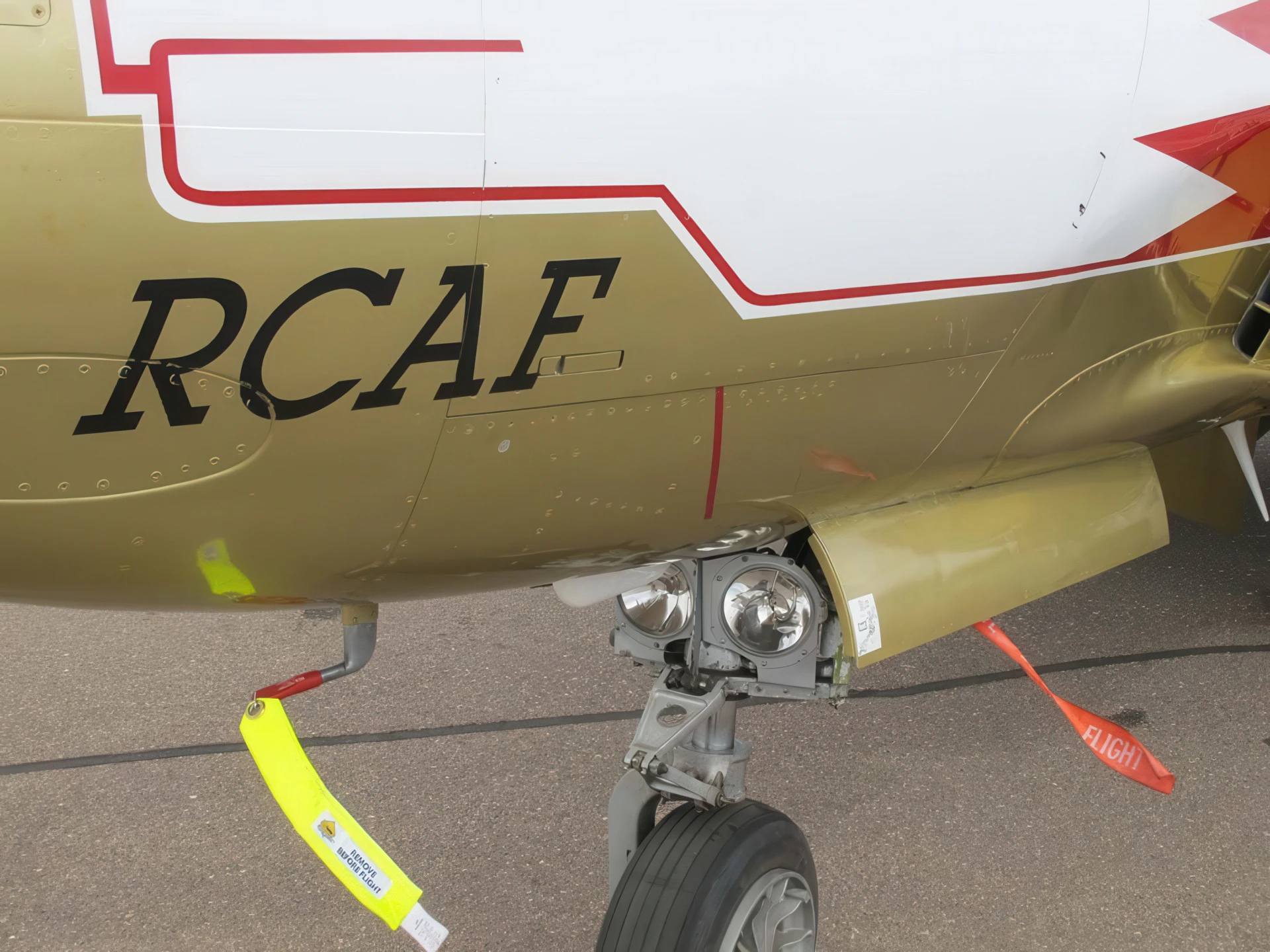
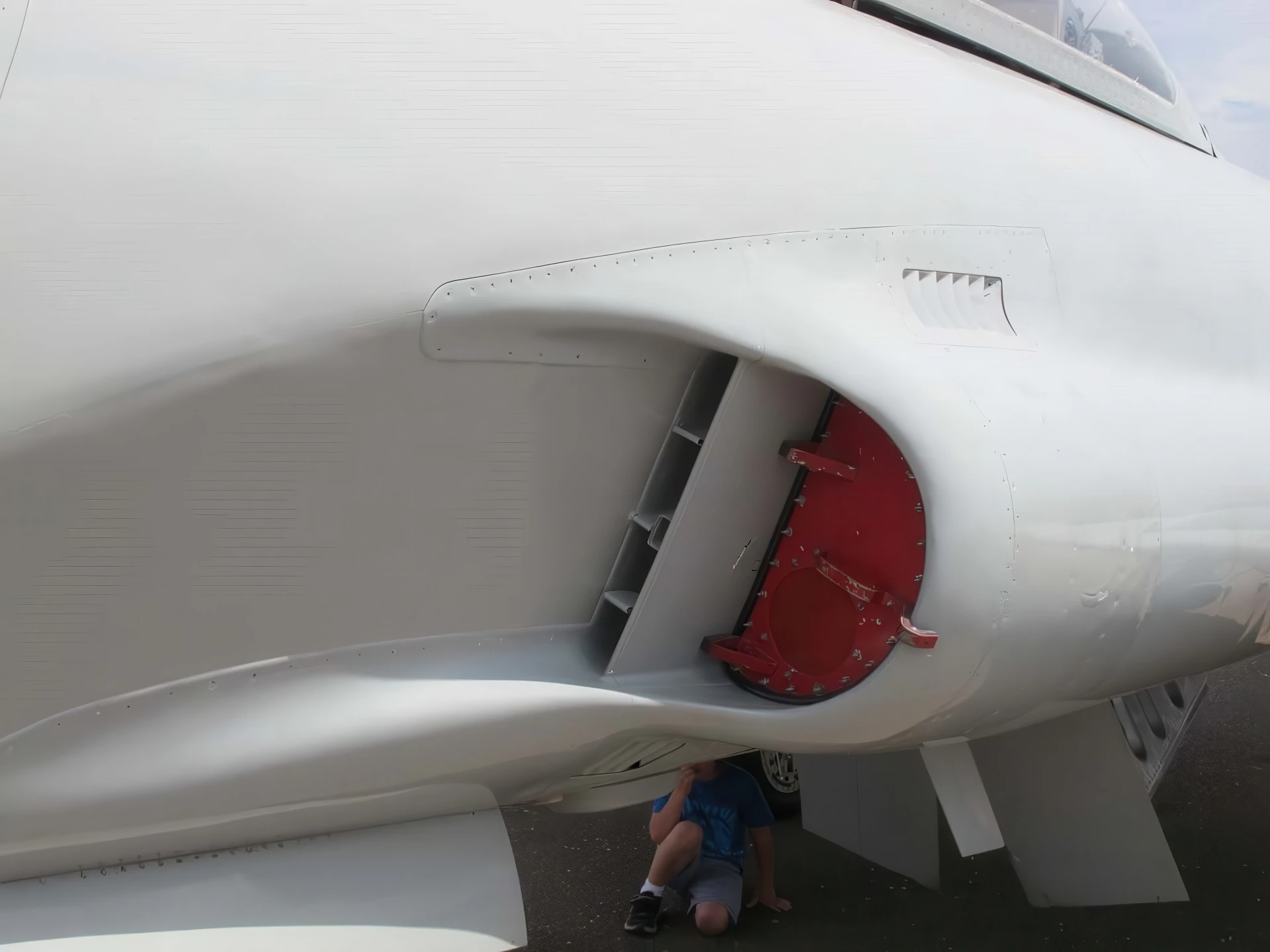
| Canadair CT-133AN Silver Star 3 Se promener | |
|---|---|
| Photographes | Vladimir Yakubov |
| Localisation | Thunder Over Utah Air Show |
| Photos | 173 |
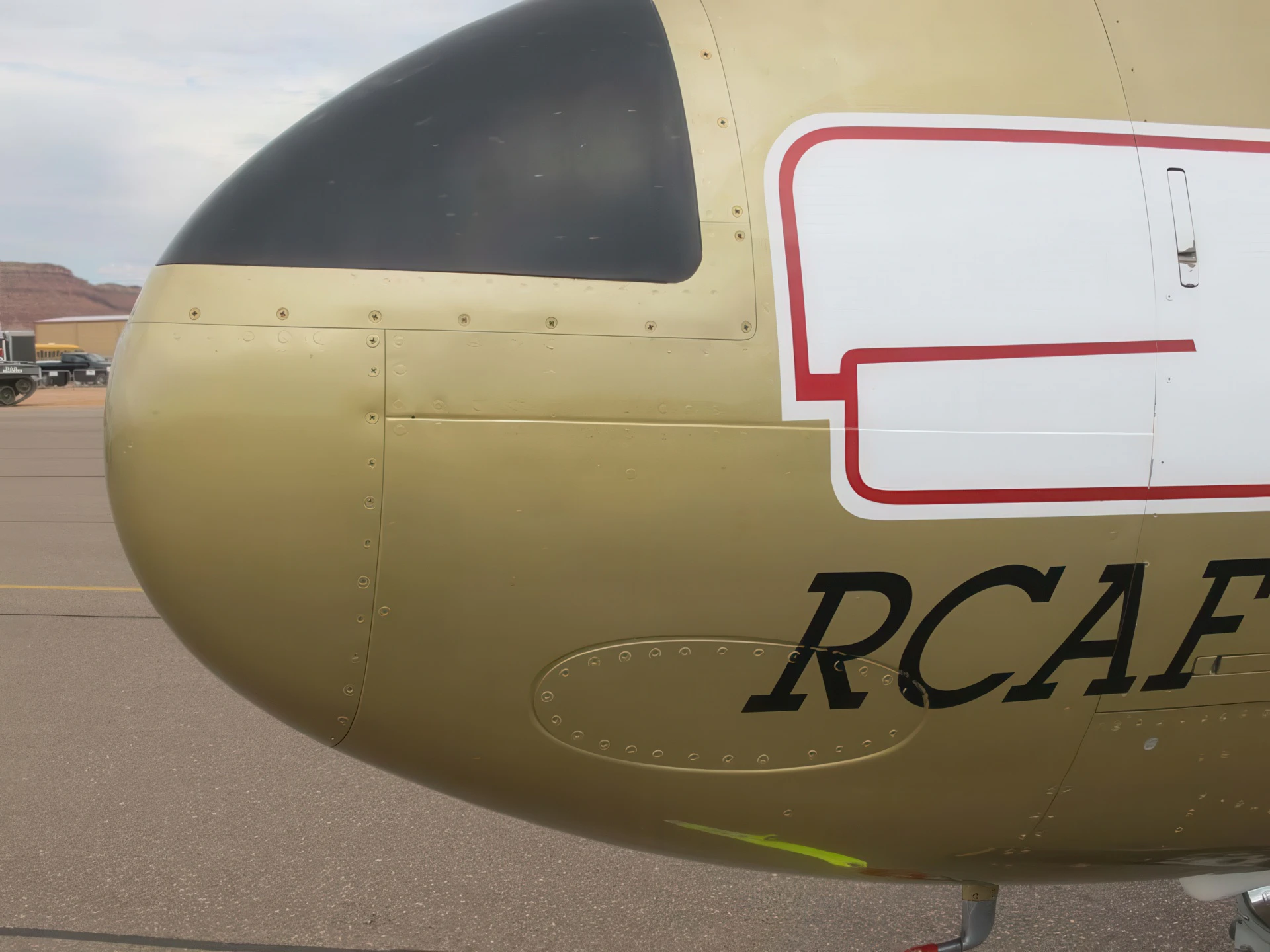
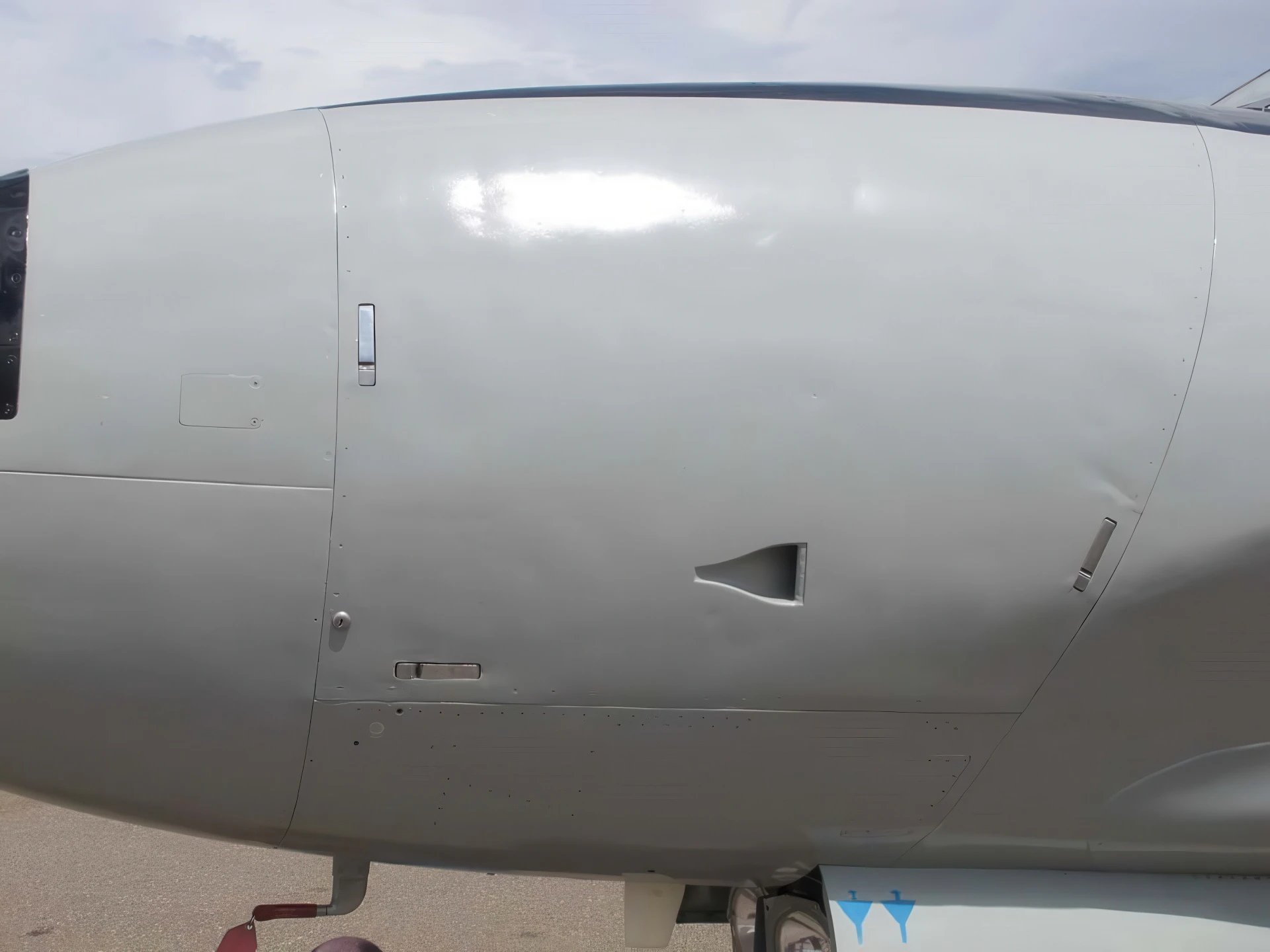
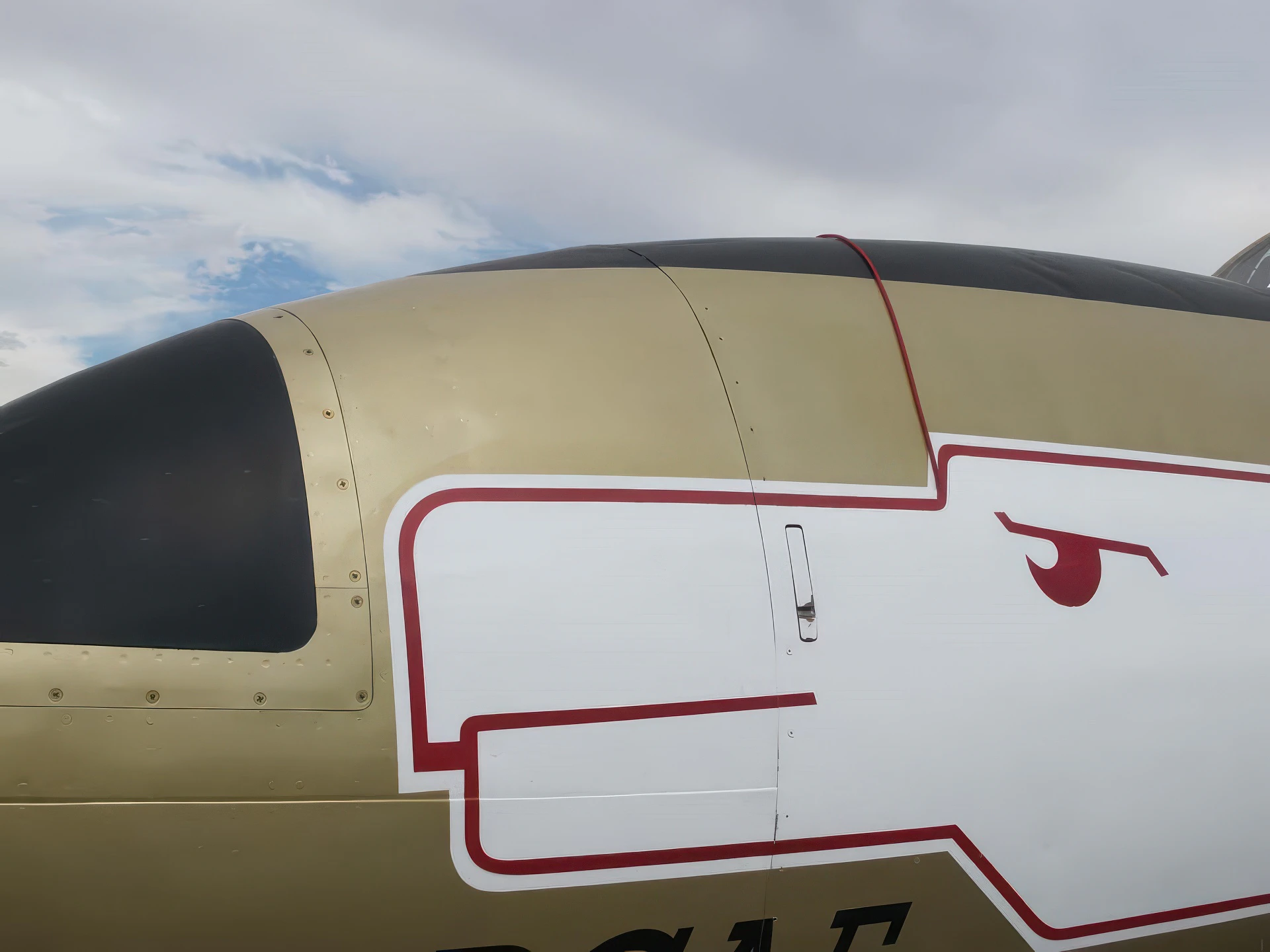
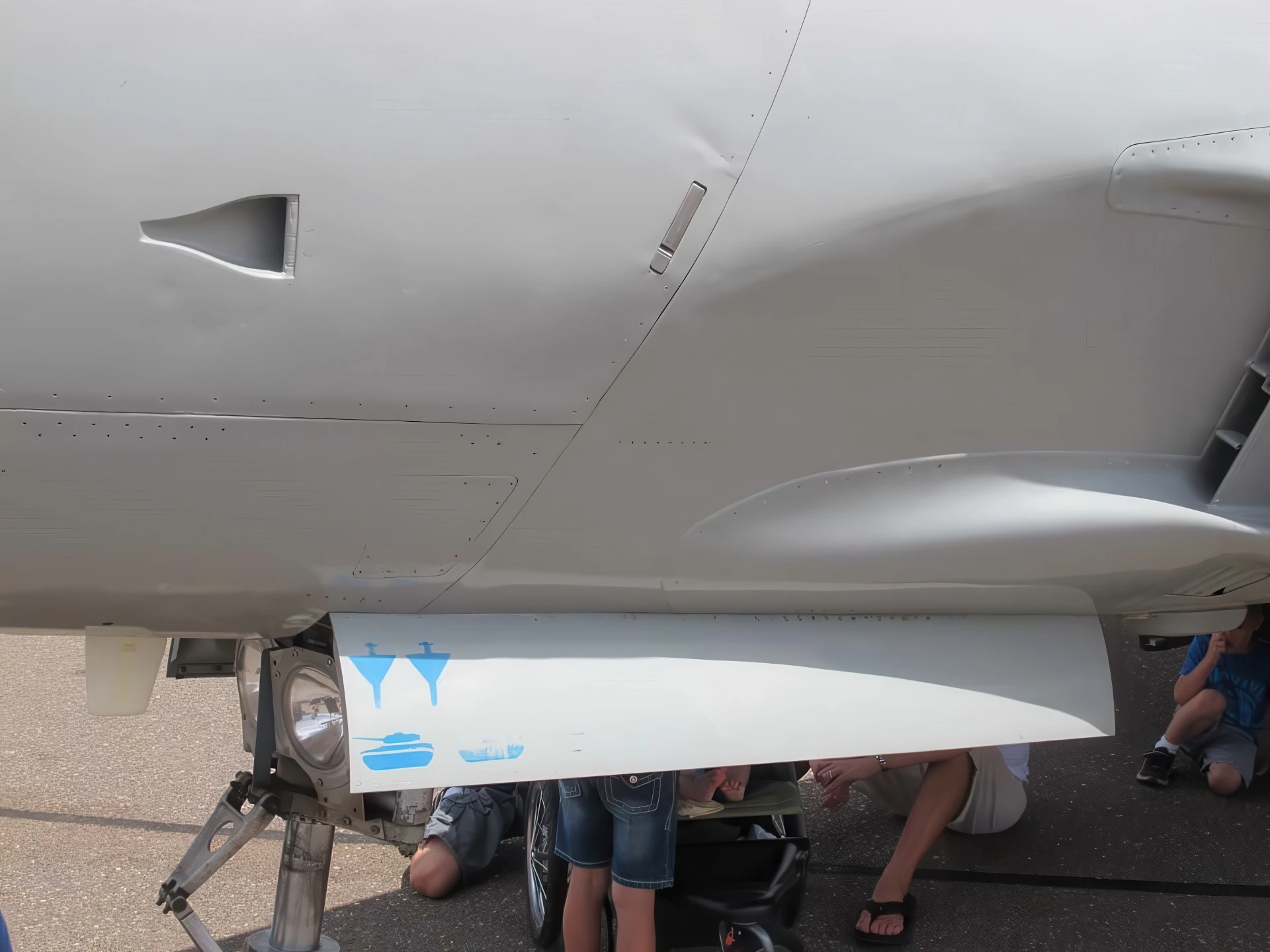

Voir aussi :


A Canadian Twist on an American Classic
Lla CT-133 Silver Star (affectionately known as the « T-Bird ») is the Canadian license-built version of the Lockheed T-33. While it looks nearly identical to its American cousin, the Canadians made one major change: they swapped out the standard engine for the more powerful Rolls-Royce Nene 10. This modification made the Silver Star faster and gave it a better climb rate than the original. Serving for an incredible 50+ years, it transitioned from a front-line trainer for the RCAF’s « Golden Age » of jets to a versatile utility player, outlasting almost every aircraft it was designed to train pilots for.
| Attribute | Technical Specification (Silver Star Mk. 3) |
|---|---|
| Rôle | Jet Trainer / Electronic Warfare / Target Tow |
| Crew | 2 (Student and Instructor in tandem) |
| moteur | 1 × Rolls-Royce Nene 10 turbojet (5,100 lbf thrust) |
| Vitesse maximale | 960 km/h (597 mph / 518 knots) |
| Service Ceiling | 14,478 meters (47,500 feet) |
| Range | 2,050 km (1,275 miles) with wingtip tanks |
| Armament (Mk. 3AT) | 2 × .50 cal (12.7 mm) Browning machine guns + Underwing pylons |
| Production | 656 units built by Canadair in Montreal |
Design Engineering: The « Nene » Advantage
- Engine Upgrade: The Rolls-Royce Nene engine provided roughly 10% more thrust than the American Allison J33. This turned the T-Bird into a « hot rod, » allowing it to better simulate the performance of the higher-speed fighters like the F-86 Sabre.
- The Wingtip Tanks: To compensate for the thirsty early turbojets, the CT-133 almost always flew with its distinctive 230-gallon wingtip fuel tanks. These were permanent fixtures that gave the « T-Bird » its iconic, sleek silhouette.
- Centrifugal Flow: Unlike modern « straight-through » jet engines, the Nene was a centrifugal flow engine (using a large spinning fan to sling air outward). This made the fuselage slightly wider and the engine incredibly robust against debris.
- Forgiving Flight: Despite being a jet, the CT-133 was famous for being « honest. » It had predictable stall characteristics and stable handling, making it the perfect platform for teaching the first generation of jet pilots how to stay alive at high speeds.
Operational History: The « Indestructible » Formateur
- The Red Knight: From 1958 to 1969, a single, brilliant-red CT-133 performed solo aerobatics at airshows across North America. The « Red Knight » became a symbol of RCAF precision and helped recruit thousands of young Canadians into aviation.
- Target Towing & Aggressor: After being replaced as a trainer by the CT-114 Tutor in the 1960s, the Silver Star took on a new life. It was used as an « aggressor » to simulate enemy missiles or aircraft, and as a target tug for anti-aircraft gunnery practice.
- Electronic Warfare (EW): Variants like the **CE-133** were packed with jamming equipment. They would fly against Canadian Navy ships and CF-18 fighters to test their ability to lock onto targets through heavy electronic « noise. »
- The Final Flight: The Canadian Forces didn’t fully retire the Silver Star until 2005. At the time of its retirement, the oldest airframes had exceeded their original design life by over 250%, proving just how well-built the Canadair version was.
Vues : 2928
Vous pouvez voir aussi :
 Northrop Gamma – Photos & Vidéos
 SPAD S.XI – Promenez-vous
 BAC Jet Provost – Photos & Vidéos
 Morane-Saulnier AI – Photos & Vidéos
 Bréguet 1050 Alizé – Photos & Vidéos
 Phönix D.I – Photos & Vidéos
 Mitsubishi G4M – Photos & Vidéos
 Nieuport 27 – Photos & Vidéos
 Percival Provost – Photos & Vidéo
 Dassault Rafale M – WalkAround
Nouvel ensemble de 71 photos