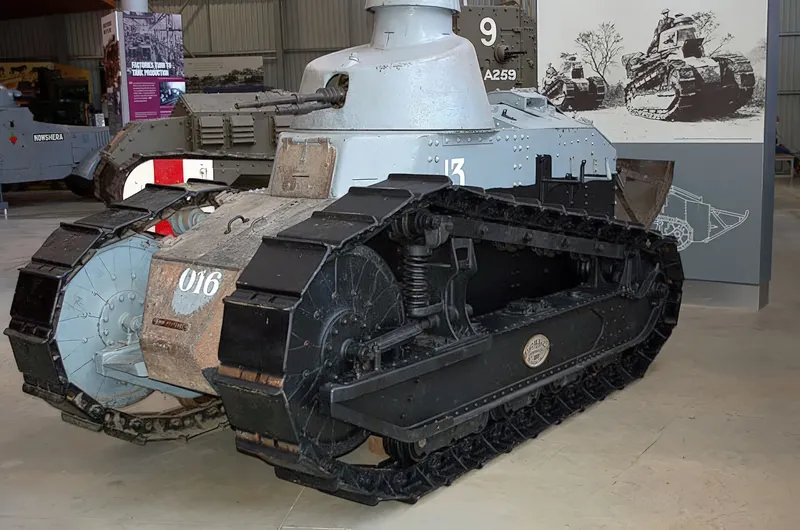
Renault FT 17 | ||
|---|---|---|
| Pays | France | |
| Type | Réservoir léger | |
| Production | 3694 (1917-1918) | |
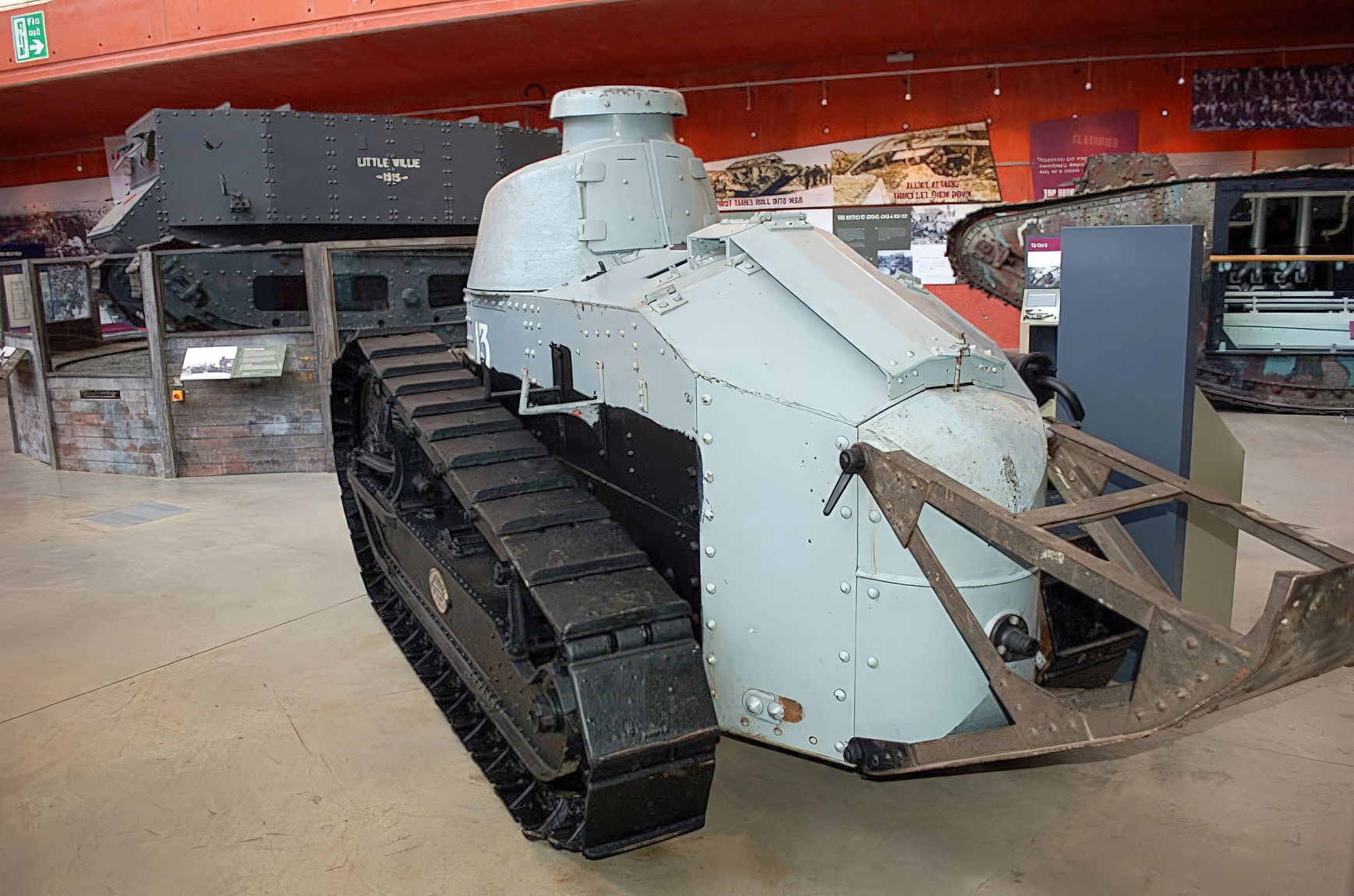
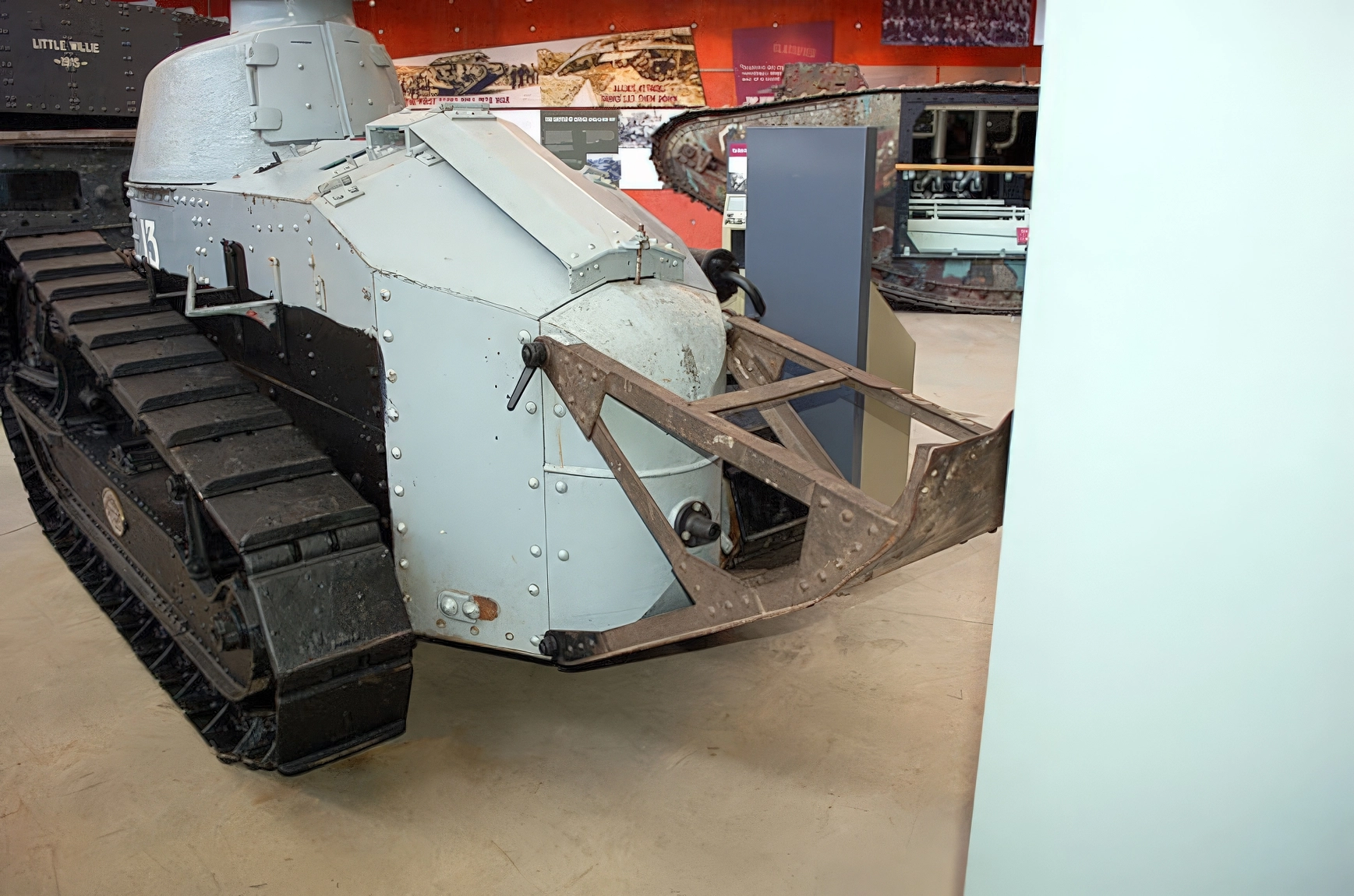
Lla Renault FT (souvent appelé FT-17, FT17 ou similaire dans la littérature de l’après-Première Guerre mondiale) était un char léger Français qui était l’un des chars les plus révolutionnaires et les plus influents de l’histoire. Le FT a été le premier réservoir de production à avoir son armement dans une tourelle entièrement rotative. Le Renault FT’la configuration – compartiment d’équipage à l’avant, compartiment moteur à l’arrière et armement principal dans une tourelle tournante – est devenue et reste la disposition standard du réservoir. En tant que tel, certains historiens de la guerre blindée ont appelé le Renault FT le monde’s premier char moderne.
Source: Renault FT 17 sur Wikipedia
| Renault FT 17 | |
|---|---|
| Photographe | Inconnu |
| Localisation | Inconnu |
| Photos | 24 |
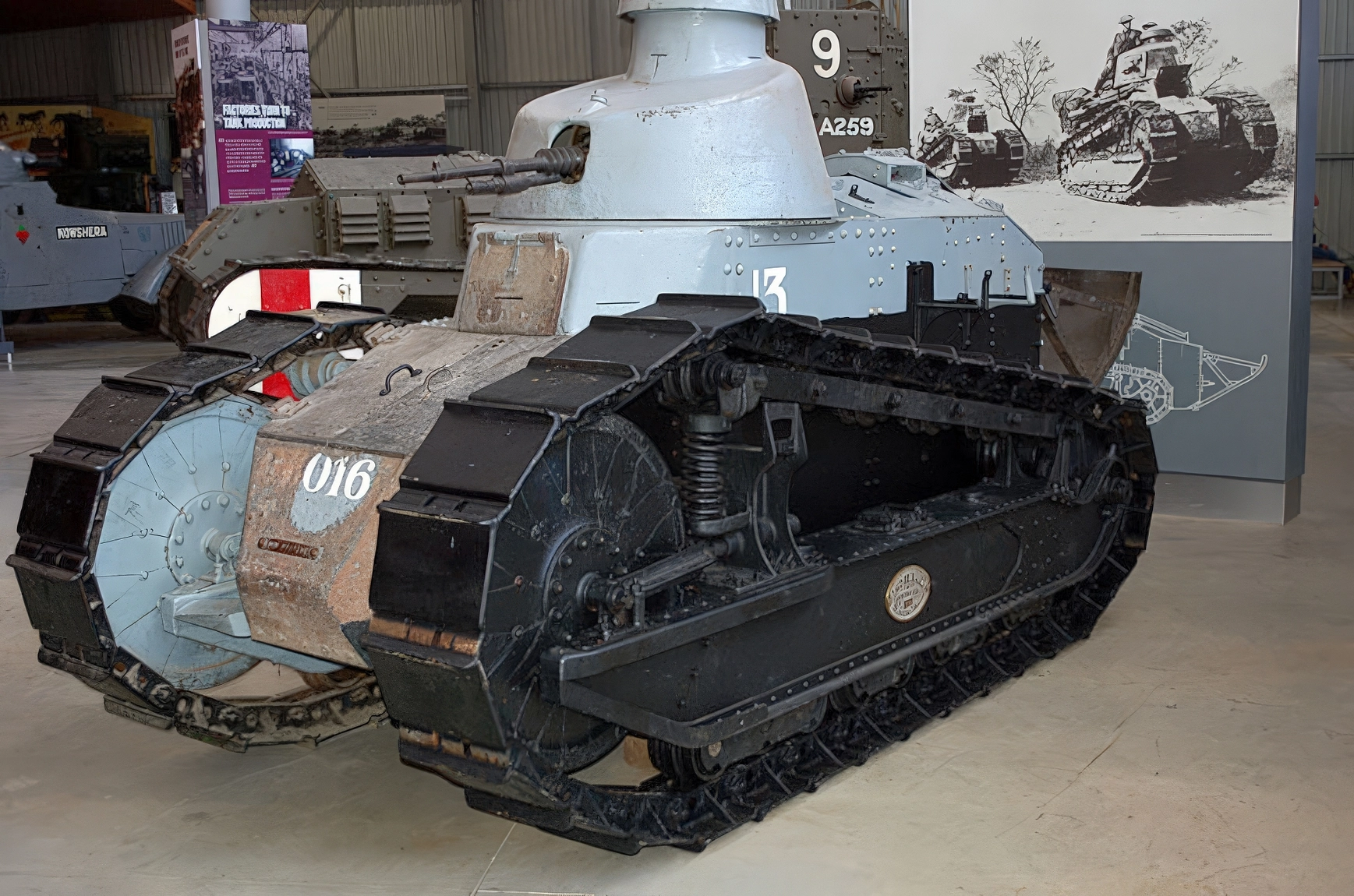
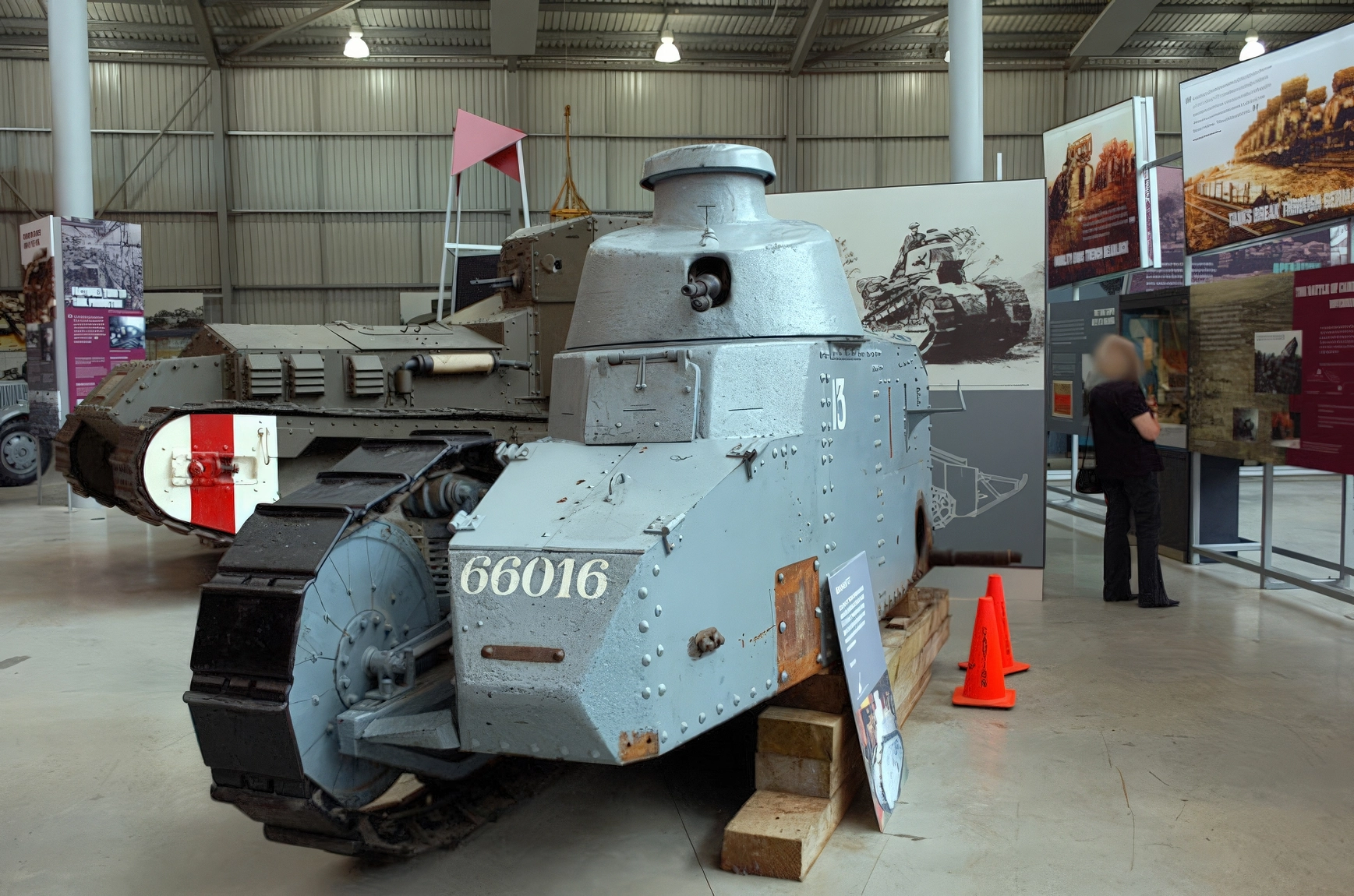
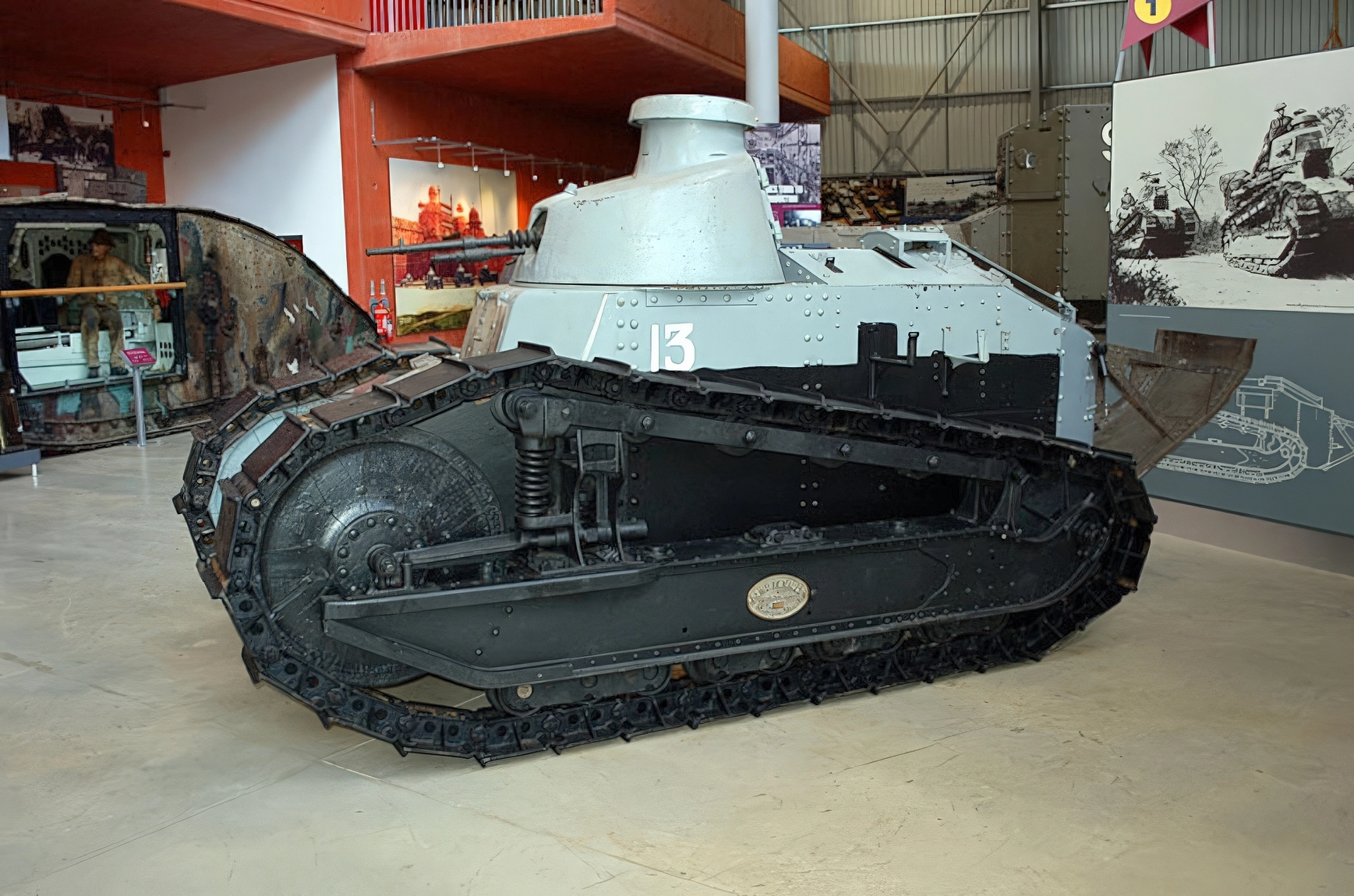
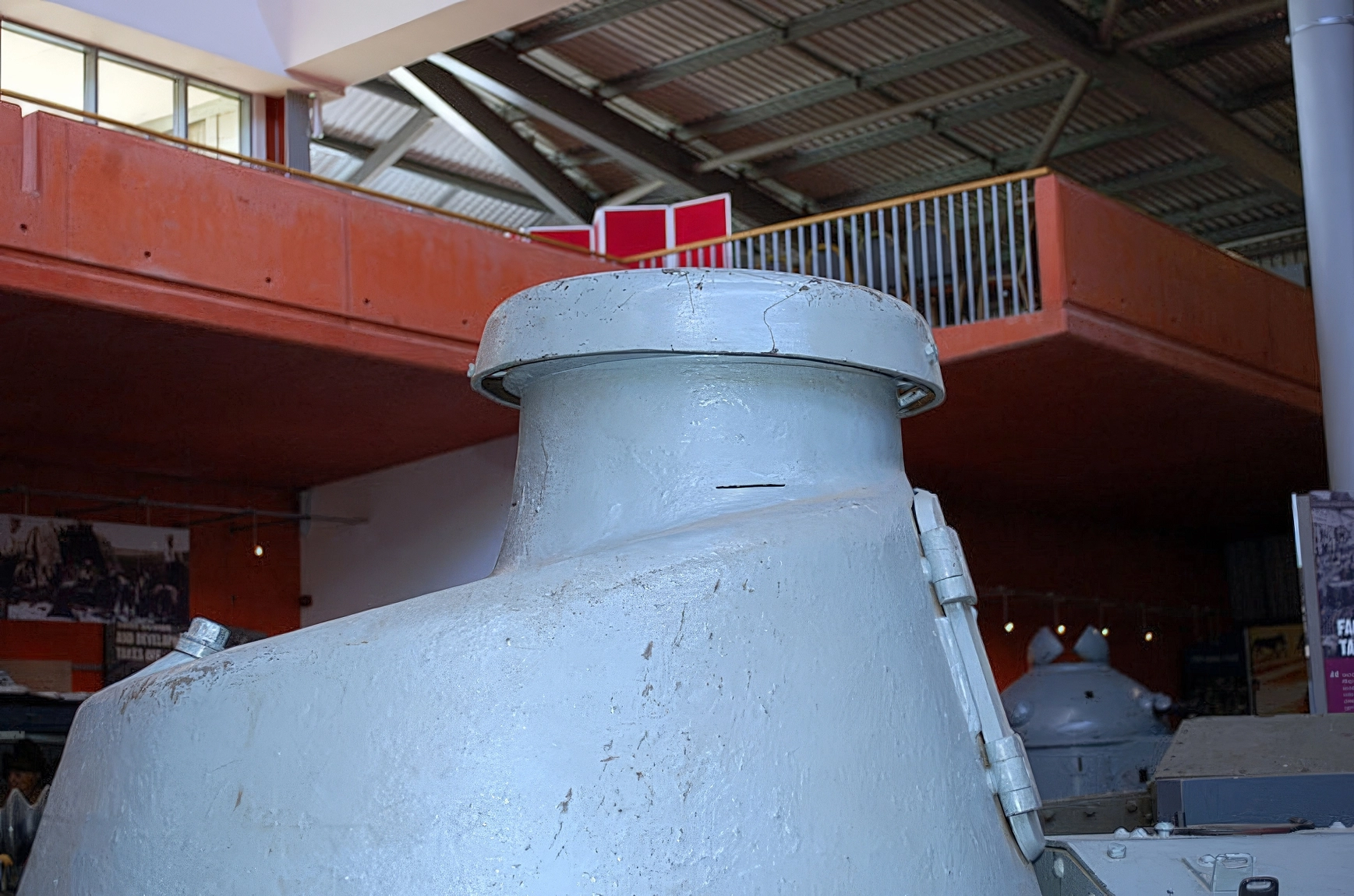
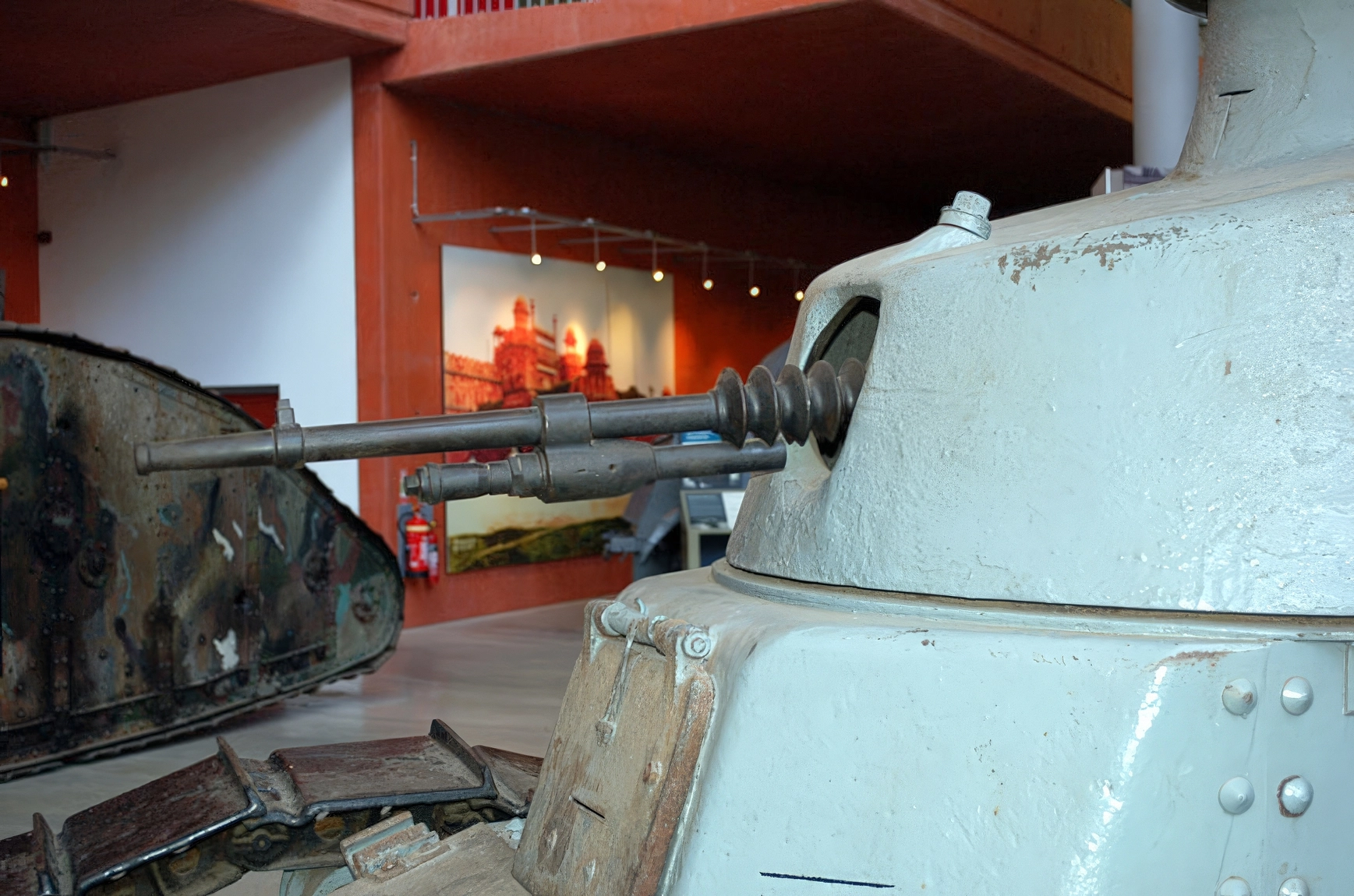

| Renault FT Canon 37mm SA 18 Walk Around | |
|---|---|
| Photographe | Inconnu |
| Localisation | Inconnu |
| Photos | 10 |
| Renault FT Copie Walk Around | |
|---|---|
| Photographe | Inconnu |
| Localisation | Inconnu |
| Photos | 26 |
Voir aussi :


| Renault FT Mitrailleuse Hotchkiss Walk Around | |
|---|---|
| Photographe | Inconnu |
| Localisation | Inconnu |
| Photos | 28 |
The Revolutionary Compact
Lla Renault FT (often called the FT-17) was arguably the most influential tank ever built. While earlier tanks were lumbering « landships » Ou « boxes on tracks, » the FT established the definitive configuration: engine at the back, driver at the front, and armament in a fully rotating turret on top. Small, cheap to produce, and manned by just two men, it introduced « swarm » tactics to the battlefield, overwhelming German lines through numbers and mobility rather than raw size.
| Attribute | Technical Specification (Renault FT) |
|---|---|
| Rôle | Light Infantry Support Tank |
| Crew | 2 (Commander/Gunner, Driver) |
| moteur | Renault 4-cylinder petrol (35–39 hp) |
| Vitesse maximale | 7.7 km/h (4.8 mph) — Brisk walking pace |
| Armement principal | 37mm Puteaux SA 18 gun (Male) OR 8mm Hotchkiss MG (Female) |
| Armor | 8 mm to 22 mm |
| Weight | ~6.5 tonnes |
| Unique Feature | Removable « Tail » for trench crossing |
Design Engineering: The Standardized Layout
- The Fully Rotating Turret: Before the FT, tanks had guns mounted in « sponsons » on the sides or fixed in the front hull. The FT’s turret allowed it to engage targets 360 degrees without turning the whole vehicle, a breakthrough that remains the global standard for tank design today.
- The Tail Skid: To solve the problem of a short-wheelbase tank falling into deep trenches, Renault engineers added a curved metal « tail » at the rear. This acted as a stabilizer, letting the tank slide across gaps it otherwise couldn’t bridge.
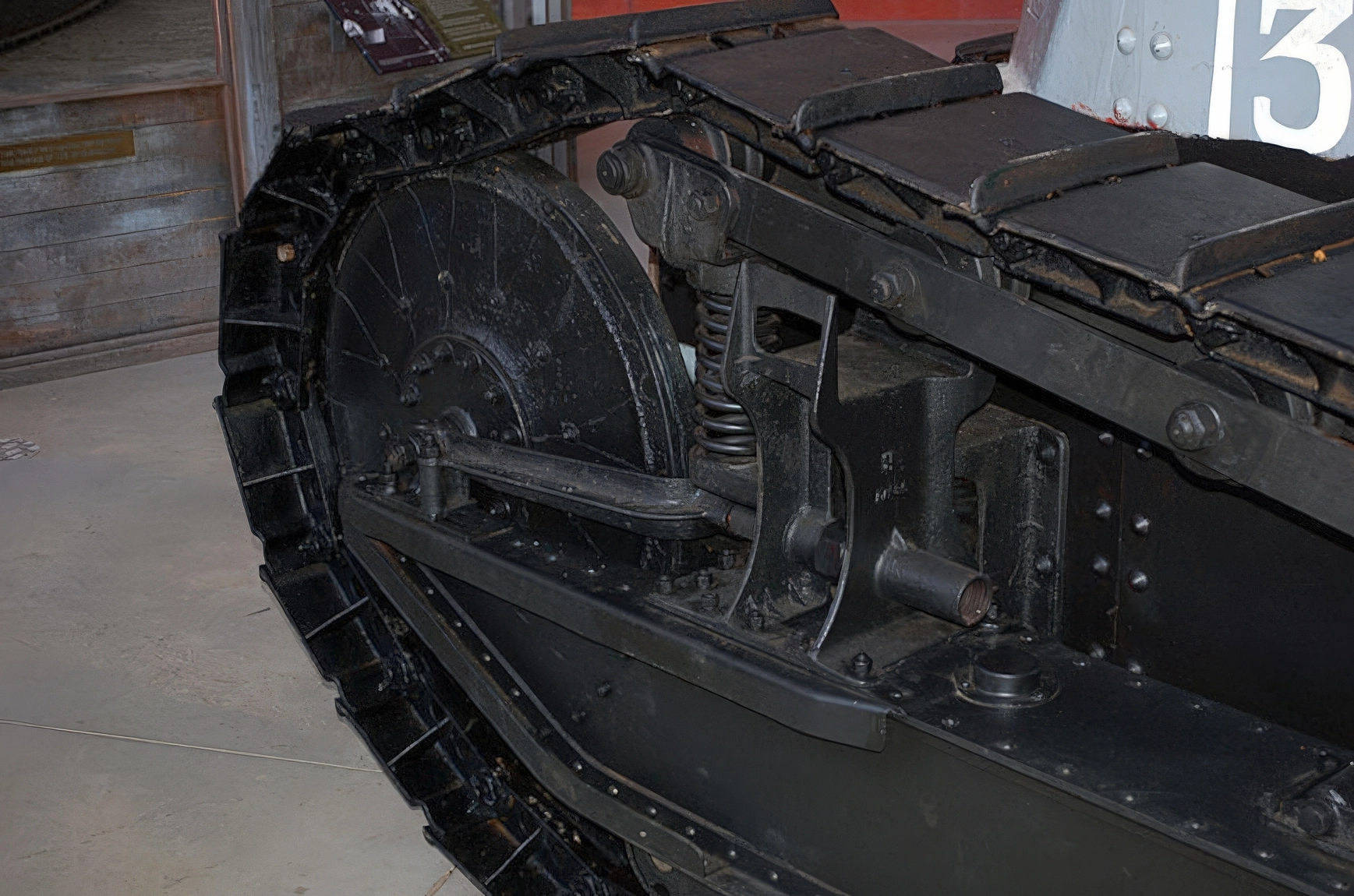
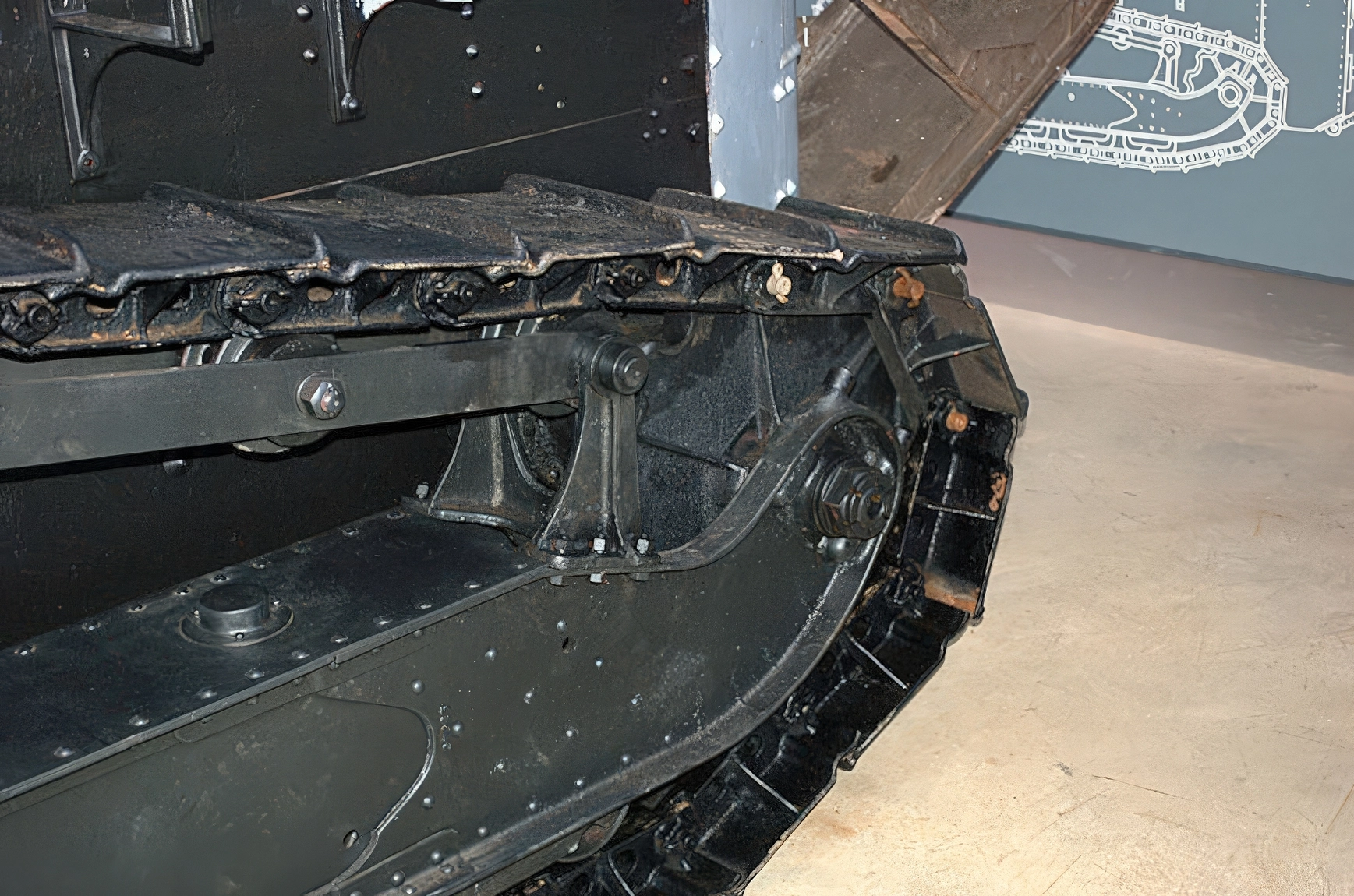
- Automotive Heritage: Unlike the specialized heavy tanks of the era, the FT used many components derived from the French automobile industry, making it significantly easier to mass-produce across multiple factories (Renault, Berliet, Schneider, etc.).
- Driver-Commander Communication: Because it was so noisy inside, the commander (standing or sitting on a leather strap in the turret) often « steered » the driver by kicking his shoulders or back—one kick for left, one for right, or a kick to the head for « stop. »
Global Legacy and Long Service
- Wwi « Swarm » Tactics: First used in May 1918 at the Forest of Retz, the FT proved that dozens of small tanks were harder for artillery to hit than a single massive one. By the Armistice, over 3,000 had been built.
- The American Connection: The US produced its own licensed version, the M1917 6-ton Tank. Though they didn’t reach the front in time for WWI, they formed the backbone of the infant US Tank Corps under figures like George S. Patton.
- Interwar Proliferation: The FT was exported to over 20 countries. It fought in the Russian Civil War, the Polish-Soviet War, and even the Spanish Civil War. It became the « founding tank » for many nations’ armored forces, including Japan and the USSR.
- Still Fighting in 1940: Amazingly, the French Army still had over 500 FTs in front-line service when Germany invaded in WWII. While totally obsolete against Panzers, they were used for airfield defense and internal security. The Germans even captured many and used them as Beutepanzer (captured tanks) for policing occupied Europe.
Views : 6838
Vous pouvez voir aussi :
 Type 63 – Photos et vidéos
 Char T-60 – Photos & Vidéos
 FCM36 – Photos et vidéos
 Char léger T-92 – Photos et vidéo
 Renault UE Tankette – Photos & Vidéo
 Renault russe – Photos & Vidéo
 Réservoir de six tonnes M1917 – WalkAround
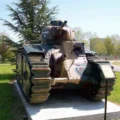 Renault B1 bis – WalkAround
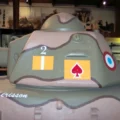 Renault R35 – WalkAround
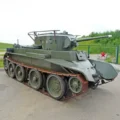 Char de cavalerie soviétique BT-7 – Walk Around