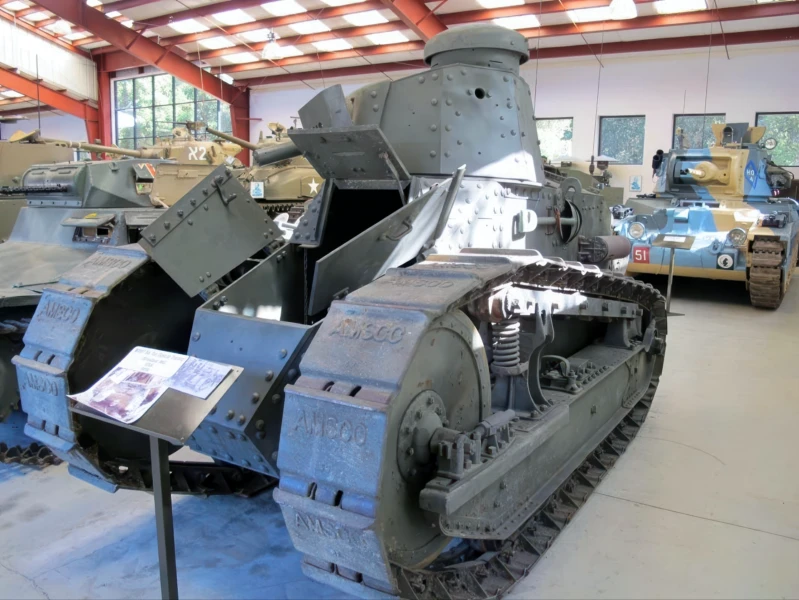
Kuuetonnine tank M1917 | |
|---|---|
| Riik | USA |
| Tüüp | Hele paak |
| Tootmise | 950 (1918-1919) |
| Kirjeldus | Album 179 fotod «Kuuetonnisest tankist M1917» |
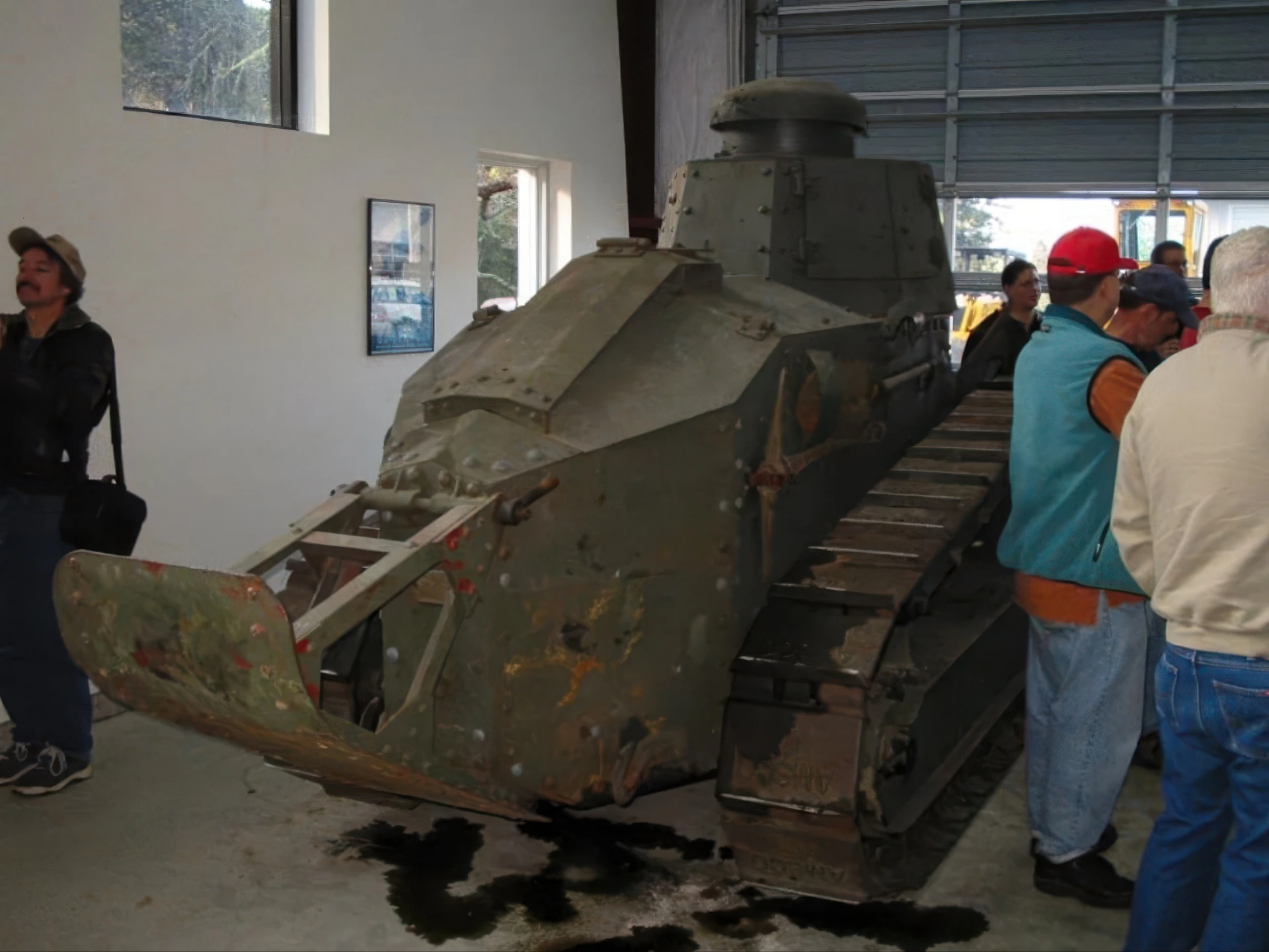
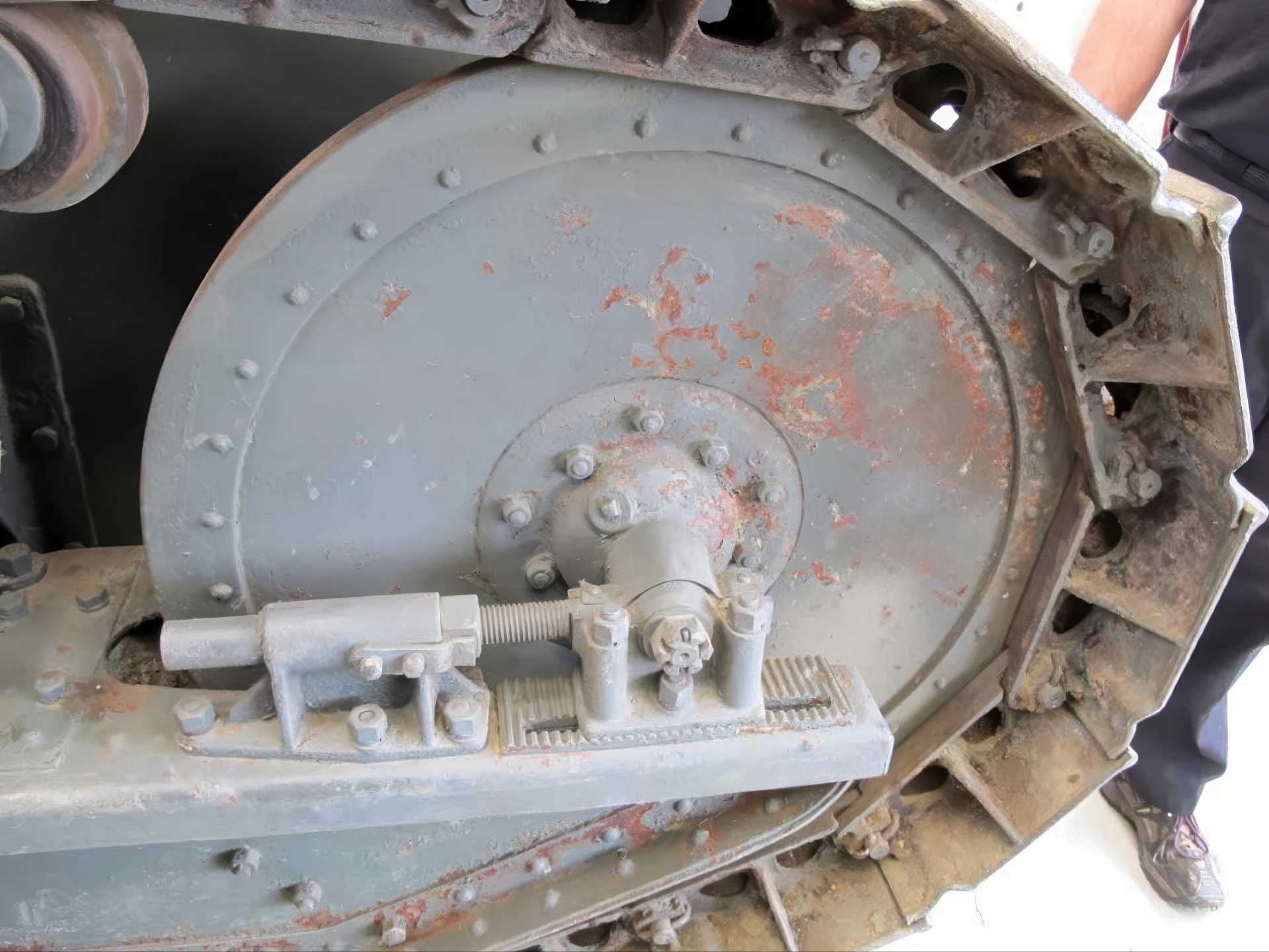
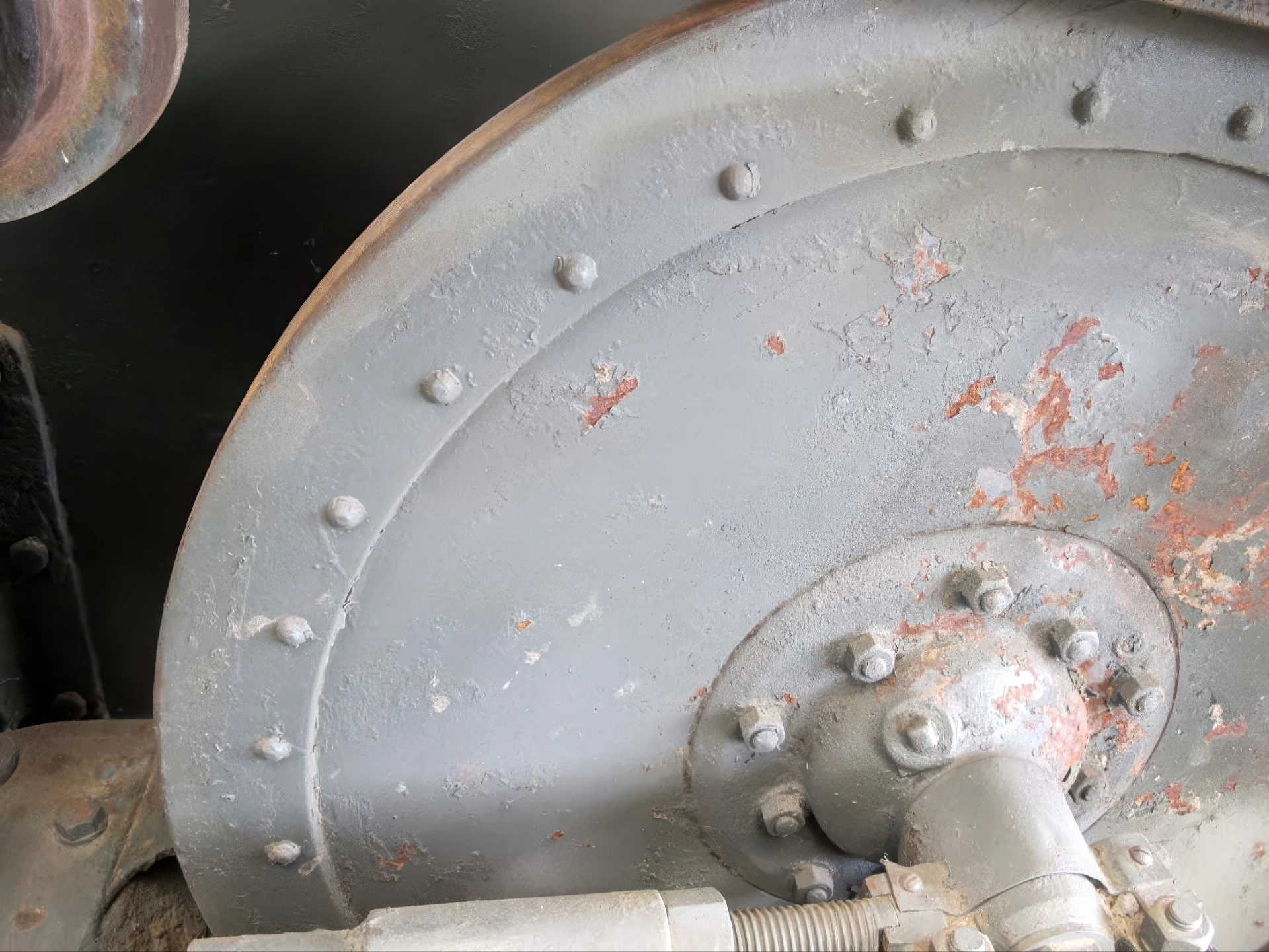
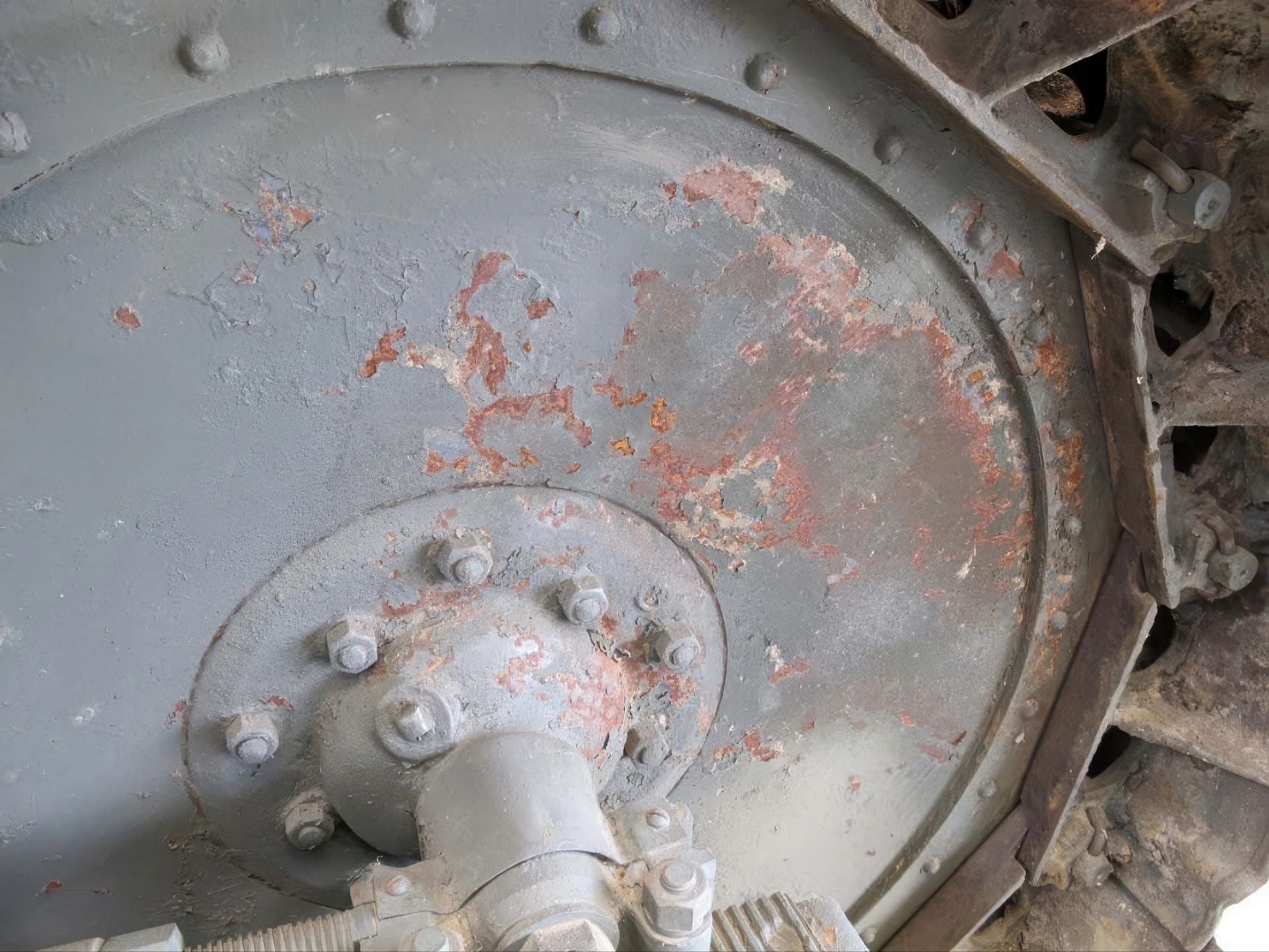
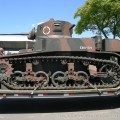
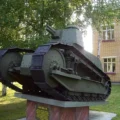
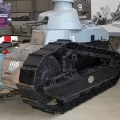
Fotogalerii kuuetonnisest tankist M1917, Kuuetonnine tank M1917 oli USA esimene masstoodetud tank. See oli Prantsuse Renault FT litsentsiga ehitatud peaaegu koopia ja sõjavägi võttis selle vastu 1918. aasta oktoobris. USA armee tellis aastatel 1918–1919 umbes 4,440 M1917, saades enne lepingu tühistamist umbes 950. Ükski neist ei jõudnud õigel ajal Euroopasse, et osaleda I maailmasõjas.
Allikas: Vikipeedia

Vaata ka:


2007 Kuuetonnine tank M1917 was the first tank produced and used by the United States. It was essentially a license-built, slightly modified version of the highly influential French Renault FT light tank, which was one of the most revolutionary tank designs of World War I.
The M1917 designation comes from the year the U.S. Army decided to produce the tank, though the first production models did not roll off the assembly line until late 1918.
Development and Purpose
- French Origin (Renault FT): The U.S. Army lacked a domestic tank design during World War I. American forces were impressed by the Renault FT, which was light, highly maneuverable, and featured the now-standard configuration of a fully rotating turret.
- License Production: The U.S. government purchased the rights to produce the design domestically, intending to equip its armored forces. Due to delays in receiving technical drawings and tooling, the tank was slightly redesigned and standardized for American manufacturing, resulting in the M1917.
- Wartime Delay: Although thousands were ordered, the M1917 was plagued by manufacturing delays. **No M1917s reached the front lines in France** before the Armistice in November 1918.
Key Features and Design
The M1917 retained the revolutionary features of the Renault FT:
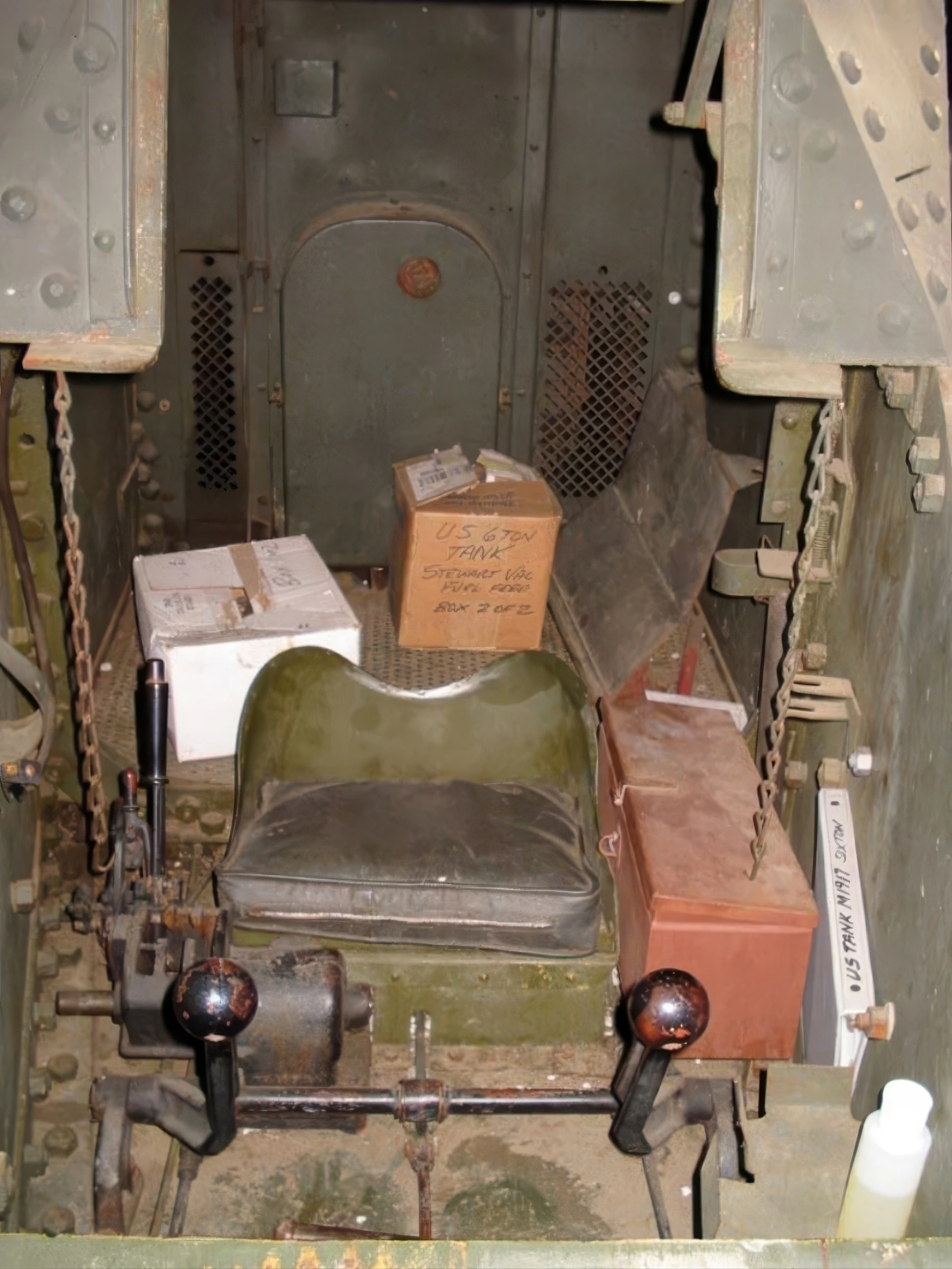
- Revolving Turret: It pioneered the now-standard layout: driver at the front, fighting compartment in the center with a fully rotating turret, and the engine at the rear. This design gave the crew a wide field of fire.
- Armament: The M1917 came in two primary armed variants:
- One armed with a **37 mm M1916 gun** (a French Puteaux gun).
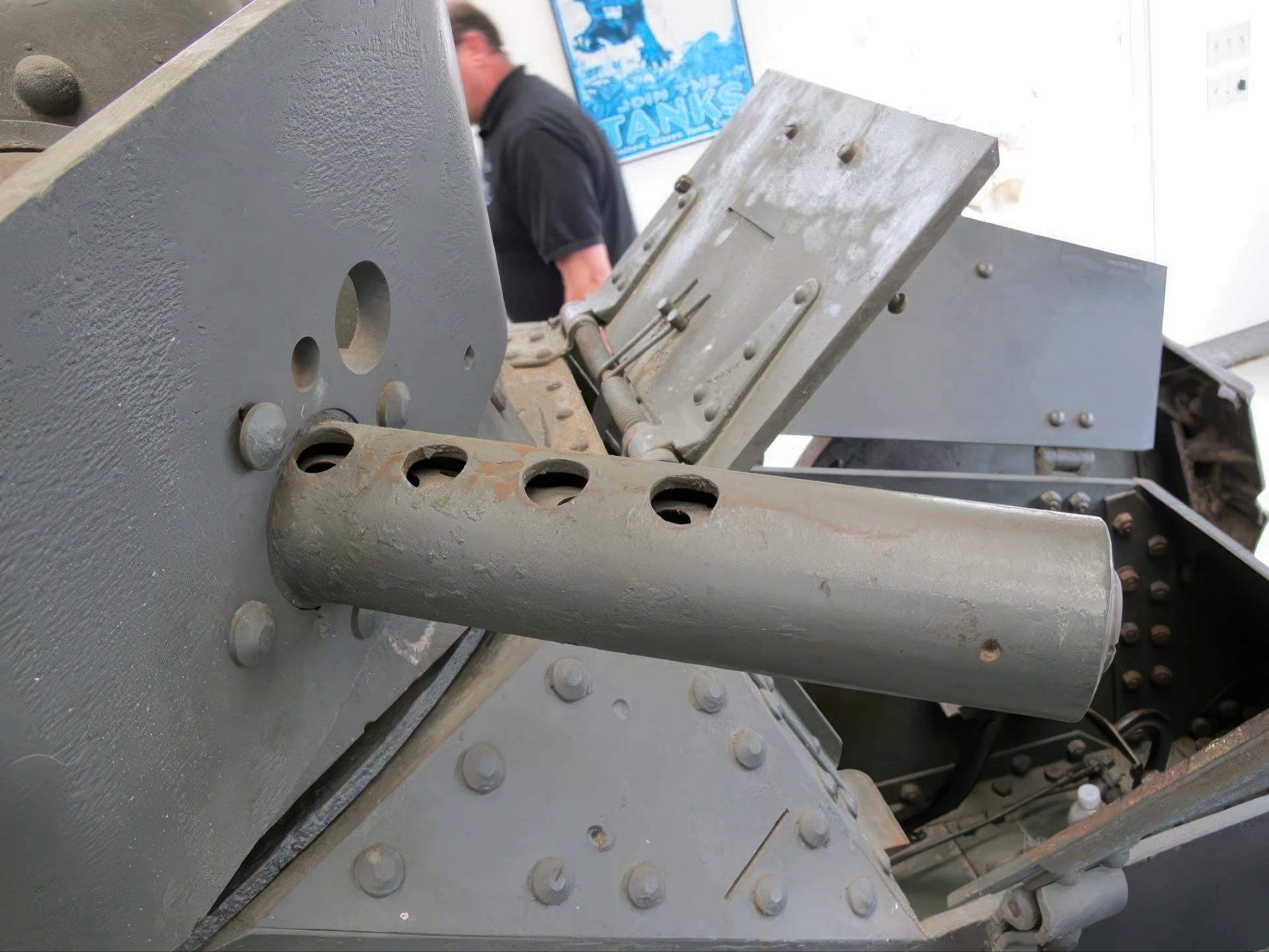
- One armed with a **.30 caliber Browning M1919 machine gun**. Units were typically mixed.
- Propulsion: It was powered by a **Buda HU modified 4-cylinder gasoline engine** (42 hp). This gave the light, 7-ton vehicle a slow top speed of around 5.5 mph (9 km/h).
- Armor and Crew: The armor was thin (6-16 mm), designed only to protect against small arms fire and shell fragments. It carried a crew of **two** (Driver and Commander/Gunner).
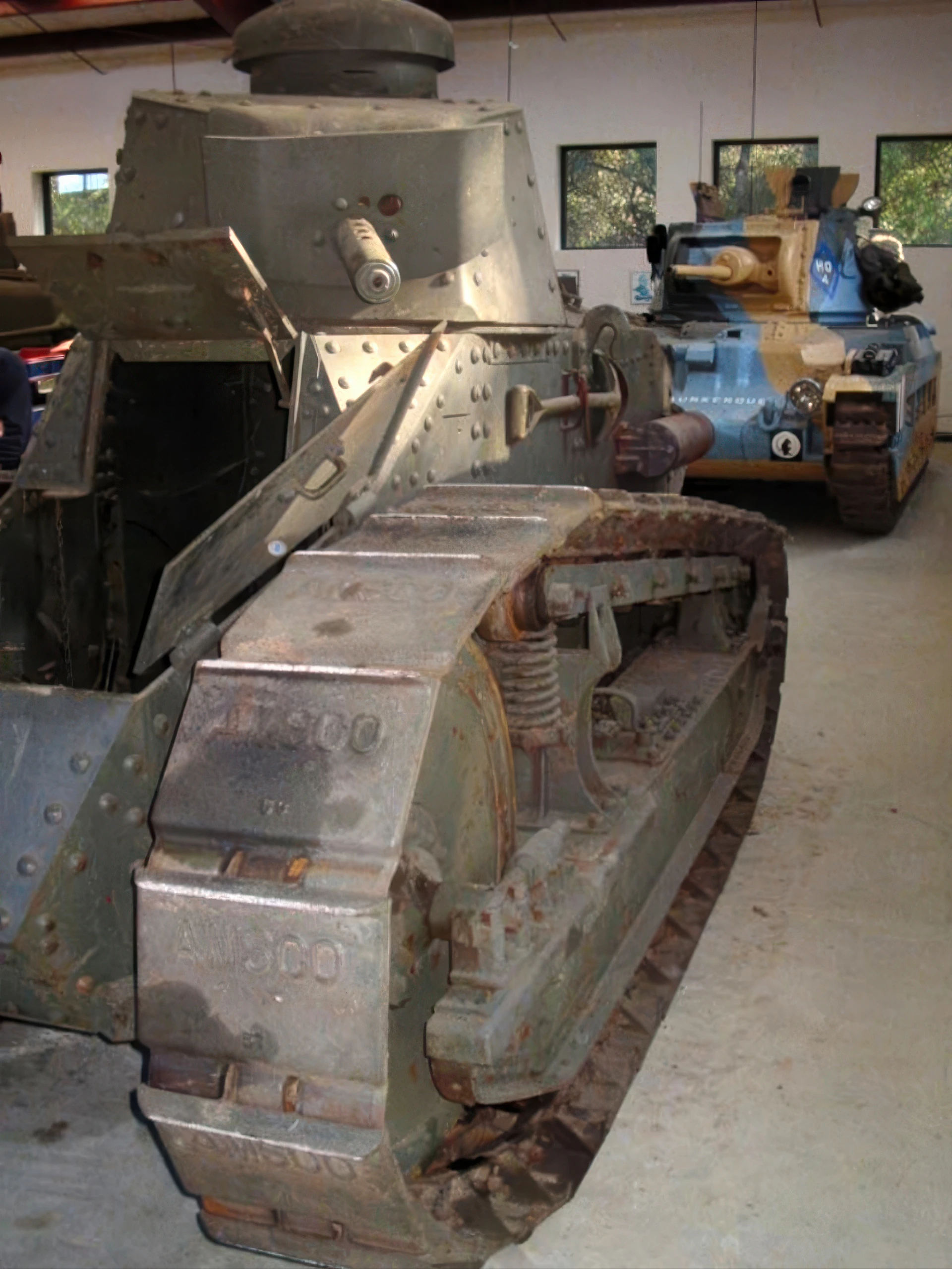
- Differences from Renault FT: Key differences included a relocated exhaust muffler to the rear (instead of the left side), a thicker front armor plate, and a slightly different cast turret on later versions.
Tegevuse ajalugu
- Post-WWI Service: Despite missing the war, 950 M1917s were eventually completed. They formed the backbone of the U.S. Army’s tiny armored force throughout the 1920s.
- Limited Utility: By the 1930s, the design was obsolete. Many were relegated to training roles or storage.
- Final Role: They were generally retired from frontline service by the mid-1930s. Some were later used for training during the early years of World War II before being entirely scrapped.
The M1917’s true significance lies not in its combat record but in its role as the foundation of the American tank corps and as the immediate ancestor of virtually all modern tank designs.
Vaadatud : 5839
IT WAS COOL