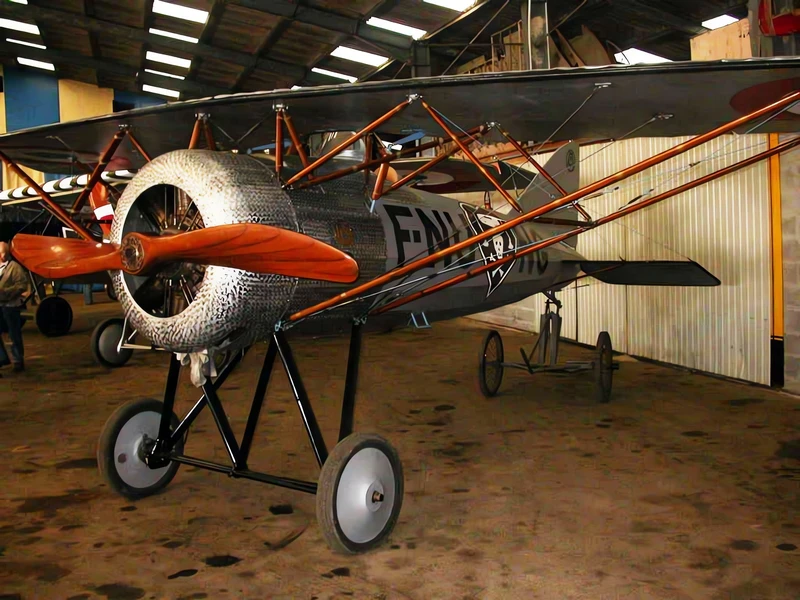
Morane-Saulnier tehisintellekti | |
|---|---|
| Riik | Prantsusmaa |
| Tüüp | Võitleja koolitaja |
| Esimene lend | 1917 |
| Ehitatud | 1210 |
2007 Morane-Saulnier tehisintellekti (ka Tüüp AI) oli Prantsuse parasoolitiivaline hävituslennuk, mille Morane-Saulnier tootis Esimese maailmasõja ajal.
| Morane-Saulnier MS Type AI Walk Around | |
|---|---|
| Fotograaf | Teadmata |
| Lokaliseerimine | Teadmata |
| Fotod | 25 |
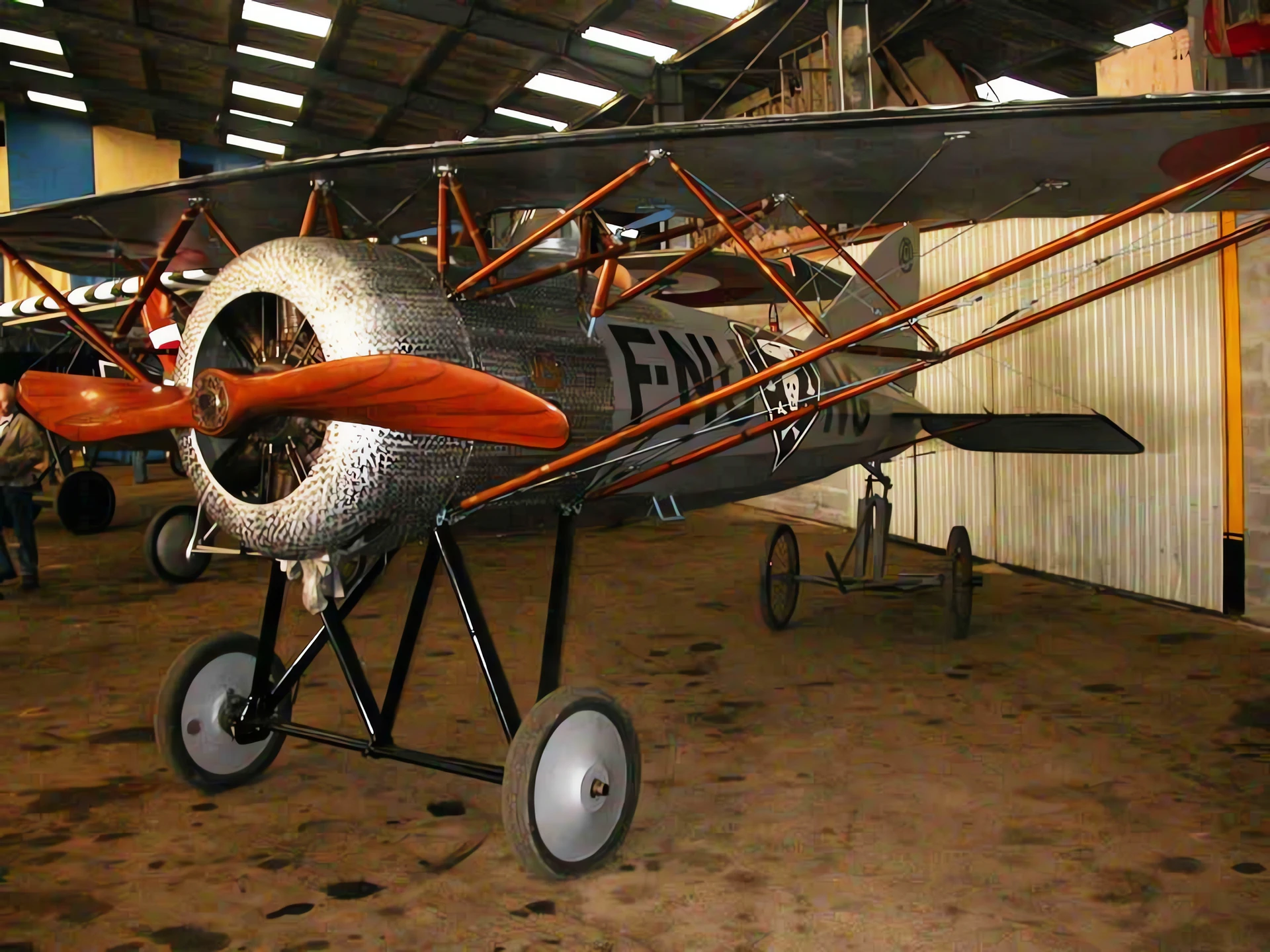

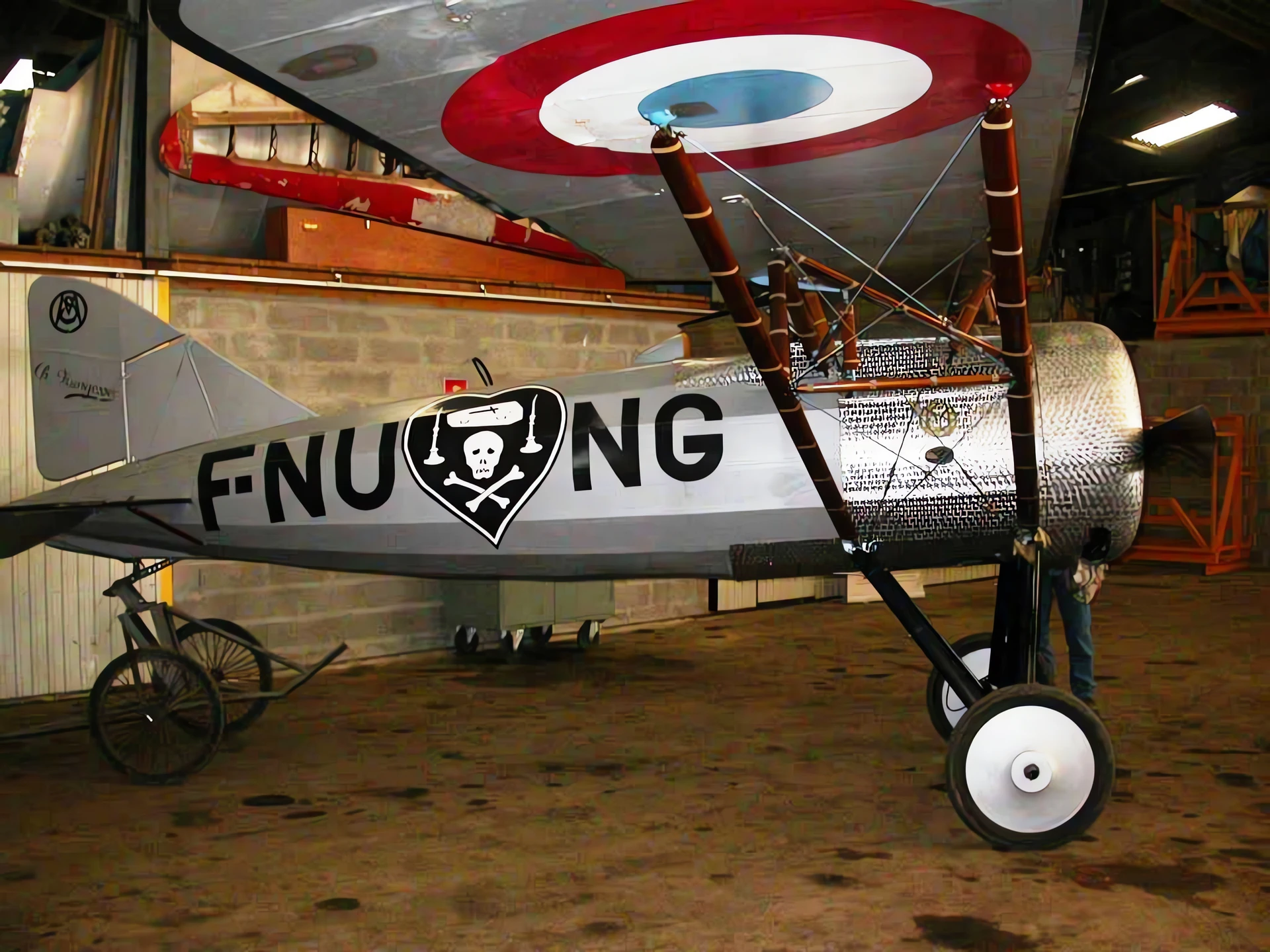


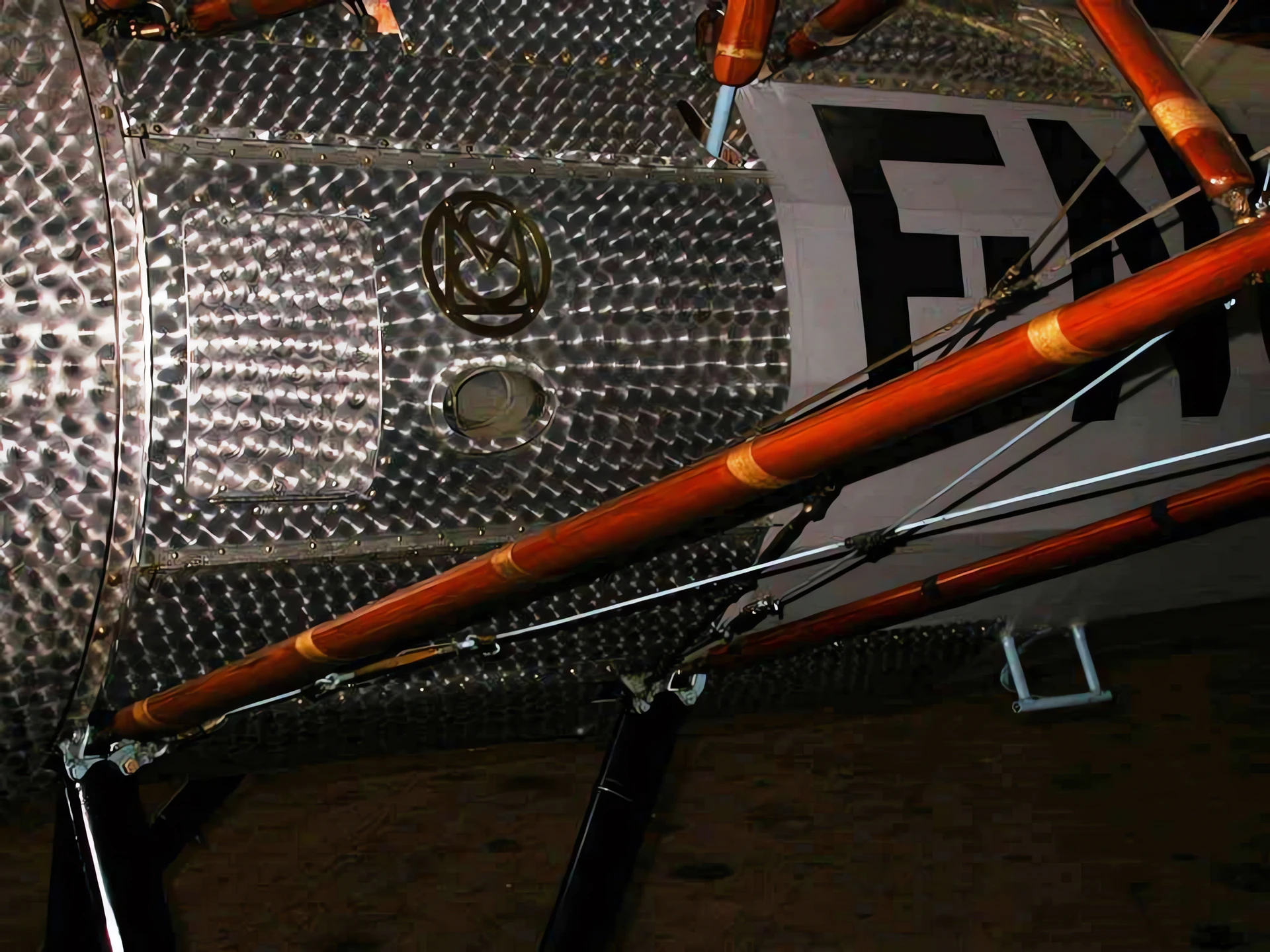

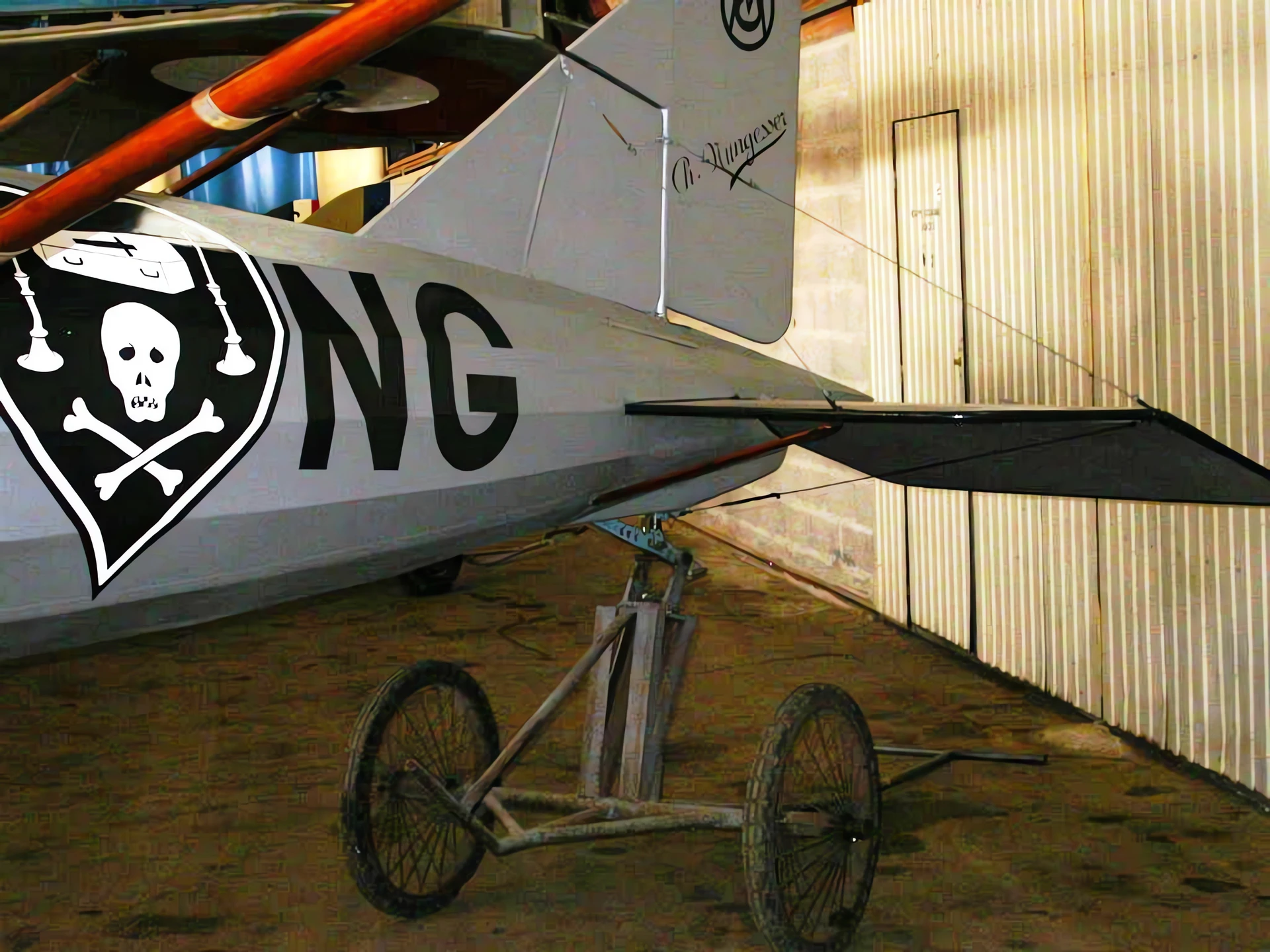
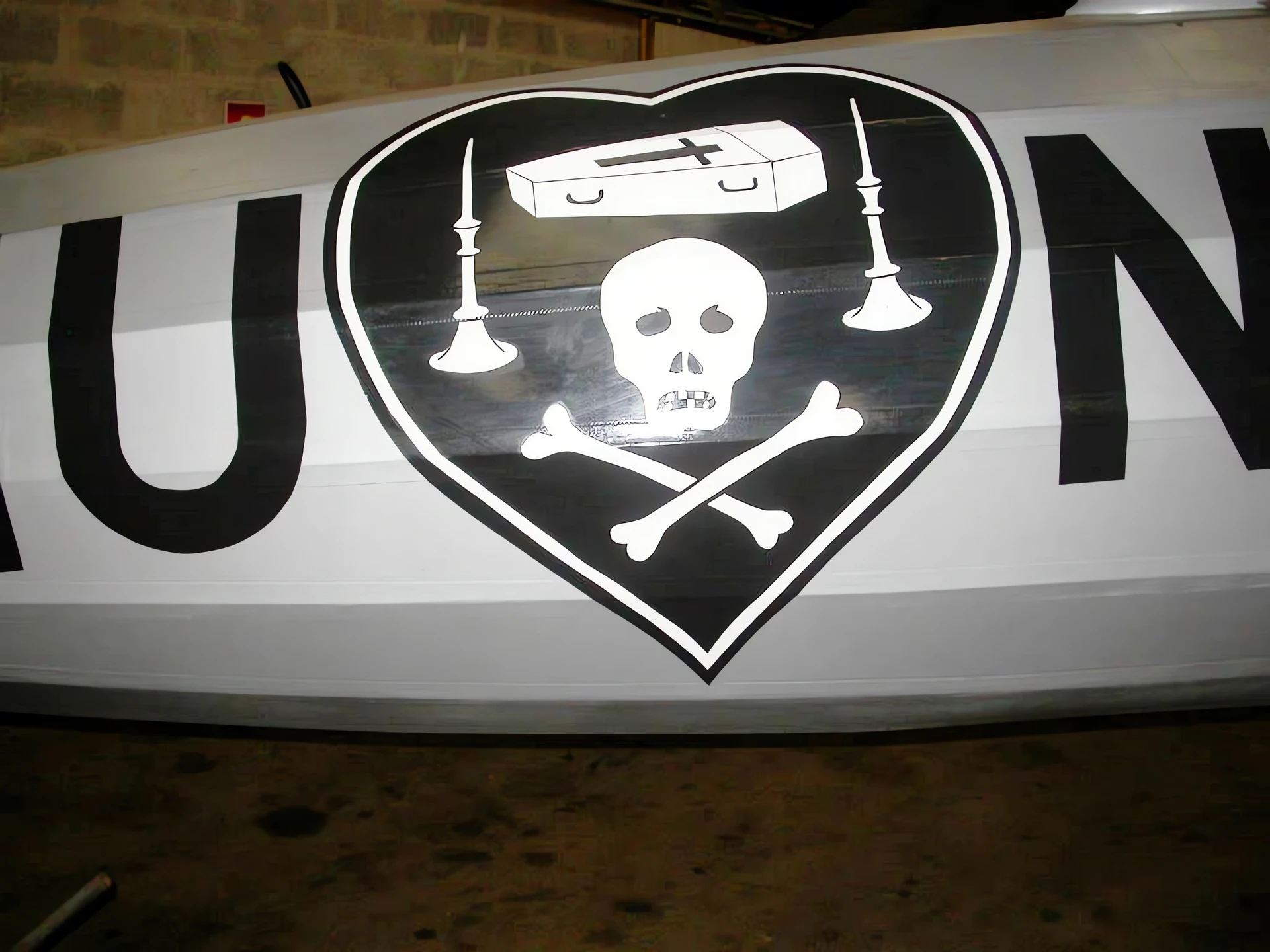


General Characteristics
The Morane-Saulnier MS Type AI was a French single-seat fighter monoplane used during the latter stages of World War I. Designed to be a high-performance, fast, and agile fighter, it was one of the first aircraft to use a cantilever parasol wing (a wing mounted above the fuselage by struts) that lacked external bracing wires, a common feature of earlier Morane-Saulnier designs. This clean design offered the pilot excellent visibility and high speed for the era. Although its operational service with French units was brief due to structural issues, the aircraft proved highly successful in the training role and was used extensively by the US Army Air Service (USAAS) as the **MS-29** advanced trainer.
| Property | Typical Value (MS.27AI / MS.29) |
|---|---|
| Rolli | Single-Seat Fighter, Advanced Trainer |
| National Origin | Prantsusmaa |
| Tootja | Morane-Saulnier |
| First Flight | 1917 |
| Service Entry | Early 1918 |
| No. Built | ~1,210 (including trainer variants) |
| Meeskonna | 1 (Pilot) |
| pikkus | 6.48 m (21 ft 3 in) |
| Tiibade siruulatus | 8.50 m (27 ft 11 in) |
| Max Takeoff Weight | 710 kg (1,565 lb) |
Powerplant and Performance
- Engine: 1 x Le Rhône 9R 9-cylinder air-cooled rotary engine.
- Power Output: 130 kW (180 hp).
- Maximum Speed: 225 km/h (140 mph) at 2,000 m.
- Climb Rate: Could reach 2,000 m (6,560 ft) in 4 minutes 20 seconds.
- Service Ceiling: 7,000 m (23,000 ft).
- Design Note: The fuselage was primarily constructed of wood, using a clean, monocoque structure (or close to it) to minimize drag.
- Visibility: The parasol wing provided excellent upwards and forward visibility for a WWI fighter.
Armament and Operational History
- Fixed Armament (Fighter Variants, MS.27AI/29AI):
- 1 or 2 x 7.7 mm (.303 in) Vickers machine guns, synchronized to fire through the propeller arc.
- Fixed Armament (Trainer Variant, MS.29): Often unarmed, or occasionally fitted with a single gun for air-to-air gunnery training.
- Service Limitation: The Type AI was withdrawn quickly from frontline French service due to a number of structural failures and crashes, often attributed to the high stress imposed on the wing structure during aggressive maneuvers.
- Trainer Success: Despite its failure as a frontline fighter, its speed and agility made it an ideal **advanced trainer**. The USAAS purchased large quantities of the unarmed MS.29 trainer variant, where it performed long and reliable service at various flight schools.
Views : 1746
Näete ka :
 Sikorsky S-39 - fotod ja videod
 Põhja-Ameerika NA-64 Yale - fotod ja videod
 Sud-Ouest Triton - fotod ja video
 Culver PQ-14 kadett - fotod ja video
 Northrop F-20 Tigershark - fotod ja video
 Aeronca L-3 – fotod ja video
 McDonnell F2H Banshee - fotod ja video
 Macchi MC-202 – WalkAround
 Fairey lahing – WalkAround
 Hawker Sea Fury – Jalutada