Γιαγκντπάνζερ ΣΤ ́ – Τζάγκντιγκερ – Sdkfz.186 | |
|---|---|
| Πληρώνει | Γερμανία |
| Καταγόρεια | Βυχηκοί τυφλοί |
| Πληκτρολογήστε | Αντιτορπιλικό δεξαμενών |
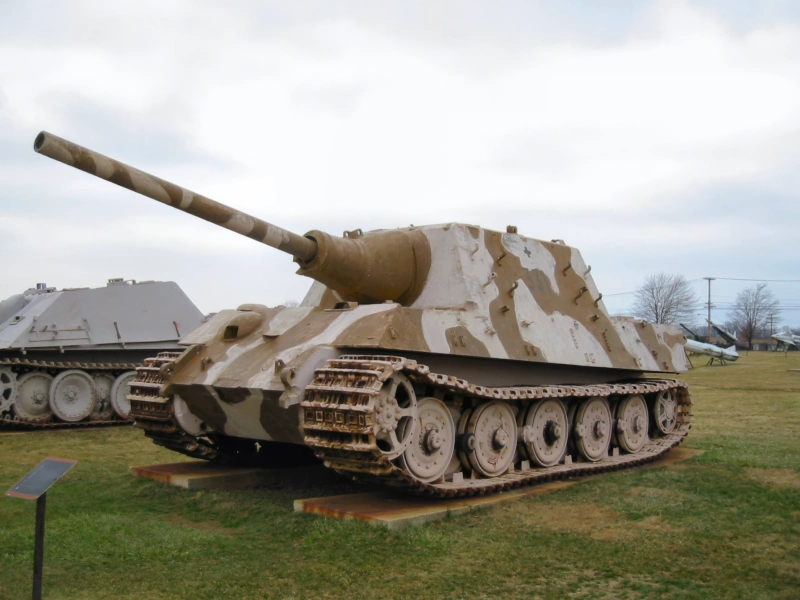
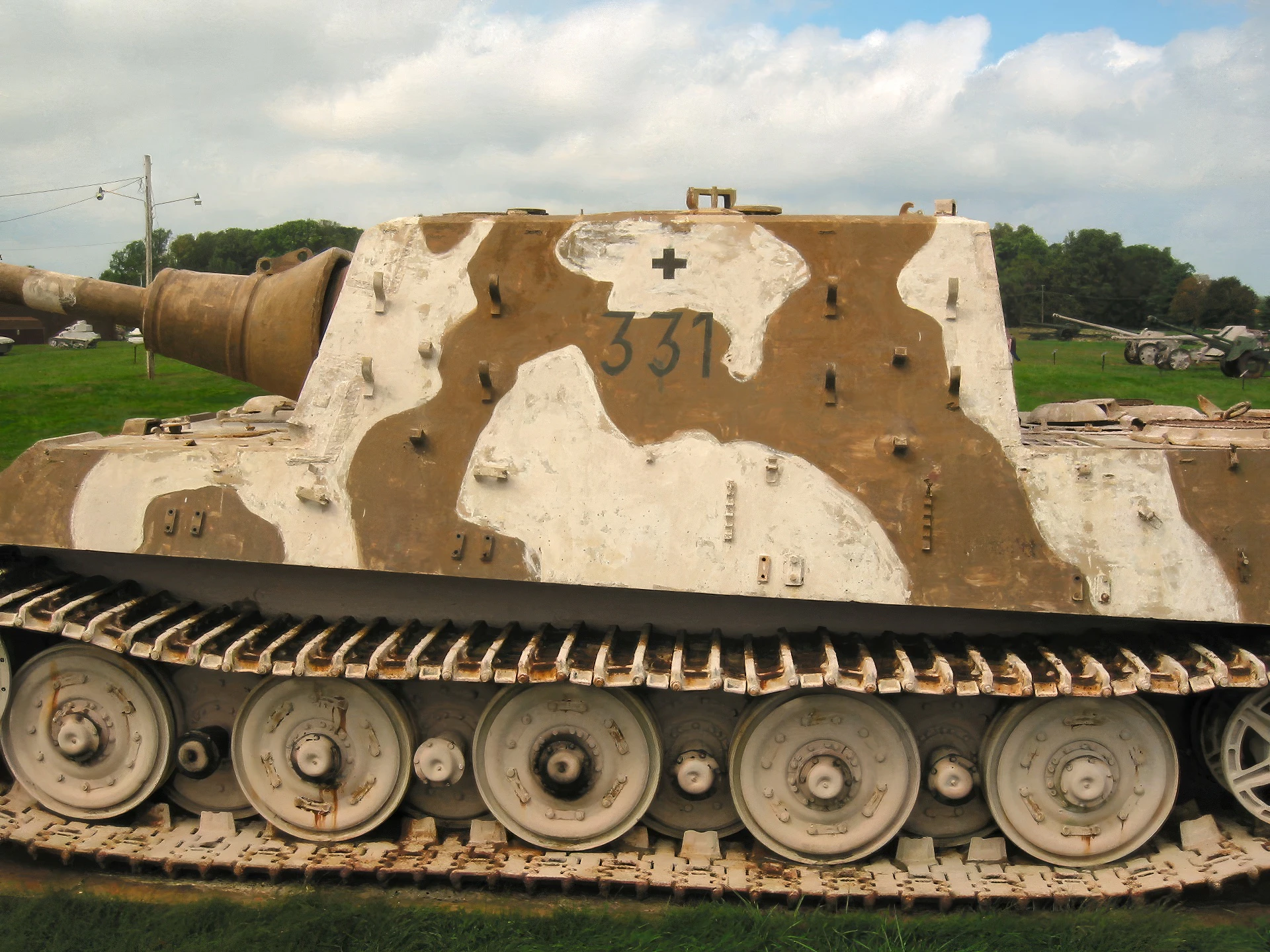
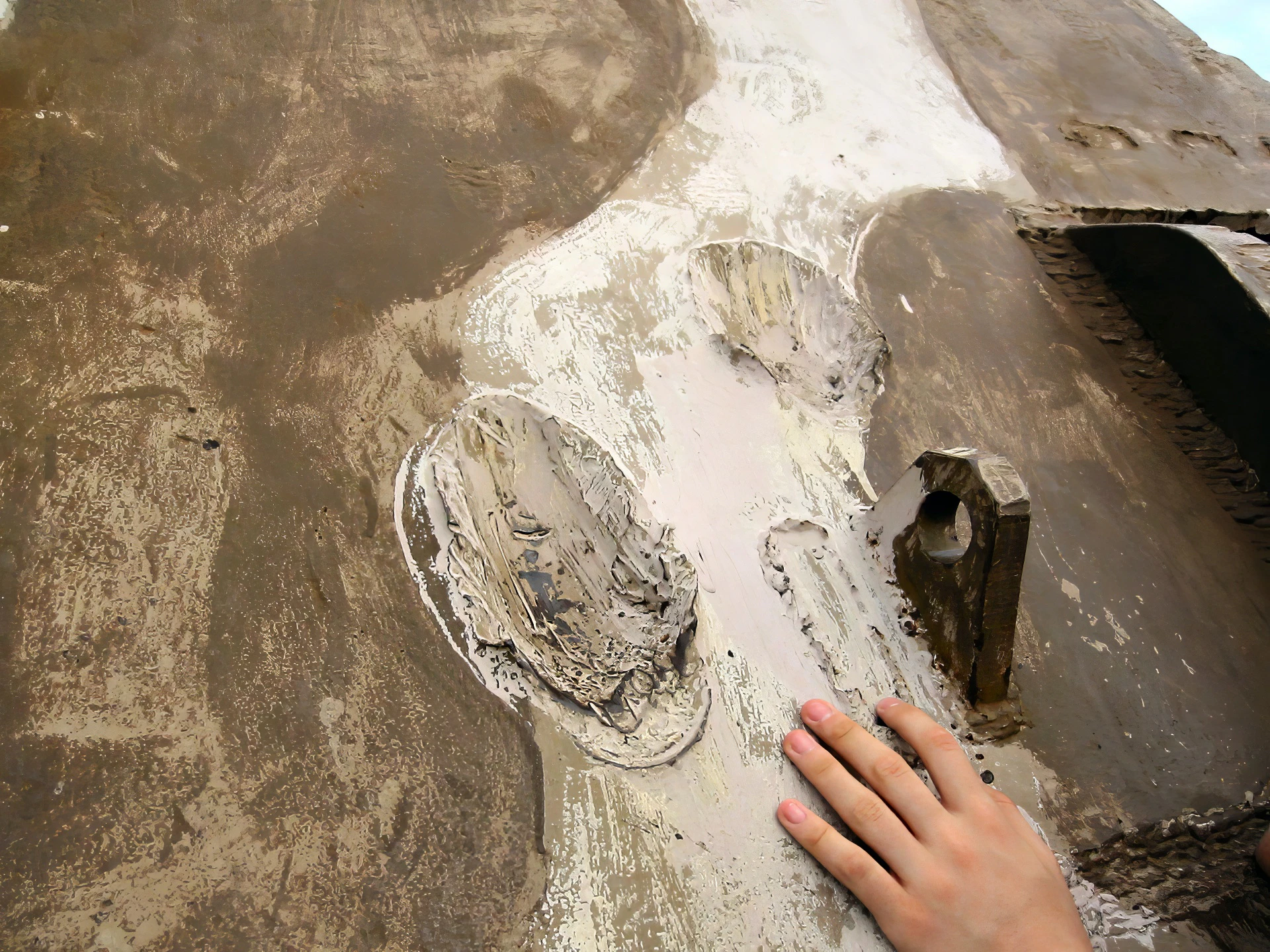
| Περιγραφή | Άλμπουμ 82 φωτογραφίες του "Jagdtiger" |
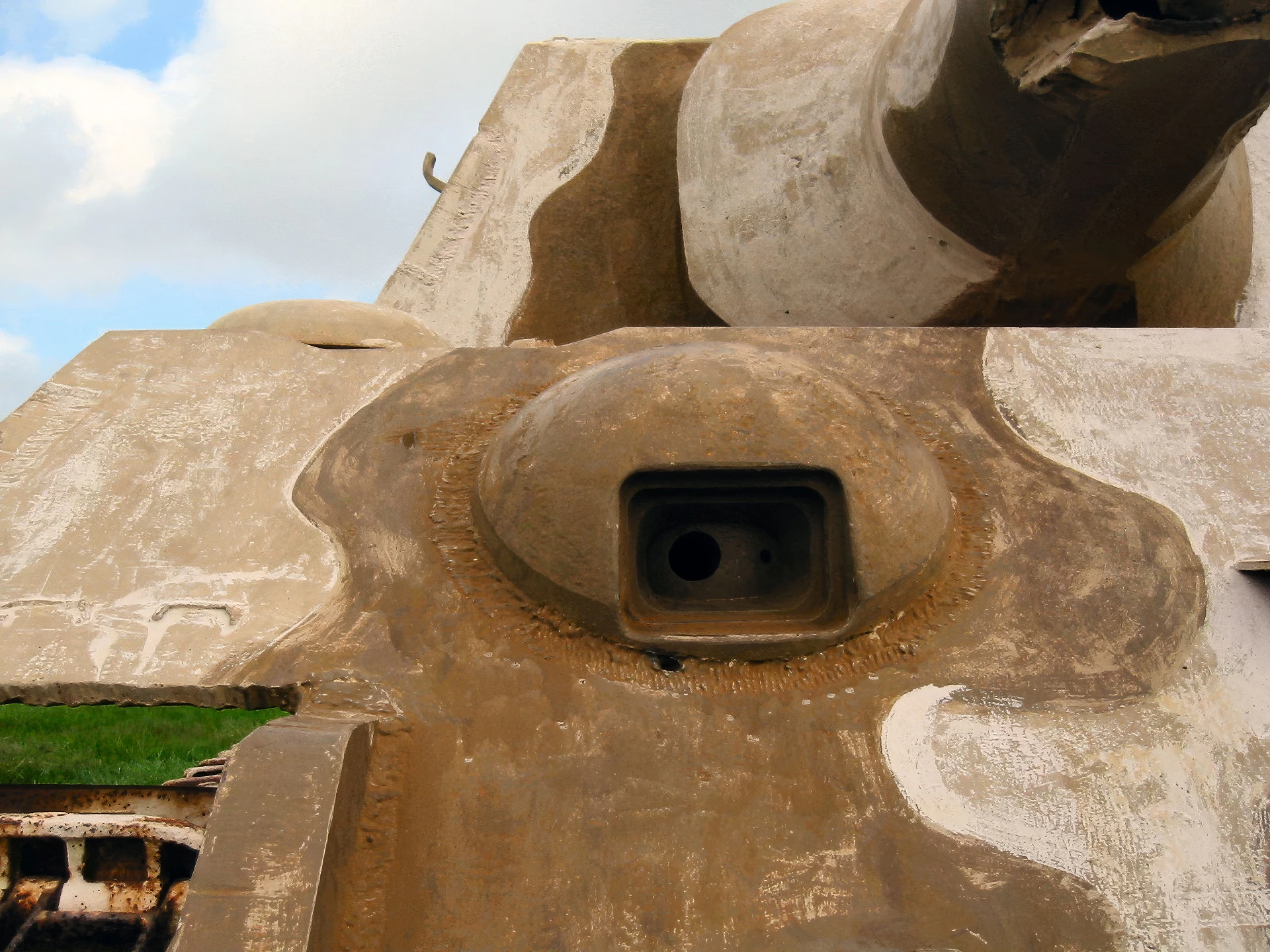
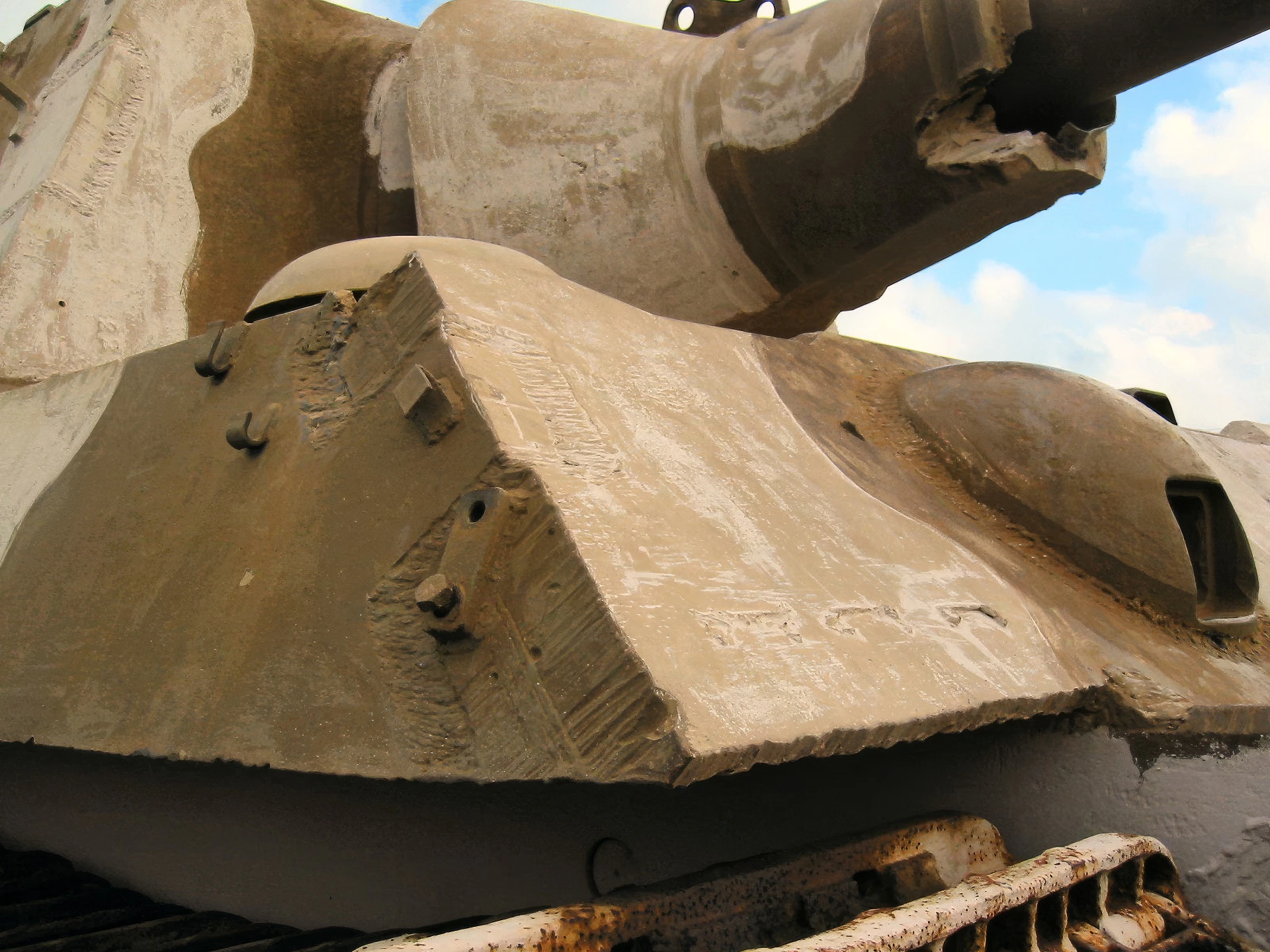
Φωτογραφίες σε ένα Jagdtiger, Το Γιαγκντπάνζερ VI ήταν γερμανικό αντιτορπιλικό δεξαμενών κατά τη διάρκεια του Β 'Παγκοσμίου Πολέμου.




Δείτε επίσης:


Generating the complete, detailed information for the Jagdtiger in HTML code, without using icons, bold markdown, or LaTeX dollar sign sequences ($).
The Jagdtiger (German for “Hunting Tiger”) was a German casemate-type heavy tank destroyer of World War II. Built on a lengthened Tiger II chassis, it was the heaviest armored fighting vehicle (AFV) to be used operationally by any nation during the conflict.
Key Specifications
| Ρόλο | Heavy Tank Destroyer (Panzerjäger) |
|---|---|
| Στην υπηρεσία | Late 1944–1945 |
| Weight (Combat) | ~71–75 metric tons |
| Πλήρωμα | 6 (Commander, Gunner, Driver, Radio Operator, 2 Loaders) |
| Μηχανή | Maybach HL 230 P30 V-12 (700 PS/600 hp) |
| Maximum Speed (Road) | ~21–24 mph (35–38 km/h) |
| Total Built | ~70–85 (from 150 ordered) |
Armament and Firepower
The Jagdtiger was designed around its primary weapon, giving it devastating anti-tank capability:
- Primary Weapon: 12.8 cm Pak 44 L/55 anti-tank gun. This massive cannon could defeat any Allied tank at extreme ranges (up to 4000 meters in reports).
- Ammunition: The 12.8 cm gun used two-part ammunition (projectile and propellant loaded separately), requiring two loaders and resulting in a slow rate of fire.
- Secondary Weapon: One 7.92 mm MG 34 machine gun in a ball mount in the front hull for anti-infantry defense.
The main gun was mounted in a fixed casemate, allowing only a 10 degree horizontal traverse. The entire vehicle had to be repositioned for wider aiming.
Armor and Protection
The armor on the Jagdtiger was virtually impenetrable from the front by contemporary Allied anti-tank weapons.
- Casemate Front: 250 mm (9.8 in) thick, heavily sloped.
- Hull Glacis (Front): 150 mm (5.9 in) thick, sloped.
- Sides and Rear: 80 mm (3.15 in).
The 250 mm frontal armor made the Jagdtiger an exceptionally formidable defensive weapon when entrenched in a prepared ambush position.
Design Flaws and Combat Performance
Design Flaws:
- Excessive Weight and Engine Strain: The vehicle weighed up to 75 tons, but used the same engine as the 19-ton lighter Tiger II, leading to a poor power-to-weight ratio.
- Mechanical Unreliability: The immense weight severely overstressed the engine and transmission, resulting in frequent mechanical breakdowns, often requiring the vehicle to be abandoned or destroyed by its crew.
- Transportation Issues: The size and weight made strategic movement difficult, limiting deployment to areas with strong roads and bridges.
- Gun Alignment: The enormous 12.8 cm gun had to be locked down for travel; off-road movement often caused the barrel to lose alignment with the sights, requiring it to be re-zeroed.
Combat Legacy:
- The Jagdtiger saw service only in small numbers, primarily with the 512th and 653rd heavy tank destroyer battalions, during the final stages of the war.
- Far more Jagdtigers were lost due to mechanical failures, lack of fuel, or crew self-destruction than to enemy fire.
- Despite its unparalleled firepower, its poor reliability and low production numbers prevented it from having any significant strategic impact on the war.
Views : 5384