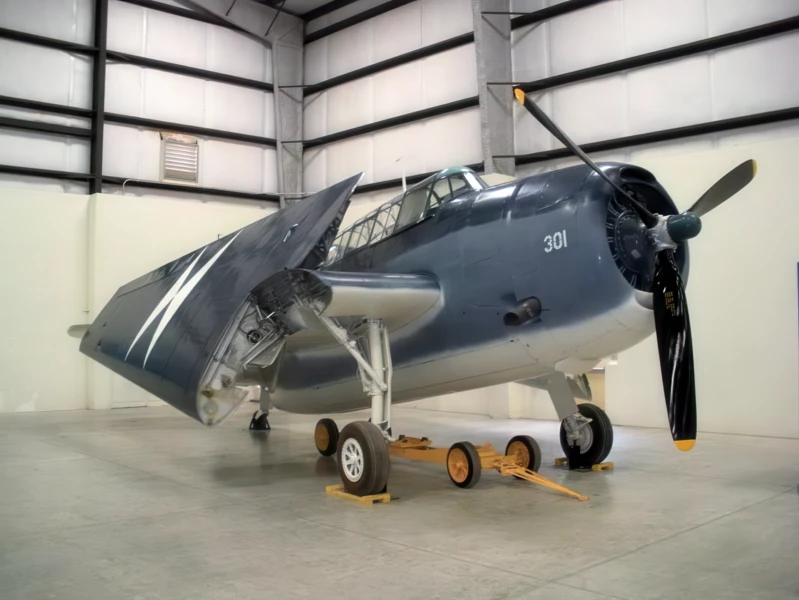
Pomstiteľ TBM-3 | |
|---|---|
| Conutry (Konutry) | Spojené štáty americké |
| Typ | Torpédový bombardér |
| Prvý let | 7. augusta 1941 |
| Postavený | 9839 |
The Grumman TBF Avenger (designated TBM for aircraft manufactured by General Motors) is an American torpedo bomber developed initially for the United States Navy and Marine Corps, and eventually used by several air and naval aviation services around the world. The Avenger entered U.S. service in 1942, and first saw action during the Battle of Midway. Despite the loss of five of the six Avengers on its combat debut, it survived in service to become one of the outstanding torpedo bombers of World War II. Greatly modified after the war, it remained in use until the 1960s
Zdrojový: TBM-3 Pomstiteľ naWikipedia
| Pomstiteľ TBM-3 | |
|---|---|
| Fotograf | Neznáme |
| Lokalizácia | Neznáme |
| Fotografie | 39 |
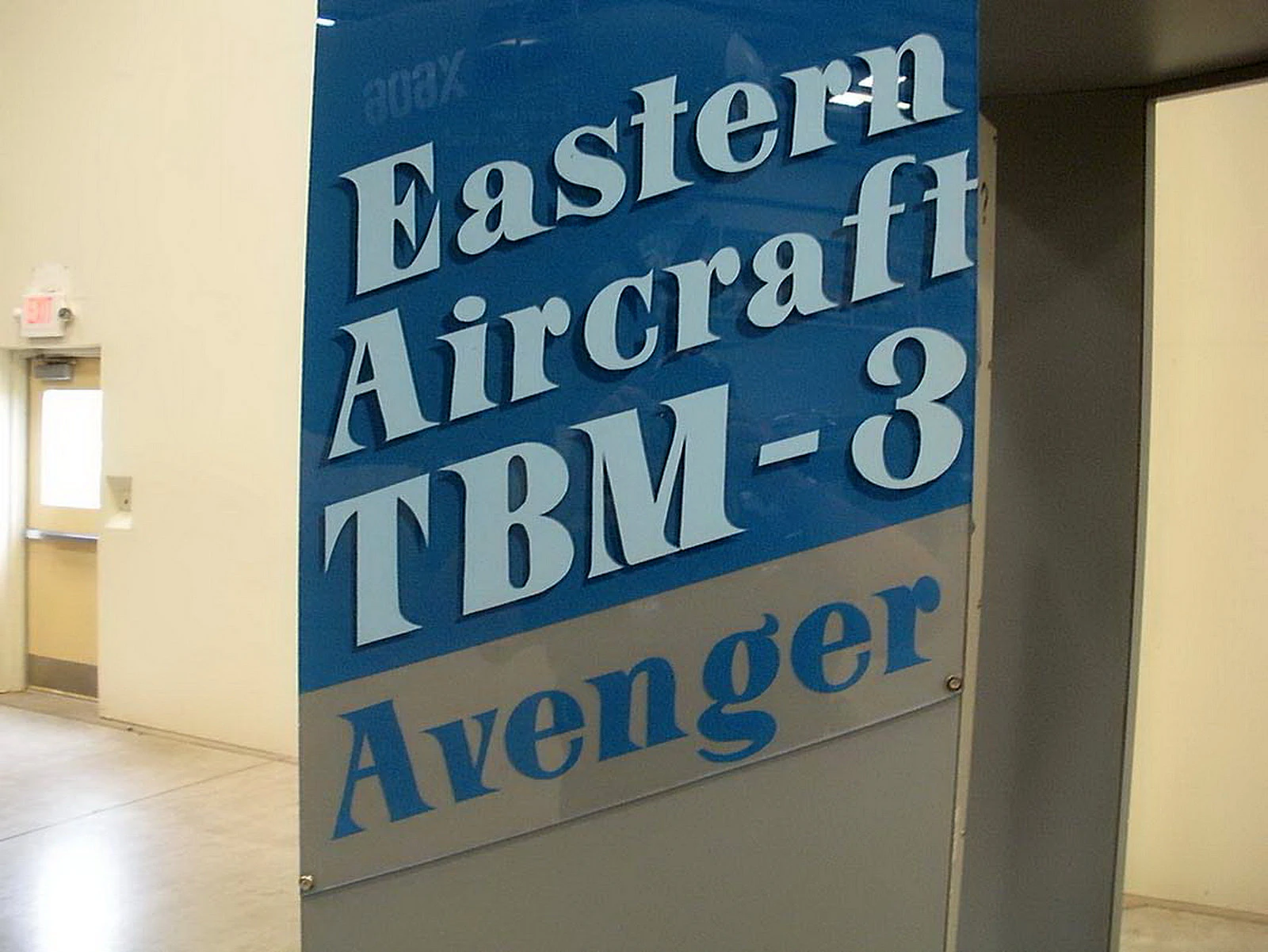
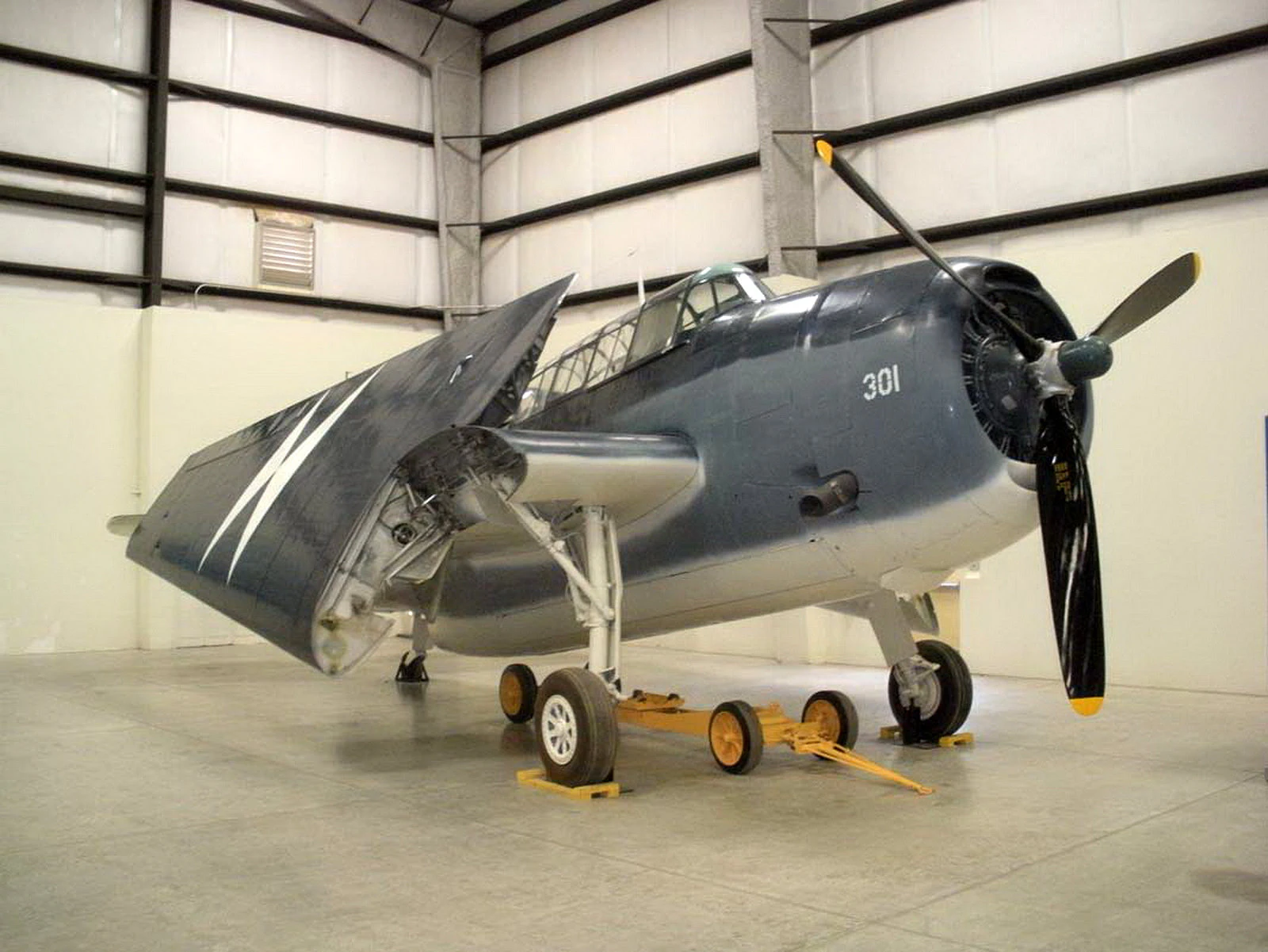
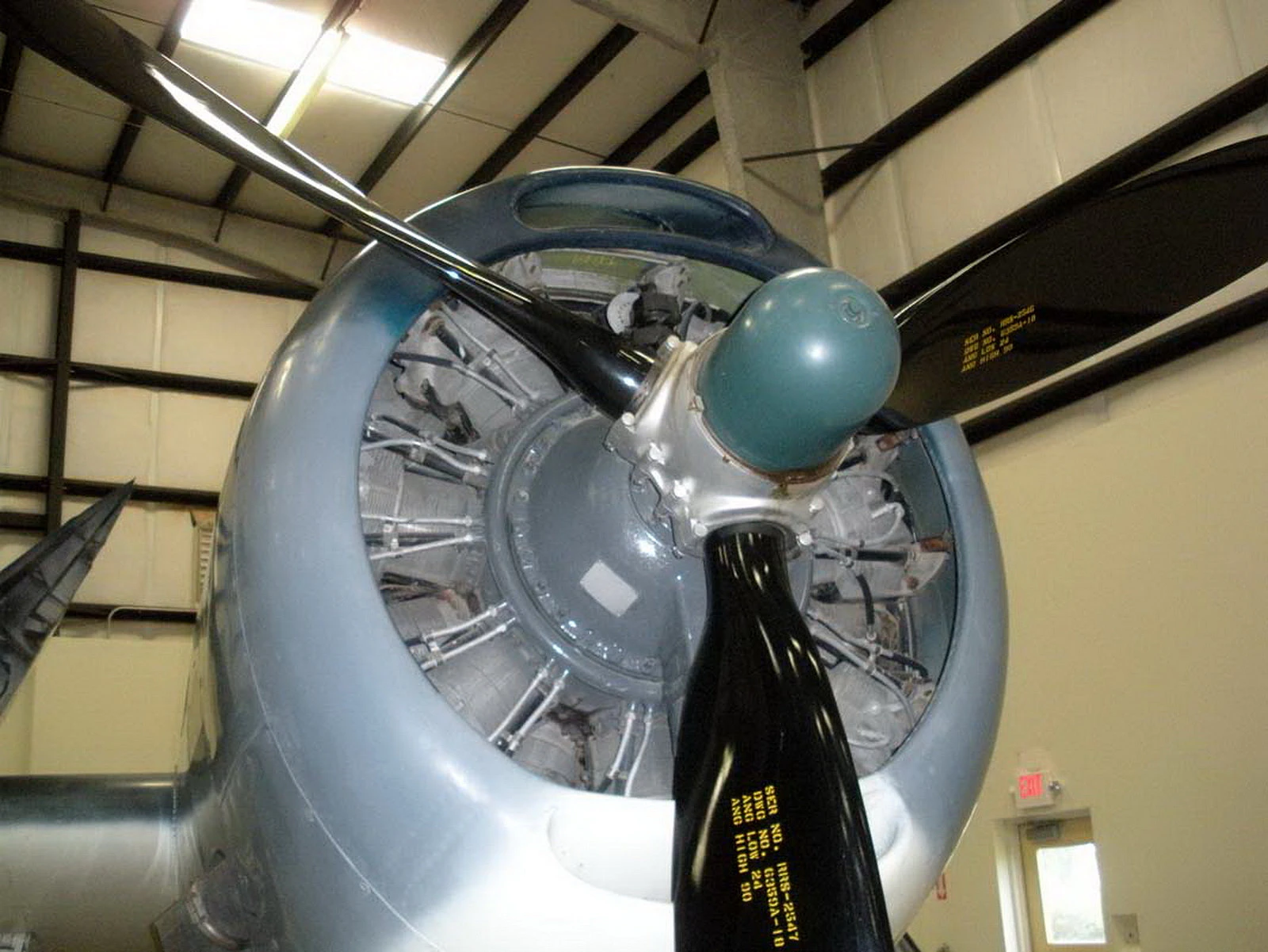
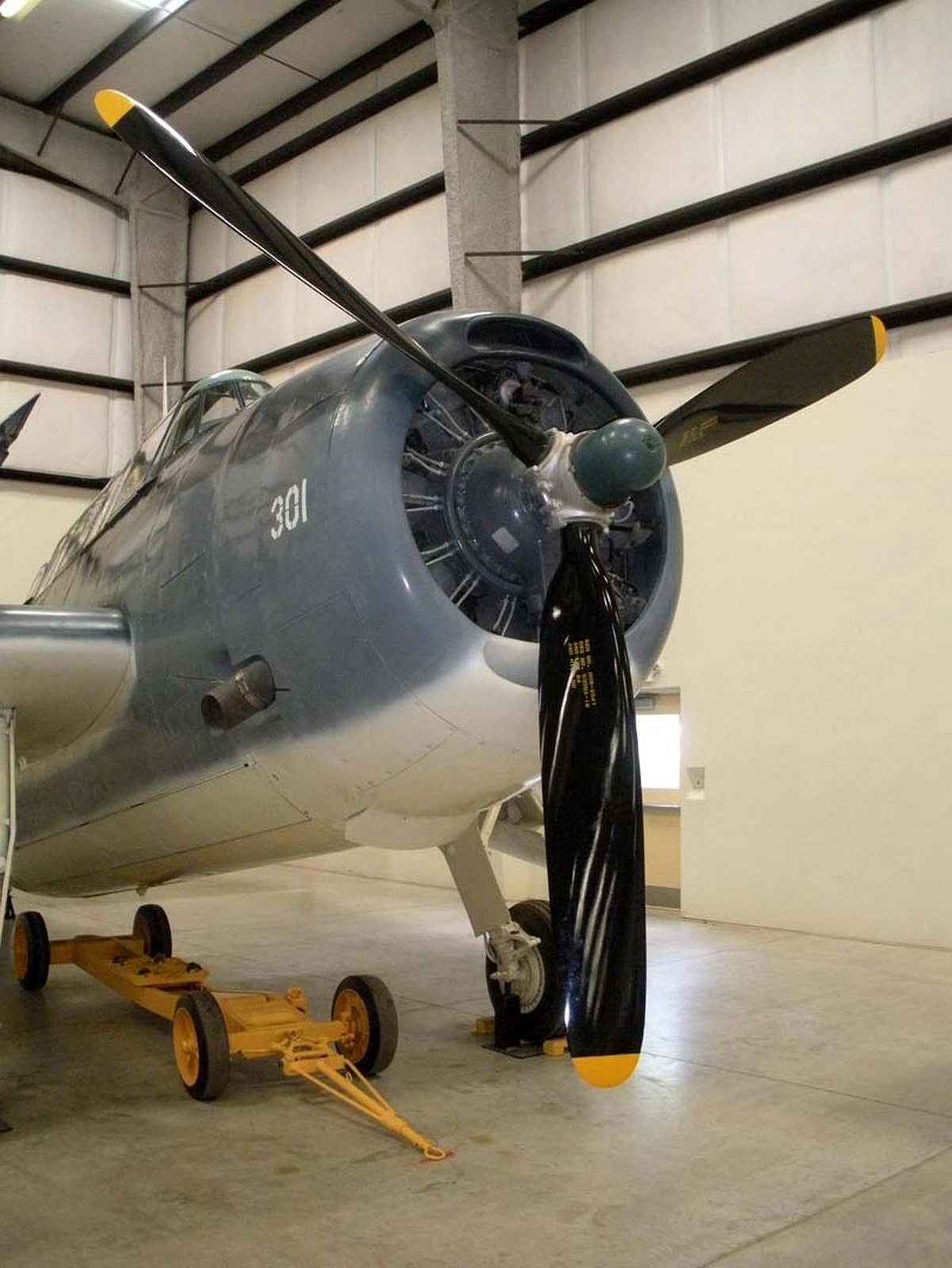
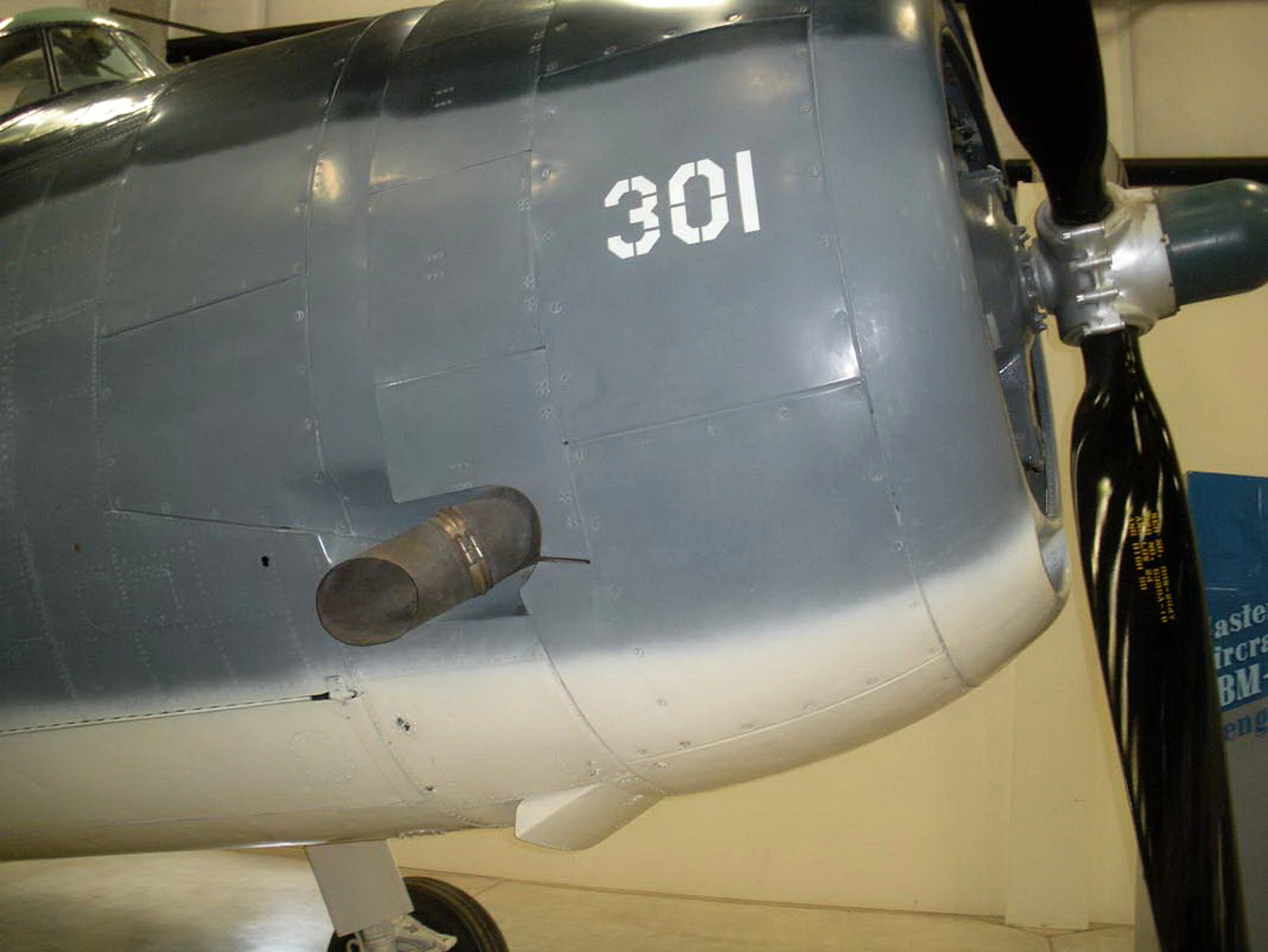
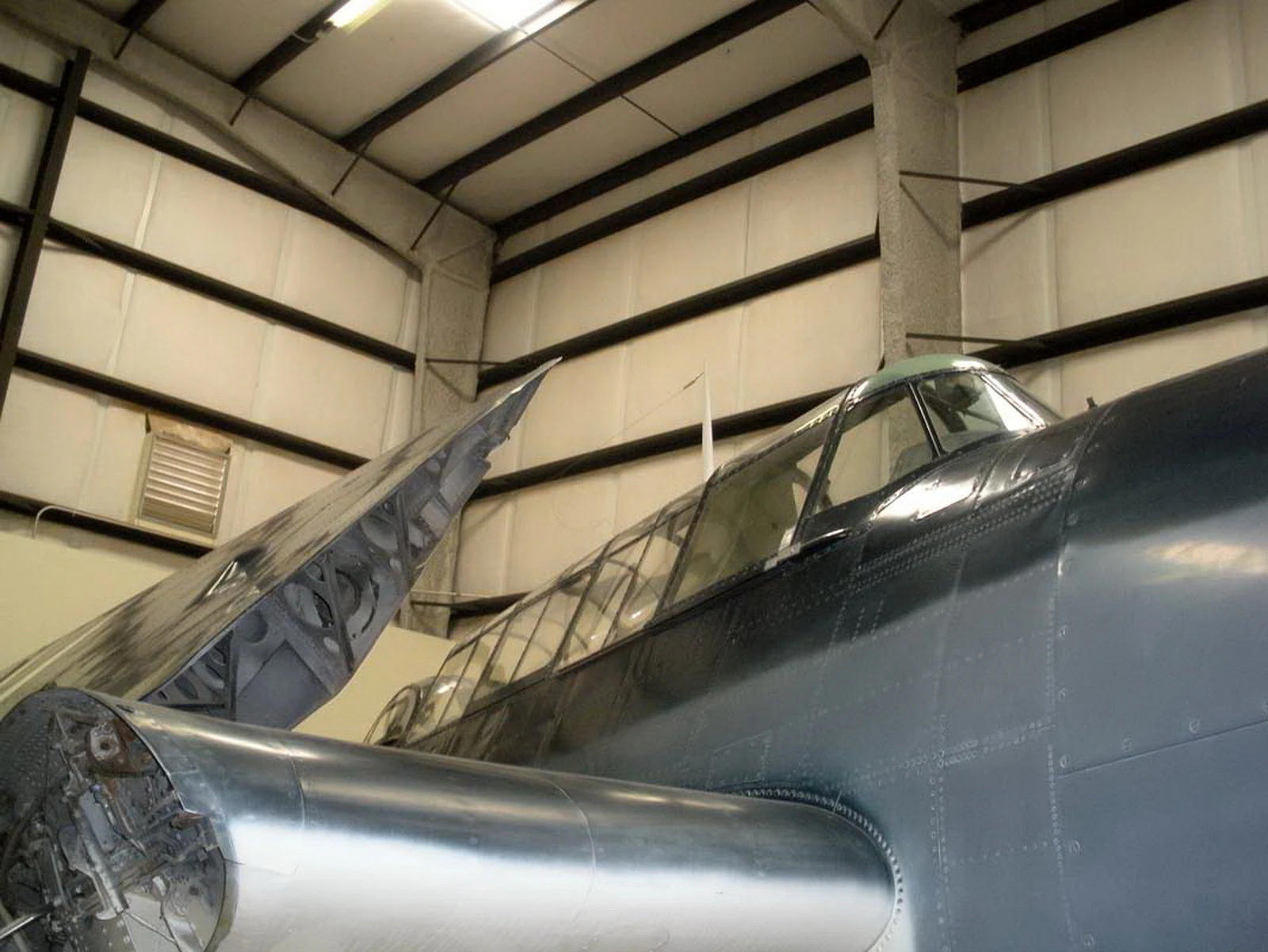
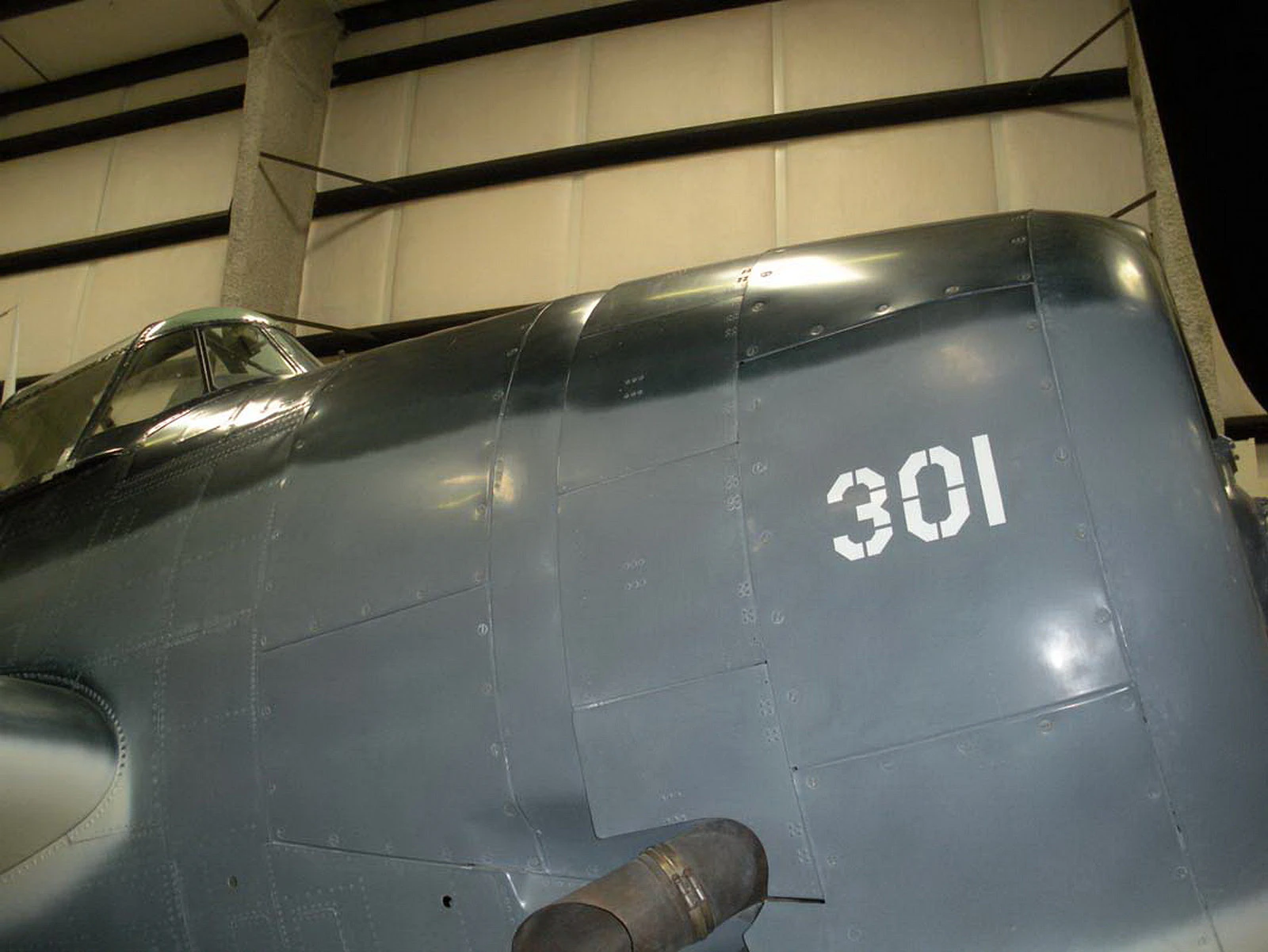
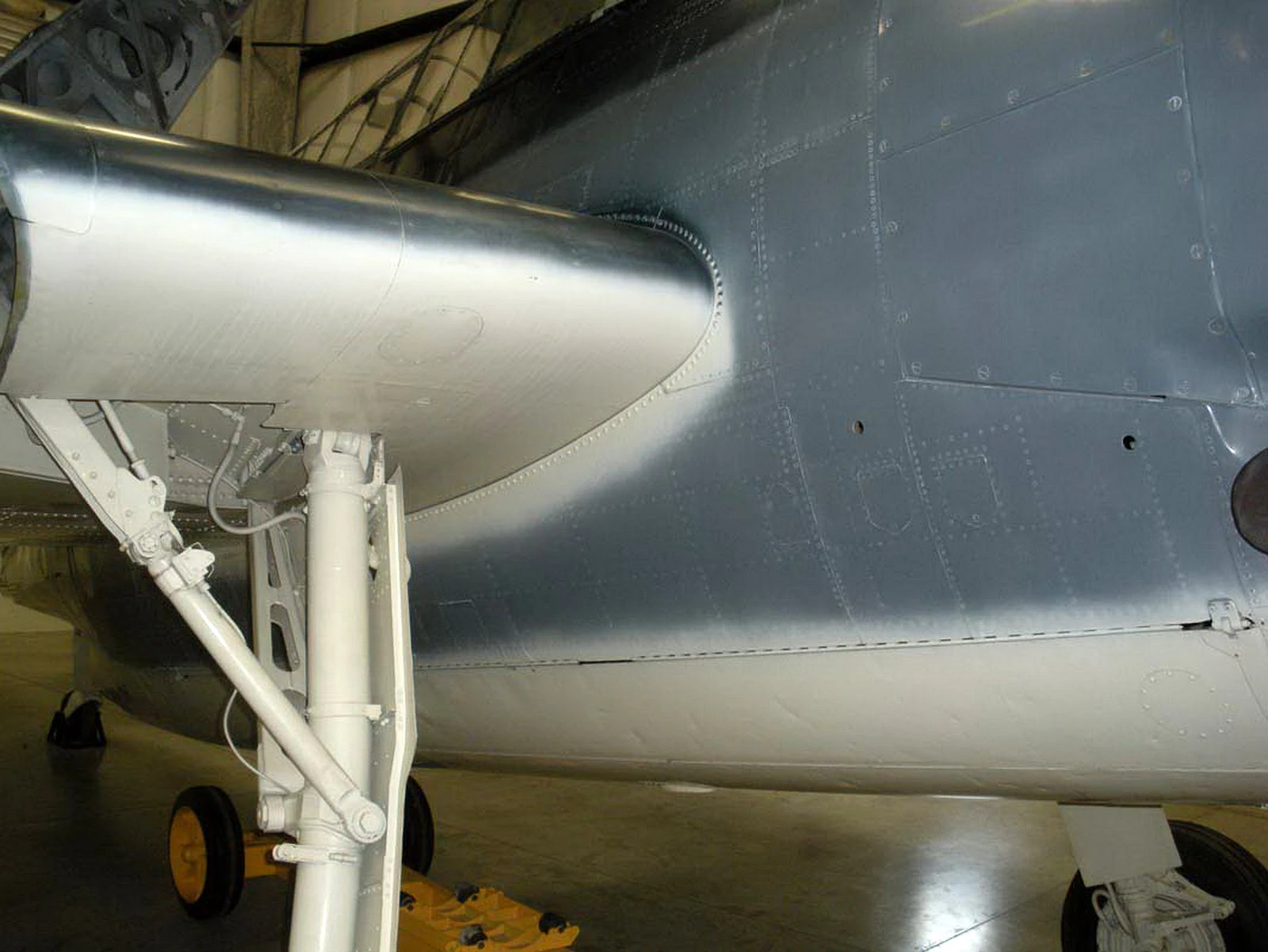
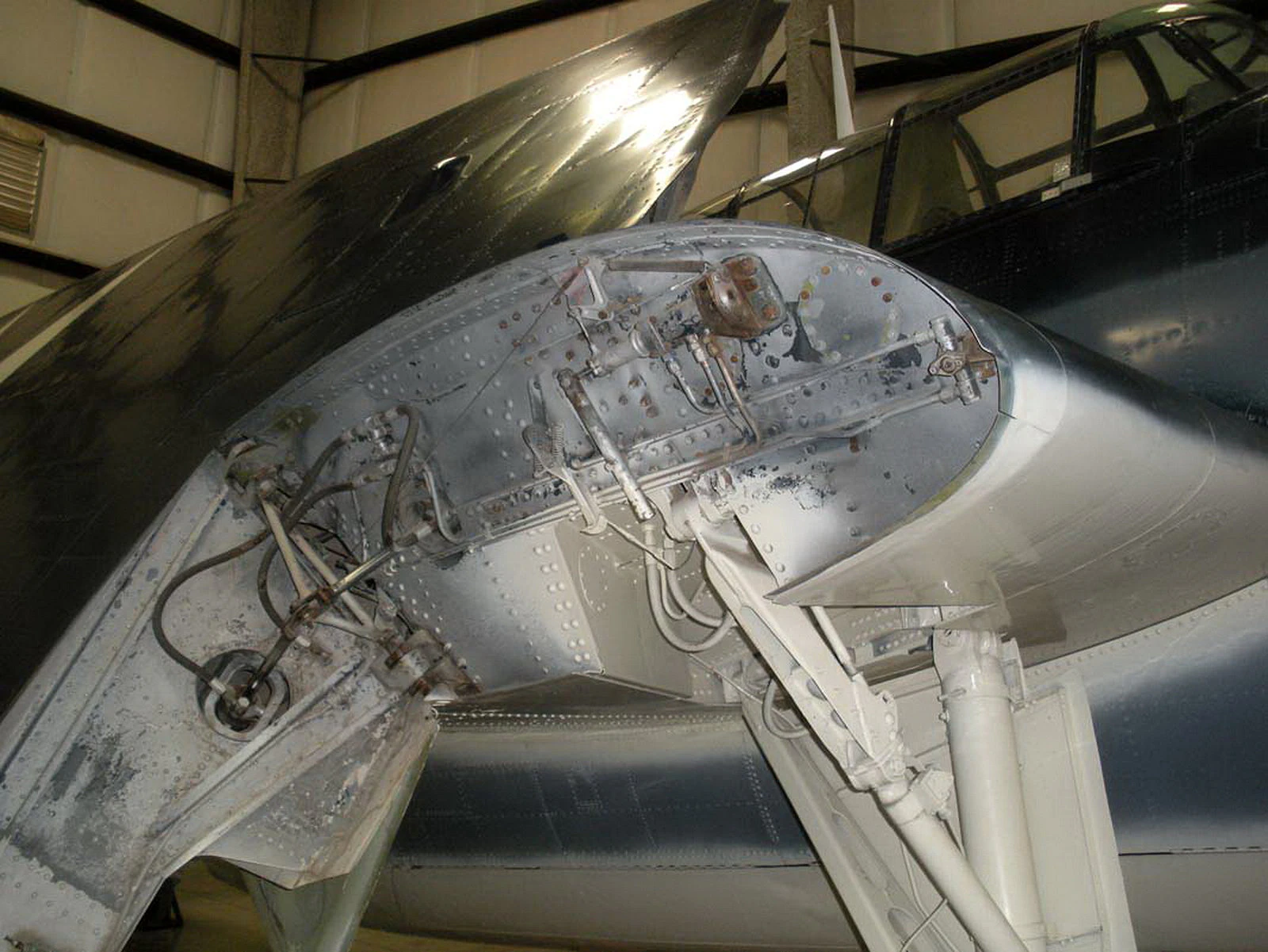

| Grumman TBM-3 Pomstiteľ chodiť | |
|---|---|
| Fotograf | Neznáme |
| Lokalizácia | Neznáme |
| Fotografie | 45 |
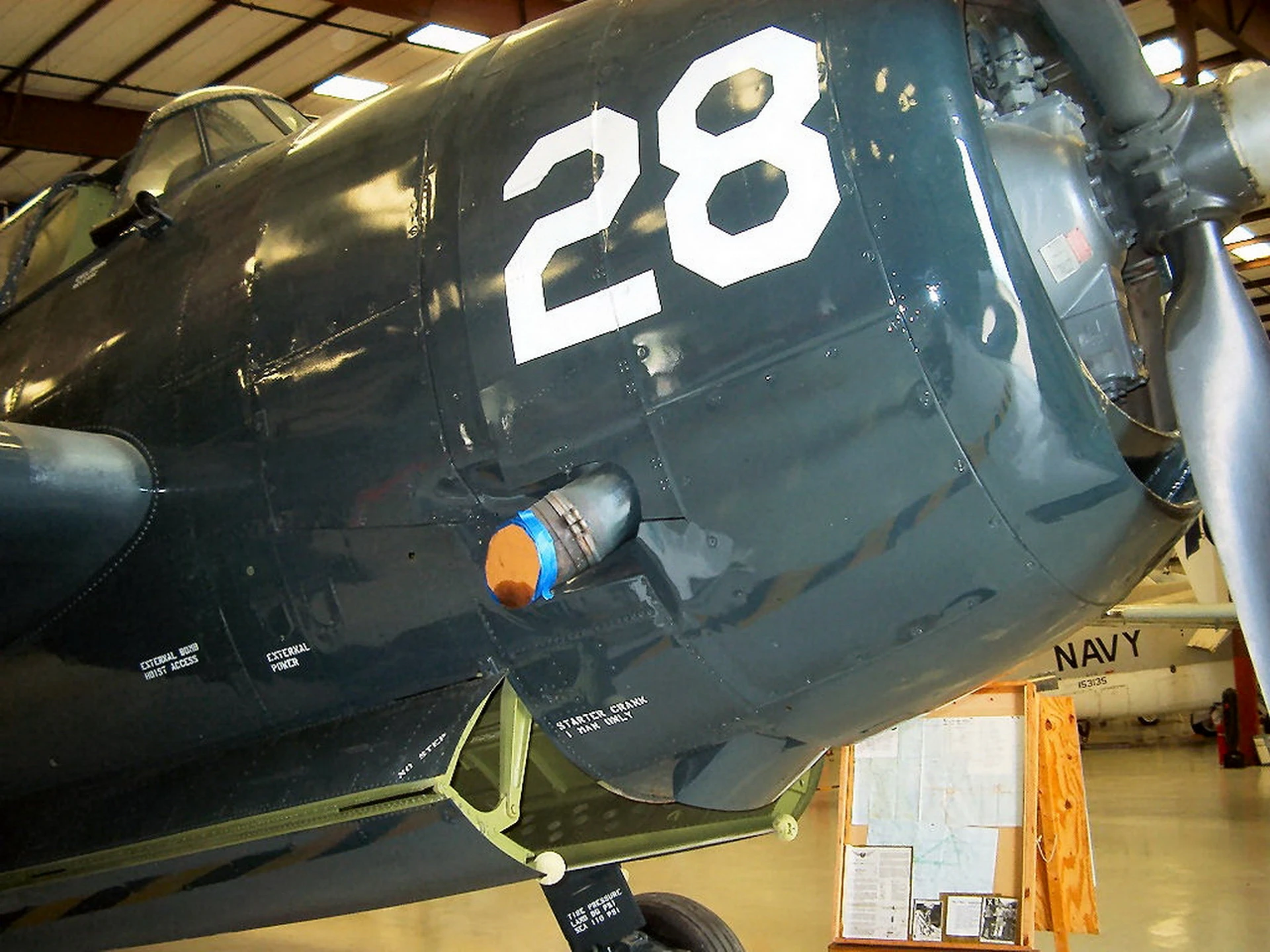
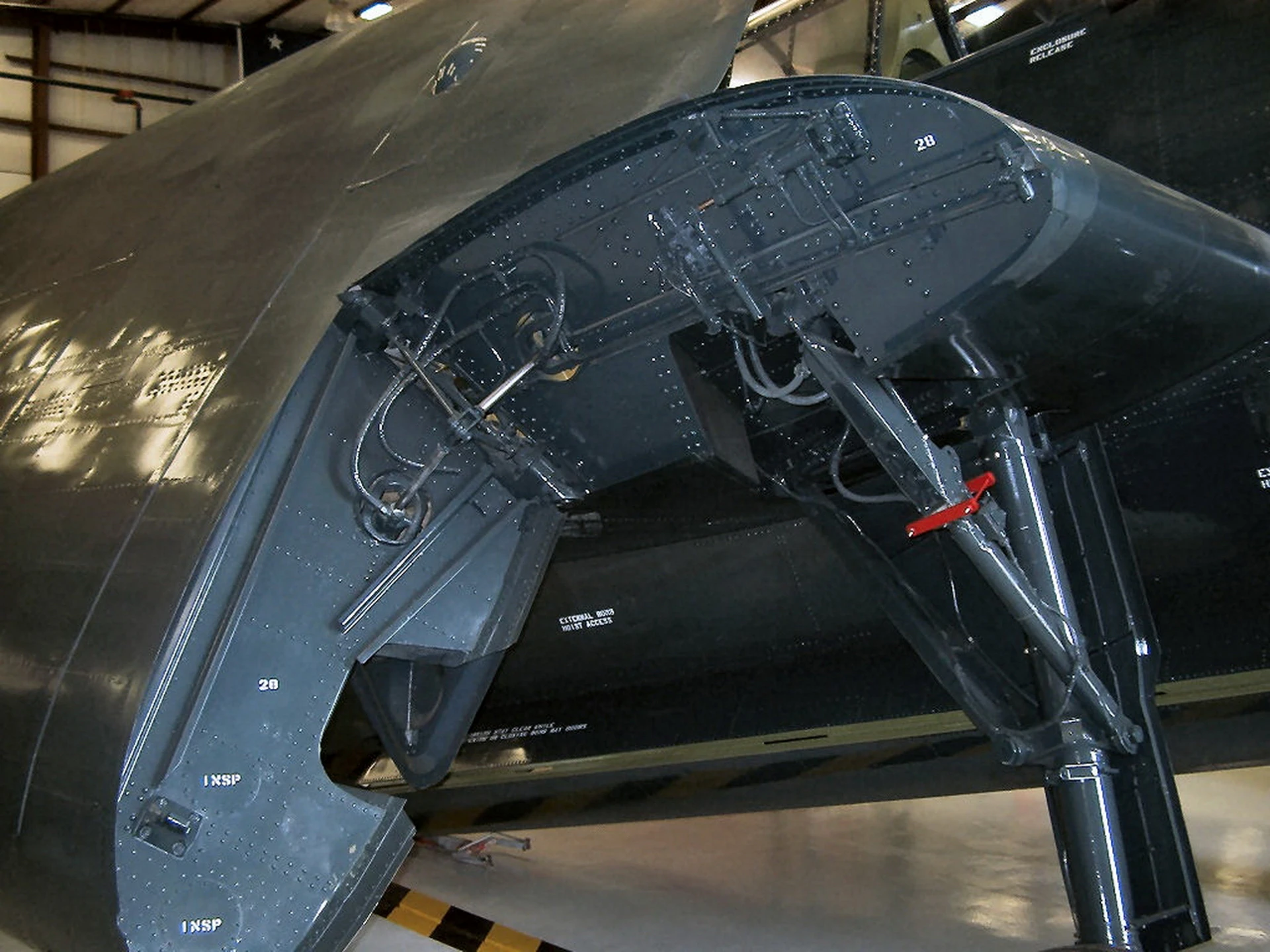
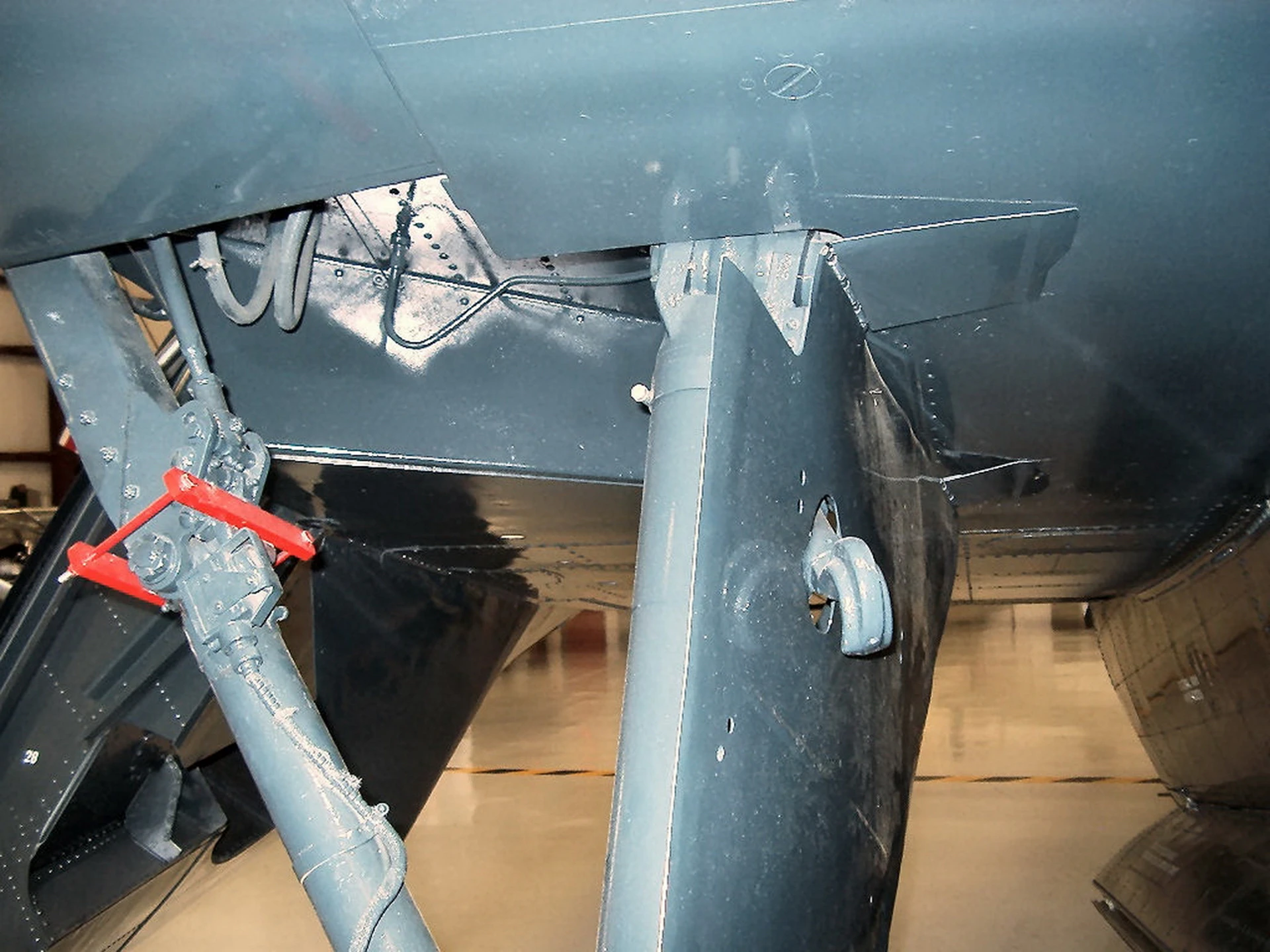
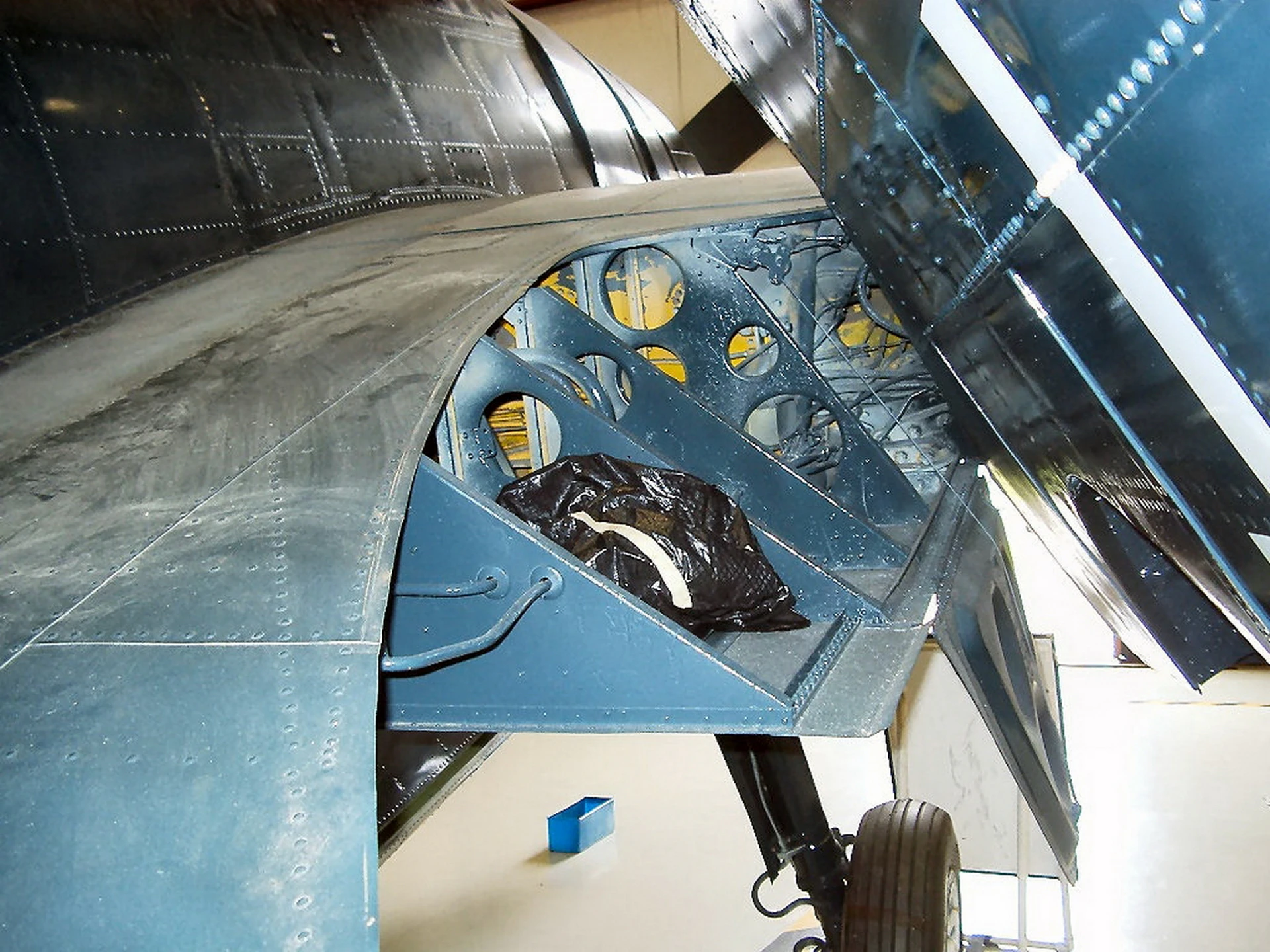
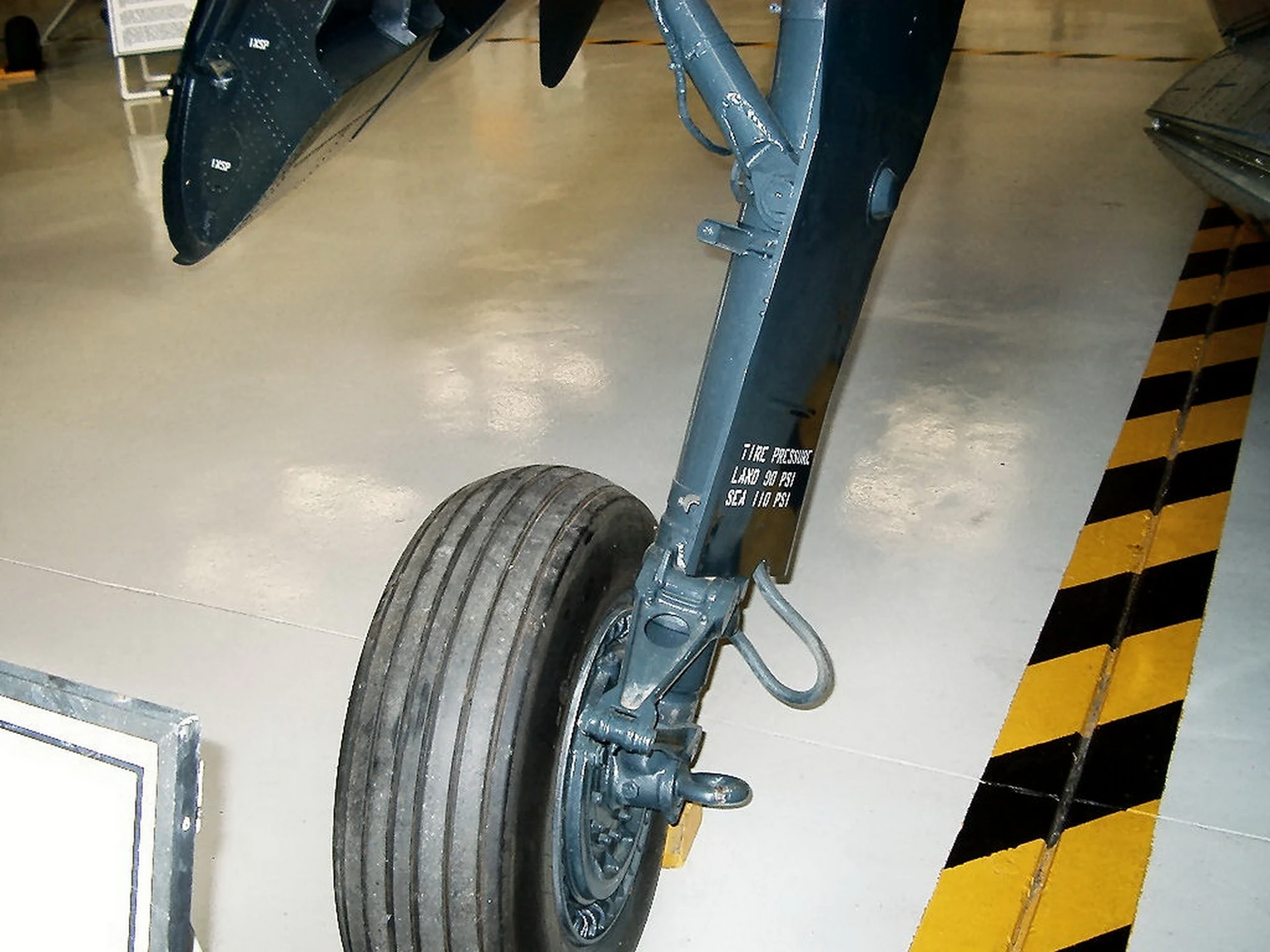
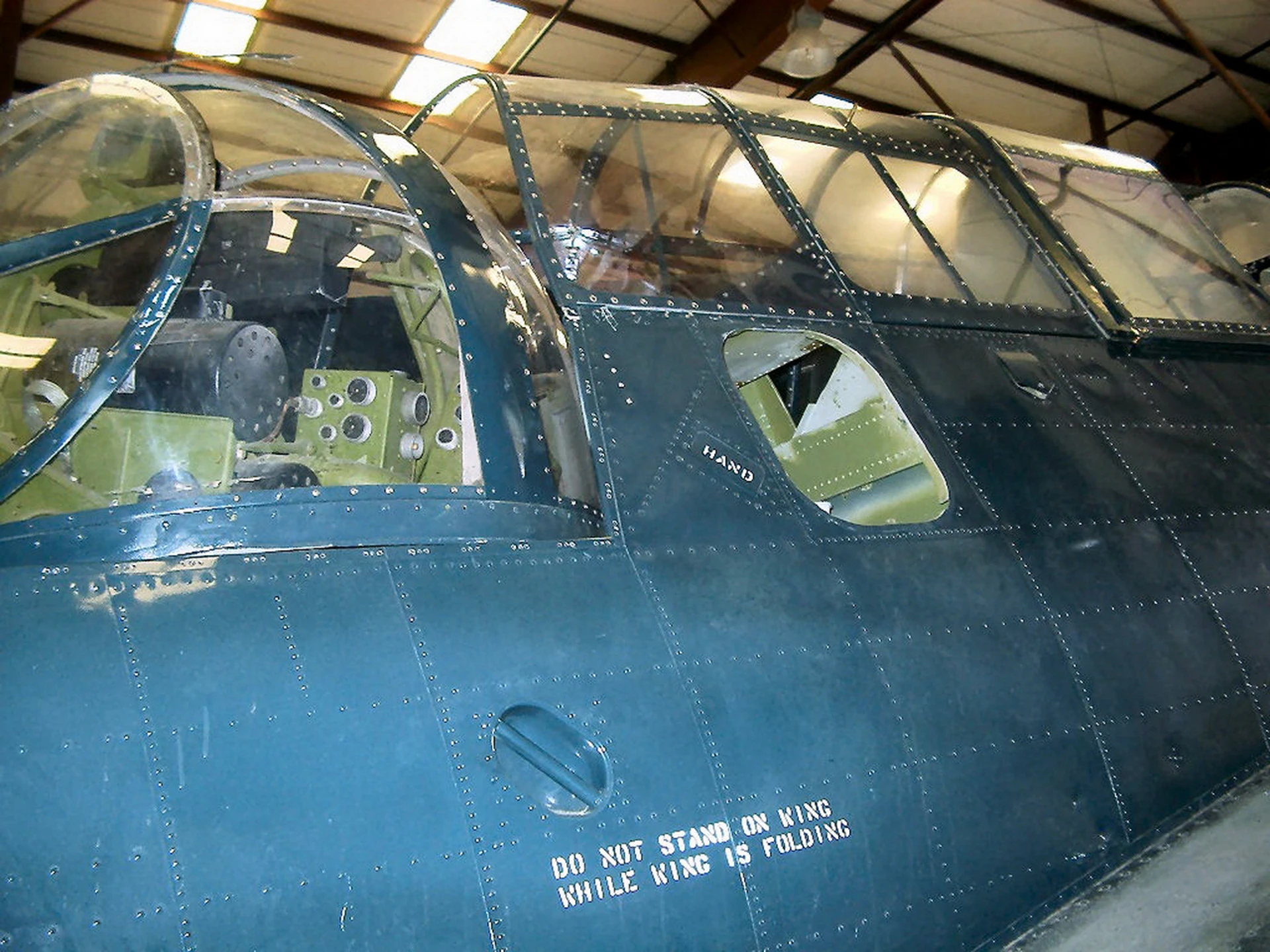
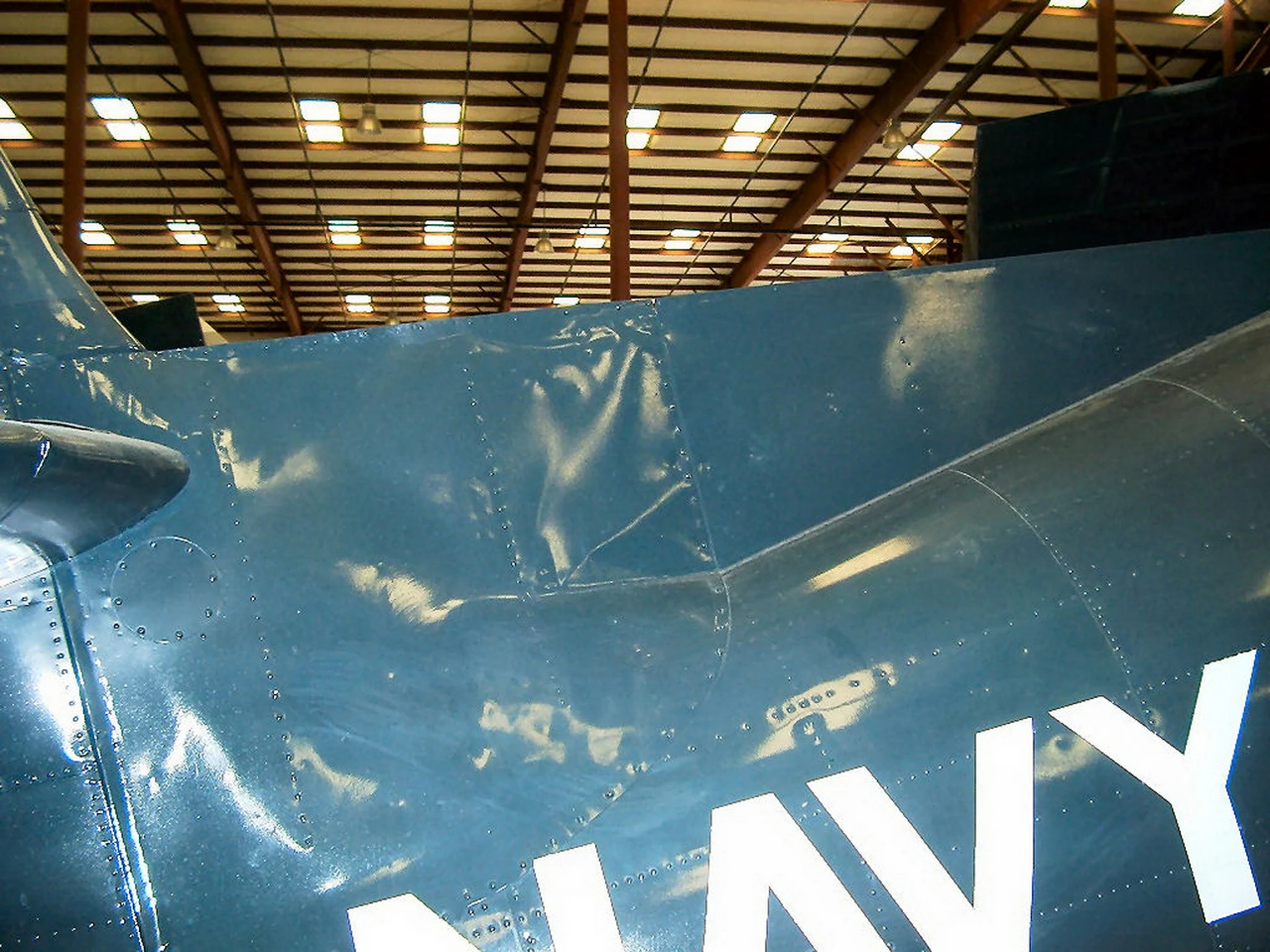
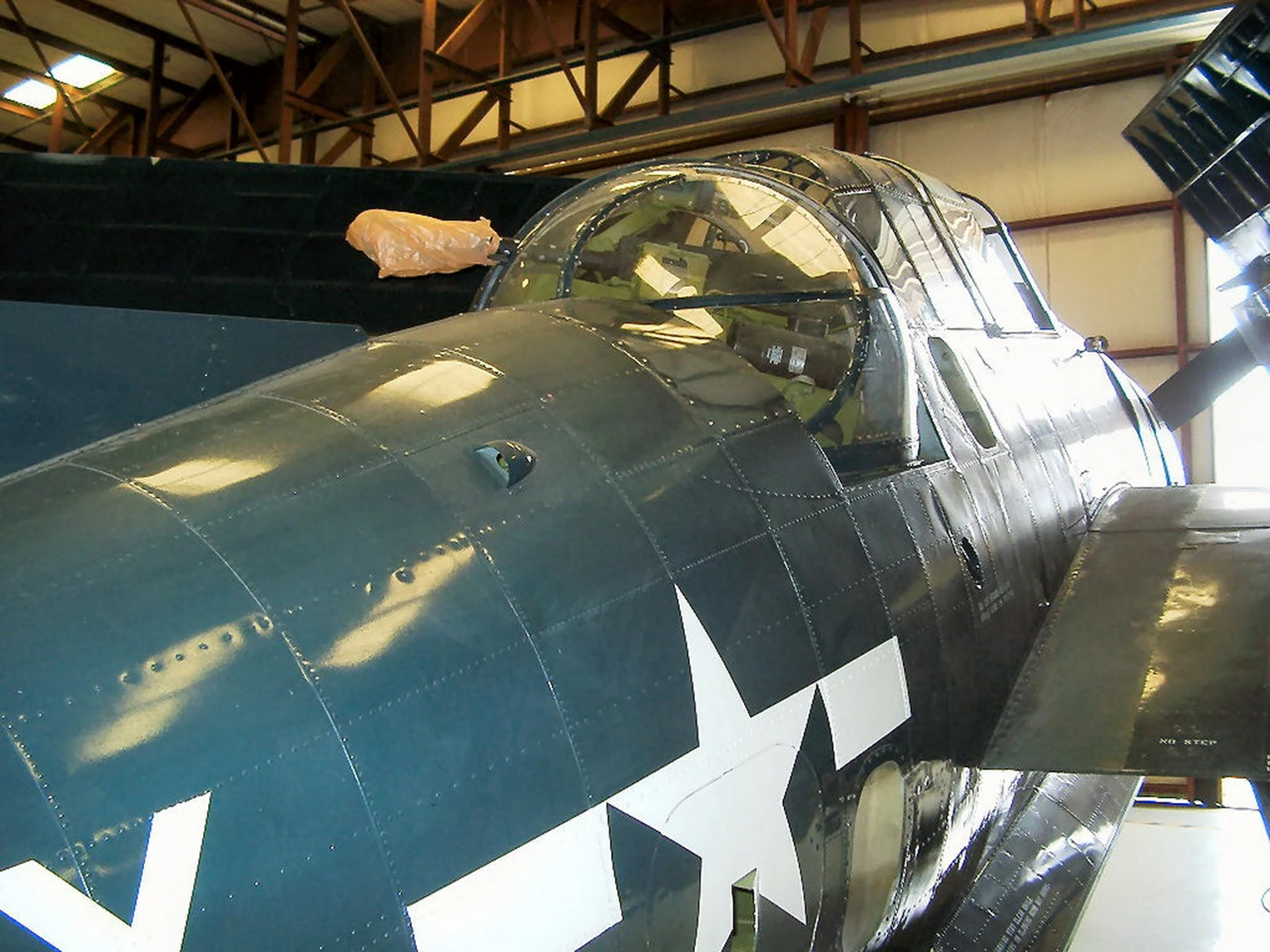
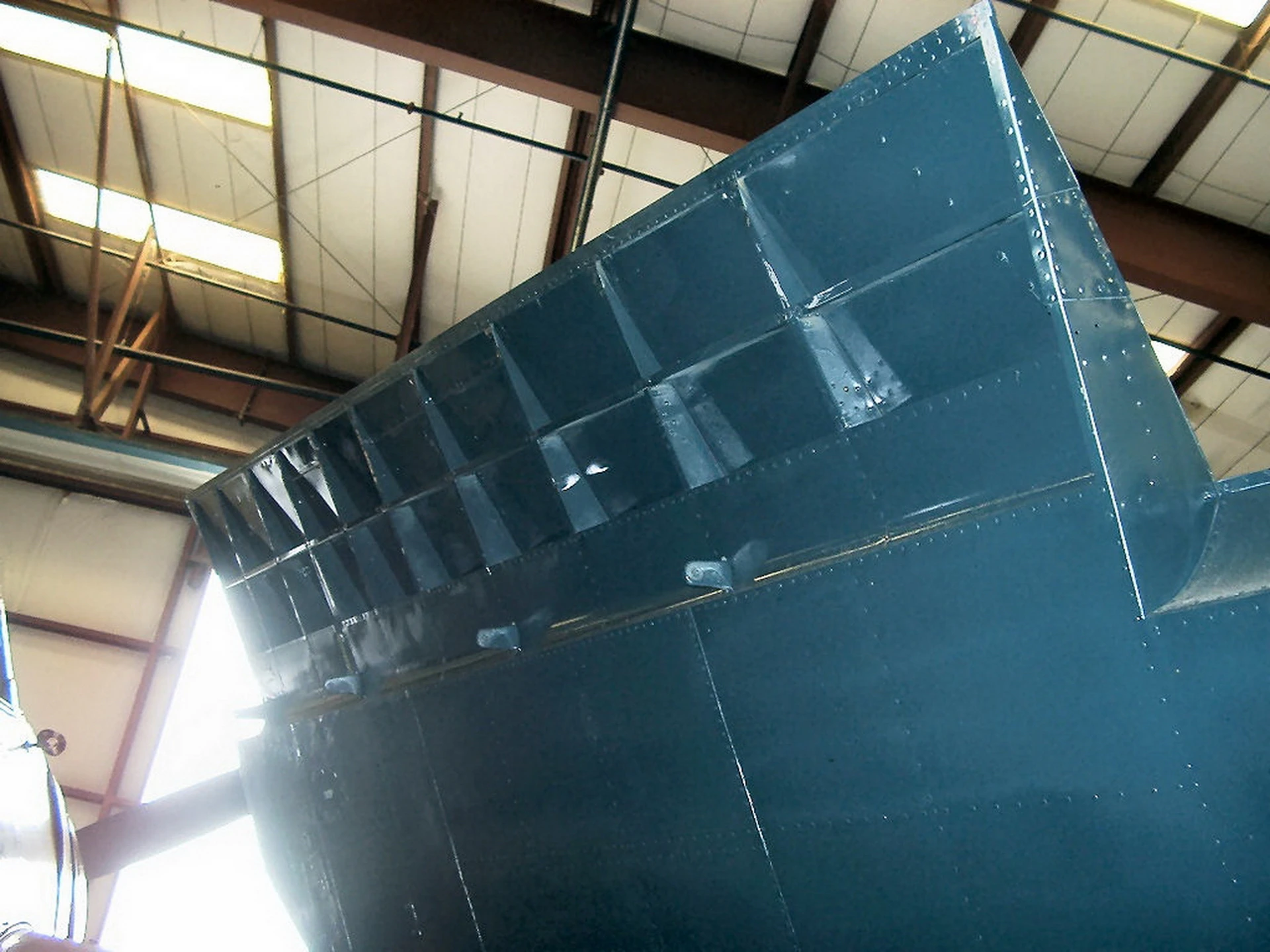
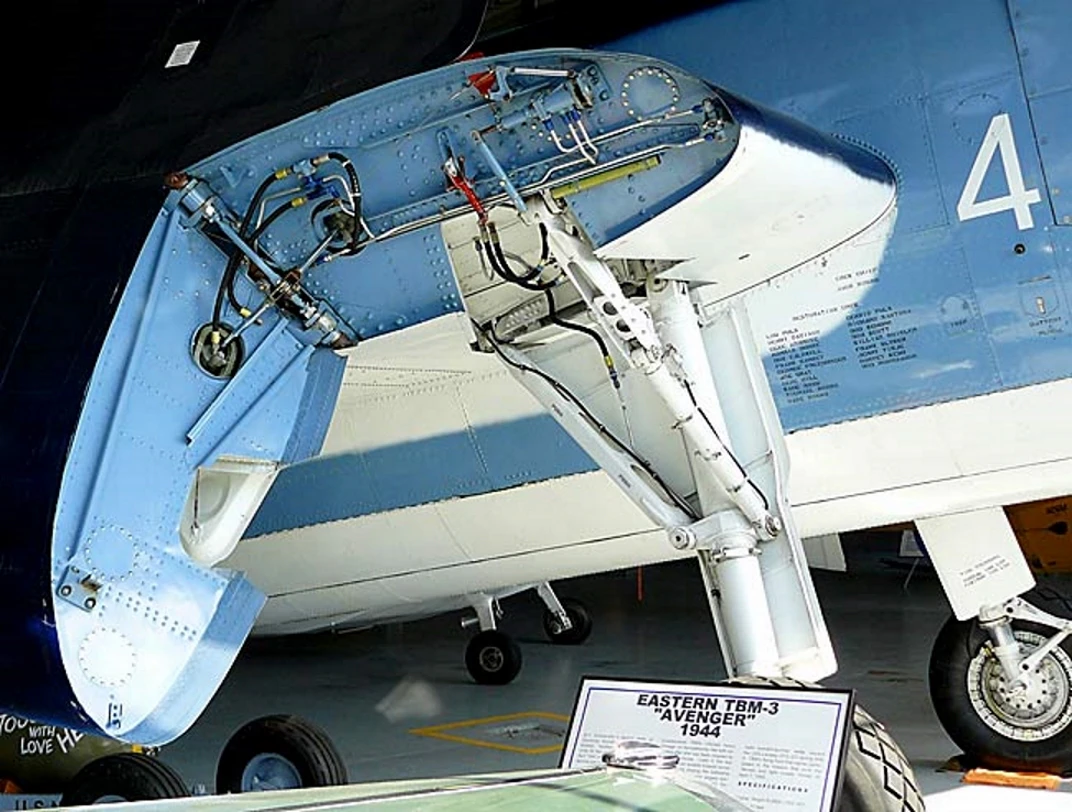
| Grumman Eastern TBM-3 Avenger Chodiť | |
|---|---|
| Fotograf | Neznáme |
| Lokalizácia | Neznáme |
| Fotografie | 23 |
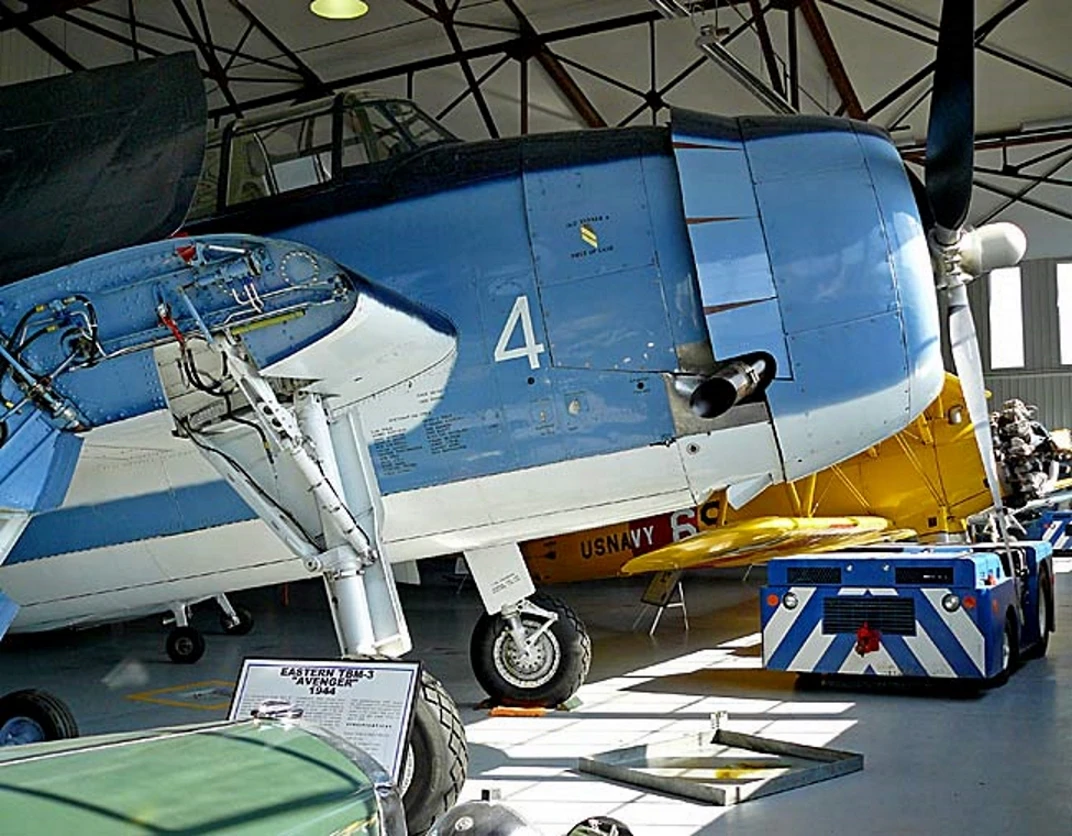
Pozri tiež:


The Behemoth of the Carrier Deck
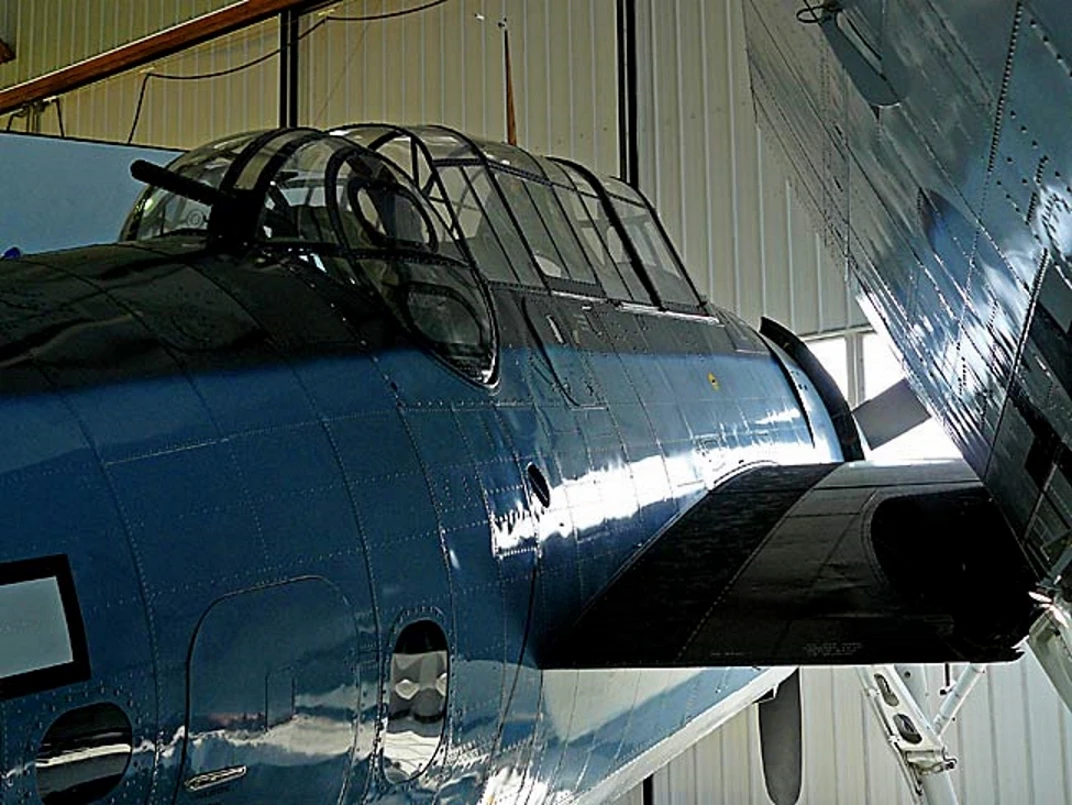
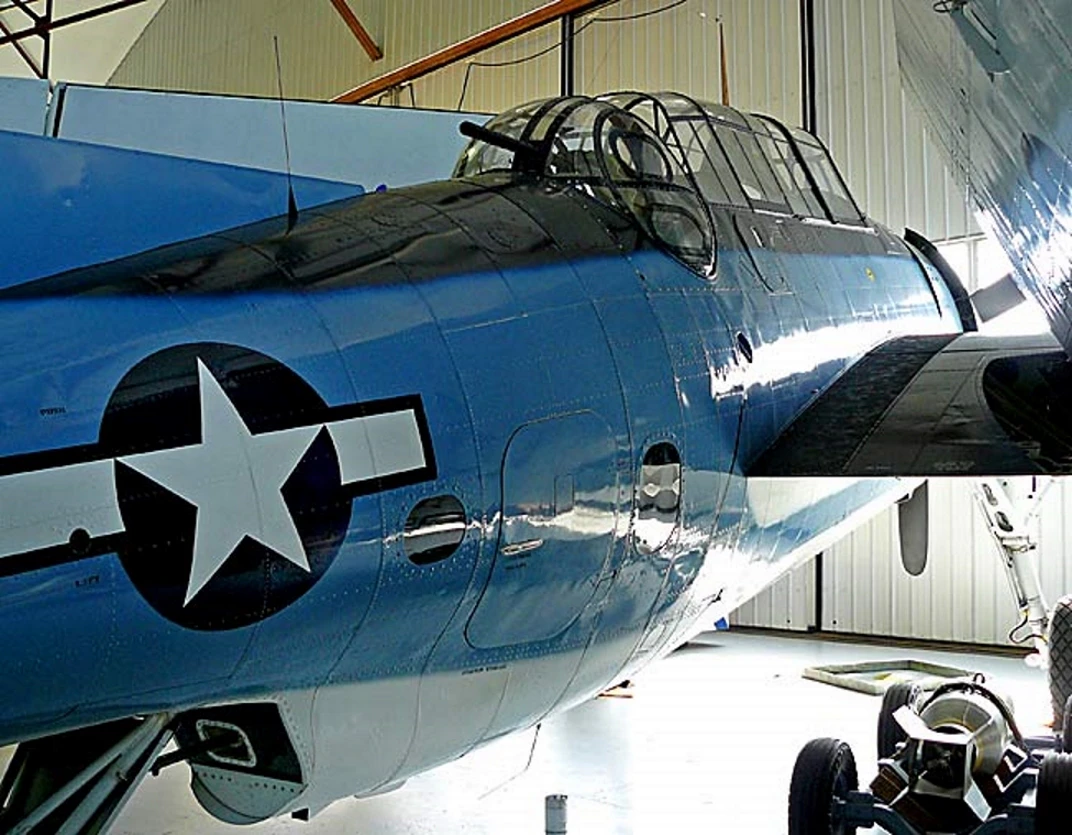
Komisia Pomstiteľ TBM-3 was the ultimate evolution of Grumman’s rugged torpedo bomber. While Grumman designed the aircraft (originally the TBF), production was handed over to the General Motors Eastern Aircraft Division (hence the “M” in TBM) so Grumman could focus on building Hellcat fighters. The TBM-3 was the “hot rod” version, featuring a significantly more powerful engine and strengthened wings. Despite its lumbering appearance and unglamorous nickname, the “Turkey” was a versatile apex predator that sank the two largest battleships in history—the Yamato ako aj Musashi—and served as the primary instrument of American naval air power until the war’s end.
| Attribute | Technical Specification (TBM-3) |
|---|---|
| Úlohu | Torpedo Bomber / Light Bomber / ASW |
| Posádky | 3 (Pilot, Turret Gunner, Radioman/Bombardier) |
| Motor | 1 × Wright R-2600-20 Cyclone 14 radial (1,900 hp) |
| Maximálna rýchlosť | 444 km/h (276 mph) at 16,500 ft |
| Max Takeoff Weight | 8,115 kg (17,895 lbs) — The “heaviest” of its class |
| Combat Range | 1,625 km (1,010 miles) |
| Internal Armament | 1 × Mark 13 Torpedo OR 2,000 lbs of bombs/mines |
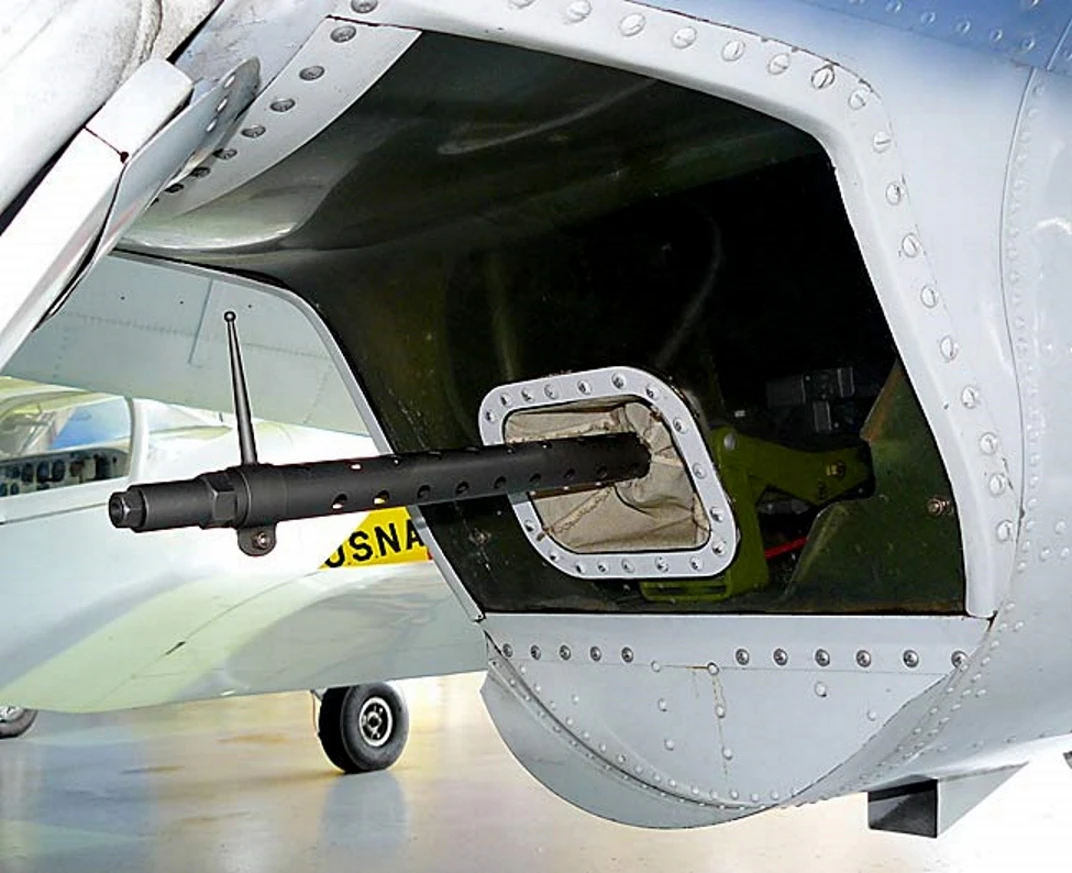
| Defensive Guns | 2 × .50 cal (Wings), 1 × .50 cal (Dorsal Turret), 1 × .30 cal (Ventral) |
Design Engineering: Sto-Wings and the Power Turret
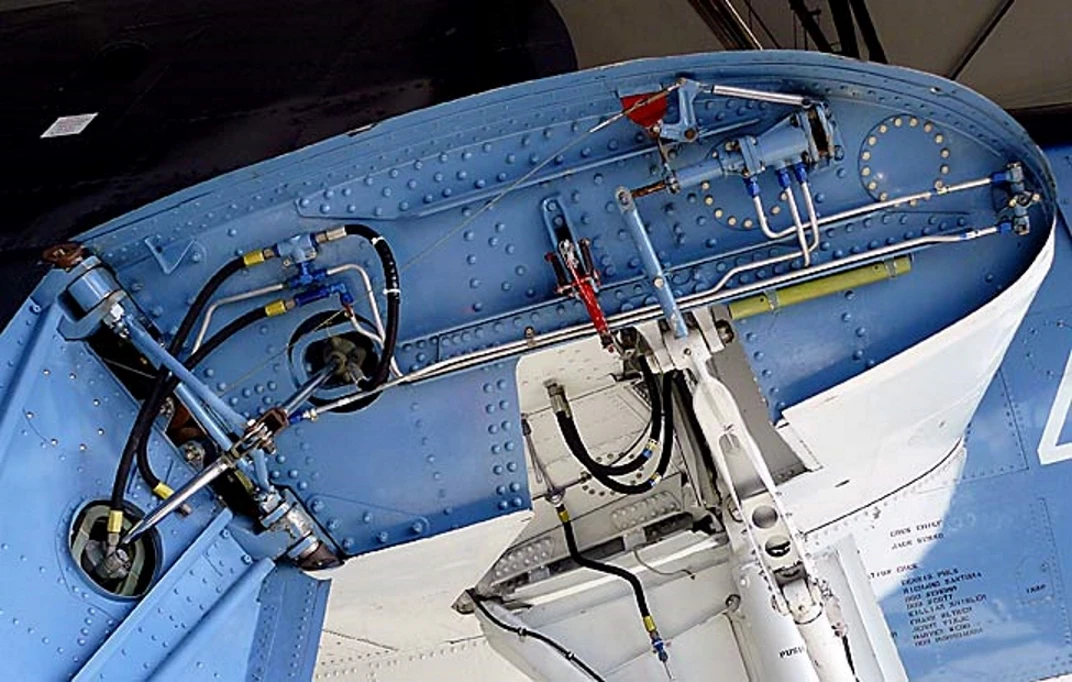
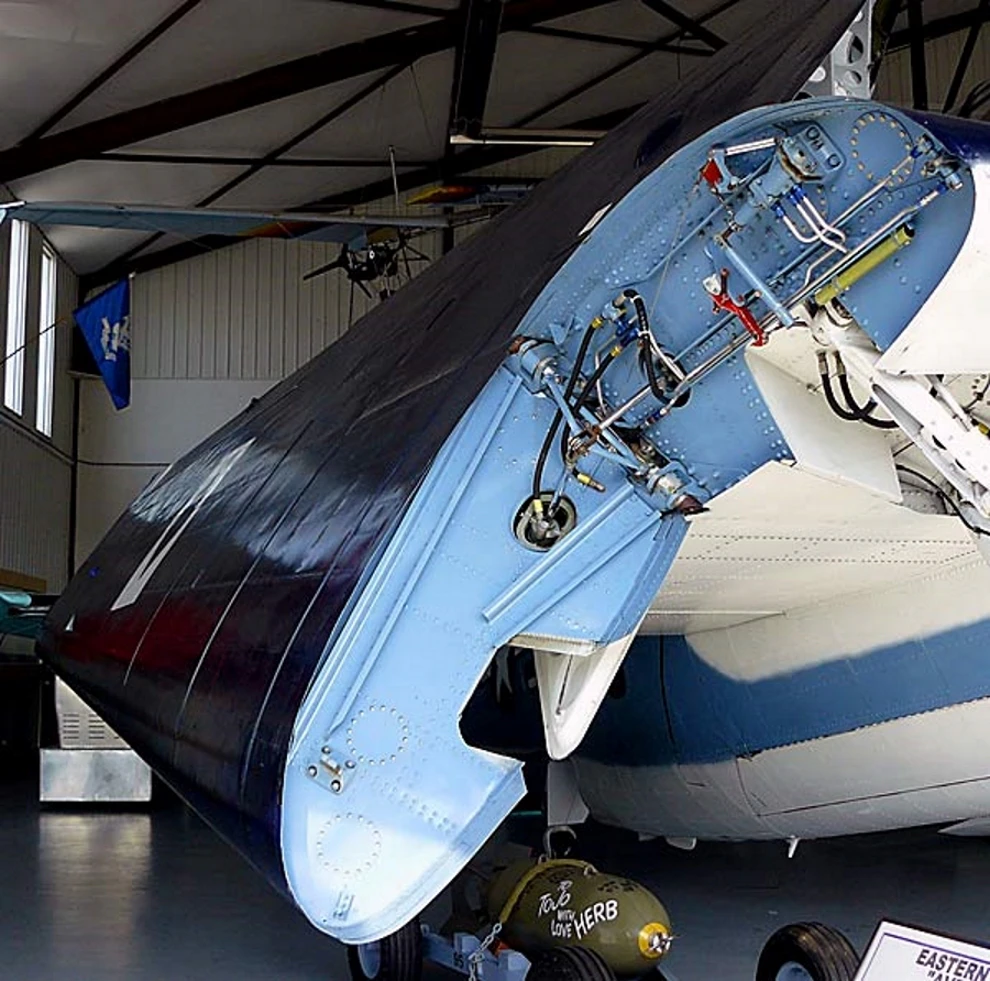
- The “Sto-Wing” Mechanism: The Avenger featured Grumman’s patented compound-angle wing fold. This allowed the massive wings to pivot and tuck back along the fuselage, significantly increasing the number of aircraft a carrier could squeeze onto its hangar deck.
- The “Greenhouse” and the Tunnel: The aircraft was cavernous. A “tunnel” ran along the right side of the radio equipment, allowing the crew to move between the turret and the belly gun position, though the pilot was isolated in his own forward cockpit.
- Powered Dorsal Turret: Unlike the hand-aimed guns on many bombers, the Avenger featured a fully powered electric turret. This allowed the gunner to track agile Zero fighters with much greater ease.
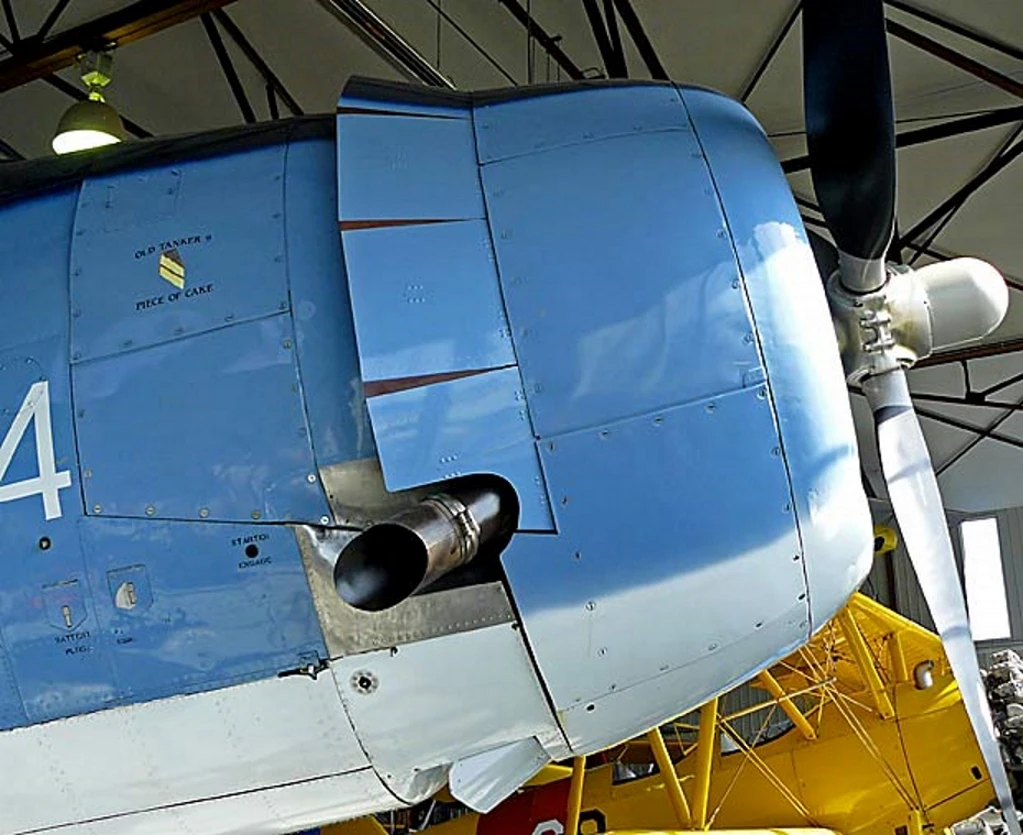
- TBM-3 Upgrades: The “3” model was distinguished by its massive engine cowling with twin cooling intakes and underwing hardpoints for HVAR rockets or the massive “Tiny Tim” rocket, turning it into a formidable ground-attack platform.
Operational History: From Midway to the White House
- A Bloody Beginning: The Avenger’s debut at the Battle of Midway was nearly its end. Out of six aircraft launched from Midway Island, five were shot down. However, the Navy recognized the airframe’s potential and it quickly became the standard-issue torpedo bomber.
- The “Turkey” Nickname: It was called the “Turkey” by crews not because it was bad, but because of its slow, ungainly appearance while landing—dropping its massive landing gear and flaps like a bird extending its legs.
- George H.W. Bush: The 41st U.S. President famously flew a TBM Avenger (named “Barbara III”). He was shot down over Chichijima in 1944, earning the Distinguished Flying Cross for completing his bombing run despite his engine being on fire.
- ASW and Early Warning: After WWII, the Avenger’s huge internal bay made it the perfect “sensor” platform. It was modified into the world’s first Airborne Early Warning (AEW) aircraft (the TBM-3W), sporting a massive “guppy” radar pod under the belly.
Views : 12623