Valokuvagalleria Hawkerin metsästäjä,
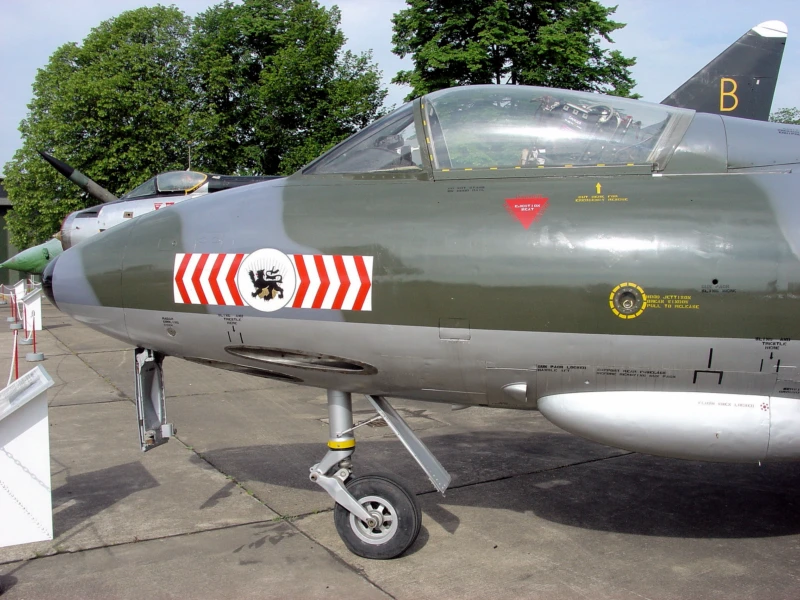
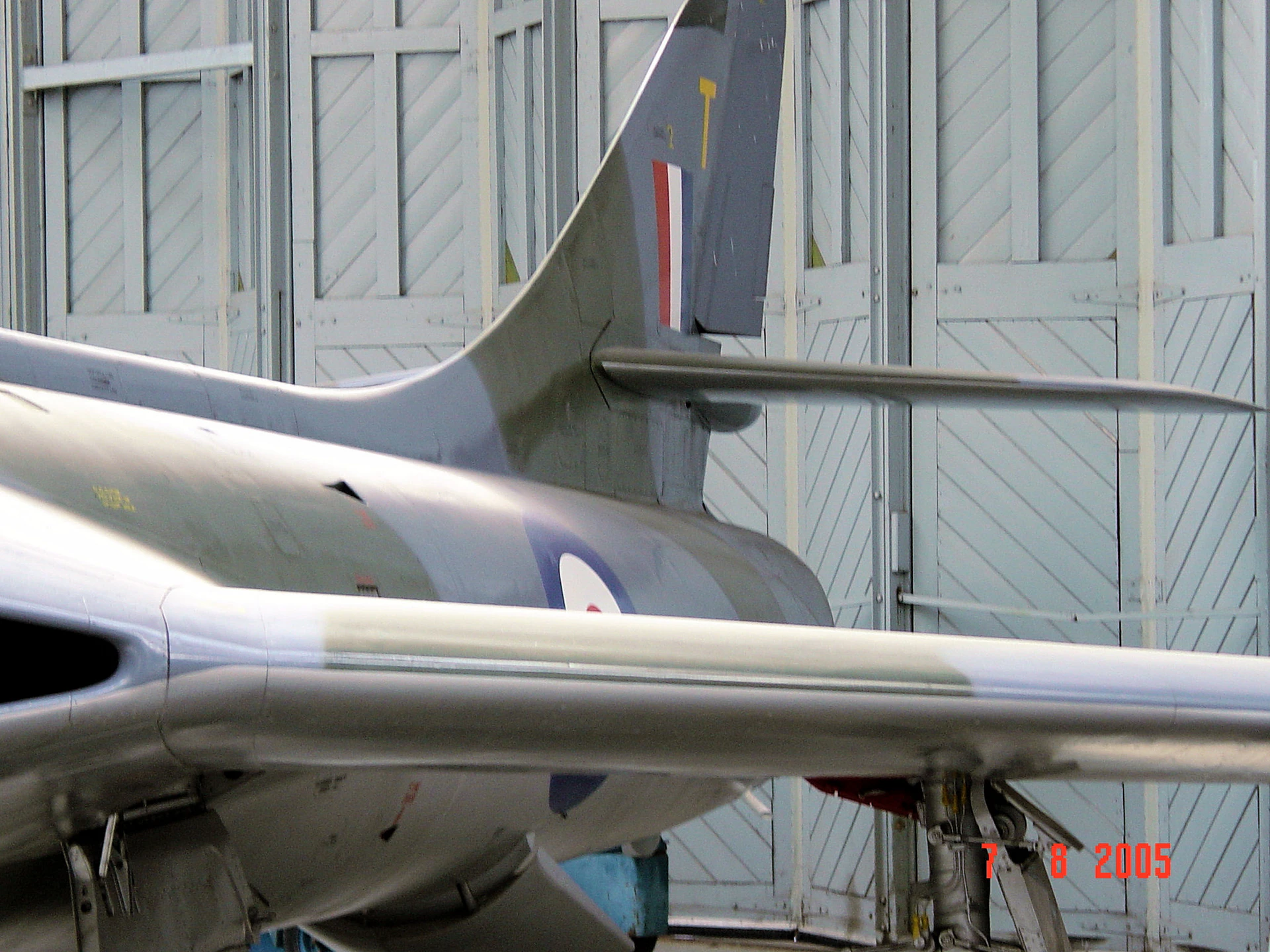
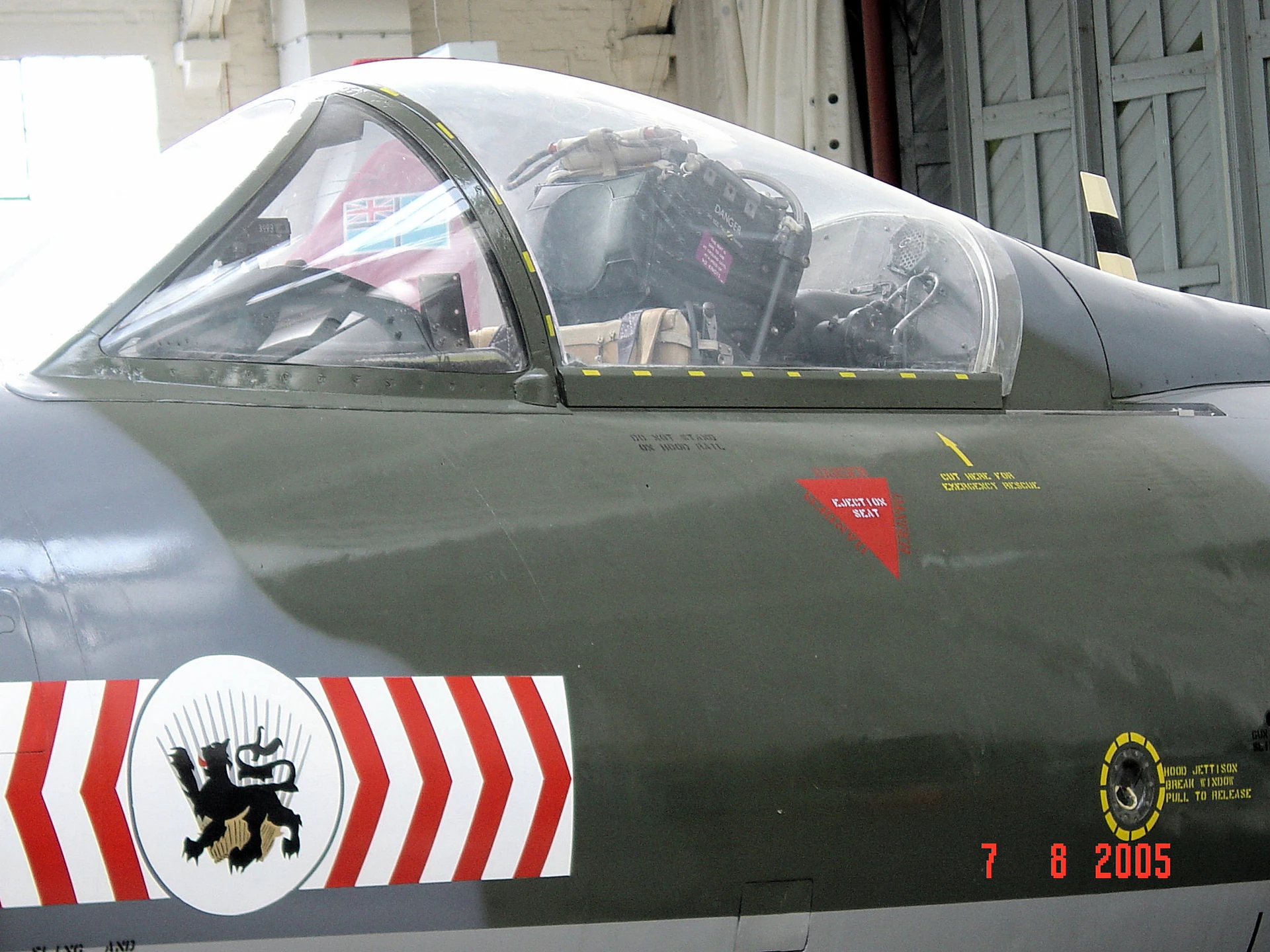
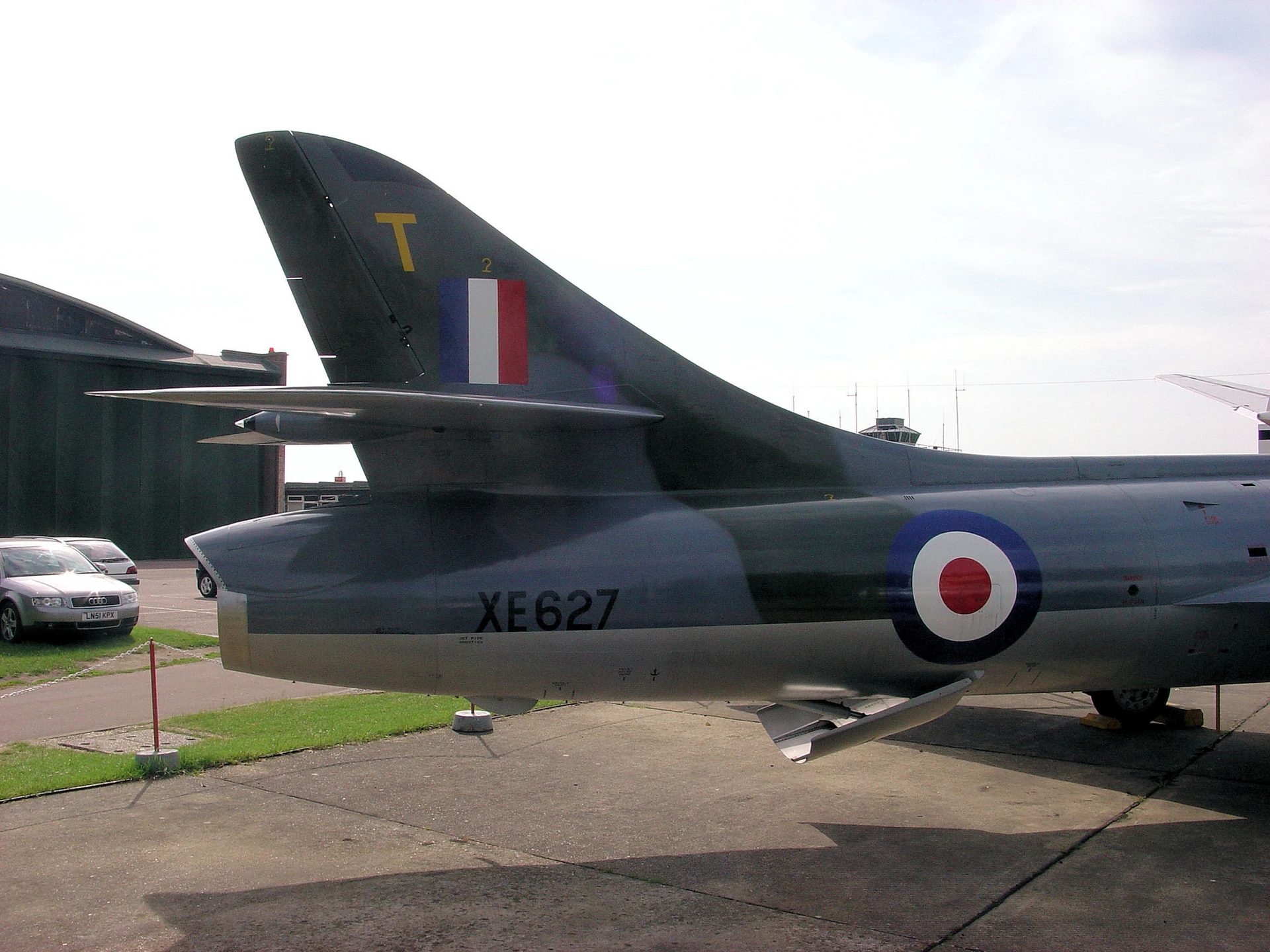
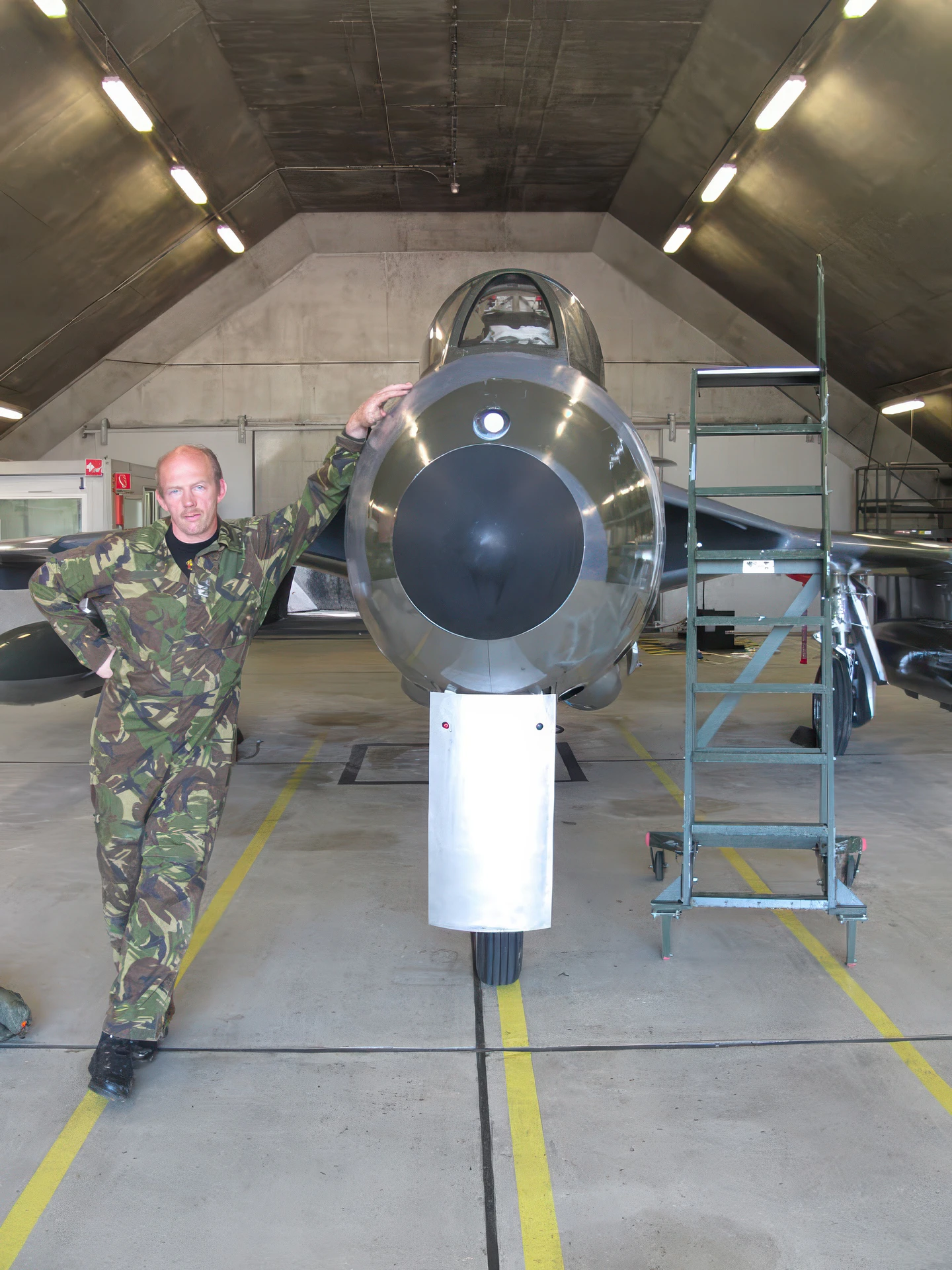
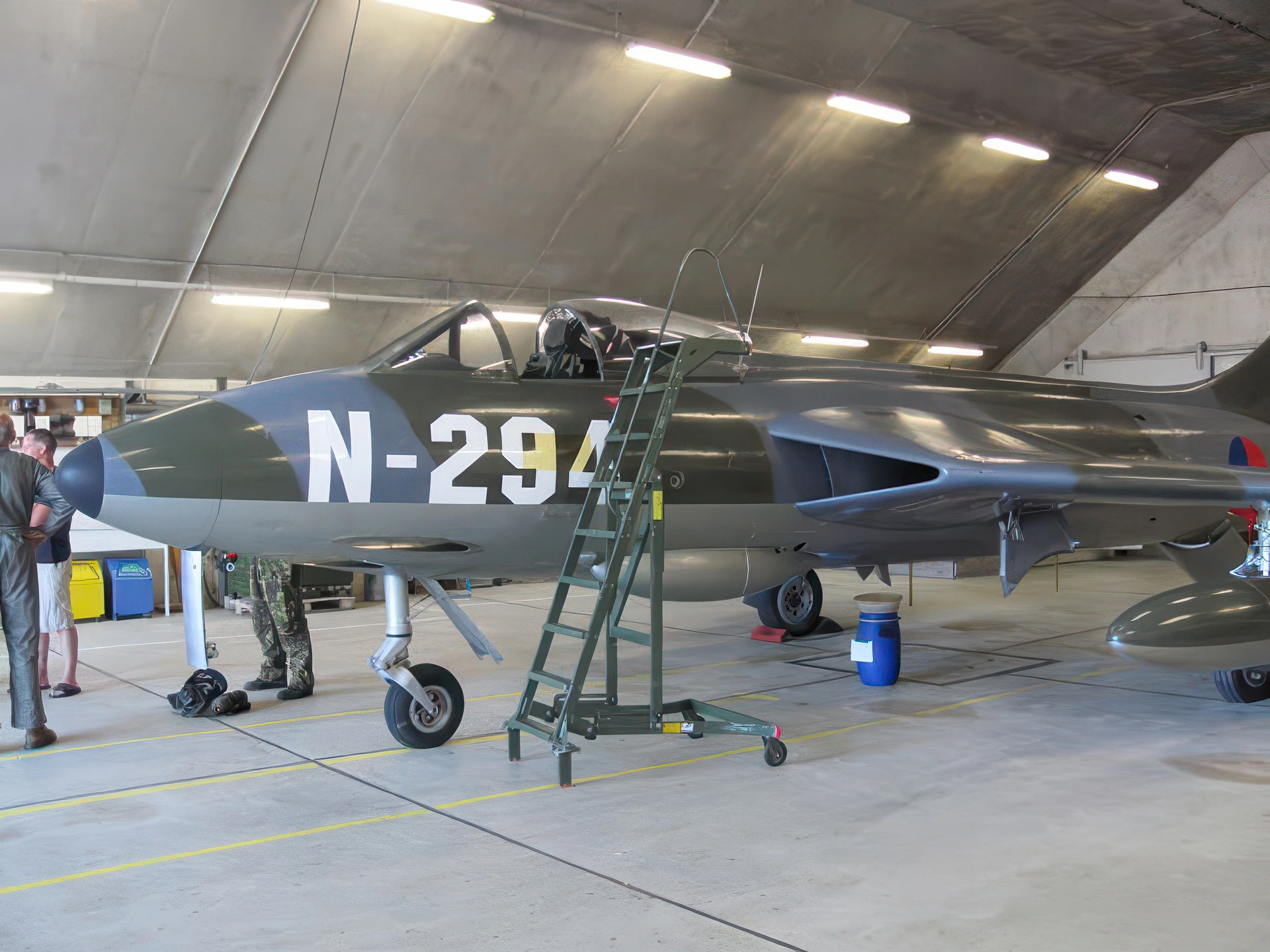
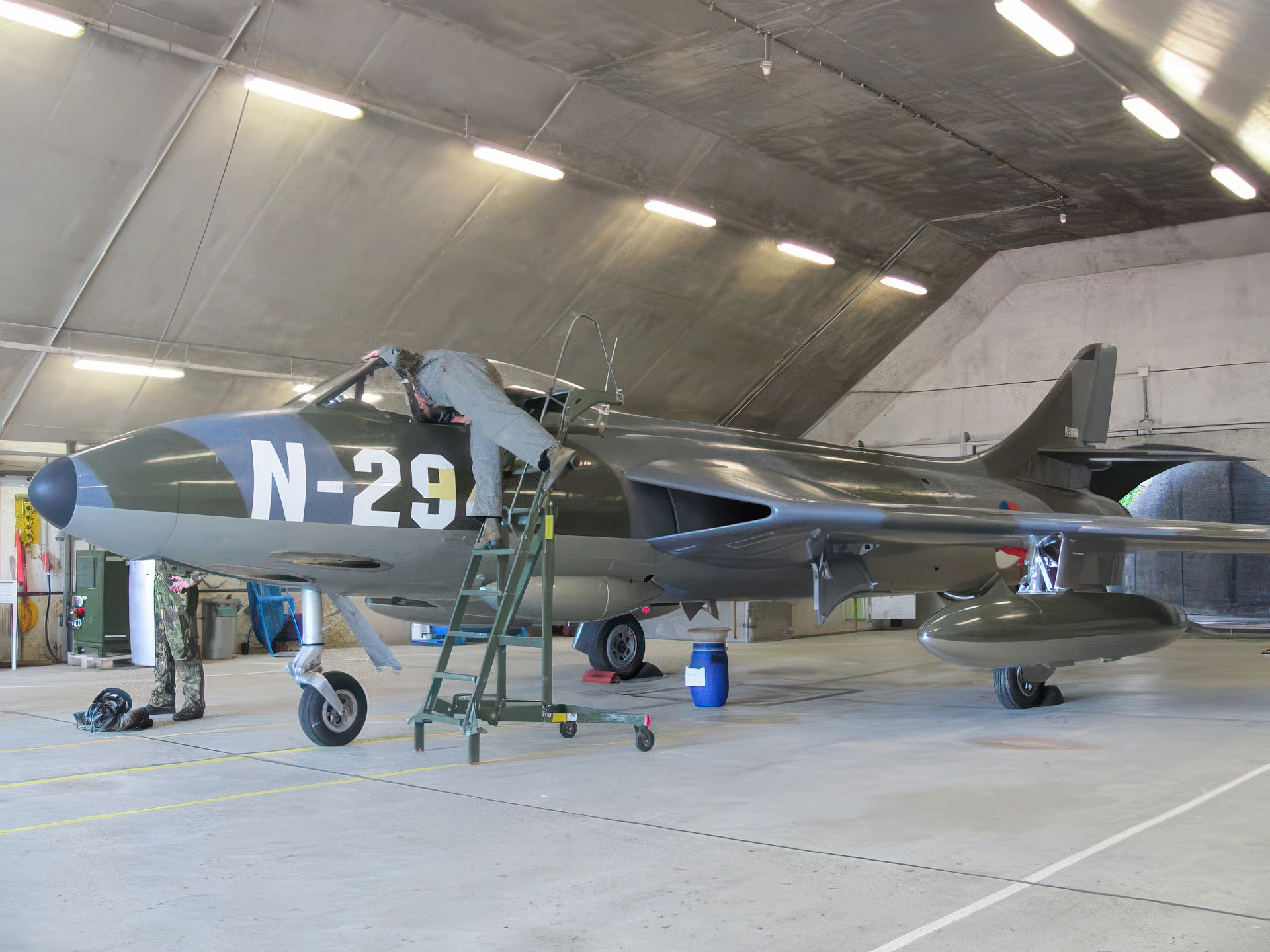
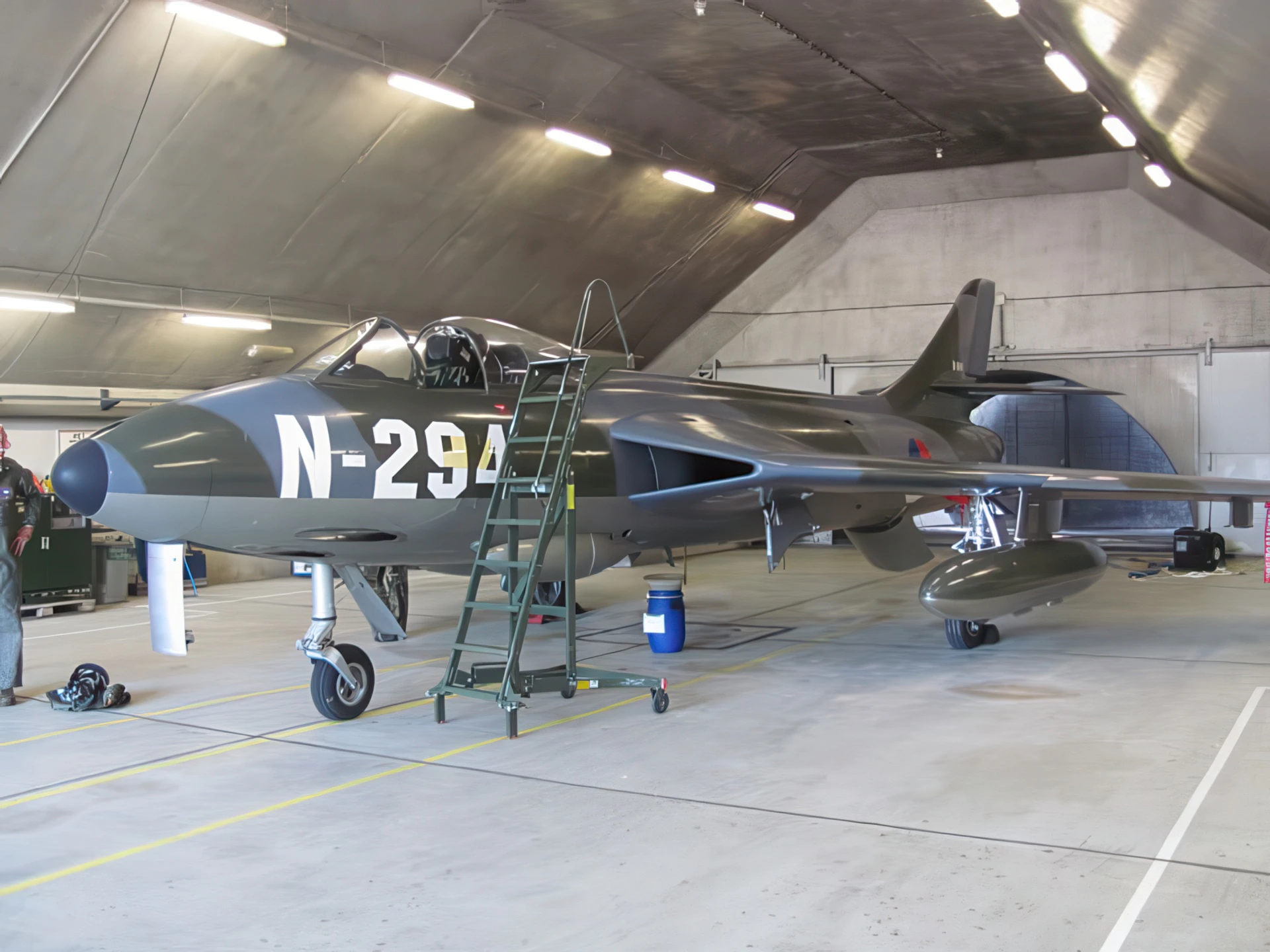
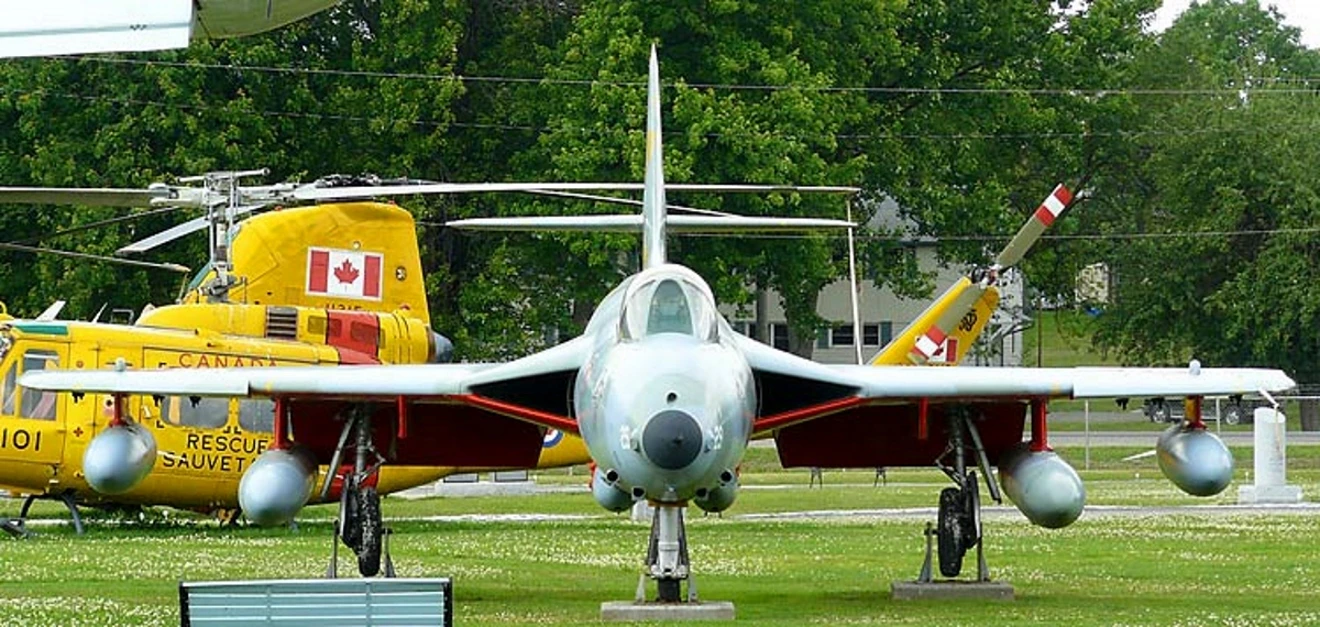
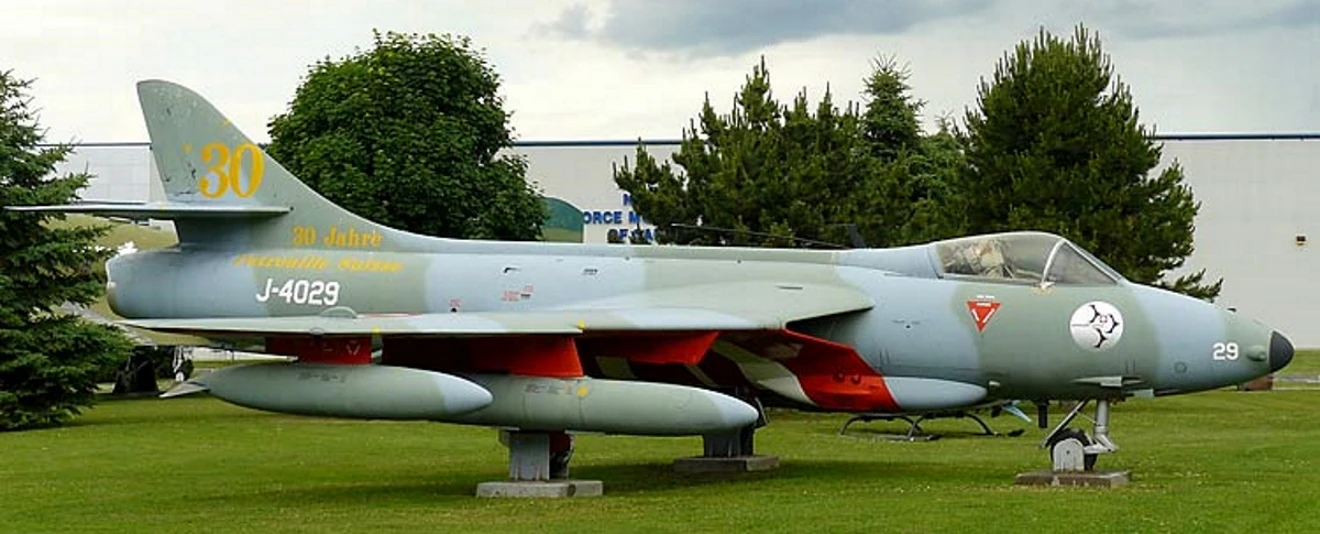
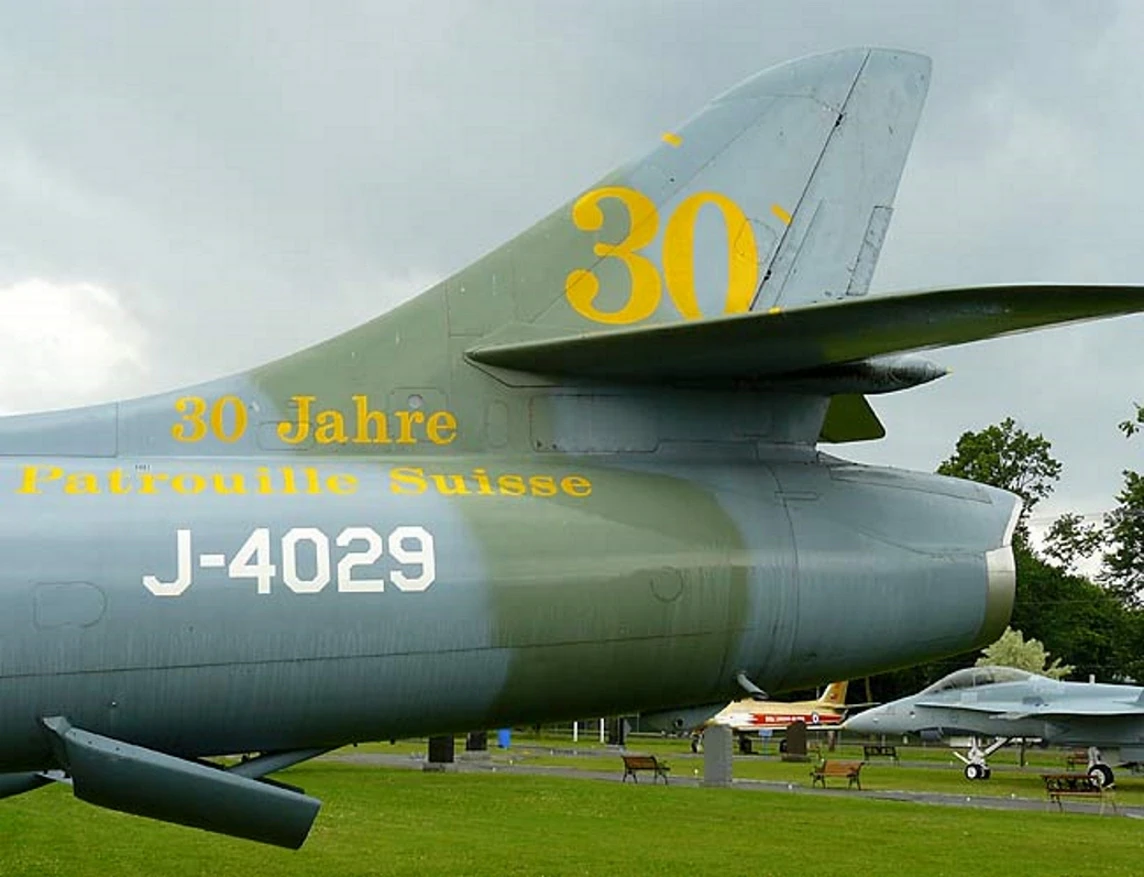
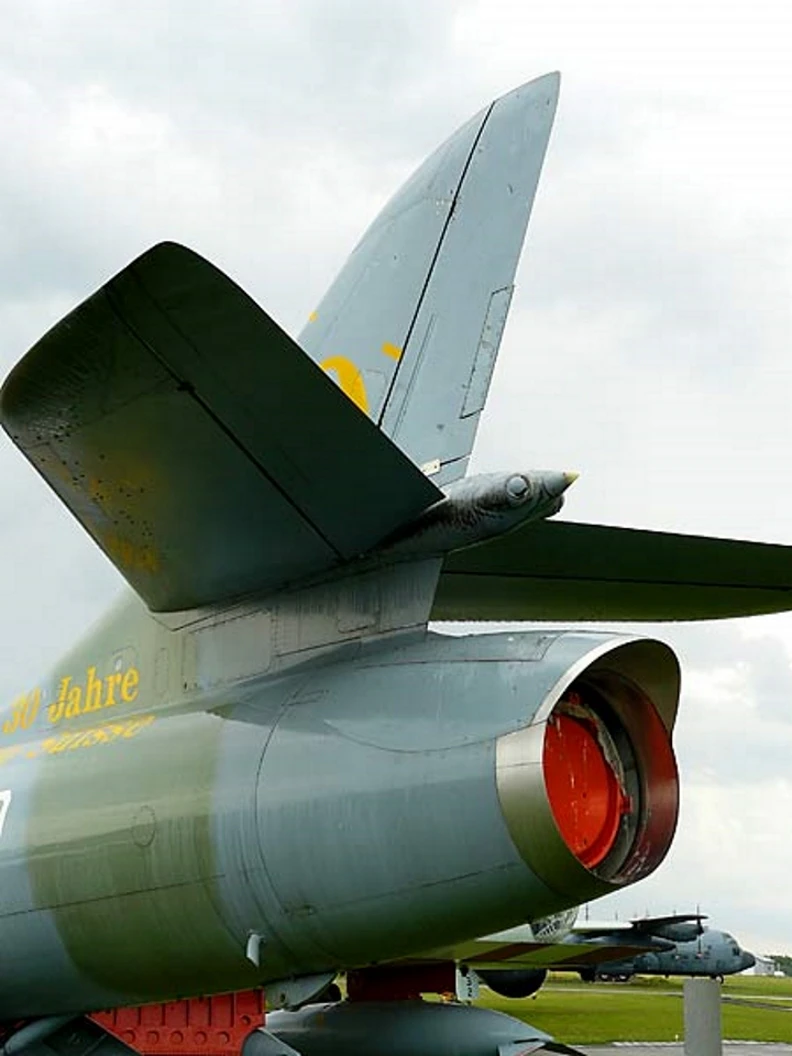
The Hawker Hunter is a transonic British jet-powered fighter aircraft that was developed by Hawker Aircraft for the Royal Air Force (RAF) during the late 1940s and early 1950s. It was designed to take advantage of the newly developed Rolls-Royce Avon turbojet engine and the swept wing, and was the first jet-powered aircraft produced by Hawker to be procured by the RAF.
Nniiden Hawkerin metsästäjäis widely regarded as one of the most beautiful and successful fighter aircraft ever produced. Designed by Sir Sydney Camm (the man behind the Hurricane), it was the first high-speed jet that combined elegant aesthetics with extreme pilot-friendliness and heavy firepower. Entering service in 1954, it arrived just as the jet age was maturing, providing the RAF with a stable, transonic platform that excelled in both air-to-air combat and ground attack. It was so reliable and adaptable that it served in various air forces for over 60 years, with the last military examples retiring only in the 2010s.
Attribute
Technical Specification (Hunter F.6)
Rooli
Day Fighter / Ground Attack
miehistö
1 (Two-seat trainer variants existed)
First Flight
July 20, 1951
Voimalaitos
1 × Rolls-Royce Avon 203 turbojet
Thrust
10,150 lbf (45.15 kN)
Enimmäisnopeus
1,150 km/h (715 mph / Mach 0.94)
Combat Range
715 km (445 mi) internal fuel
Aseistus
4 × 30 mm ADEN cannons; 4 hardpoints for rockets/bombs
Design Engineering: The Removable Gun Pack
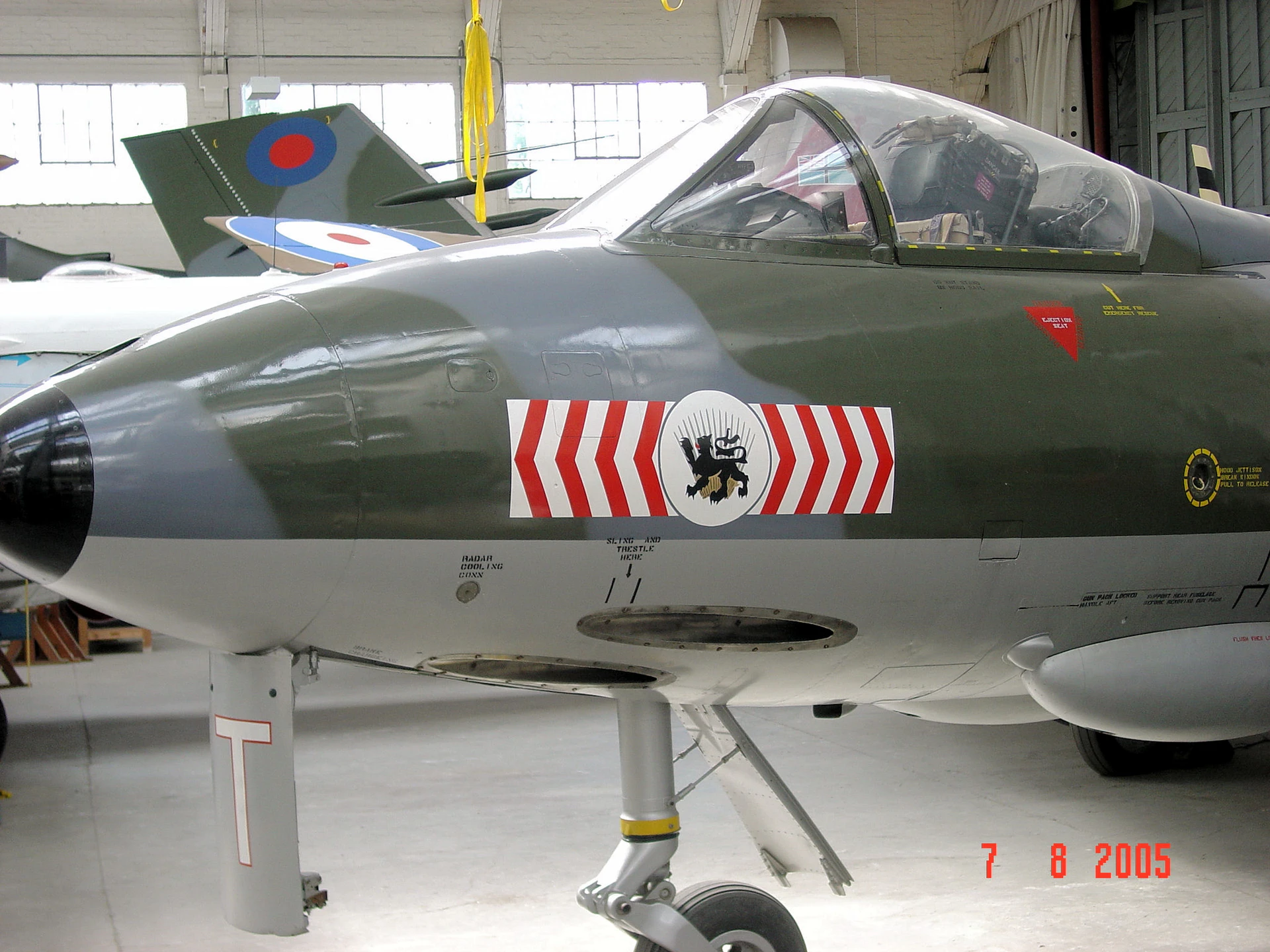
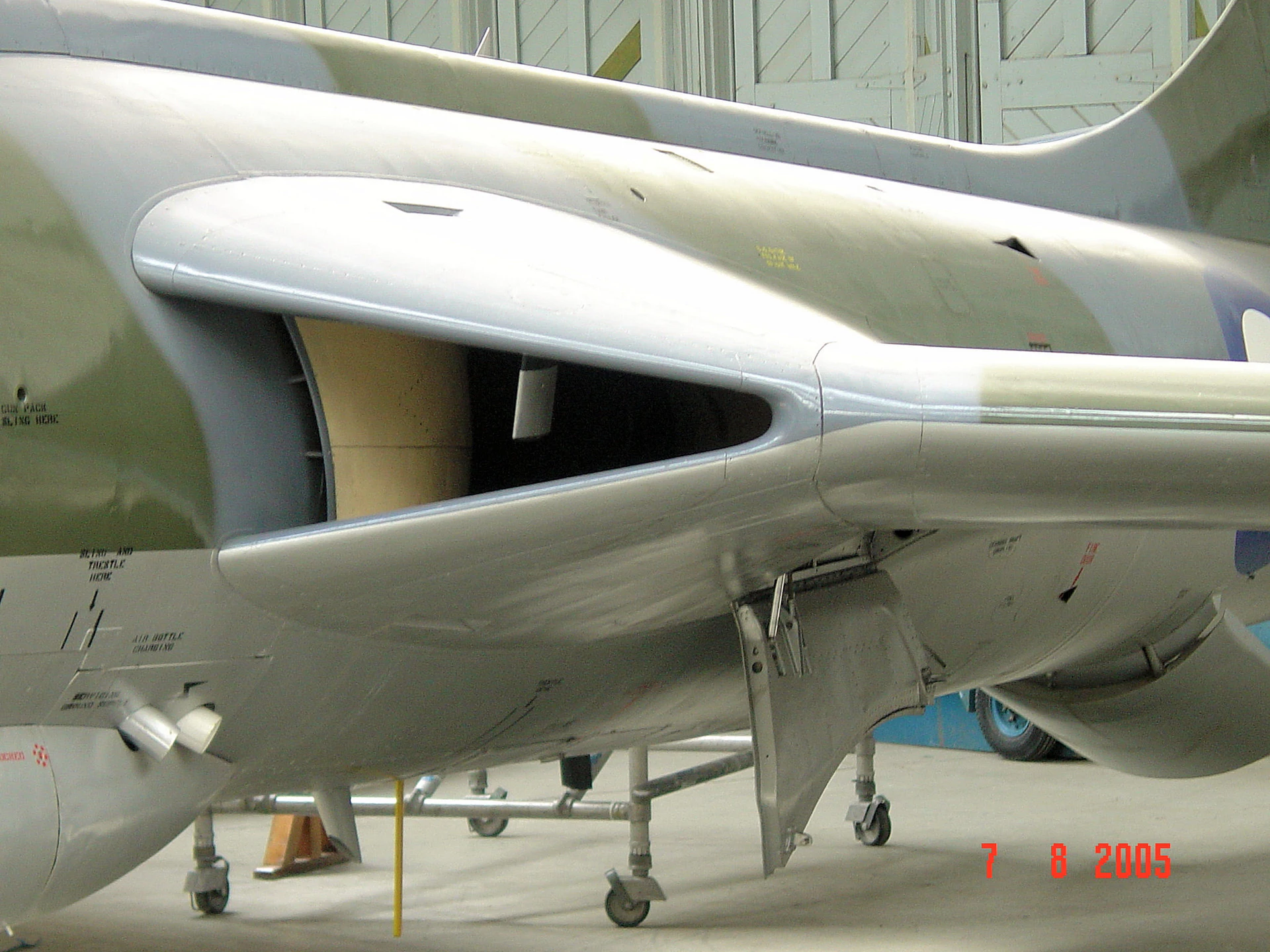
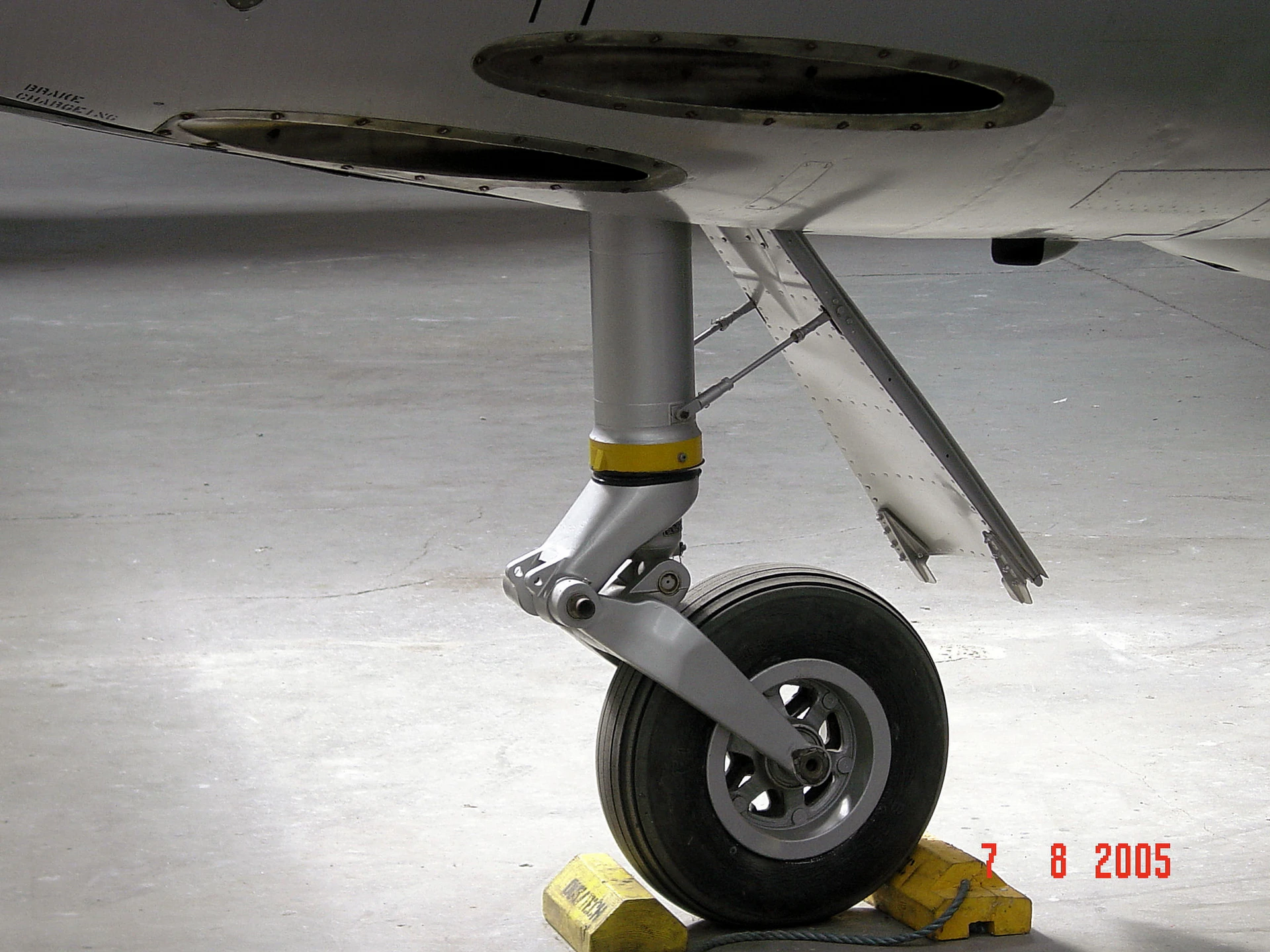
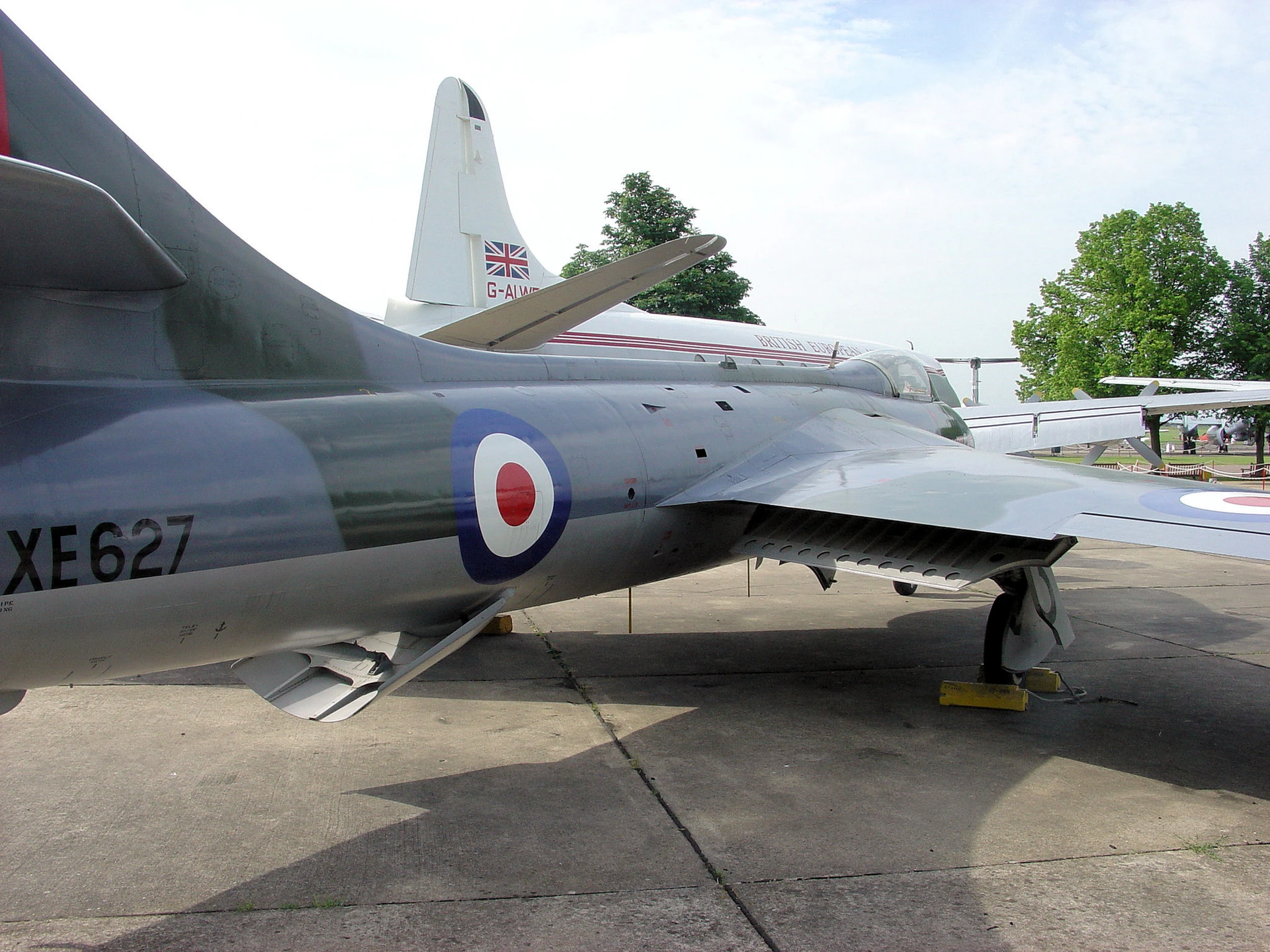
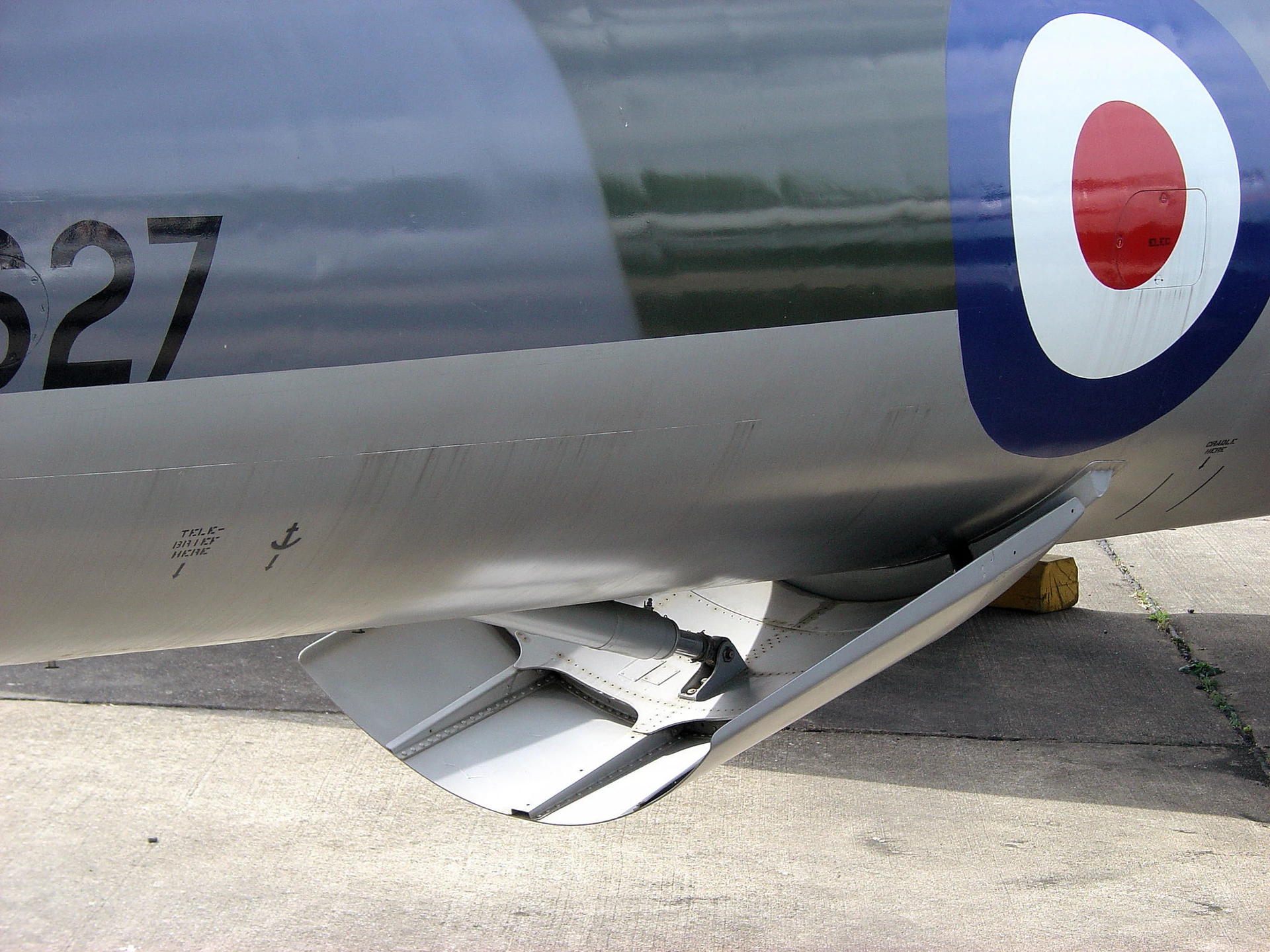
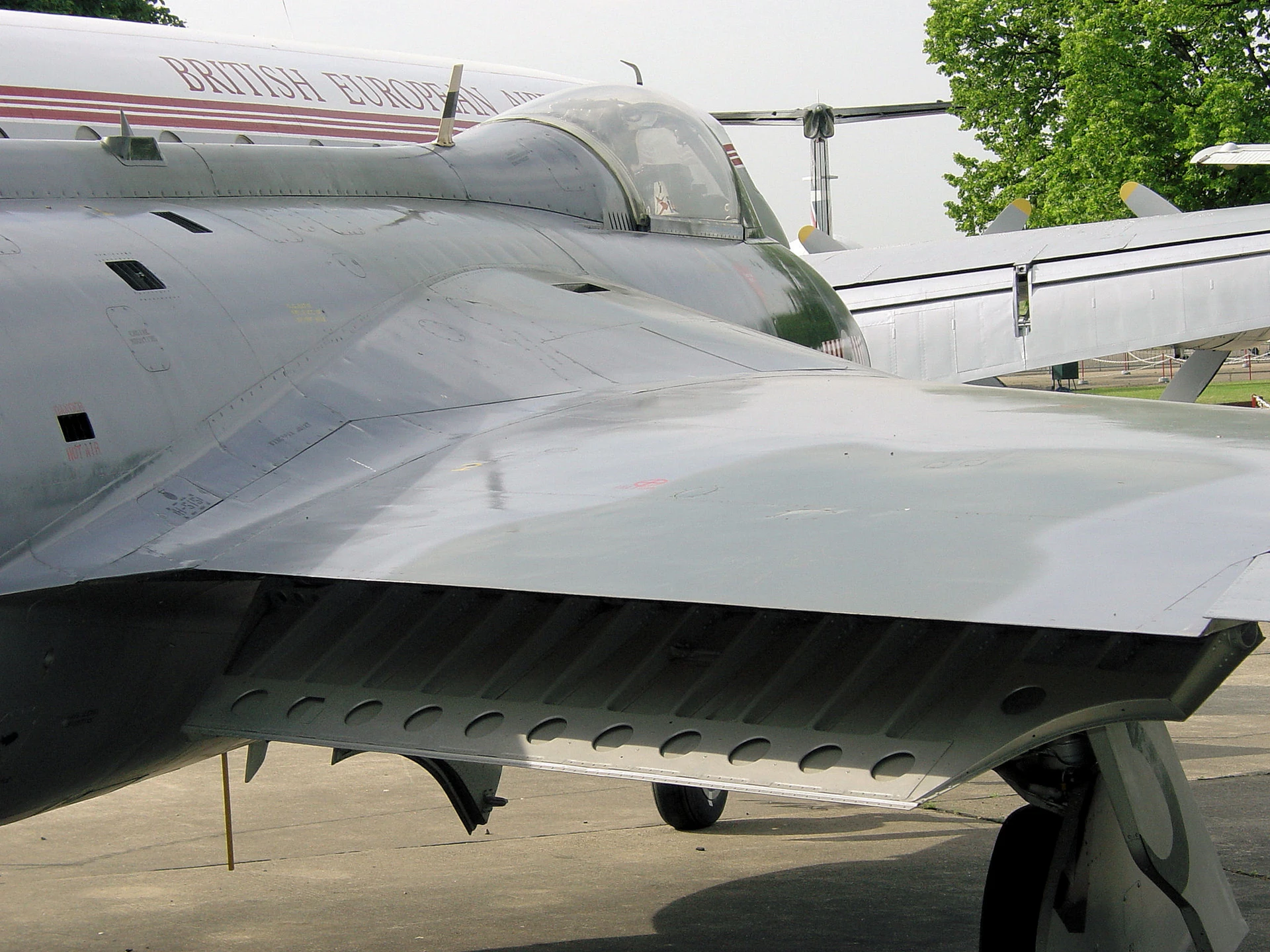
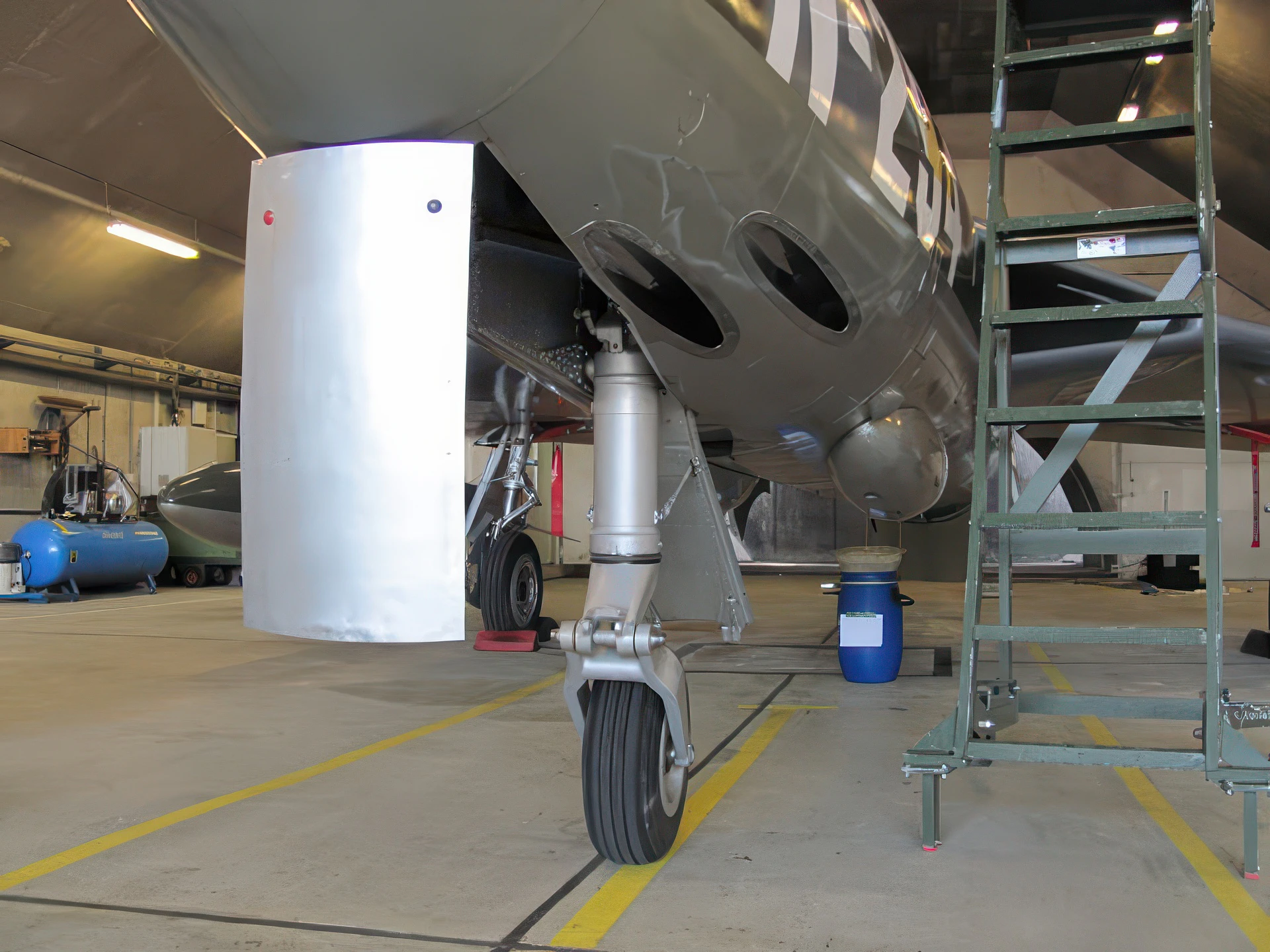
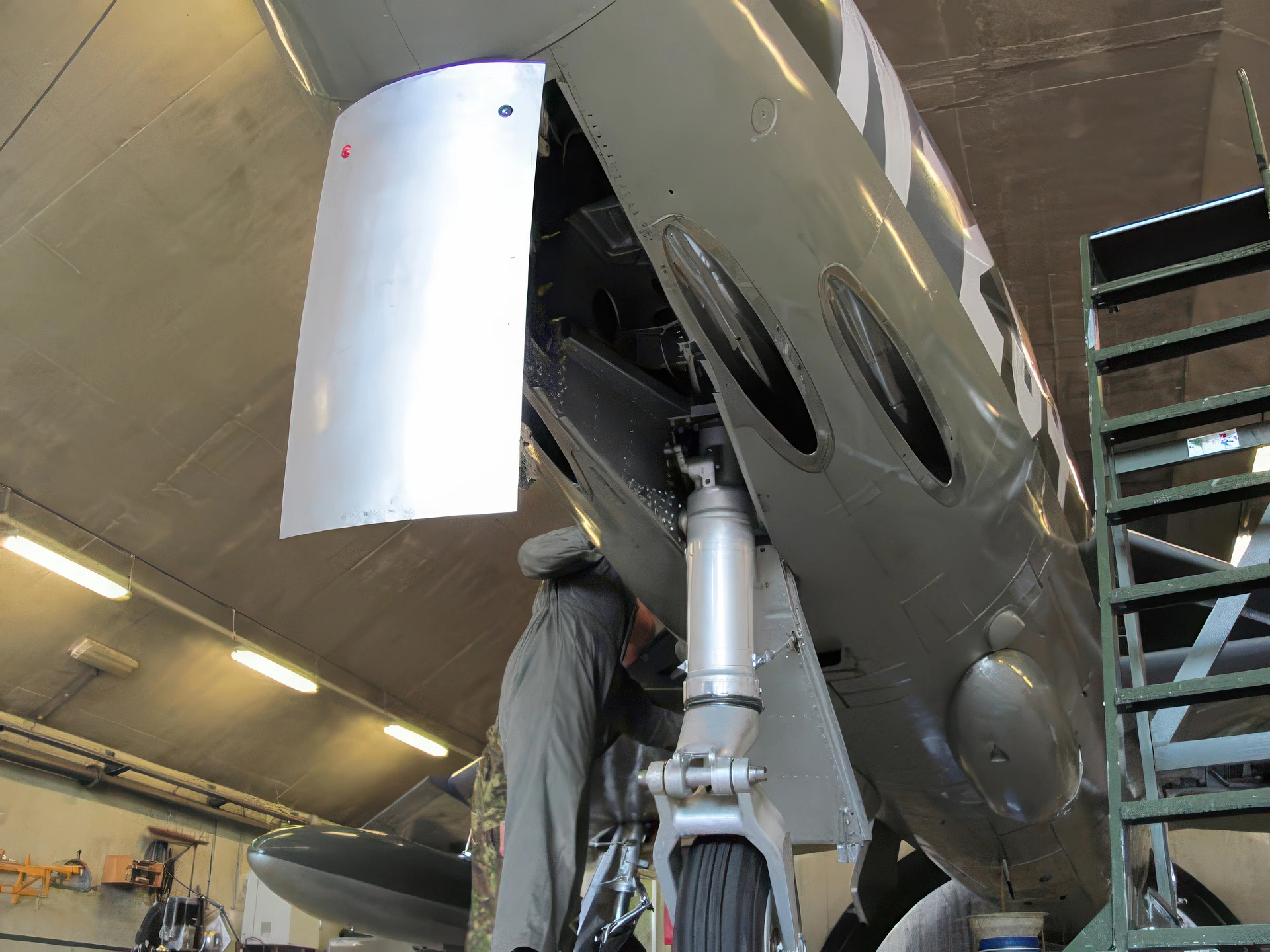
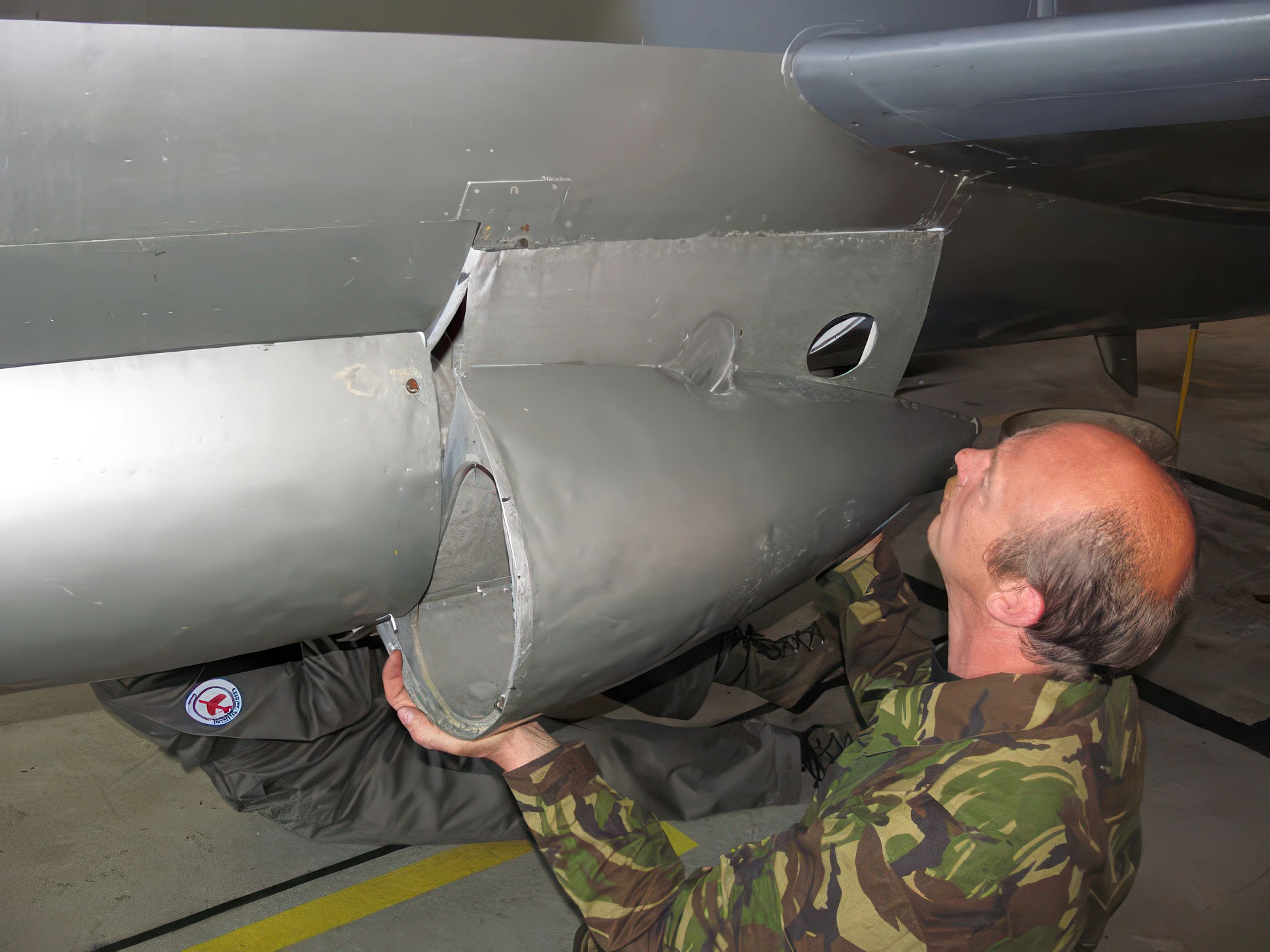
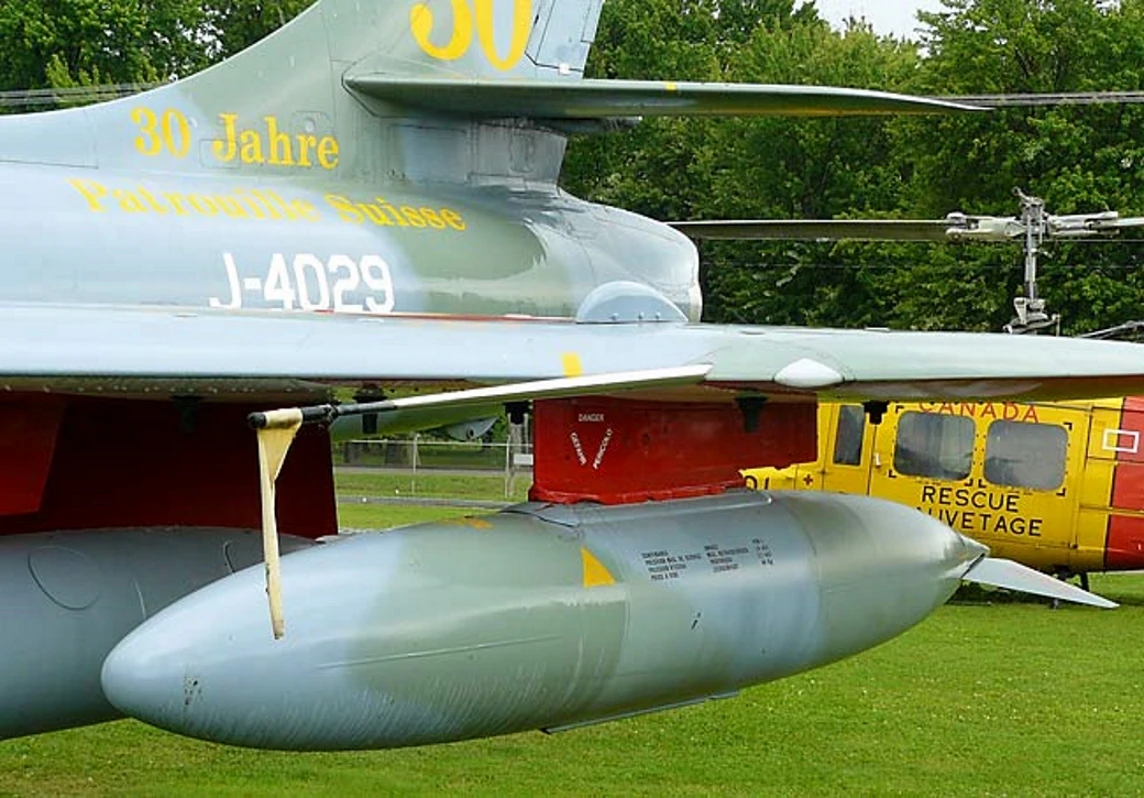
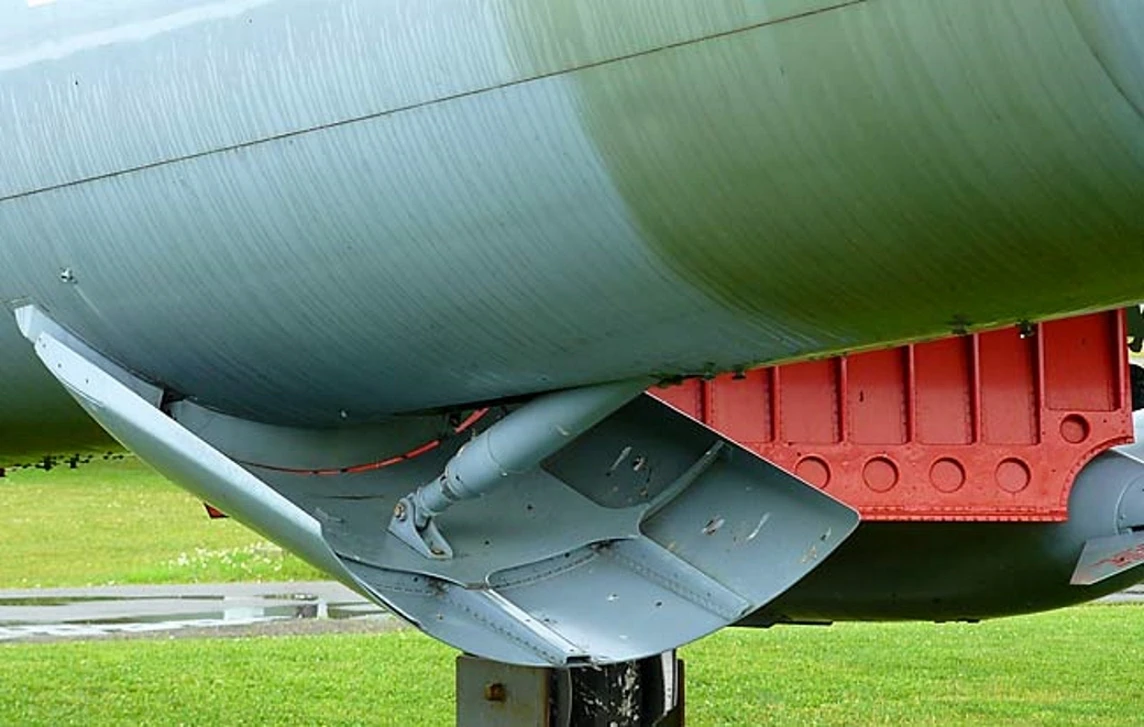
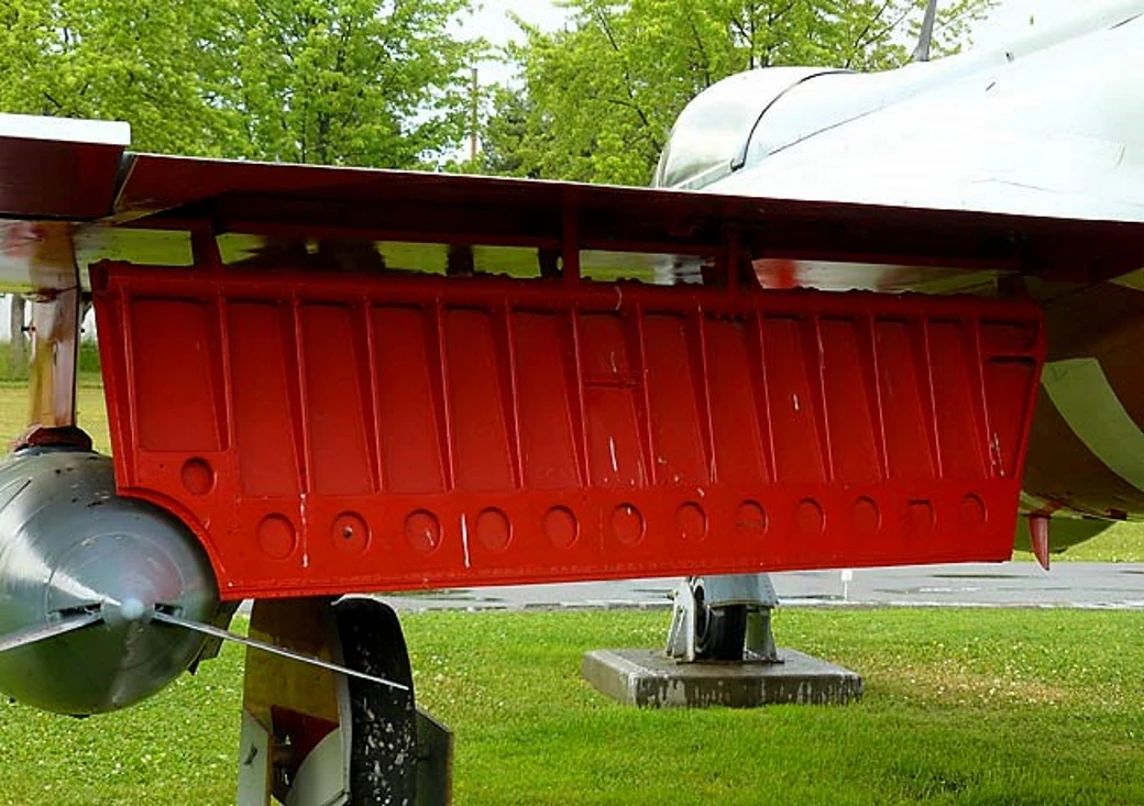
The Detachable Gun Pack:In an era where rearming was slow, the Hunter featured a revolutionary 4-gun ADEN cannon pack that could be lowered from the fuselage as a single unit. This allowed ground crews to swap a spent pack for a fully loaded one in minutes.
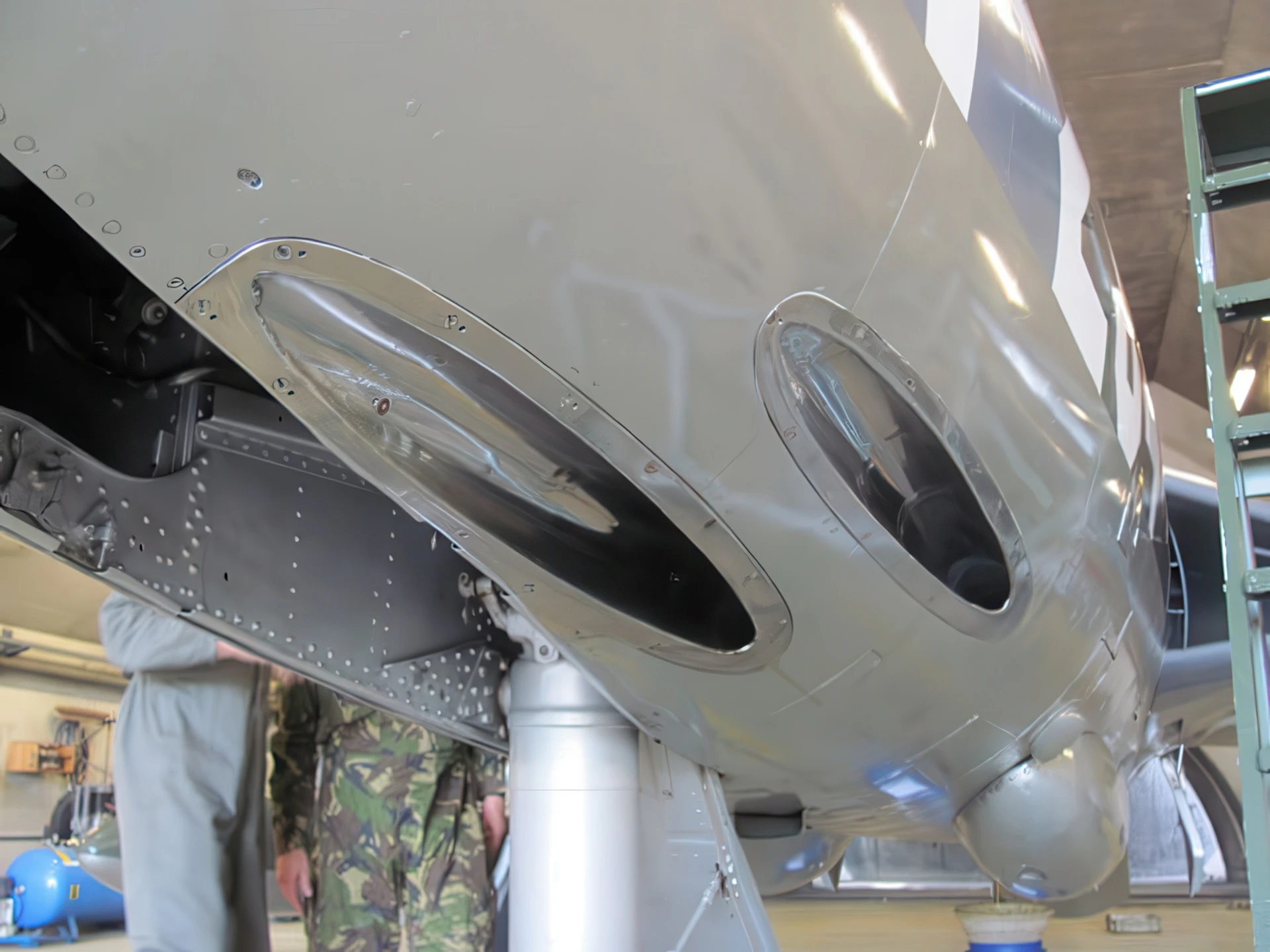
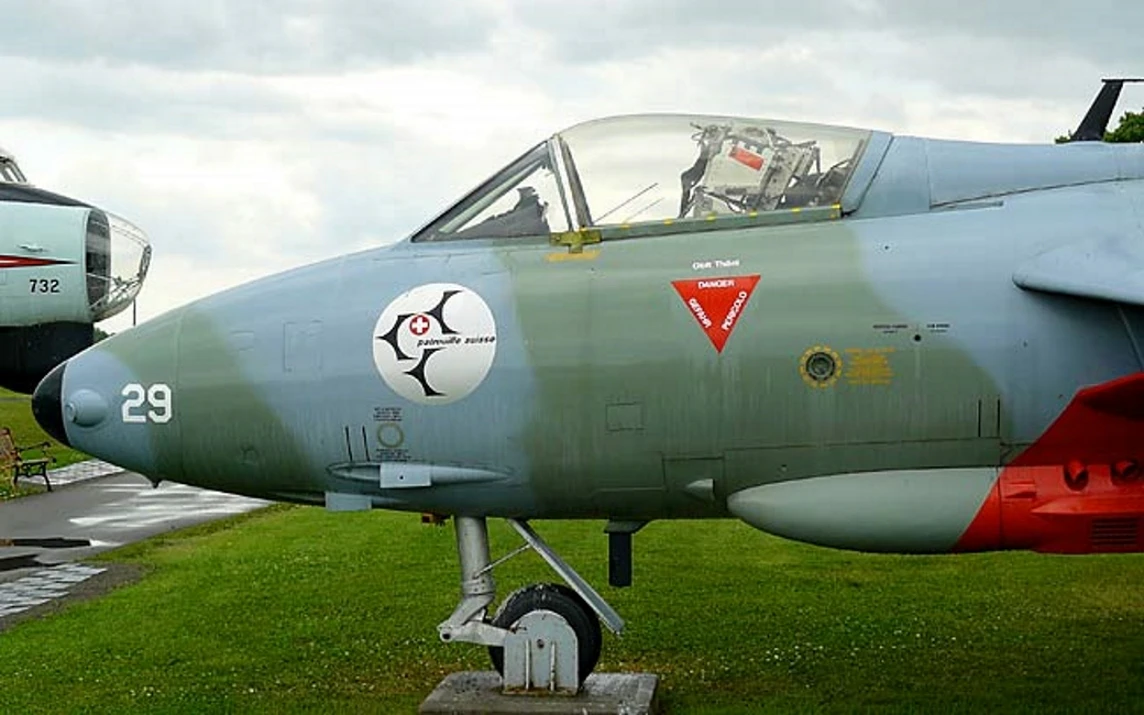
“Saban” Links and Shell Cases:A unique problem with the Hunter was that its high-speed cannons produced so many heavy 30mm links that they could damage the fuselage when ejected. This led to the addition of distinctive external “blisters” or “Sabrina” collectors under the nose to catch the spent links.
The “Saw-Tooth” Leading Edge:To fix stability issues at high speeds, the F.6 model introduced a “dog-tooth” extension on the wing’s leading edge. This created a vortex that prevented the air from stalling over the wingtips during high-G turns.
Simple, Responsive Controls:Pilots loved the Hunter because it lacked the “twitchiness” of other early jets. It was notoriously smooth to fly, making it a favorite for aerobatic teams like theBlack Arrows Ja Blue Diamonds.
A Global Success Story
The 1965 Indo-Pakistani War:The Hunter saw intense combat with the Indian Air Force. In the famousBattle of Longewala, a small flight of Hunters decimated a massive Pakistani tank column, proving the aircraft’s effectiveness as a “tank buster.”
Record Breaker:In 1953, a modified Hunter (the WB188) broke the World Air Speed Record, reaching 727.6 mph. It was a clear signal that Britain had mastered transonic flight.
Export King:The Hunter was exported to 21 countries. Its simplicity and ruggedness made it perfect for nations that couldn’t afford complex American or Soviet supersonic fighters but needed a dependable interceptor.
Civilian Service:Even after retiring from military combat, Hunters are still used today by private “Red Air” contractors to play the role of the enemy in training exercises for modern F-35 and F-22 pilots.

 Osta minulle kahvia

 Stout Bushmaster 2000 - Valokuvat ja videot
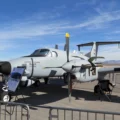 Beechcraft RC-12 Guardrail - Valokuvat ja videot
 Cessna 310 - Valokuvat ja videot
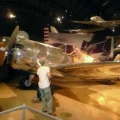 Curtiss P-36 Hawk – Valokuvat & Videot
 Cessna T-37 Tweet - Valokuvat ja videot
 Boeing KC-97 Stratofreighter – Valokuvat & Videot
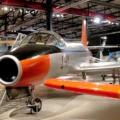 Fokker S.14 Machtrainer – Valokuvat & Videot
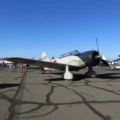 Aichi D3A – Valokuvat & Videot
 B-35 – de Havilland Mosquito – WalkAround
 Mirage IIIC – WalkAround