M75 APC | |
|---|---|
| Zemlja | Sad |
| Ulogu | Oklopni nosač osoblja |
| U službi | 1952-late 1980s |
| Izgradio | 1700+ |
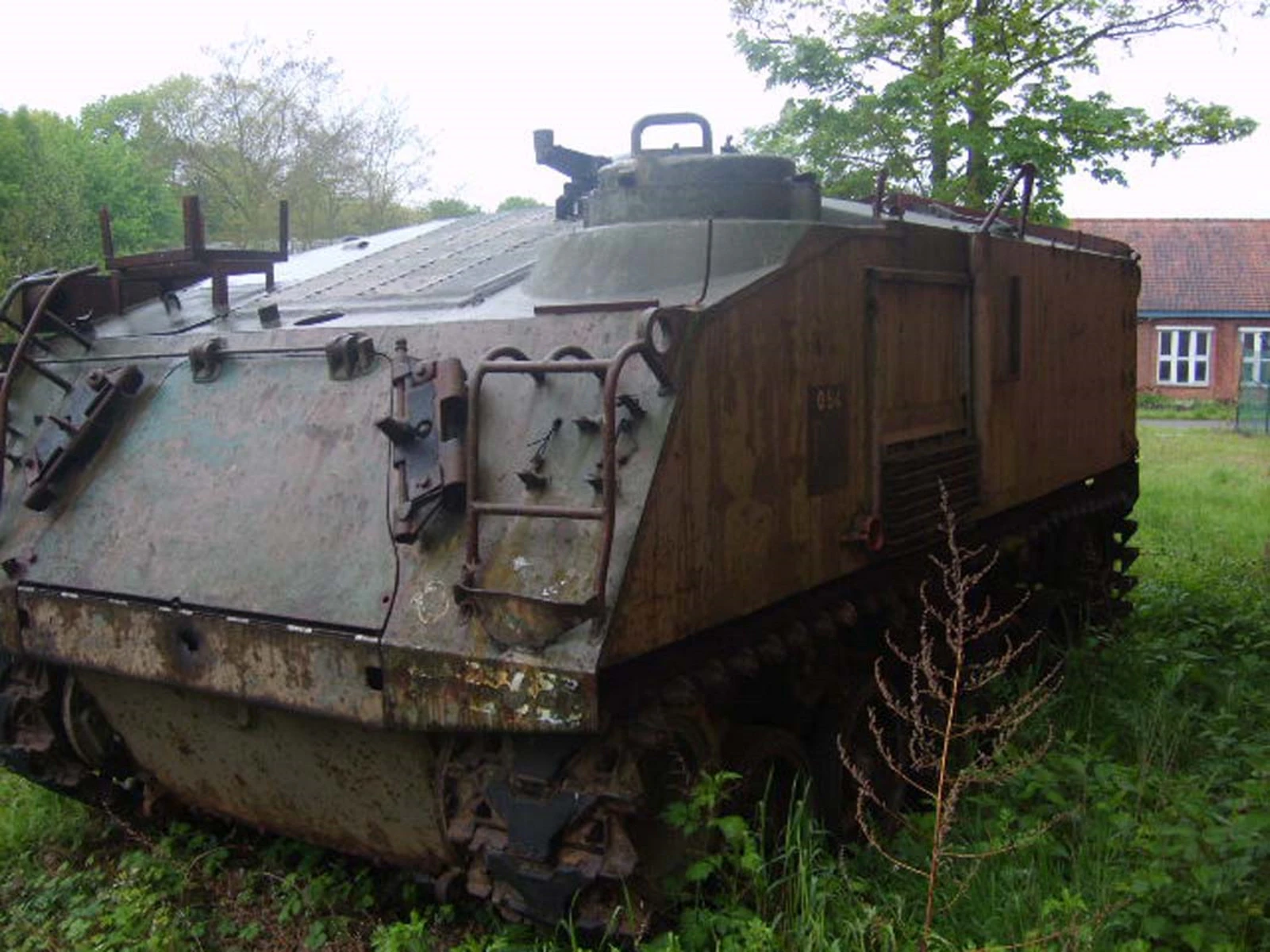
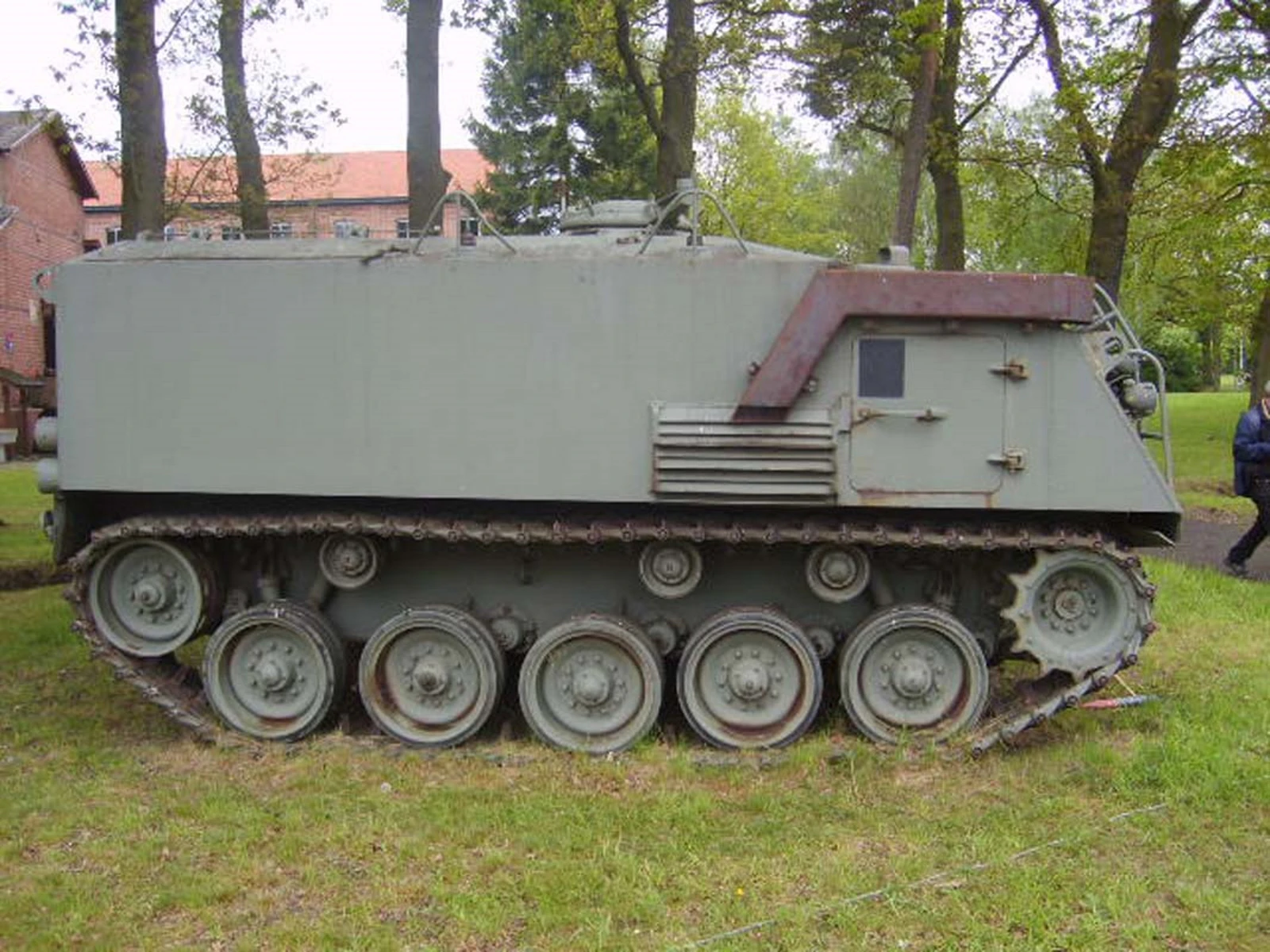
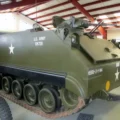
Photo gallery of a M75 APC, The Oklopno pešadijsko vozilo M75 je američki oklopni transporter koji je proizveden između decembra 1952. Zamenjen je u američkoj službi manjim, jeftinijim, amfibijskim M59. M75 su dobili kao vojnu pomoć Belgiji, gde su korišćeni do početka osamdesetih godina. 1.729 M75 je izgrađeno pre nego što je proizvodnja zaustavljena.
Izvor: M75 APC na Vikipediji
| M75 APC | |
|---|---|
| Fotograf | Nepoznato |
| Lokalizacija | Nepoznato |
| Fotografije | 33 |
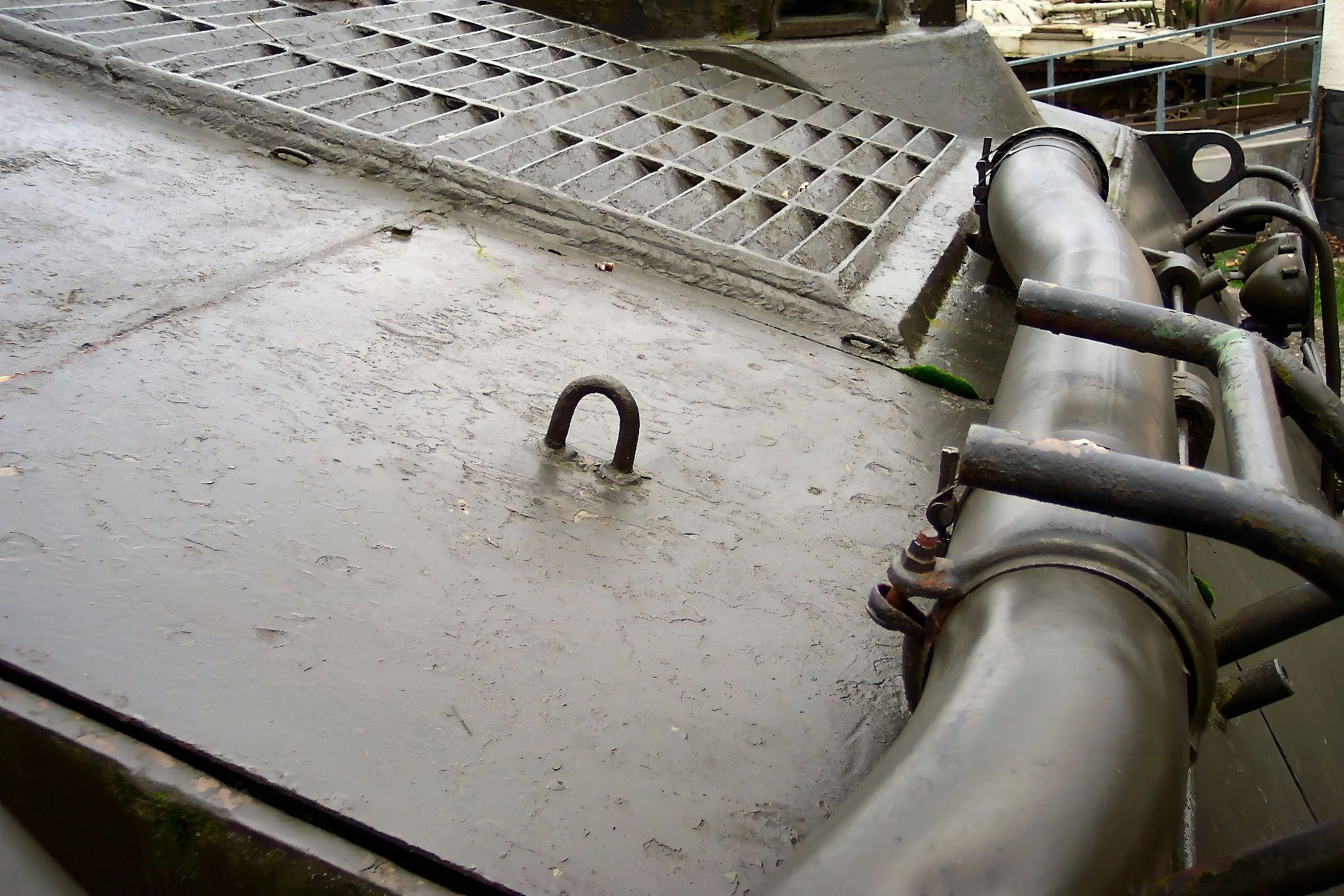
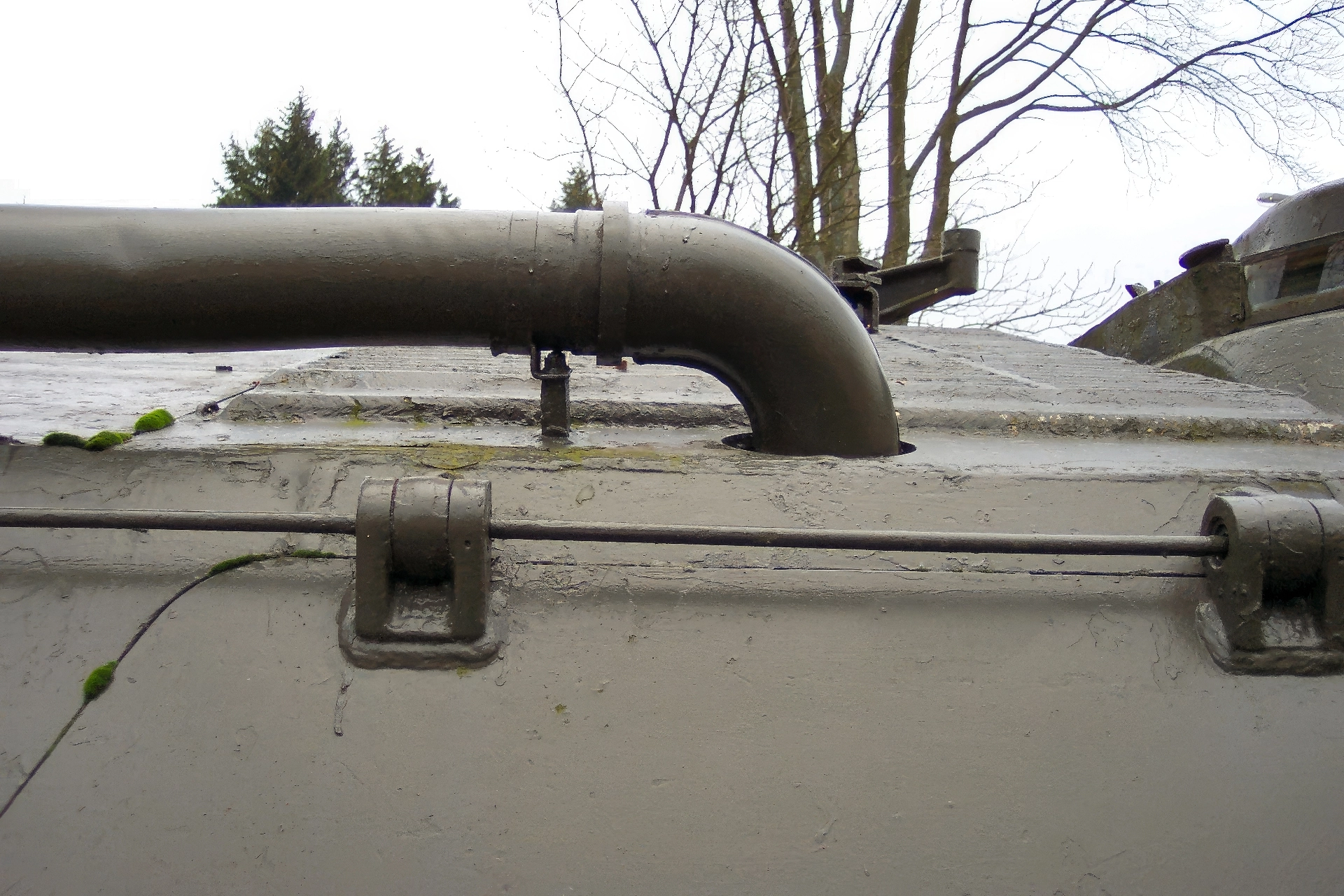
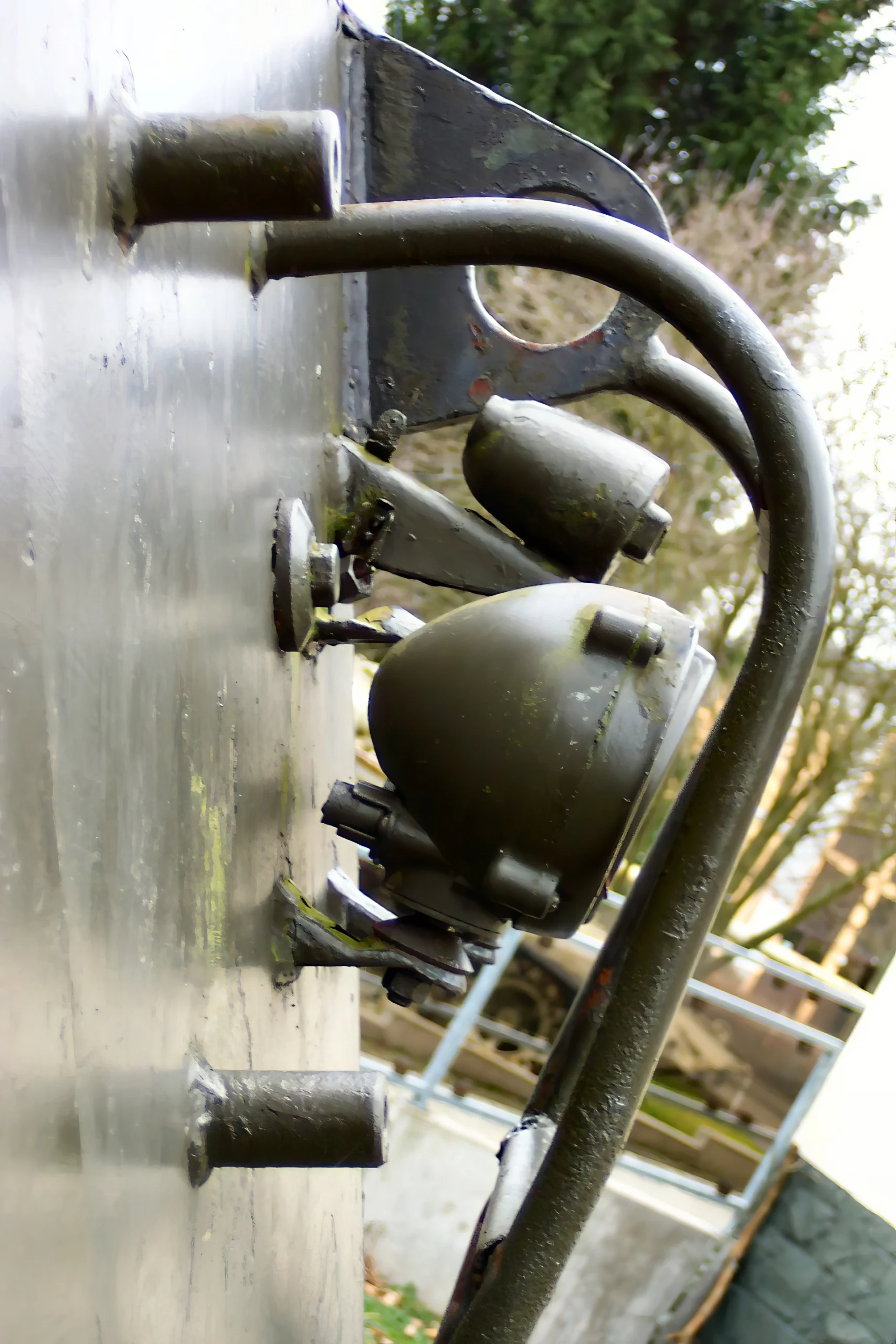
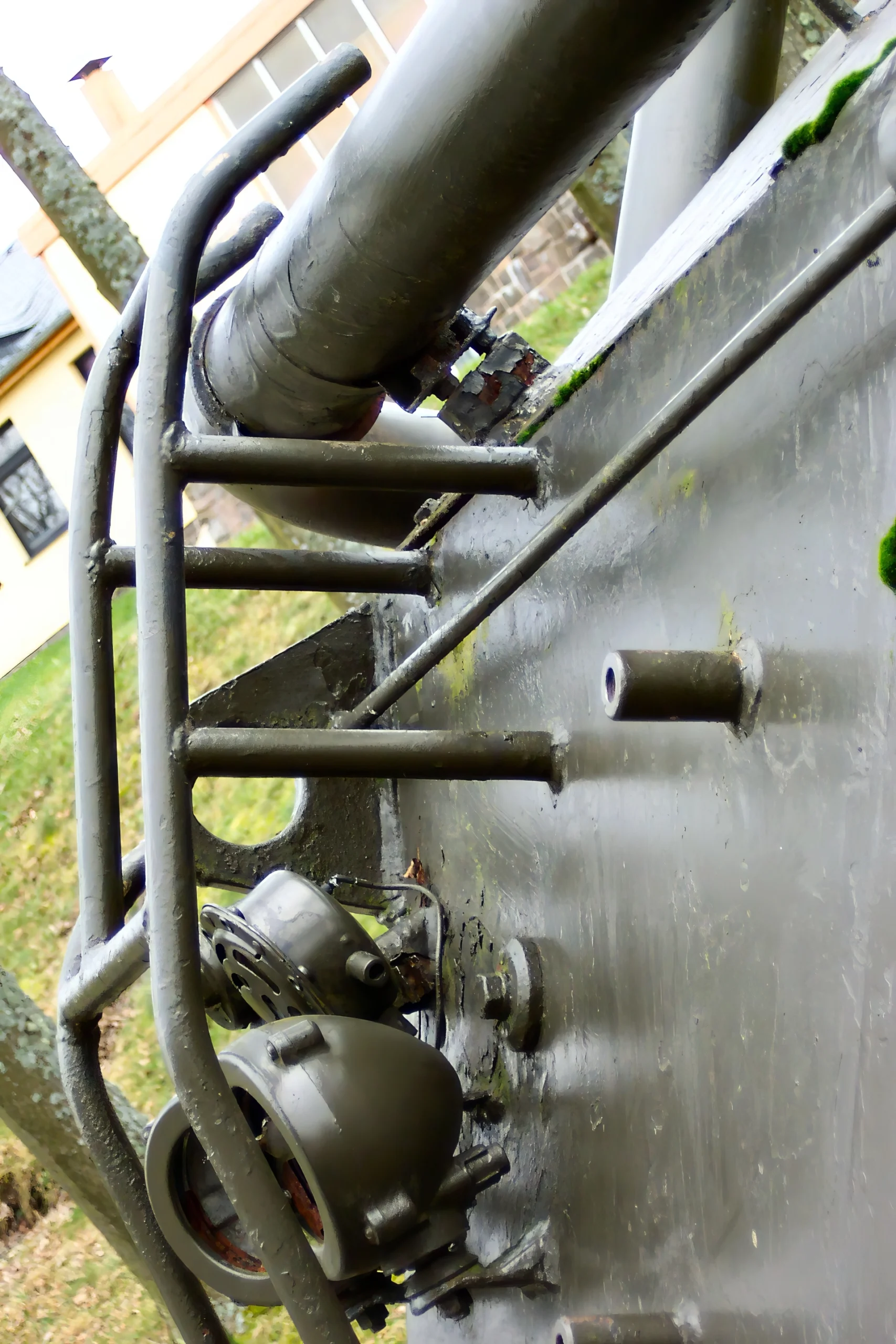
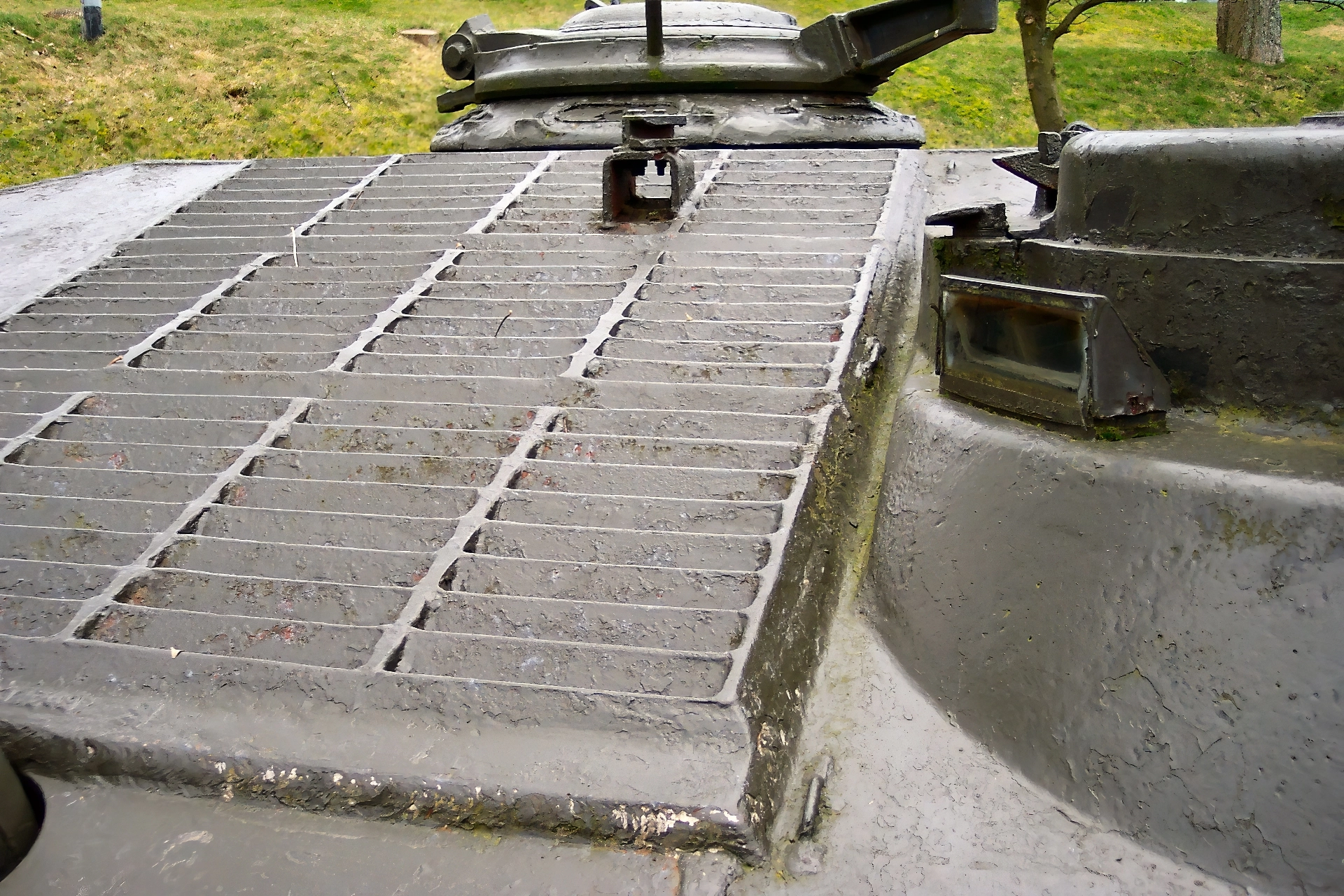
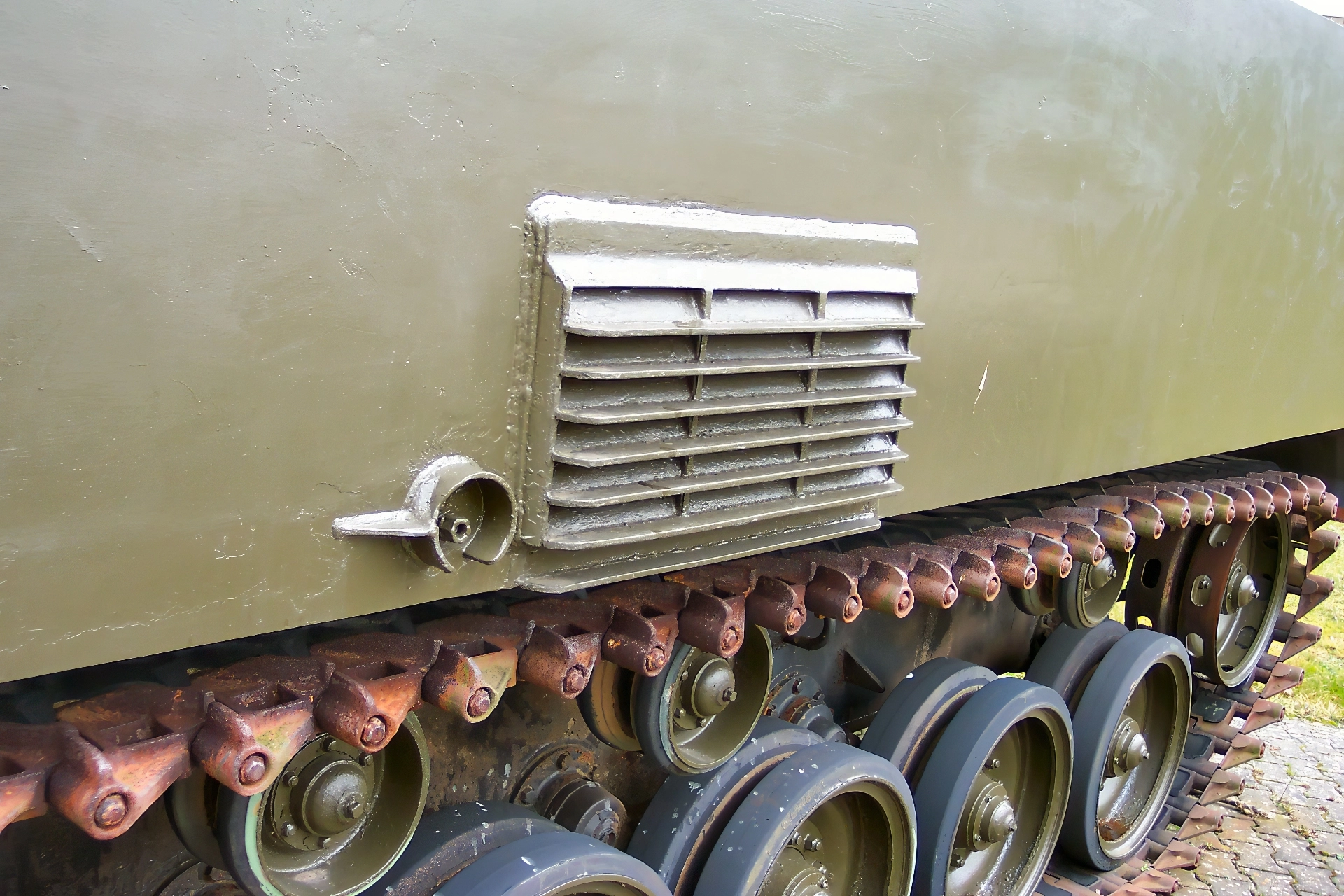
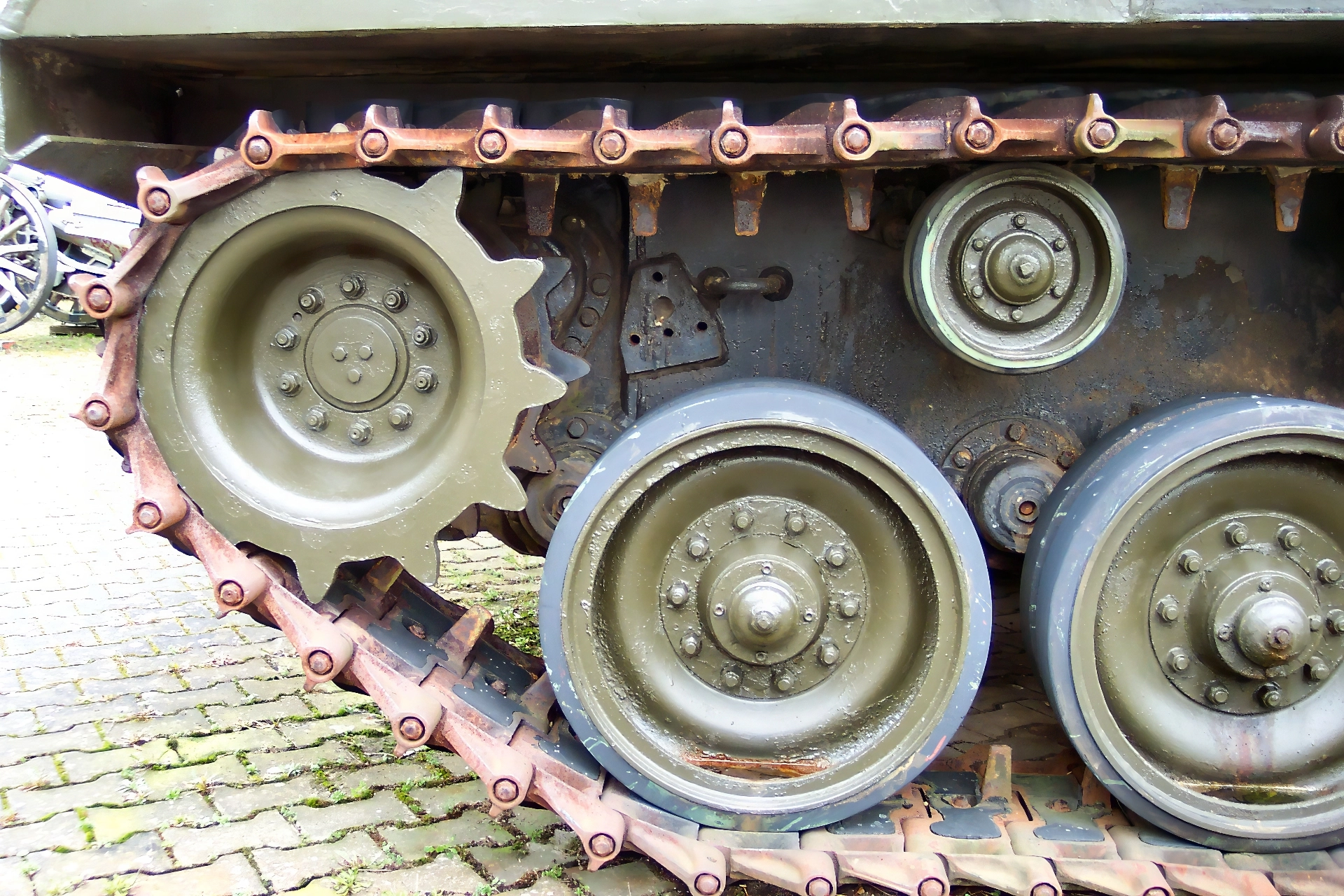
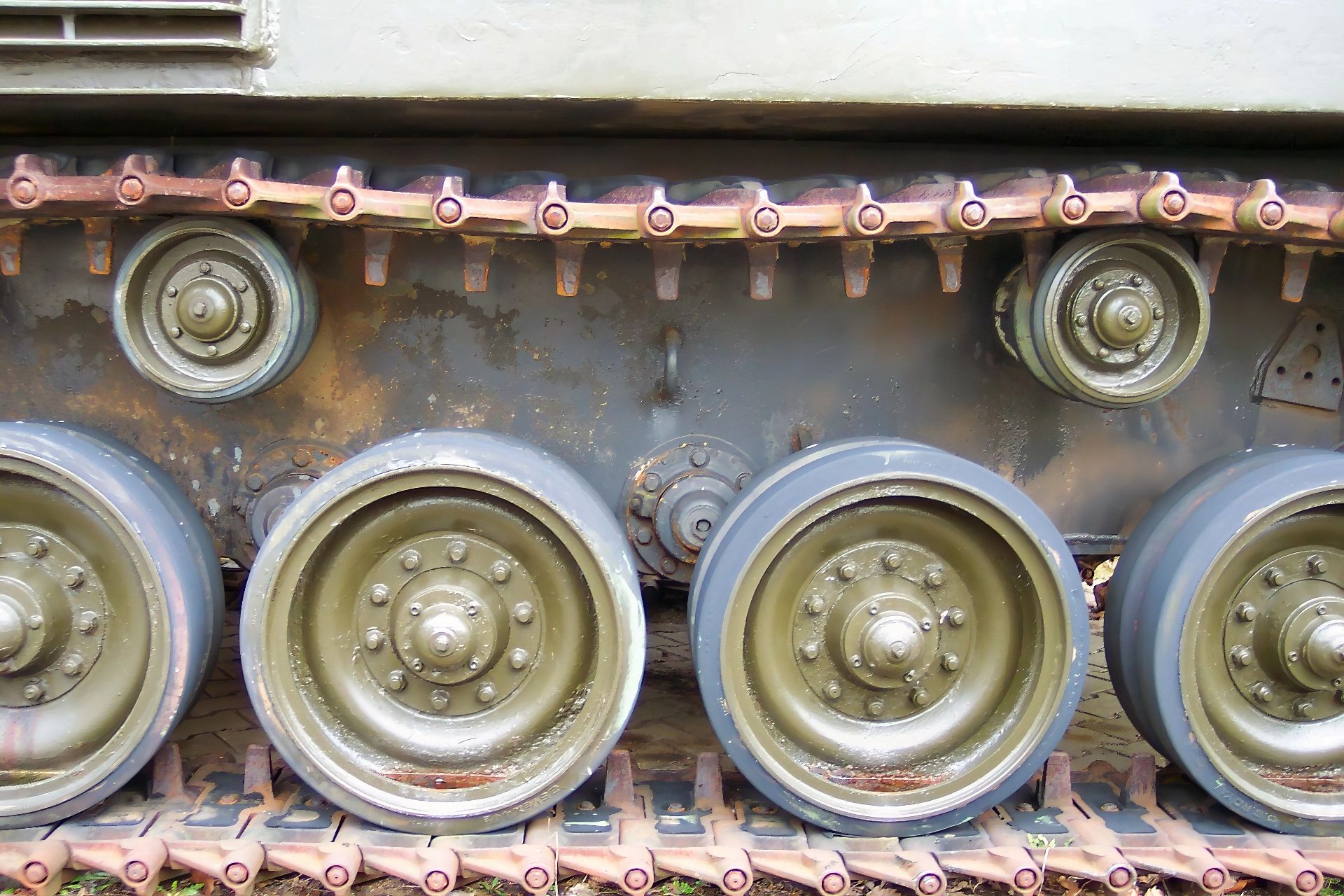
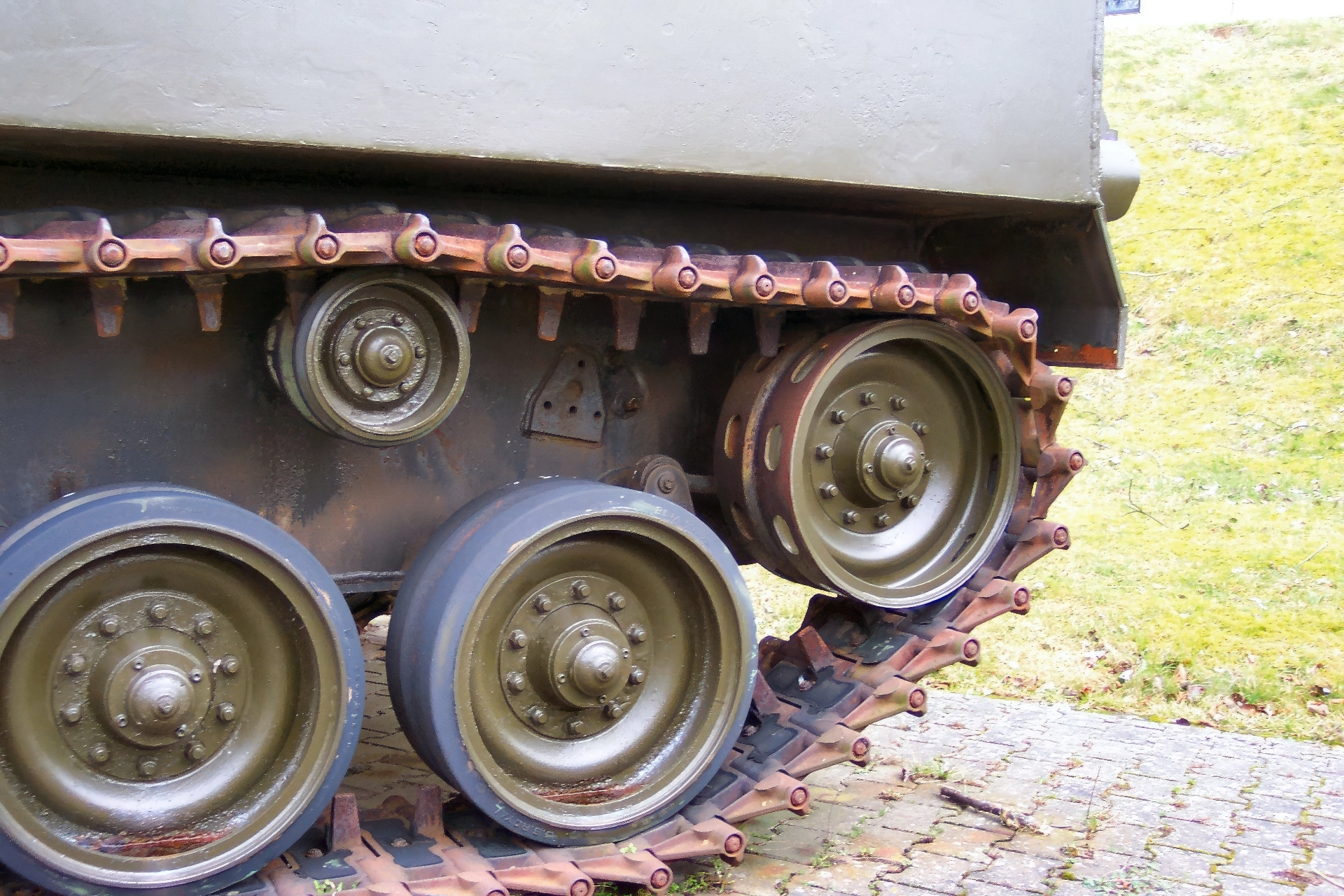

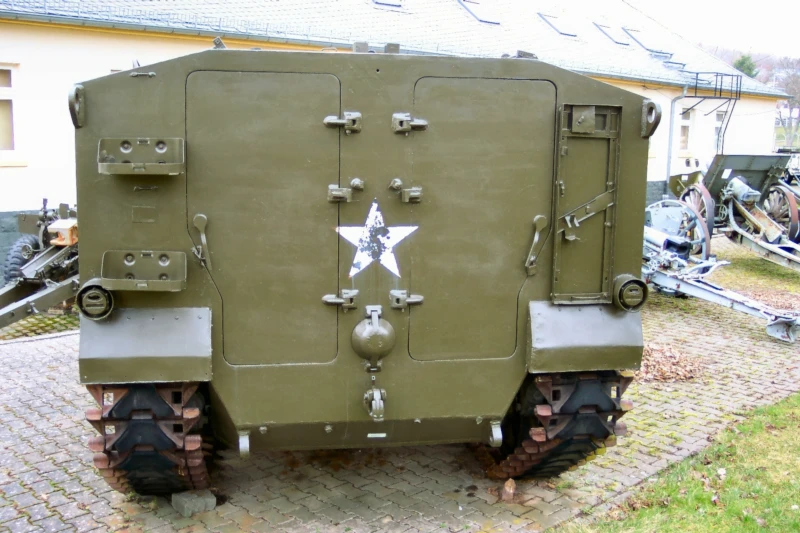
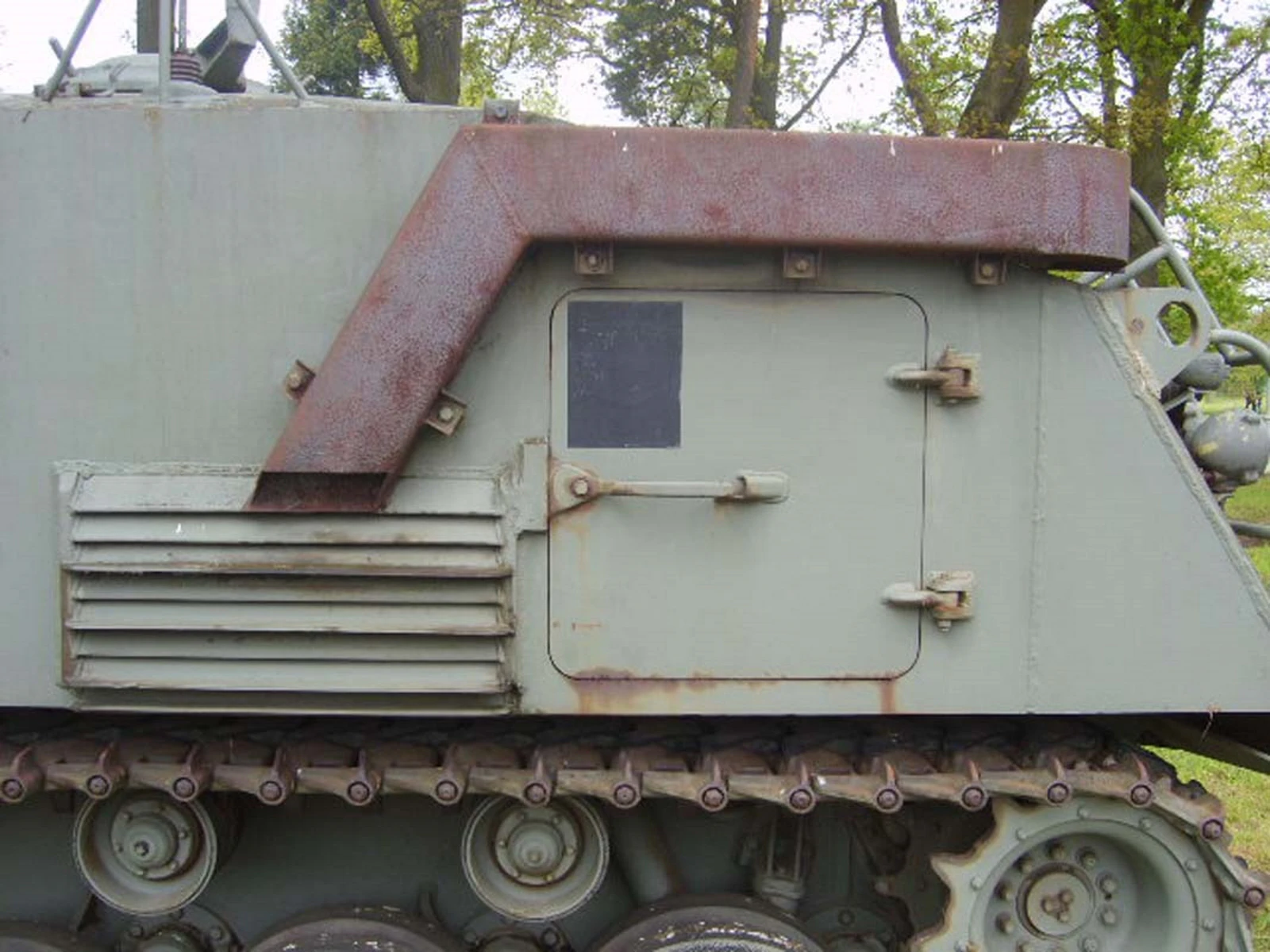
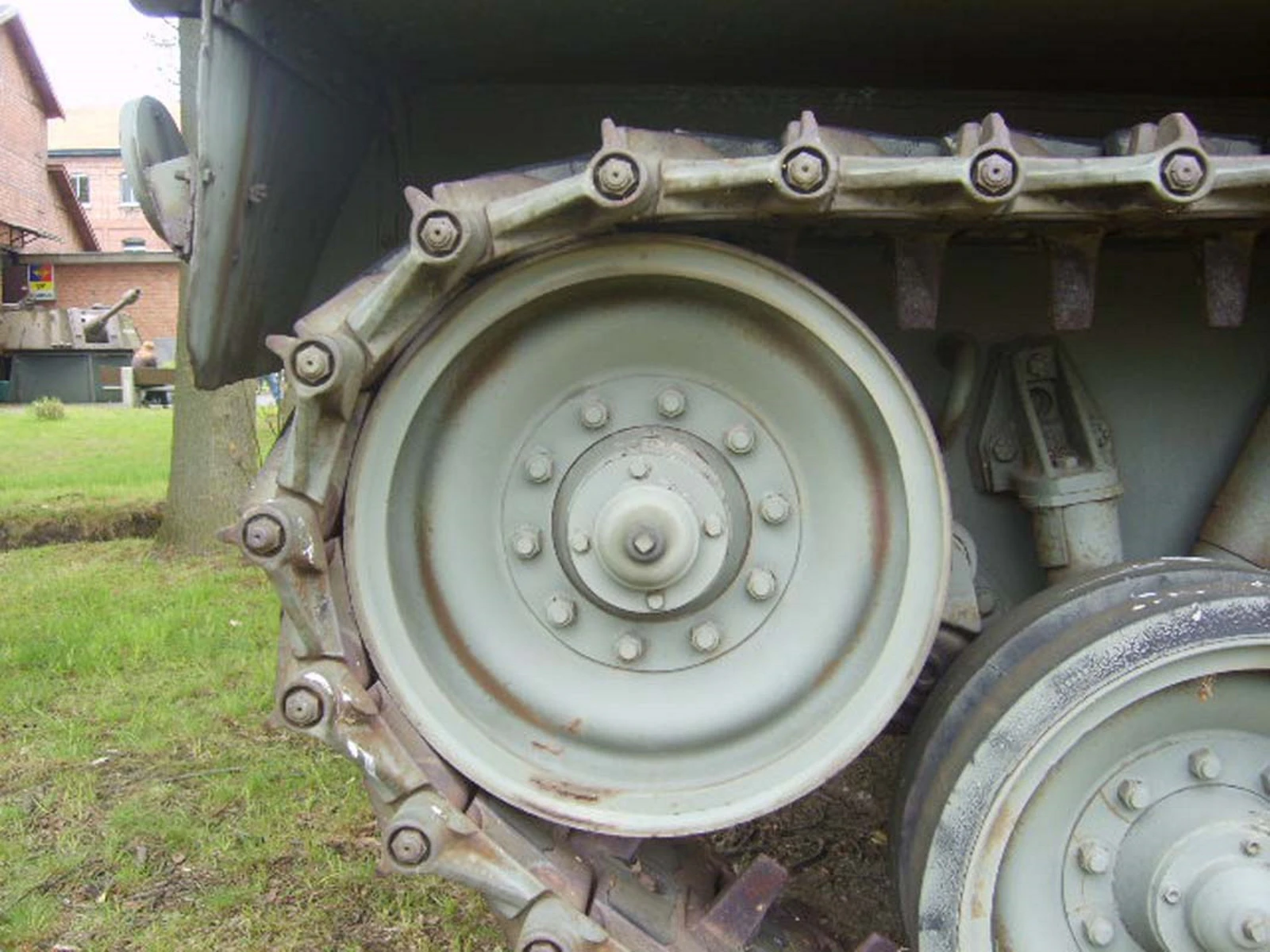
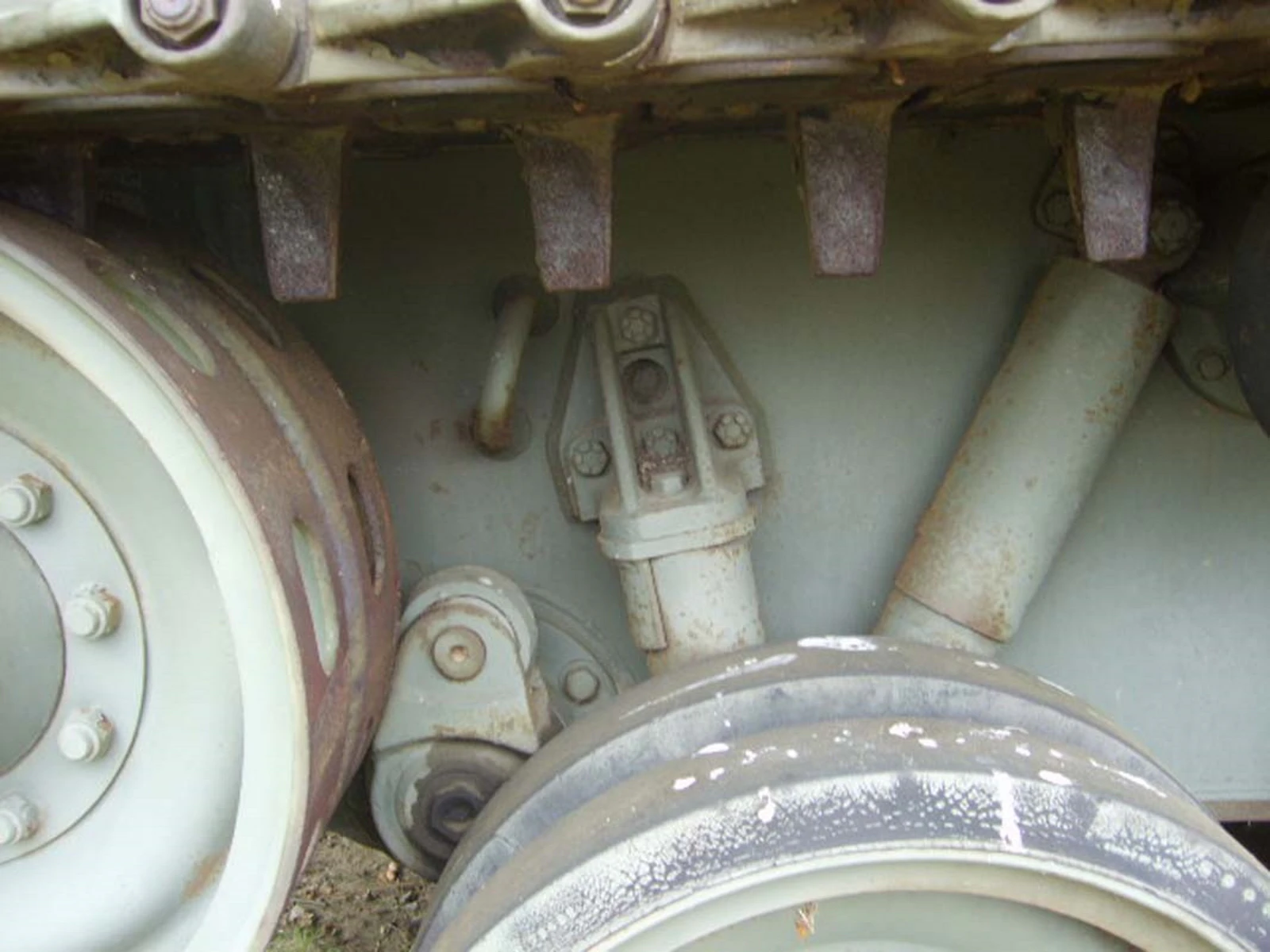
| M75 Armored Infantry Vehicle Walk Around | |
|---|---|
| Fotograf | Ron Bollen |
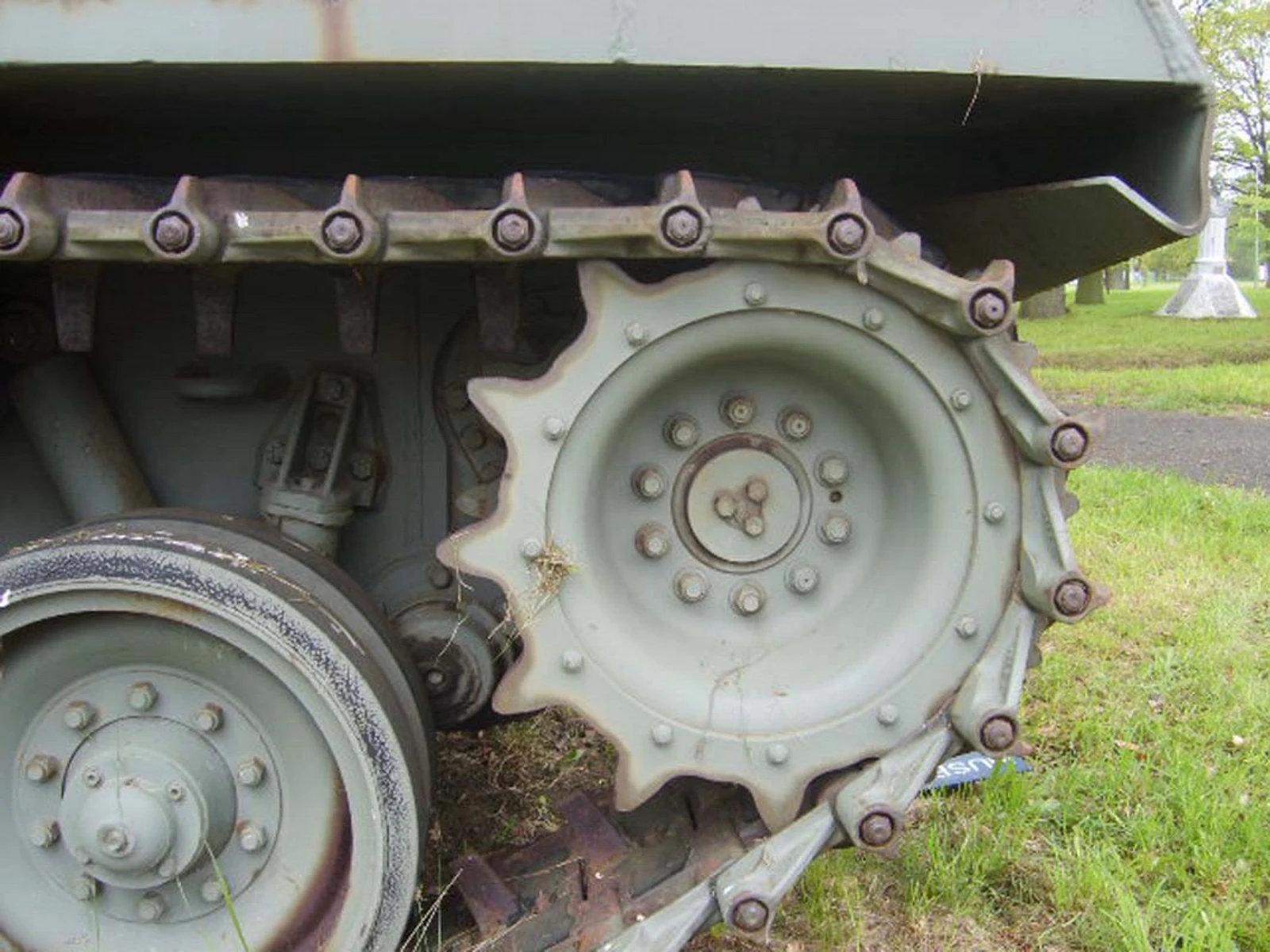
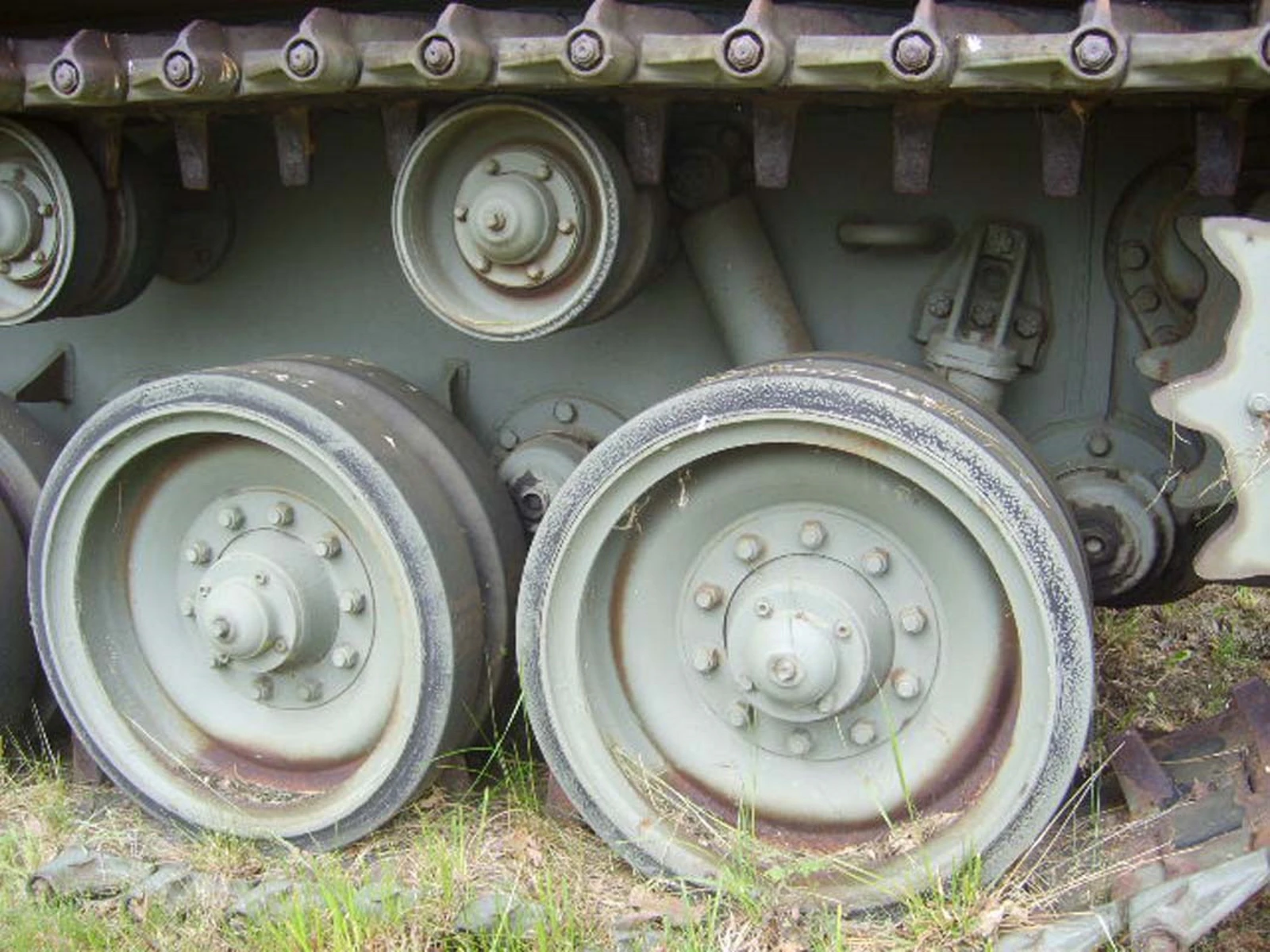
| Lokalizacija | Artillerieschool Brasschaat, Belgium |
| Fotografije | 25 |
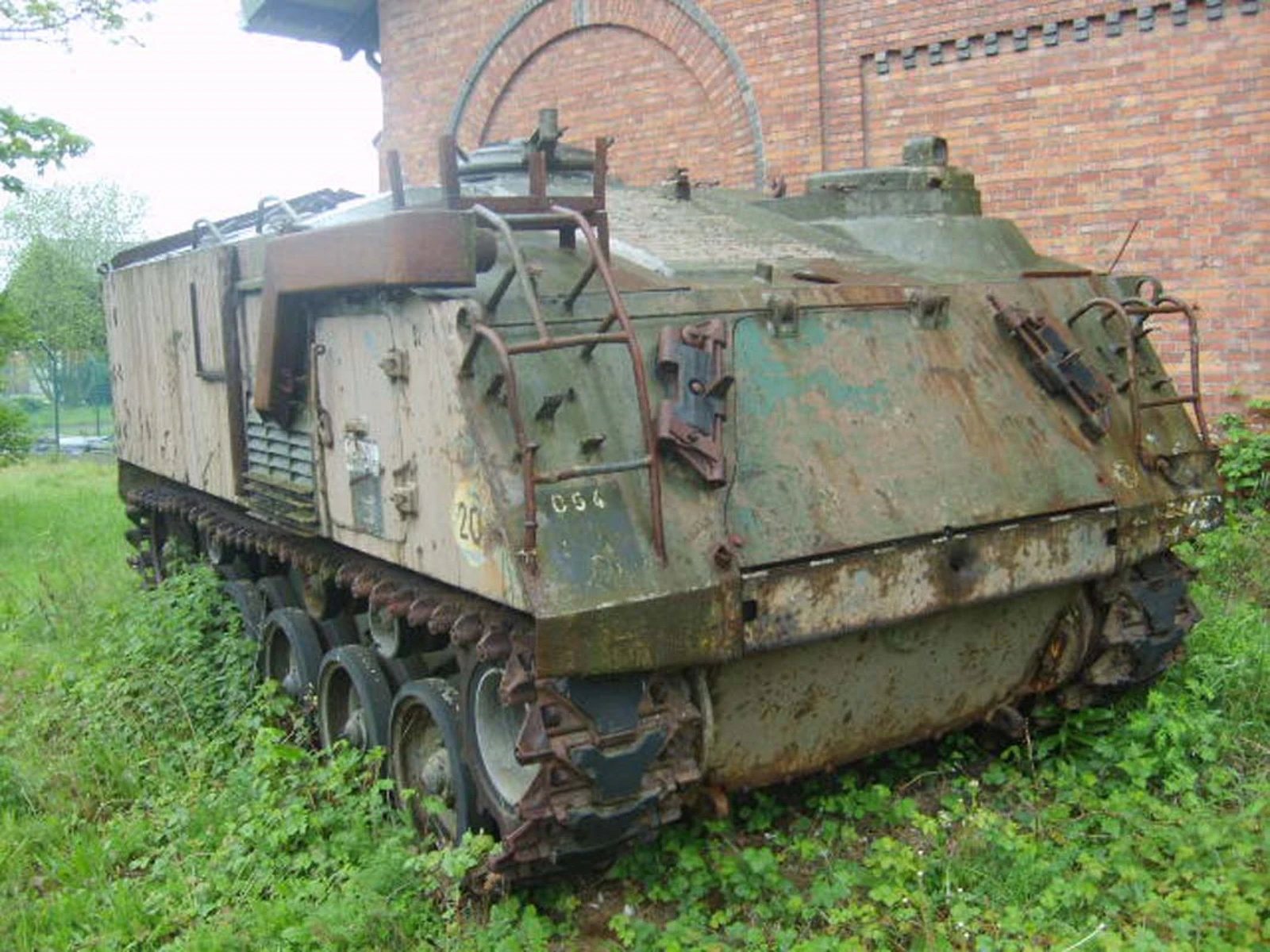
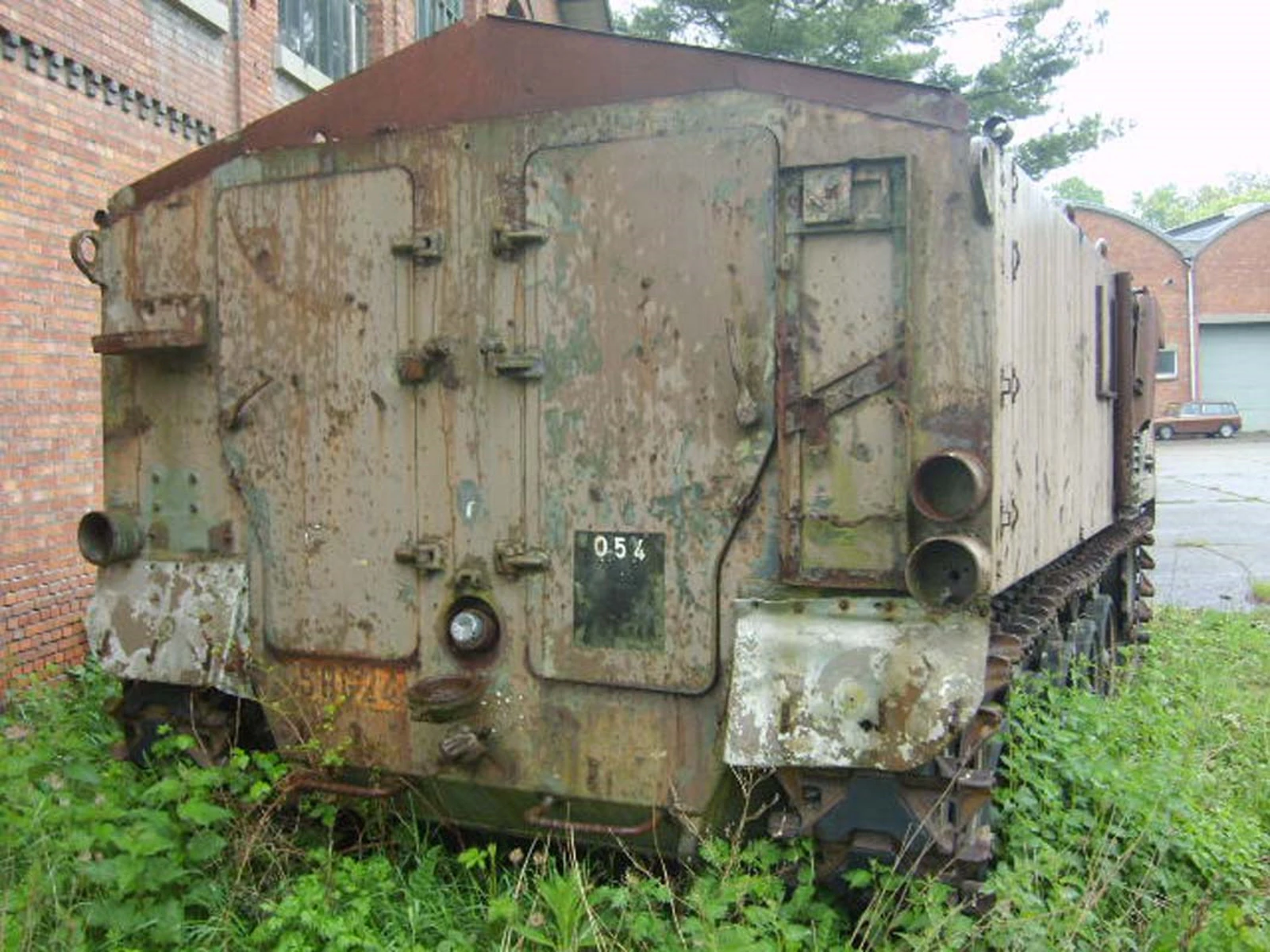
 Časti me kafom
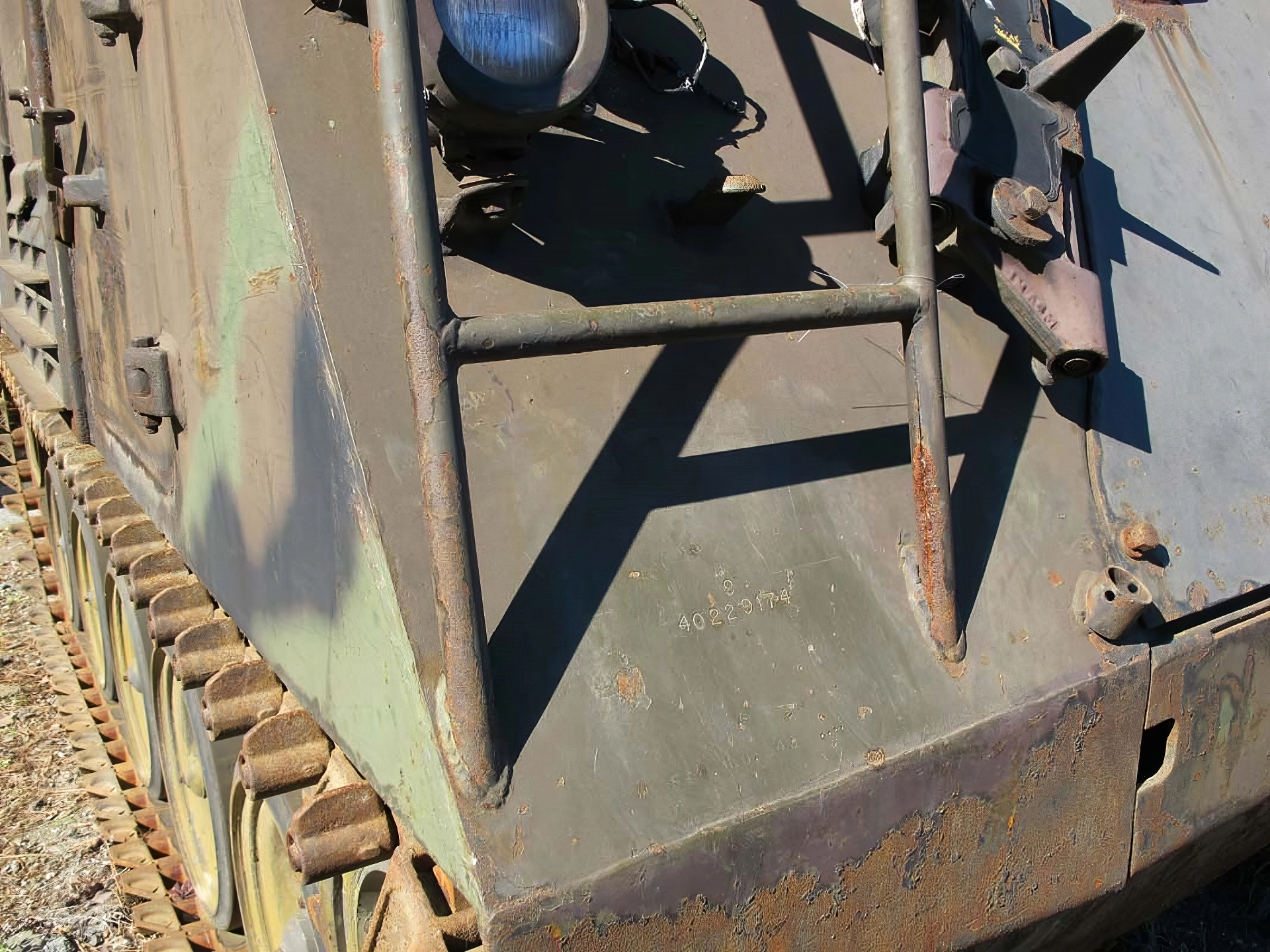
| M75 Armored Infantry Vehicle Walk Around | |
|---|---|
| Fotograf | Vladimir Jakubov |
| Lokalizacija | Fondacija za tehnologiju vojnih vozila |
| Fotografije | 87 |
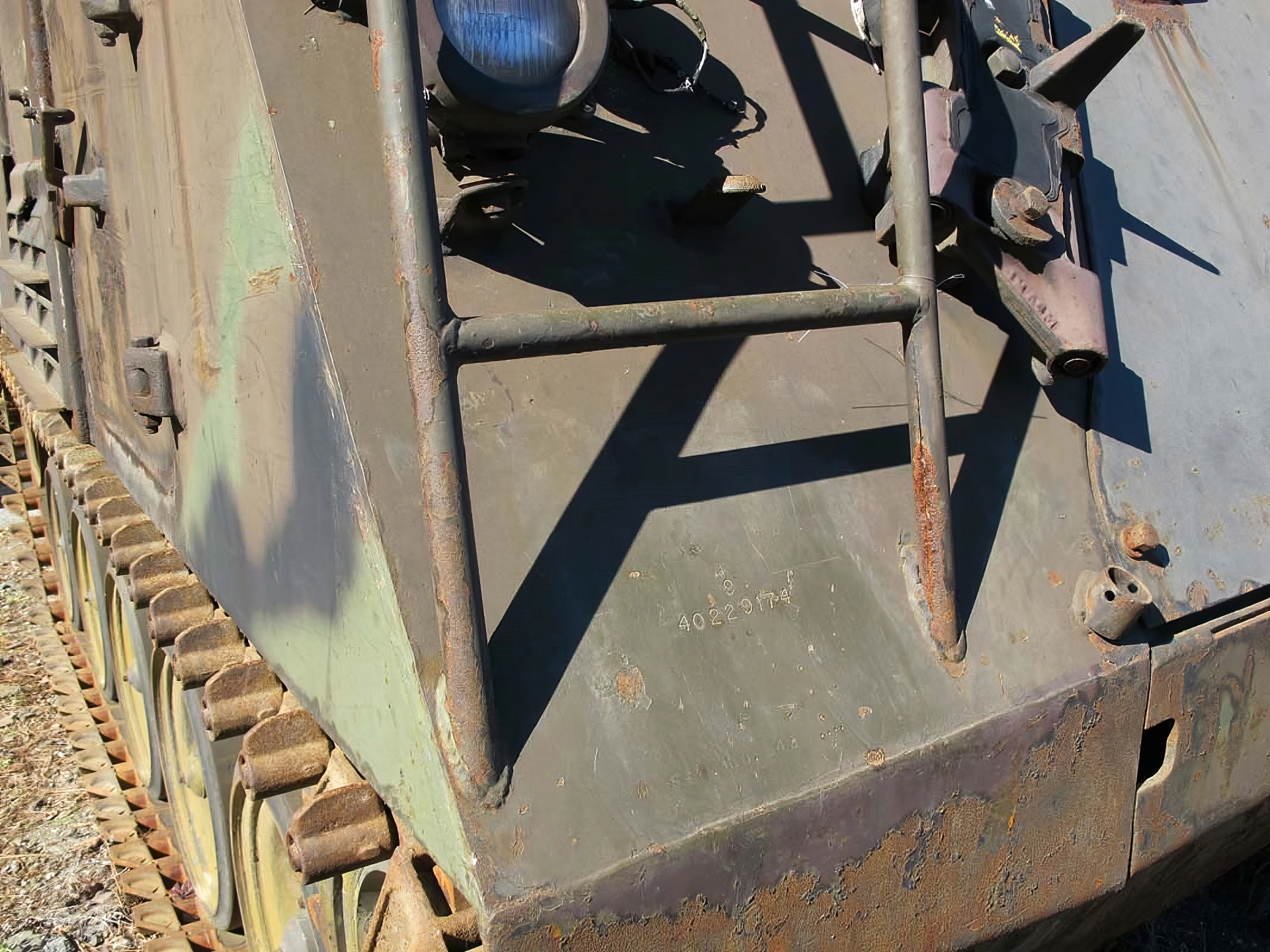
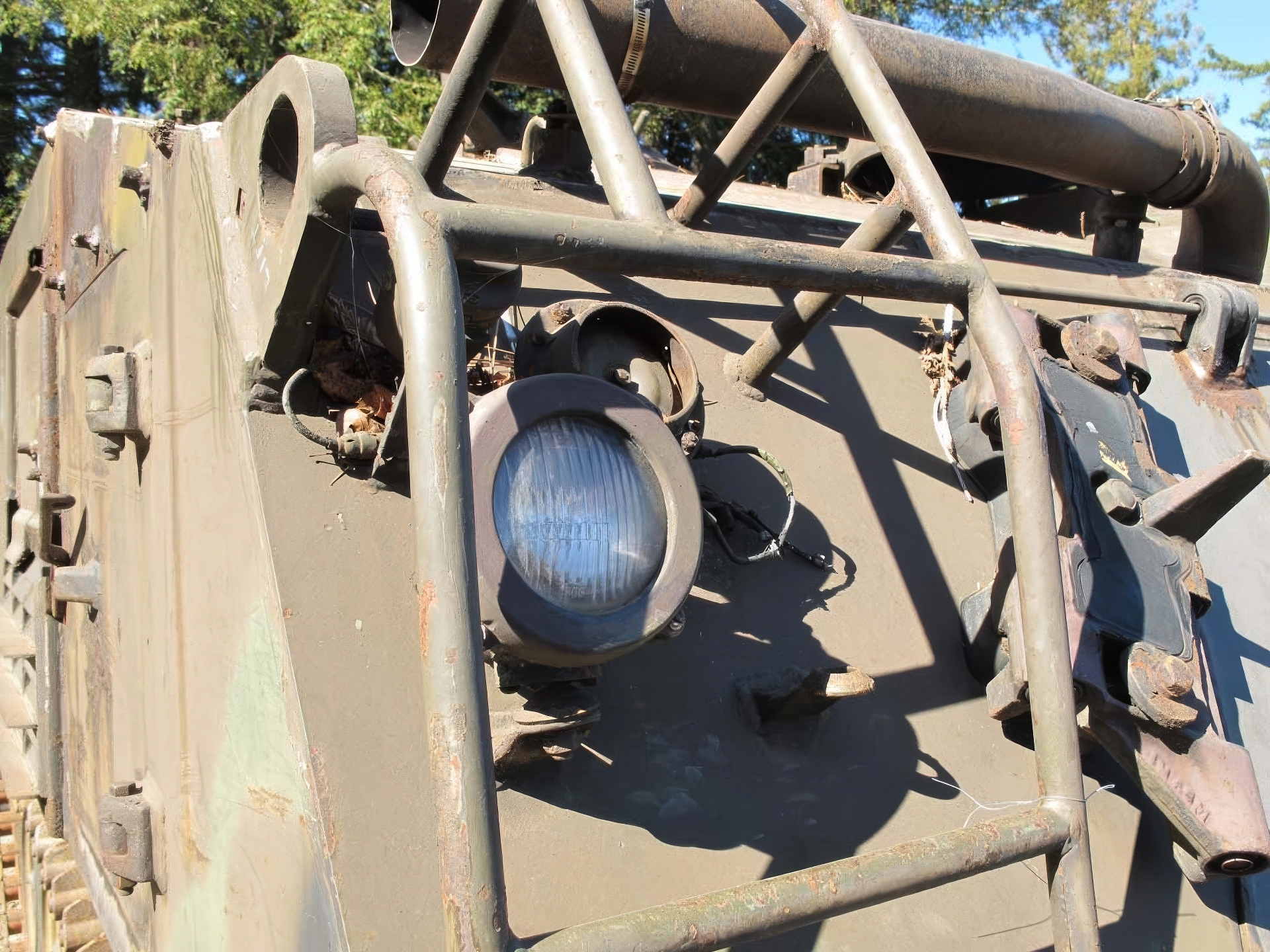
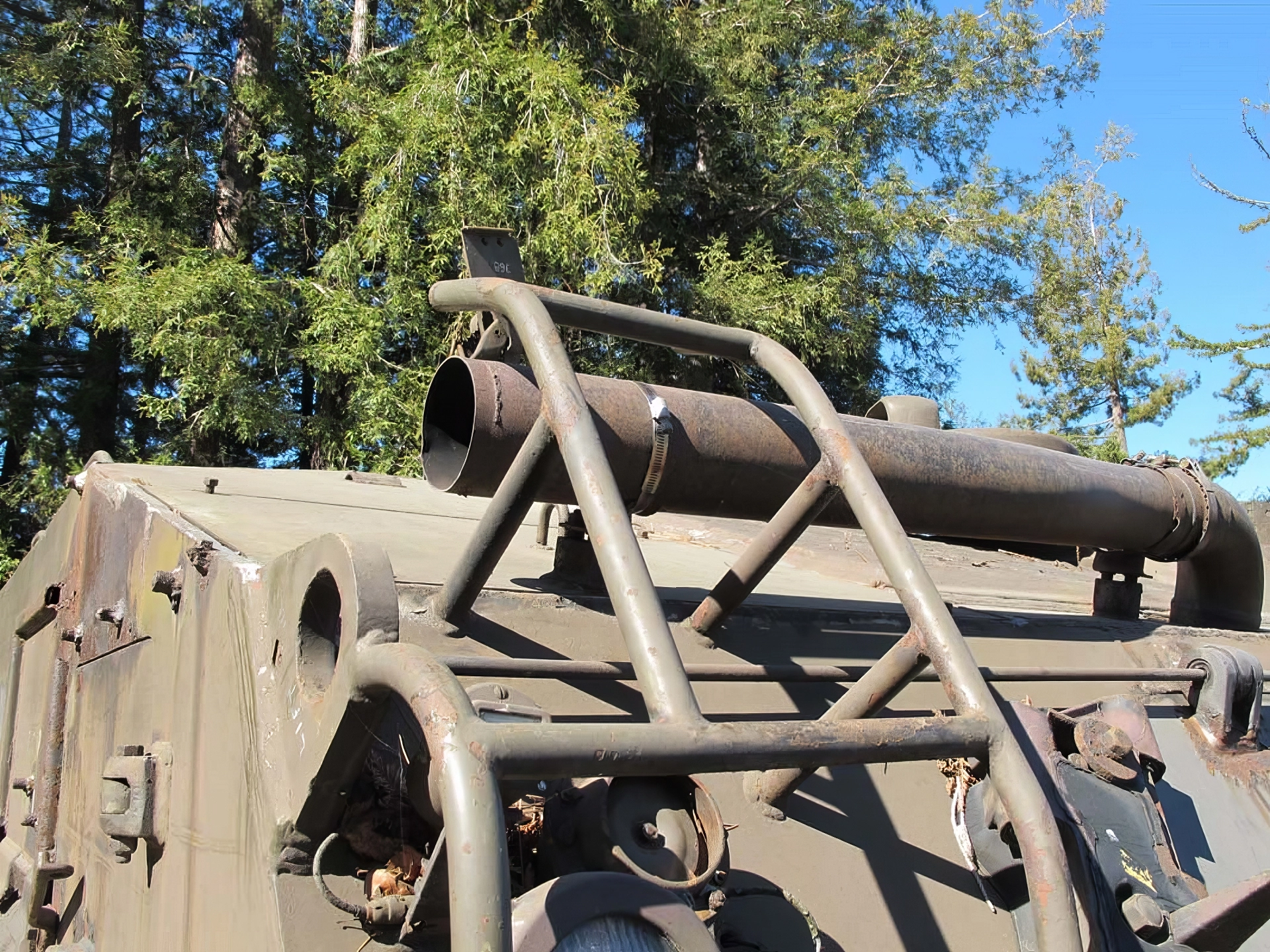
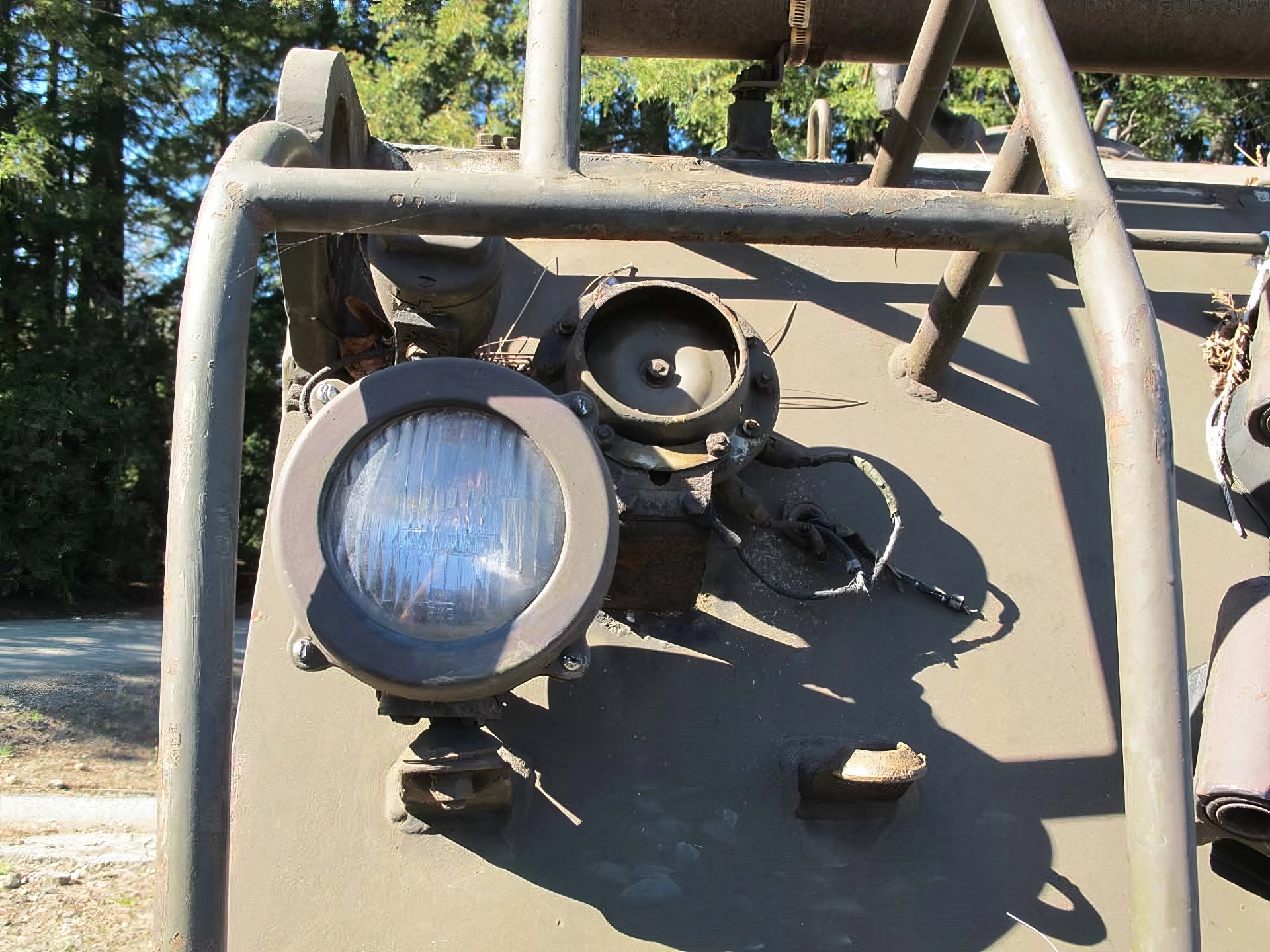
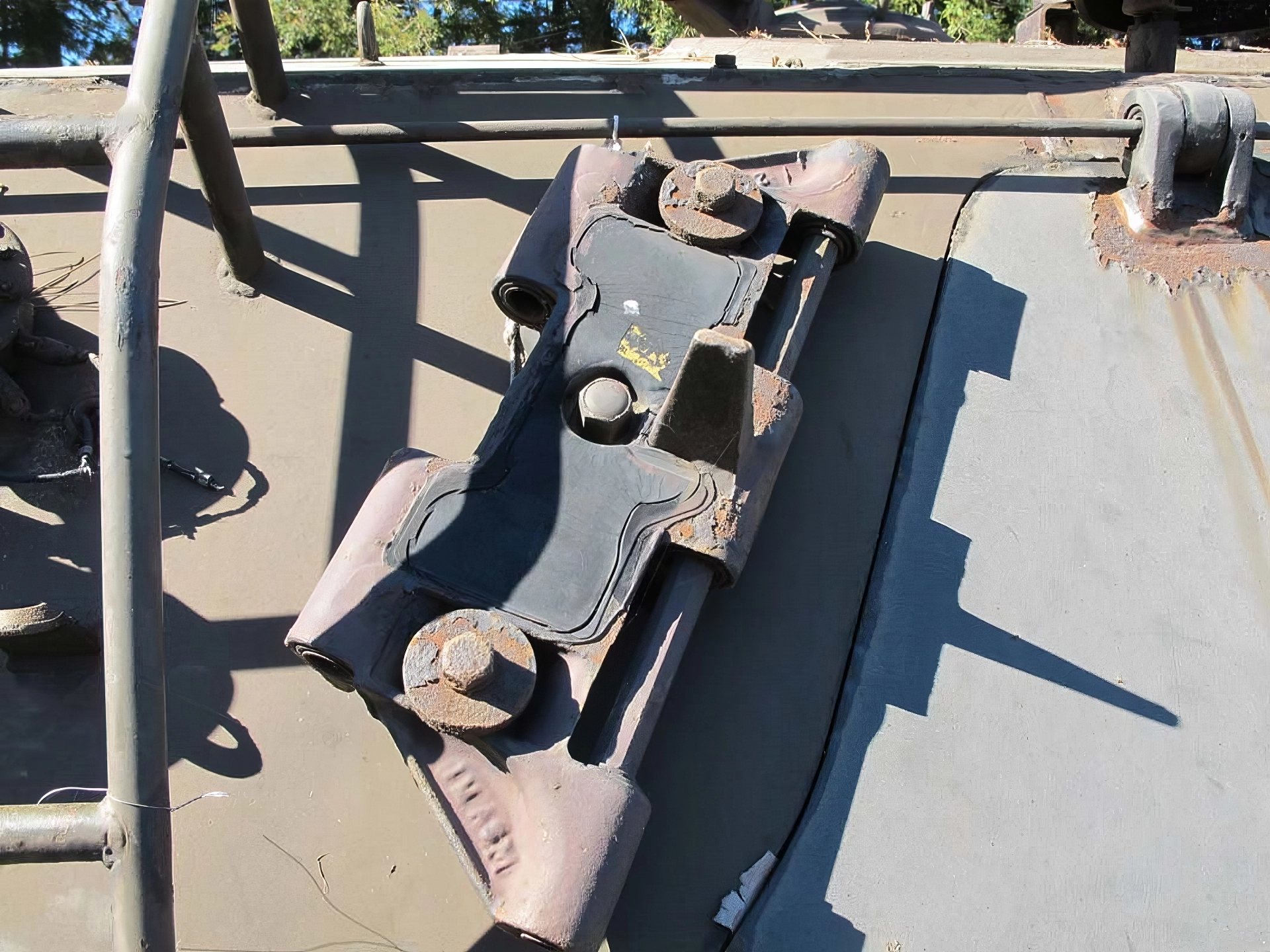
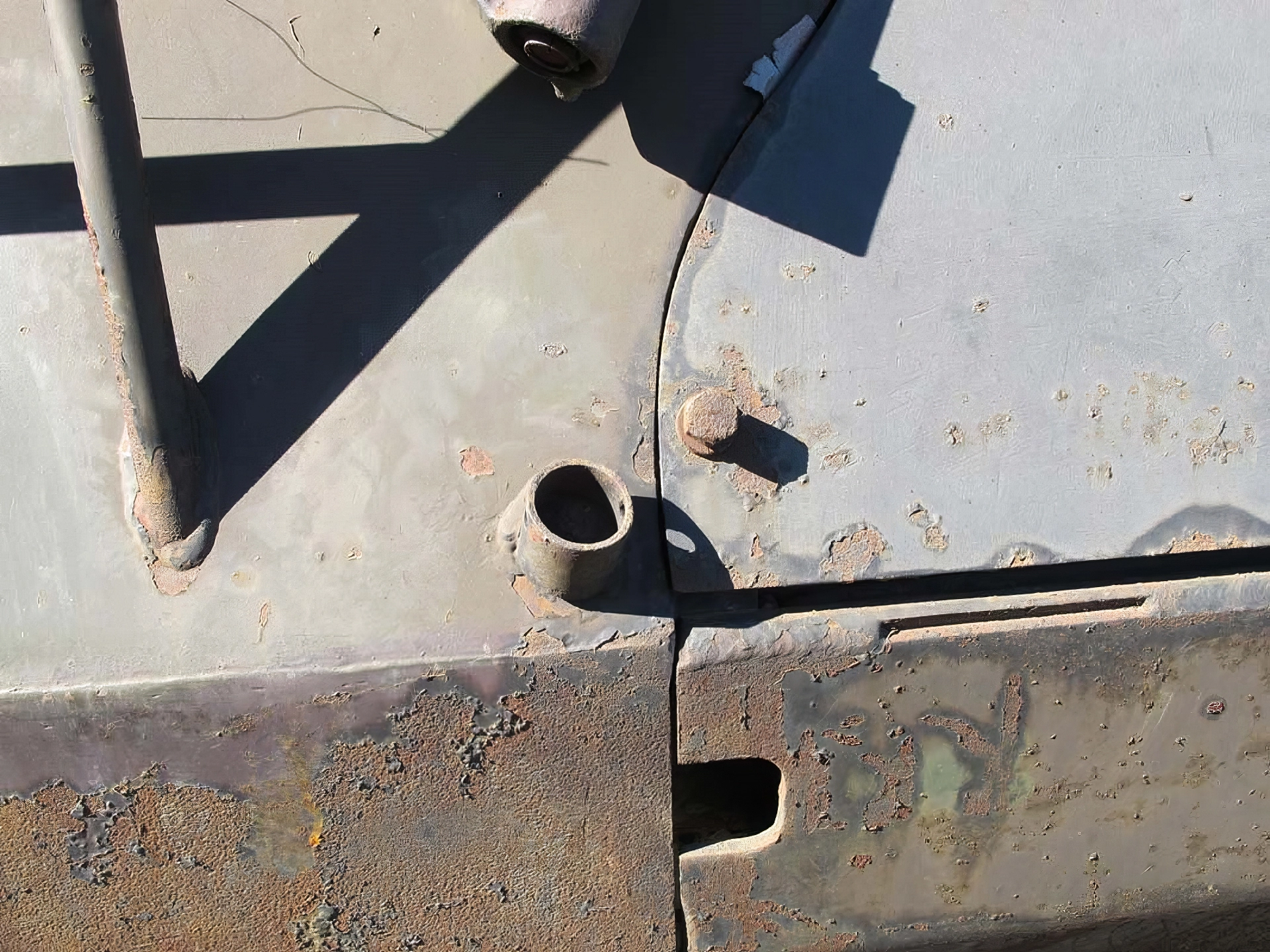
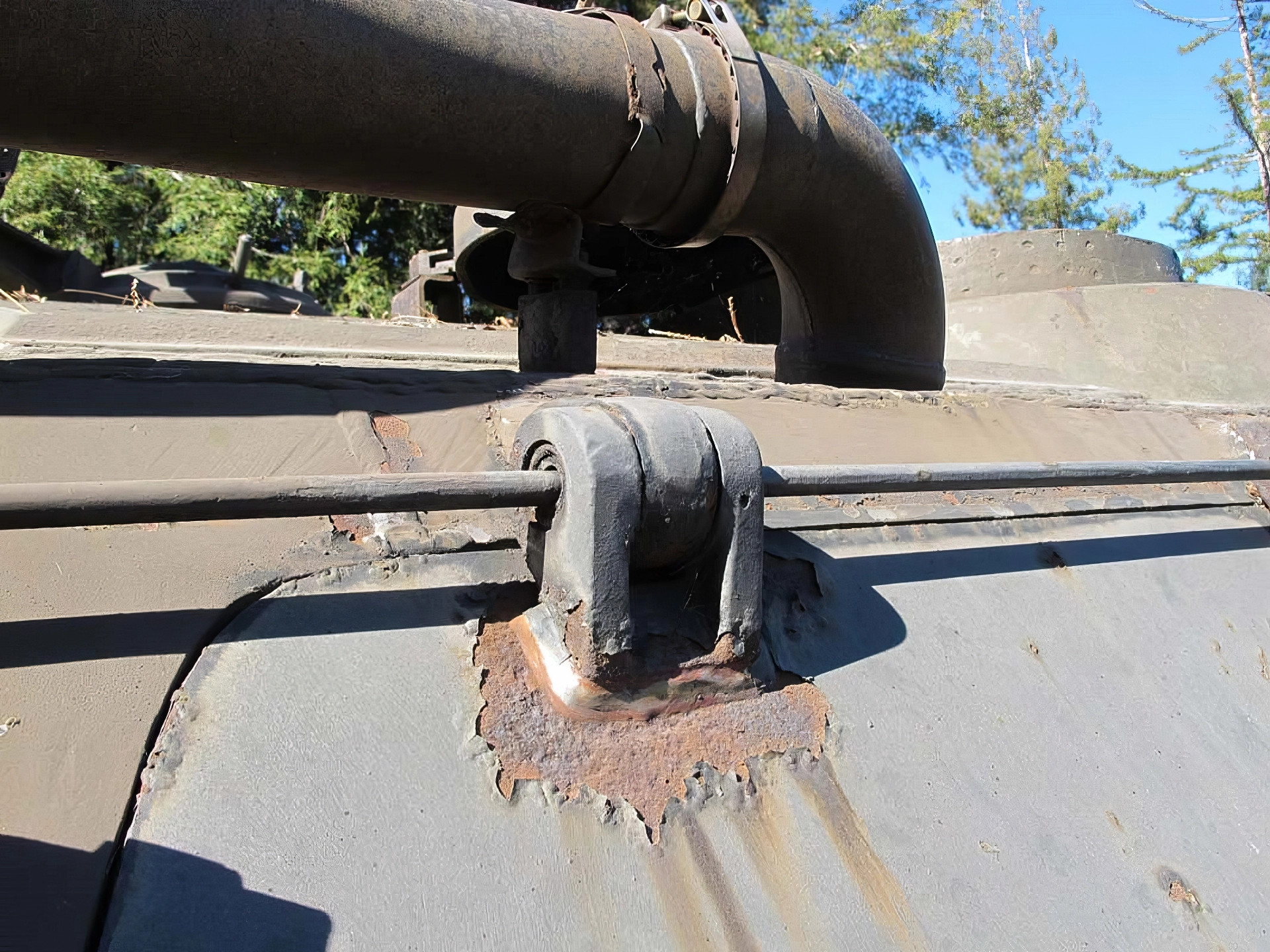
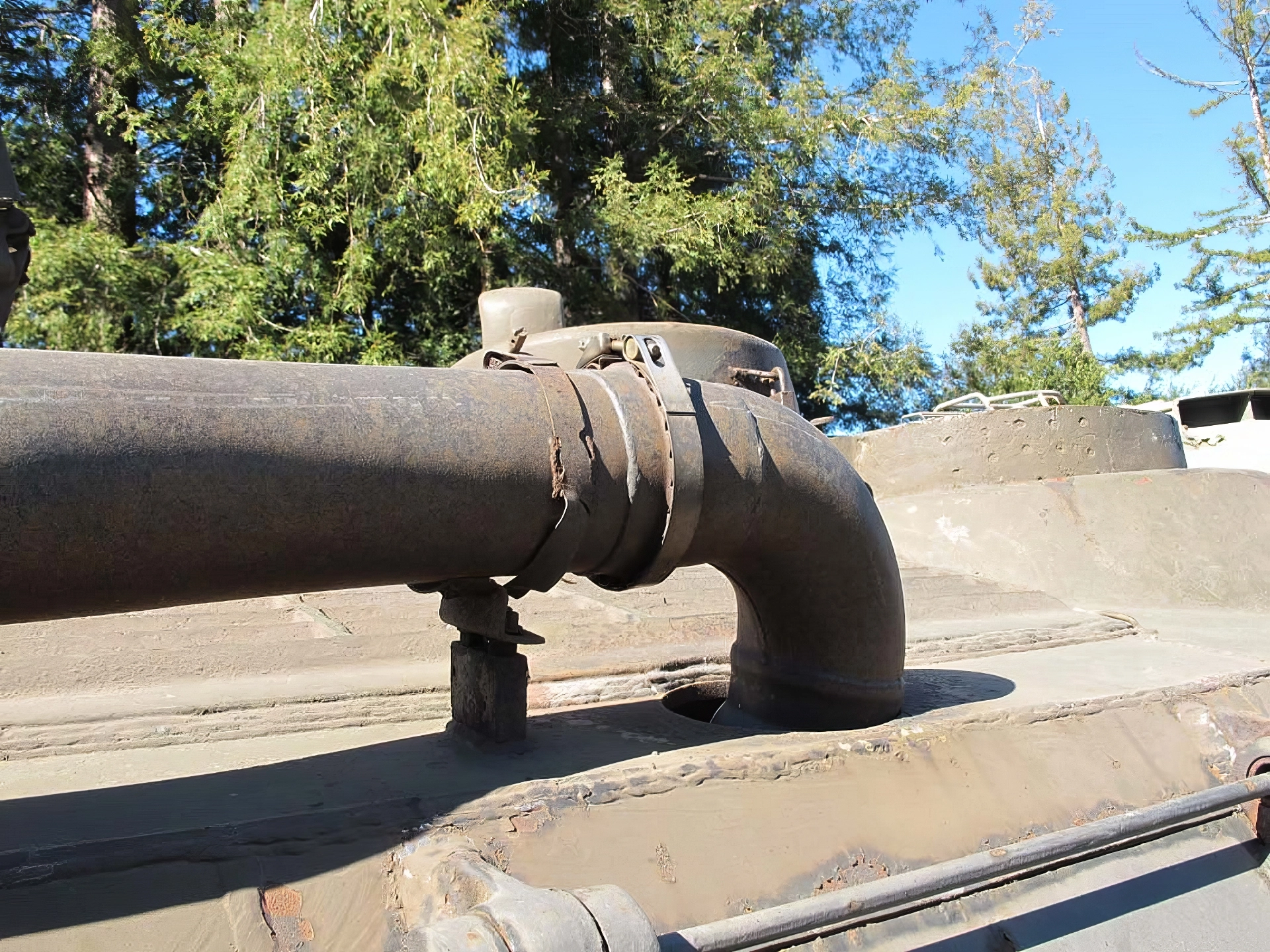
Pogledajte i:


The Blueprint for Modern Infantry Mobility
Čaj M75 was the missing link between the half-tracks of WWII and the iconic M113. Developed in the early 1950s, it was designed to give infantry a vehicle that could keep up with the fast-moving M41 Walker Bulldog tanks. While it was highly mobile and well-armored for its time, it was also incredibly expensive and mechanically complex. Though its production run was short, the M75 established the “battle taxi” doctrine that would define Western mechanized warfare for the rest of the 20th century.
| Attribute | Technical Specification (M75) |
|---|---|
| Ulogu | Armored Personnel Carrier (APC) |
| Posada | 2 (Commander/Gunner, Driver) + 10 Infantry |
| Motor | Continental AO-895-4 6-cylinder petrol (295 hp) |
| Maksimalna brzina | 71 km/h (44 mph) |
| Glavno naoružanje | 1 × .50 caliber M2HB machine gun |
| Armor | 9.5mm to 38mm Steel |
| Teћinu | 18.8 tonnes (Combat Loaded) |
| Transmission | Allison CD-500-3 cross-drive |
Design Engineering: High Speed, High Cost
- Cross-Drive Steering: Borrowing technology from the M41 tank, the M75 featured a sophisticated cross-drive transmission that combined steering, braking, and shifting into one unit. This made it incredibly fast and agile on the battlefield, but also a nightmare for mechanics to repair in the field.
- The “High-Top” Silhouette: Unlike the later M113, the M75 was very tall. This provided plenty of internal room for 10 fully equipped soldiers, but it also made the vehicle a massive target on the horizon.
- Steel Construction: Before the military moved to aluminum with the M113, the M75 was built from heavy welded steel. This offered better protection against heavy machine guns than its successors, but the weight meant it could not “swim” and was difficult to transport by air.
- The Commander’s Cupola: The commander sat in a dedicated cupola with a 360-degree view, manning the .50 caliber machine gun. This provided excellent situational awareness but left the commander partially exposed during combat.
Combat History: The Trial in Korea
- The Korean War: The M75 saw limited but vital action in the later stages of the Korean War. It proved that tracked carriers were far superior to half-tracks in the rugged, muddy Korean terrain, successfully delivering troops directly into “hot” landing zones.
- The Cost of Excellence: An M75 cost roughly $72,000 in 1952 dollars (nearly $800,000 today). Because the Army wanted a cheaper, amphibious alternative, production was halted after only about 1,700 units.
- The Belgian Connection: After being retired from US service in the mid-50s, many M75s were handed over to the Belgian Army. They remained a staple of Belgian mechanized units until the 1980s, outlasting their US service life by decades.
- Evolutionary Step: The lessons learned from the M75’s mechanical complexity and high cost led directly to the development of the M59, and eventually, the legendary M113.
Views : 5958
Možete videti i :
 Panhard PVP – Fotografije i video zapisi
 Loyd Carrier – Photos & Videos
 Francuski VAB – Photos & Video
 IDF Achzarit – Photos & Video
 SPz kurz KrKW Hotchkiss – Photos & Video
 Pansarbandvagn 301 – Photos & Video
 Oklopno borbeno vozilo M114 – Photos & Video
 M113 – Photos & Video
 BTR-4 – WalkAround
 M59 APC – WalkAround