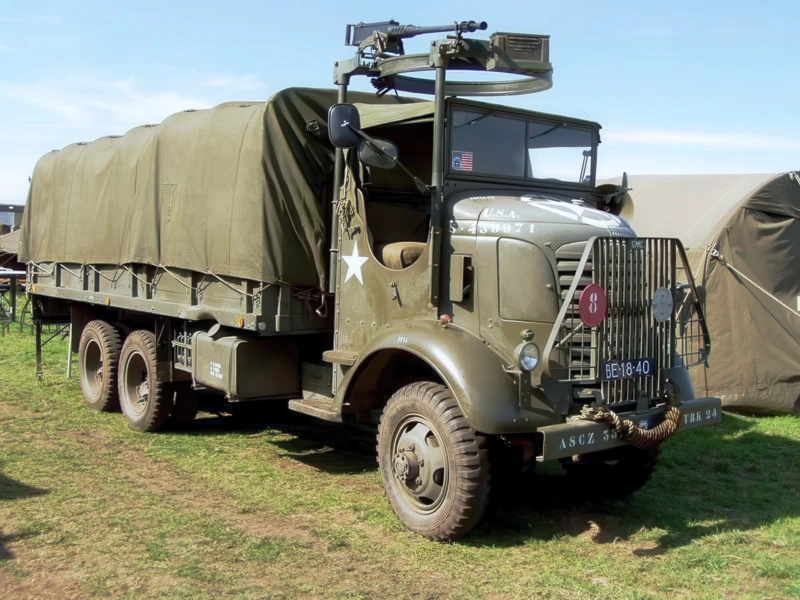
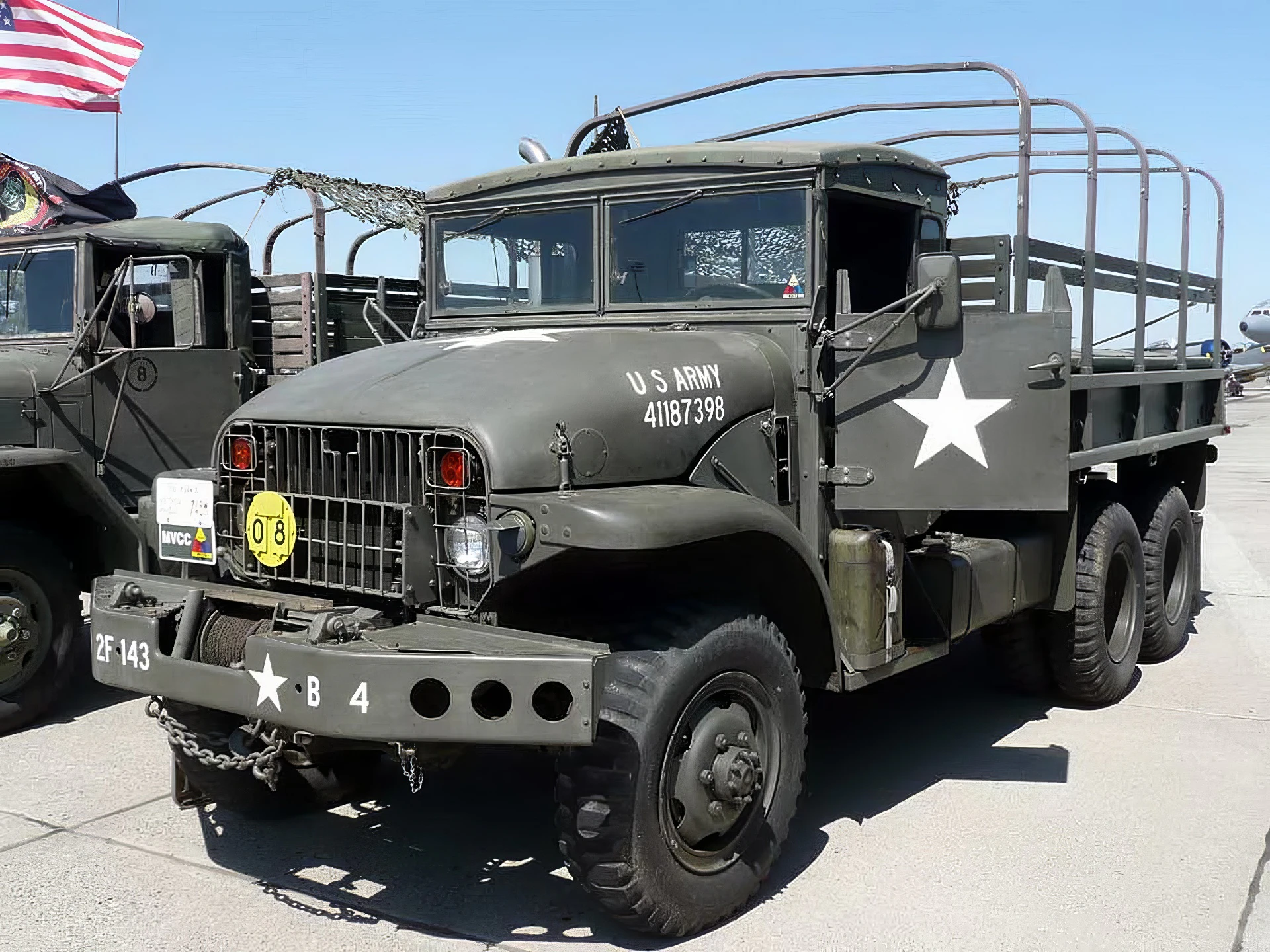
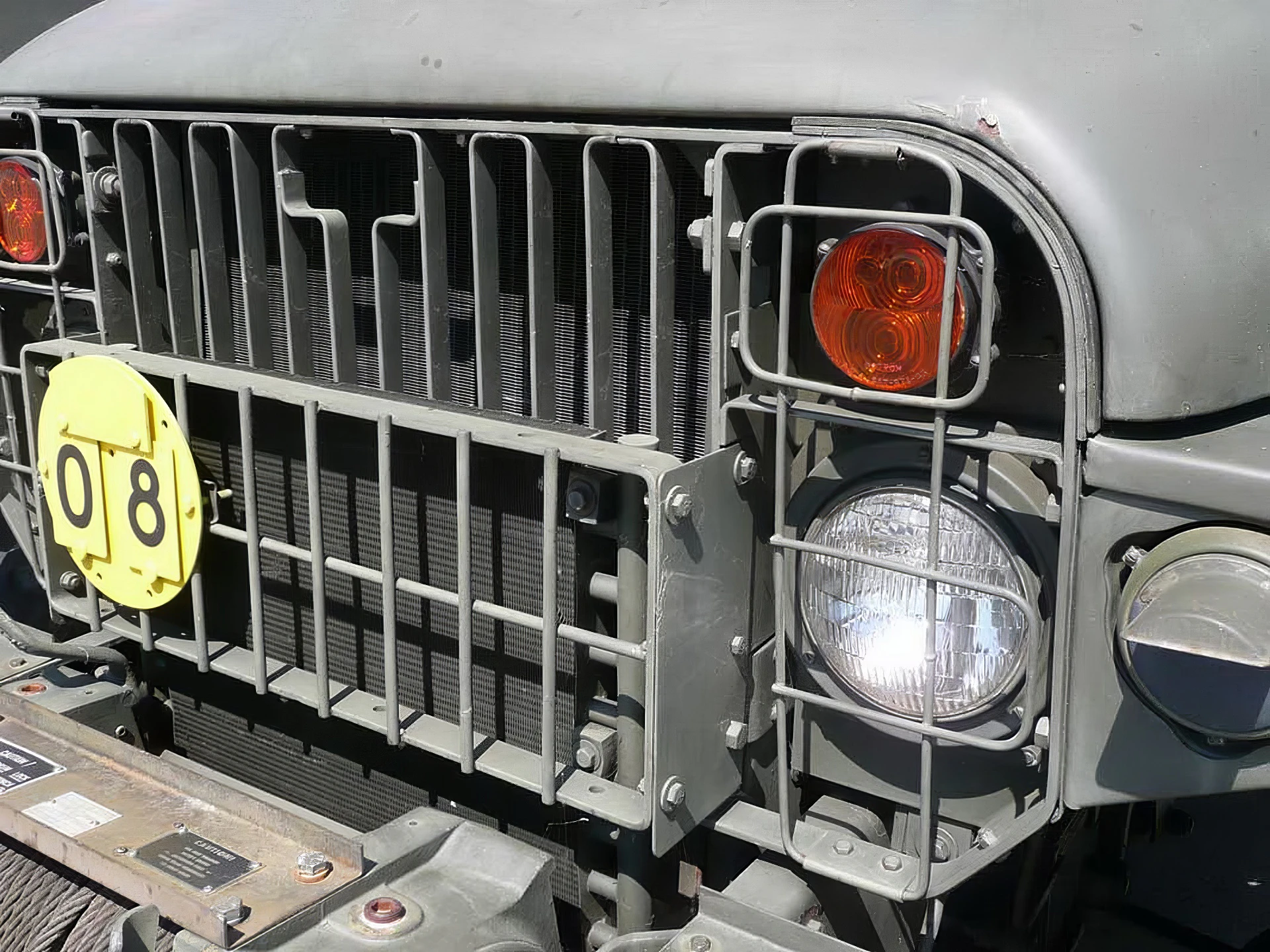
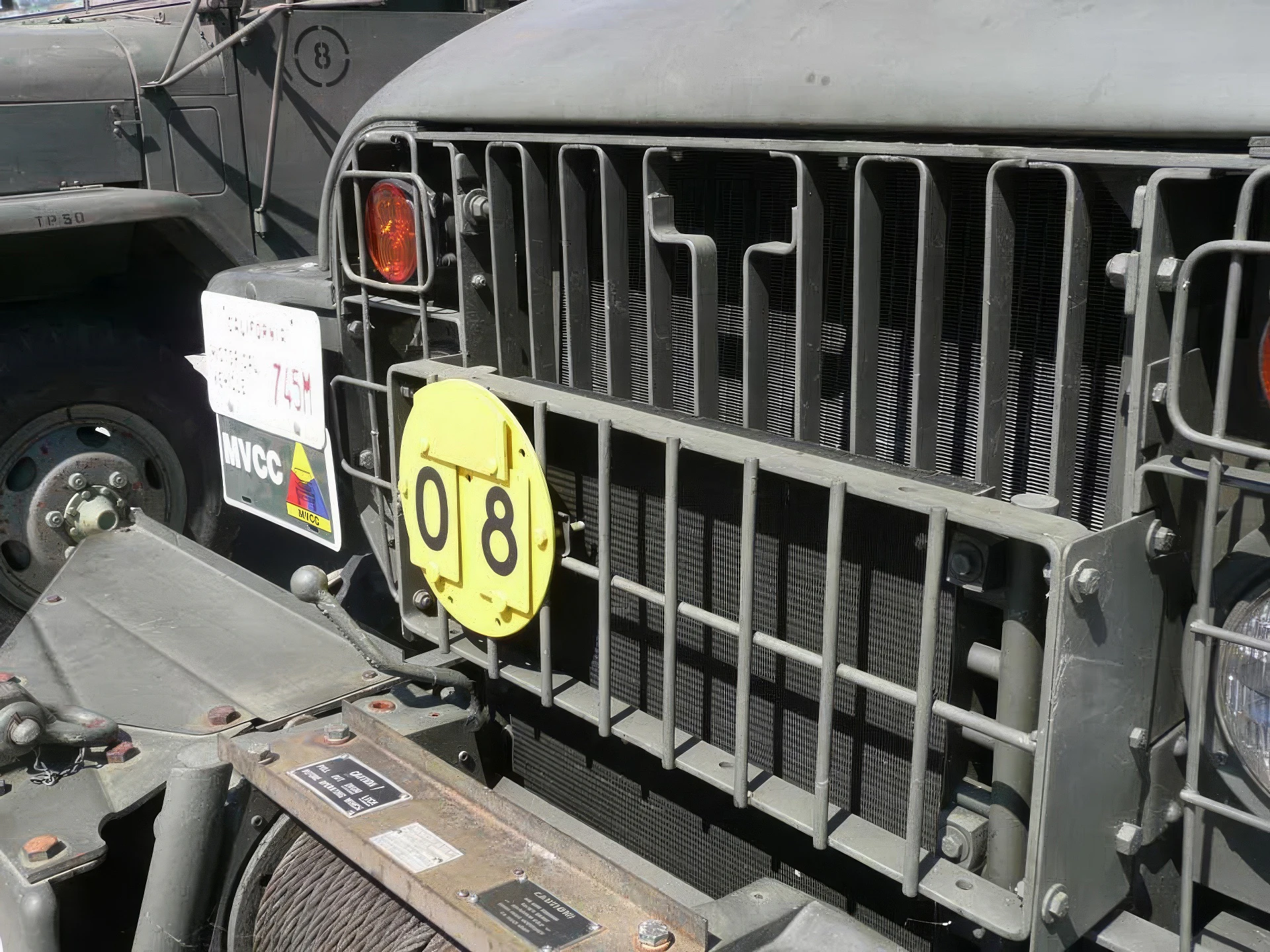
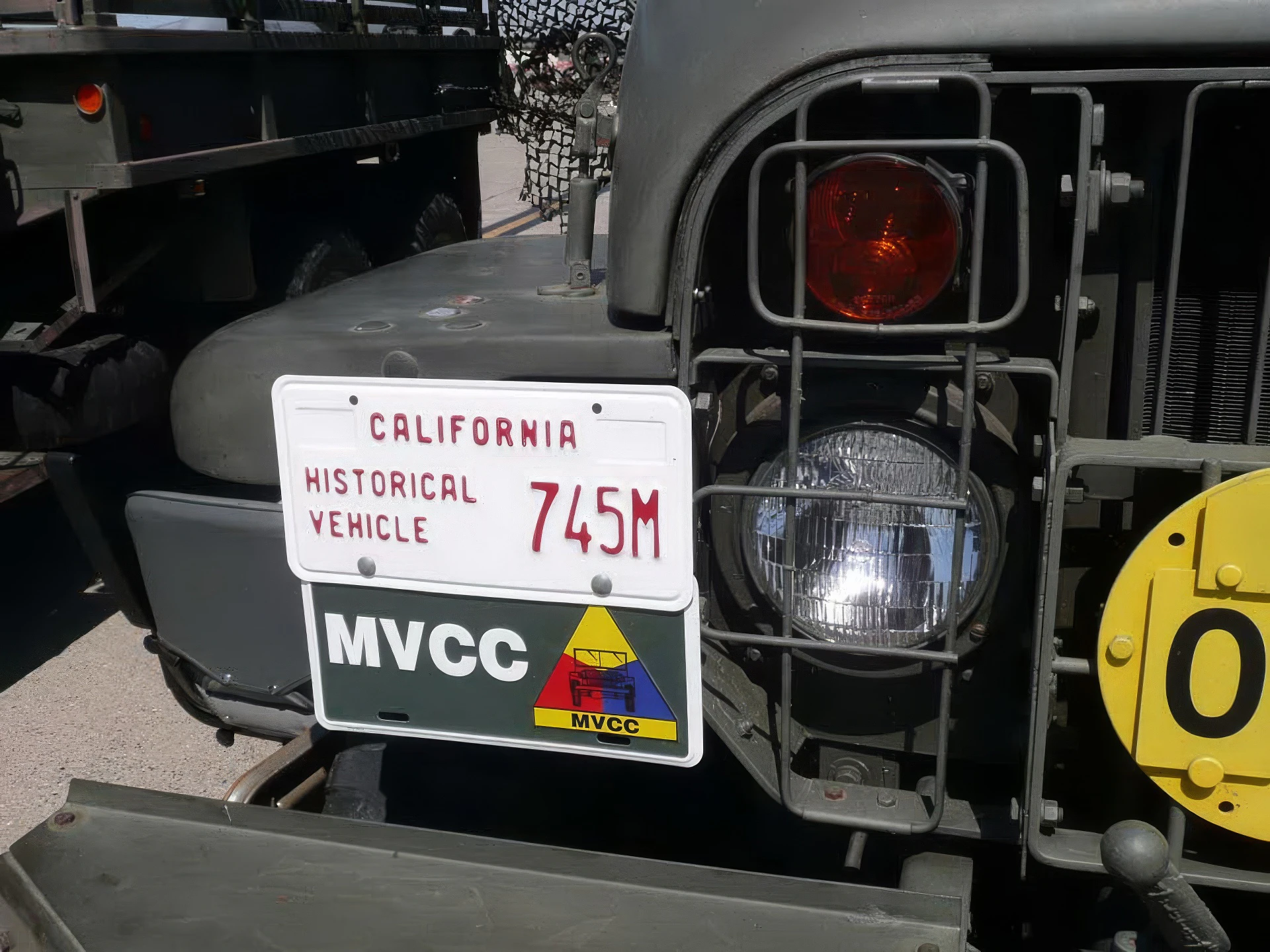
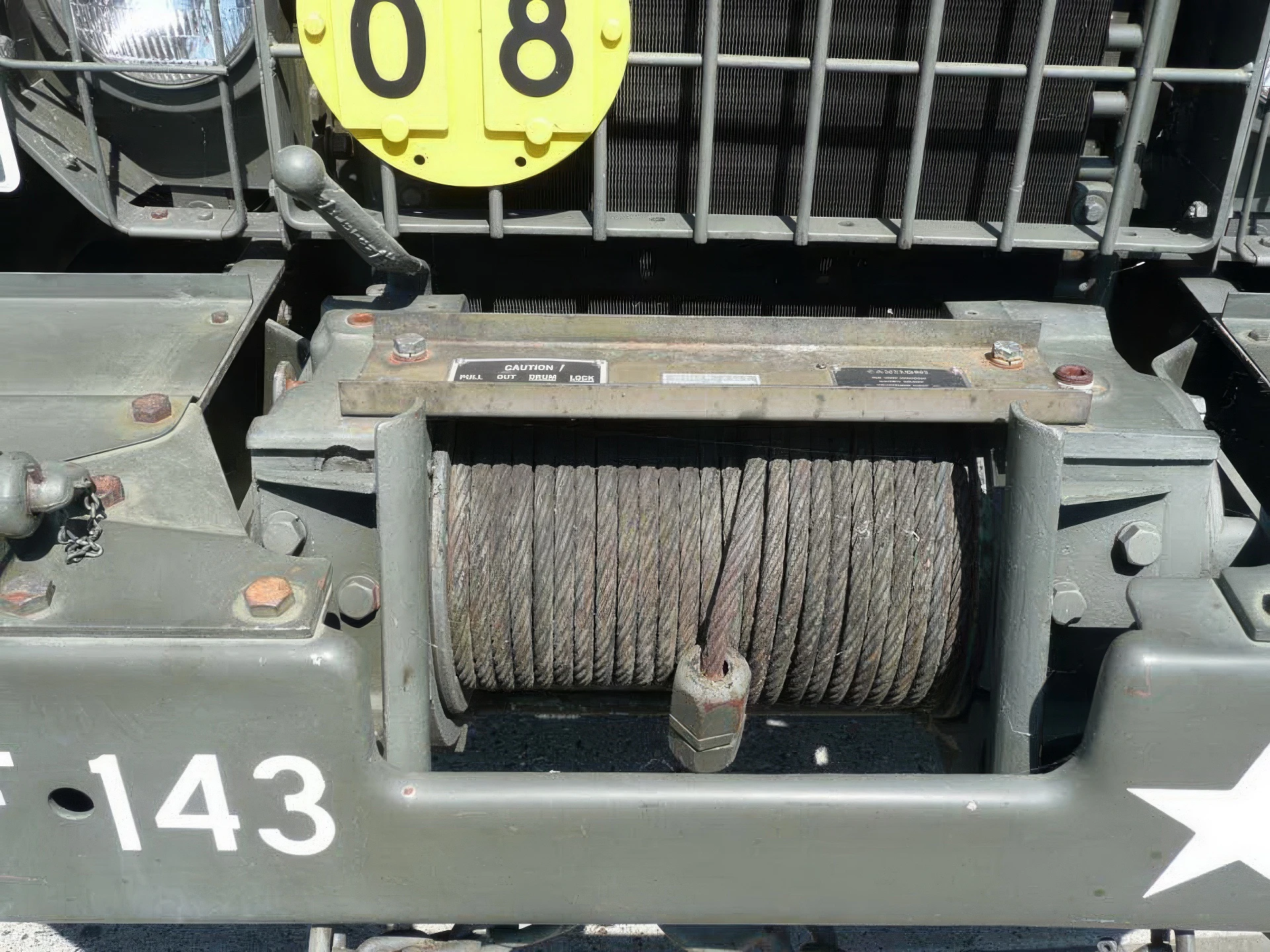
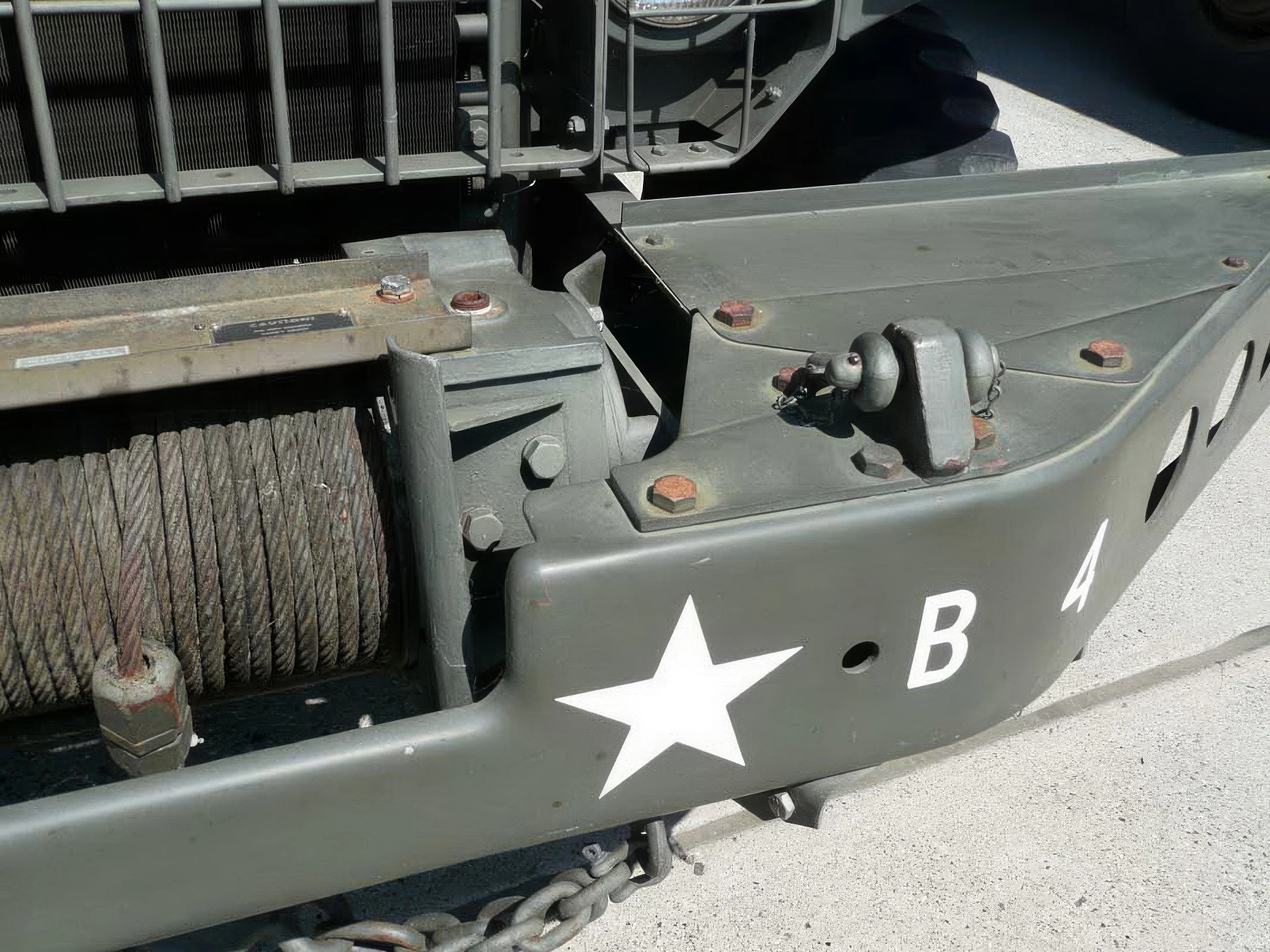
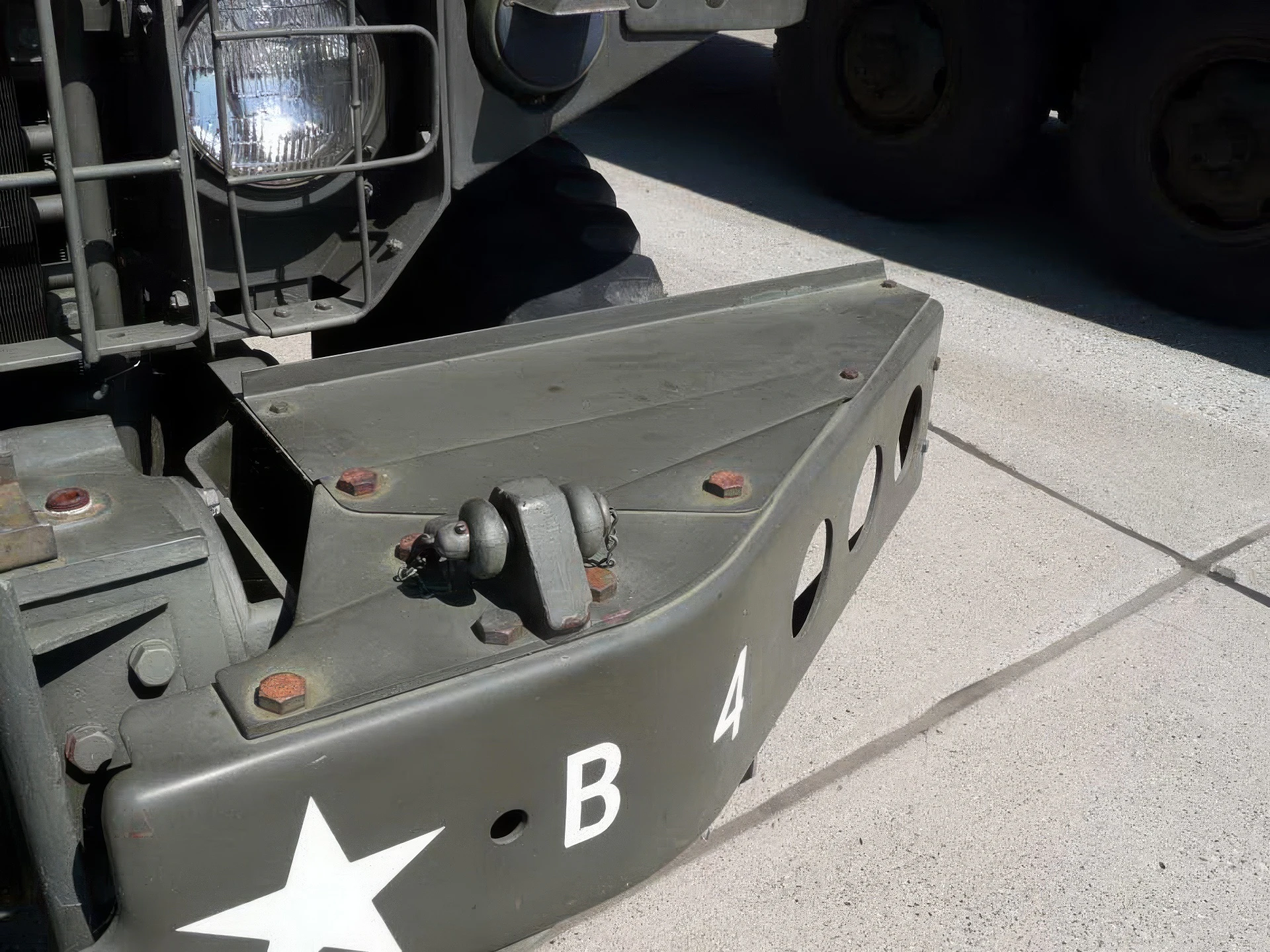
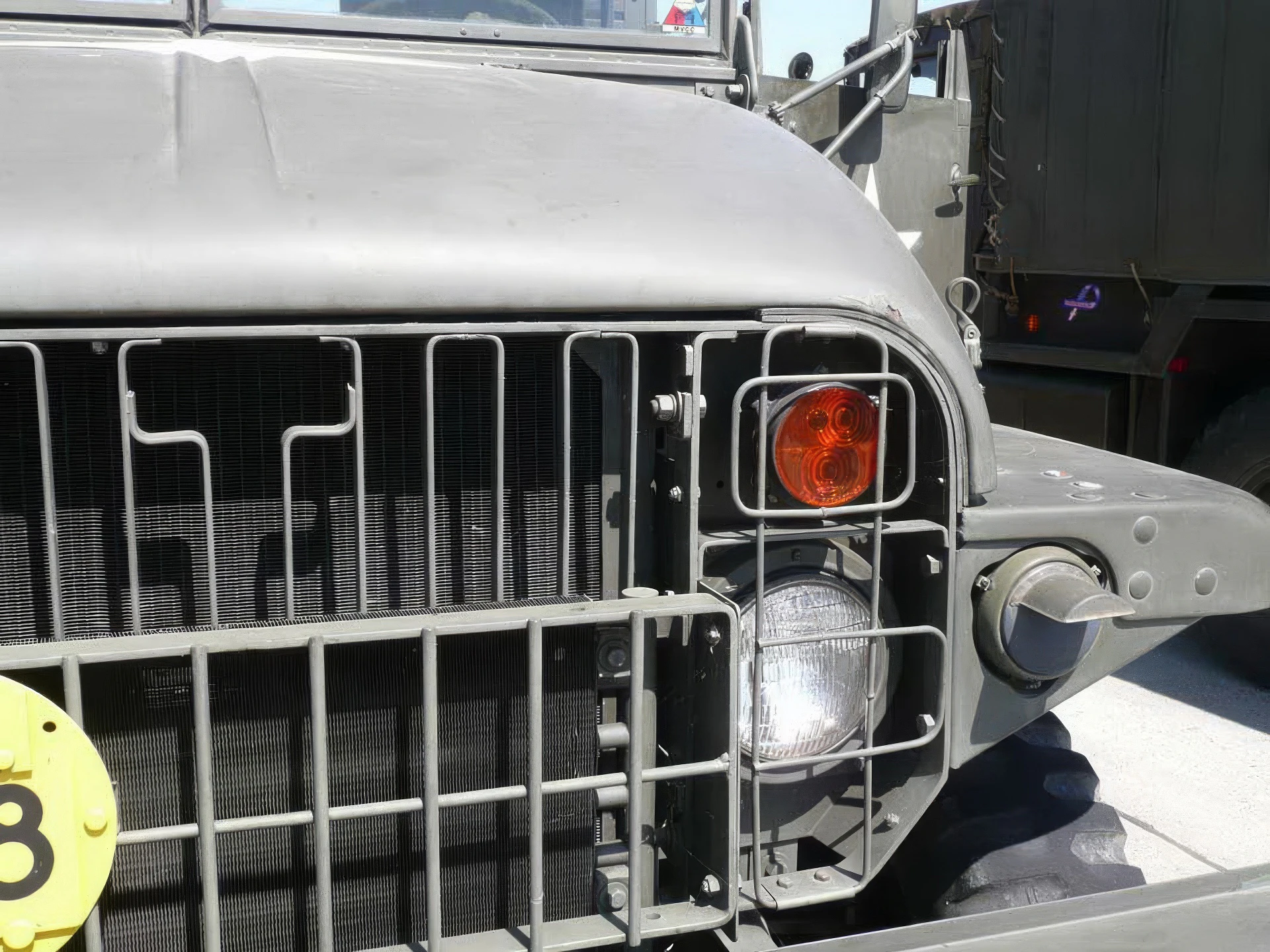
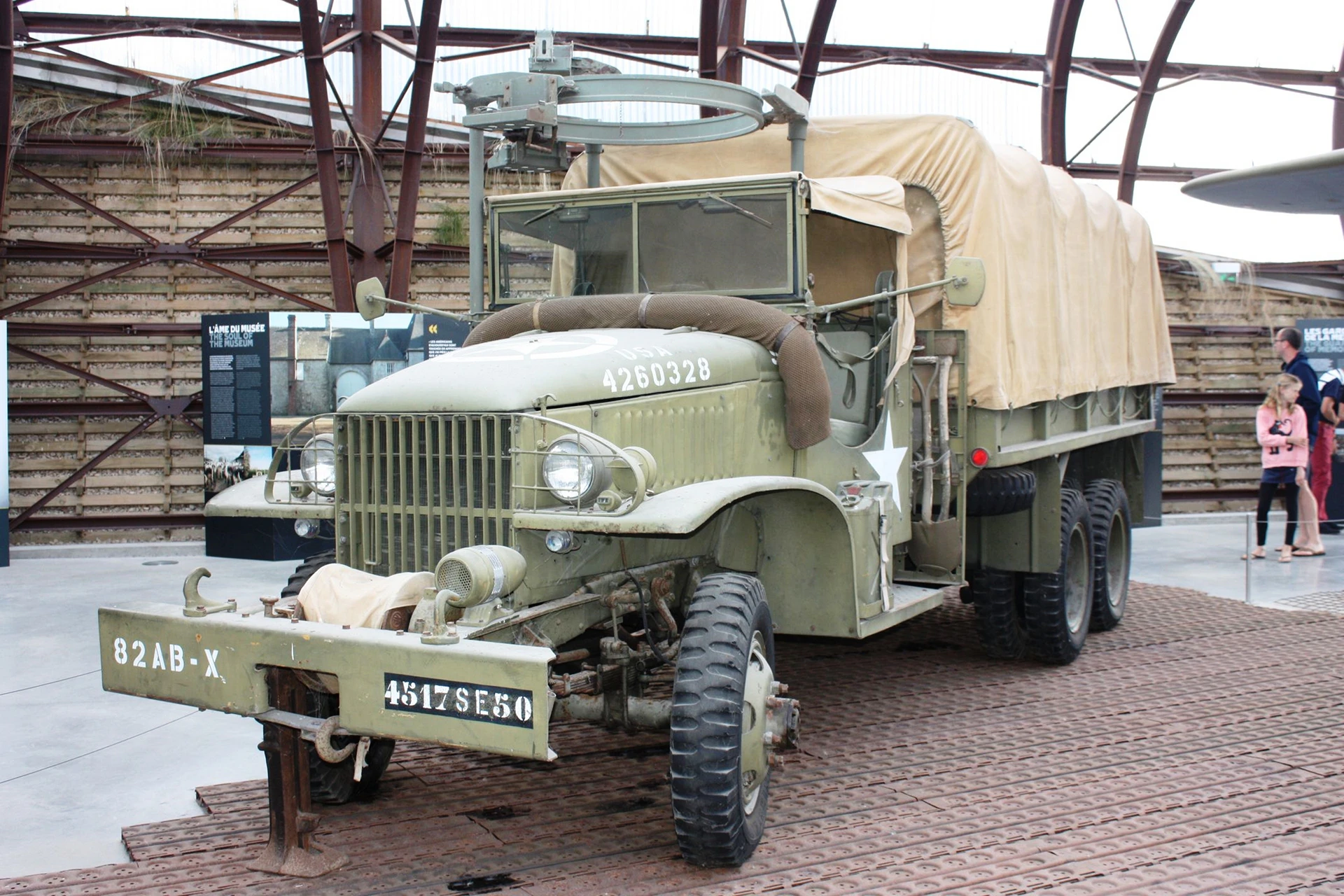
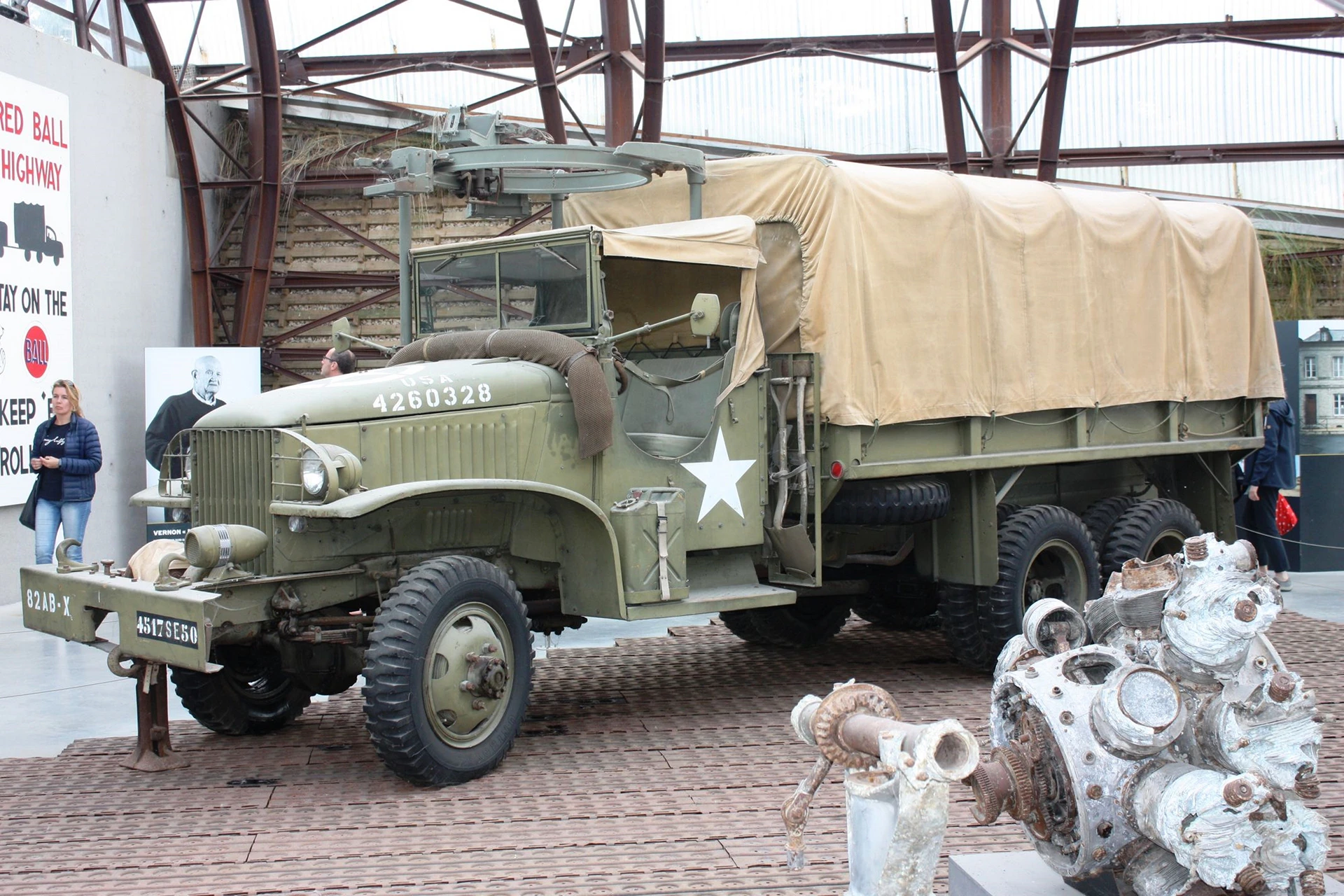
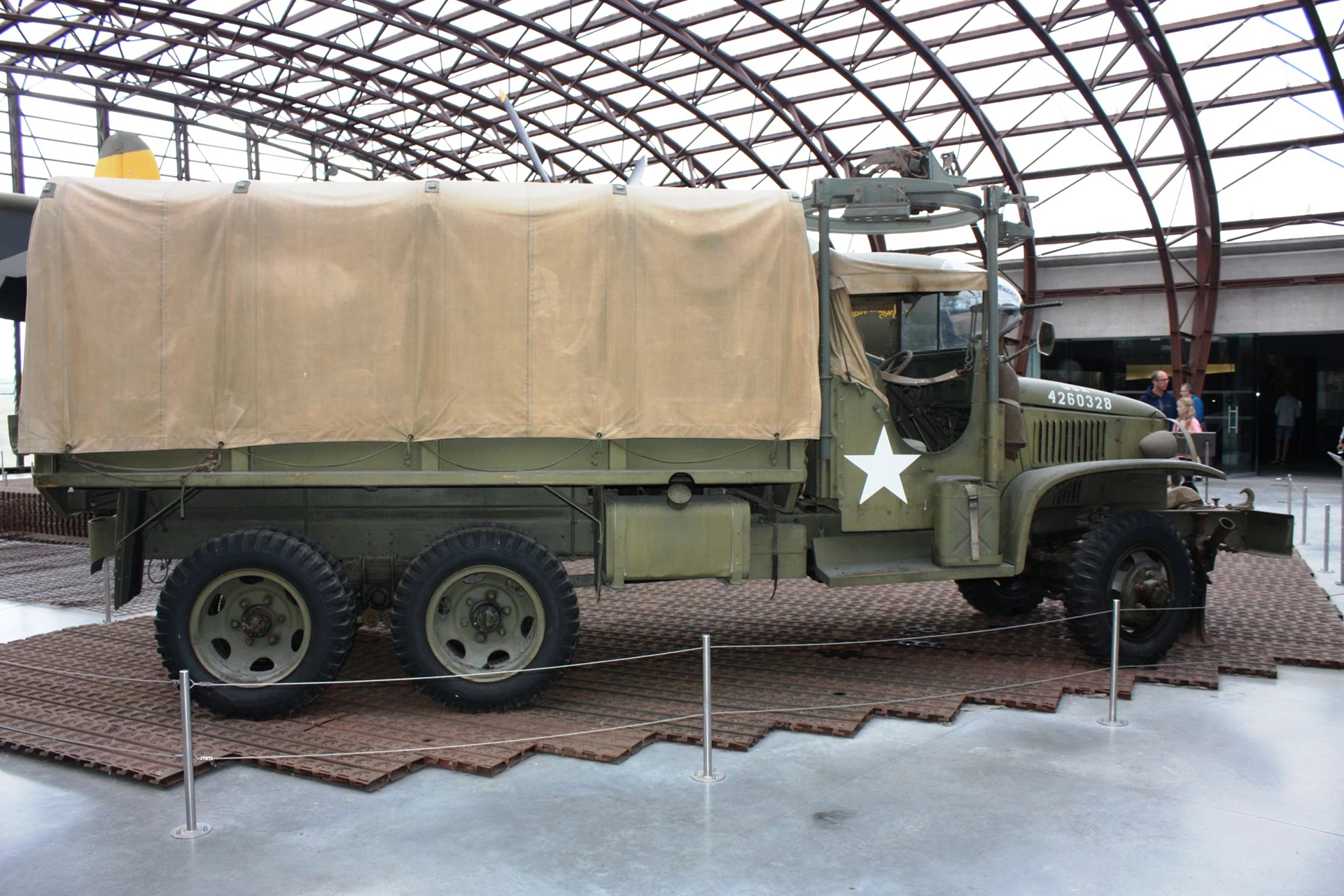
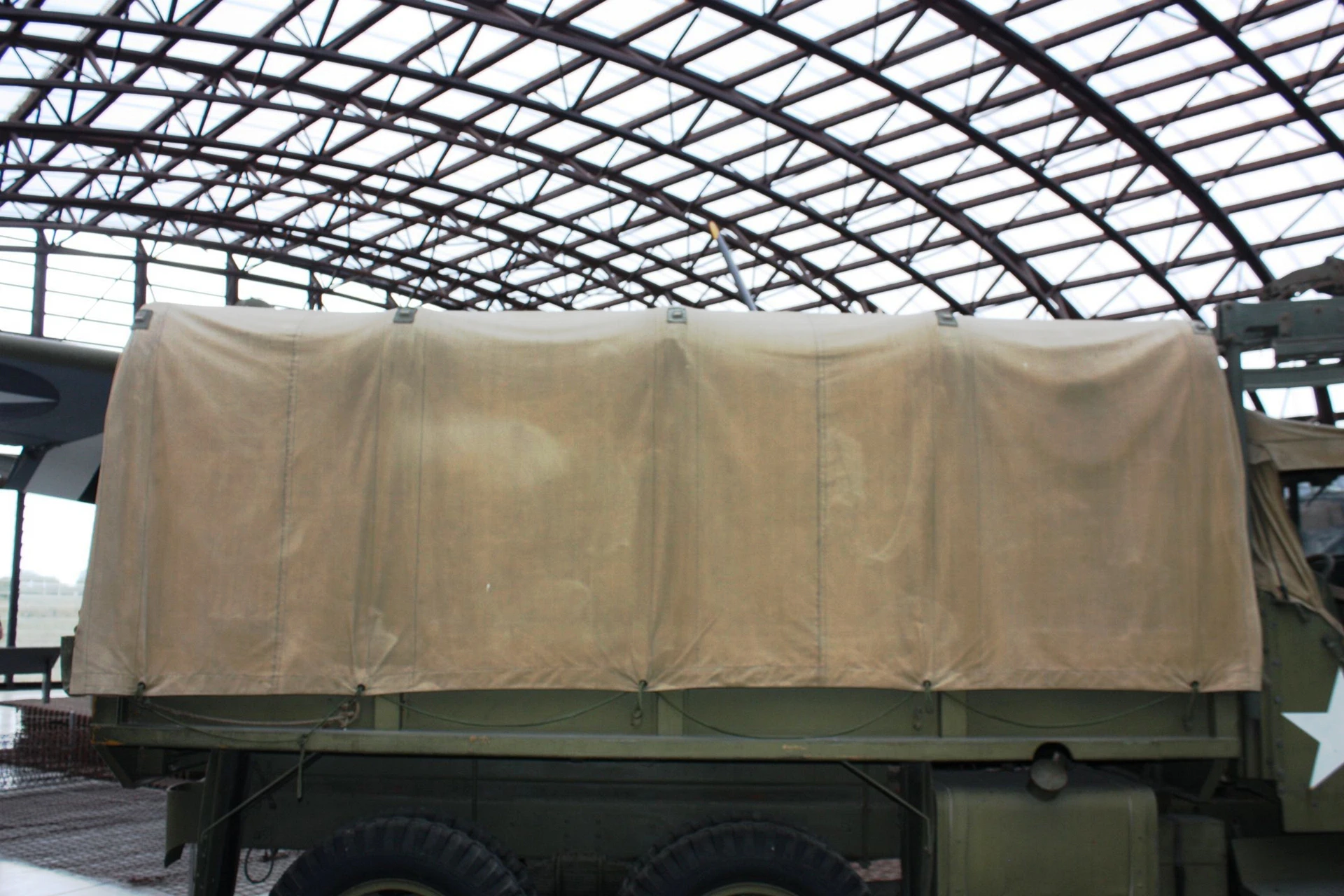
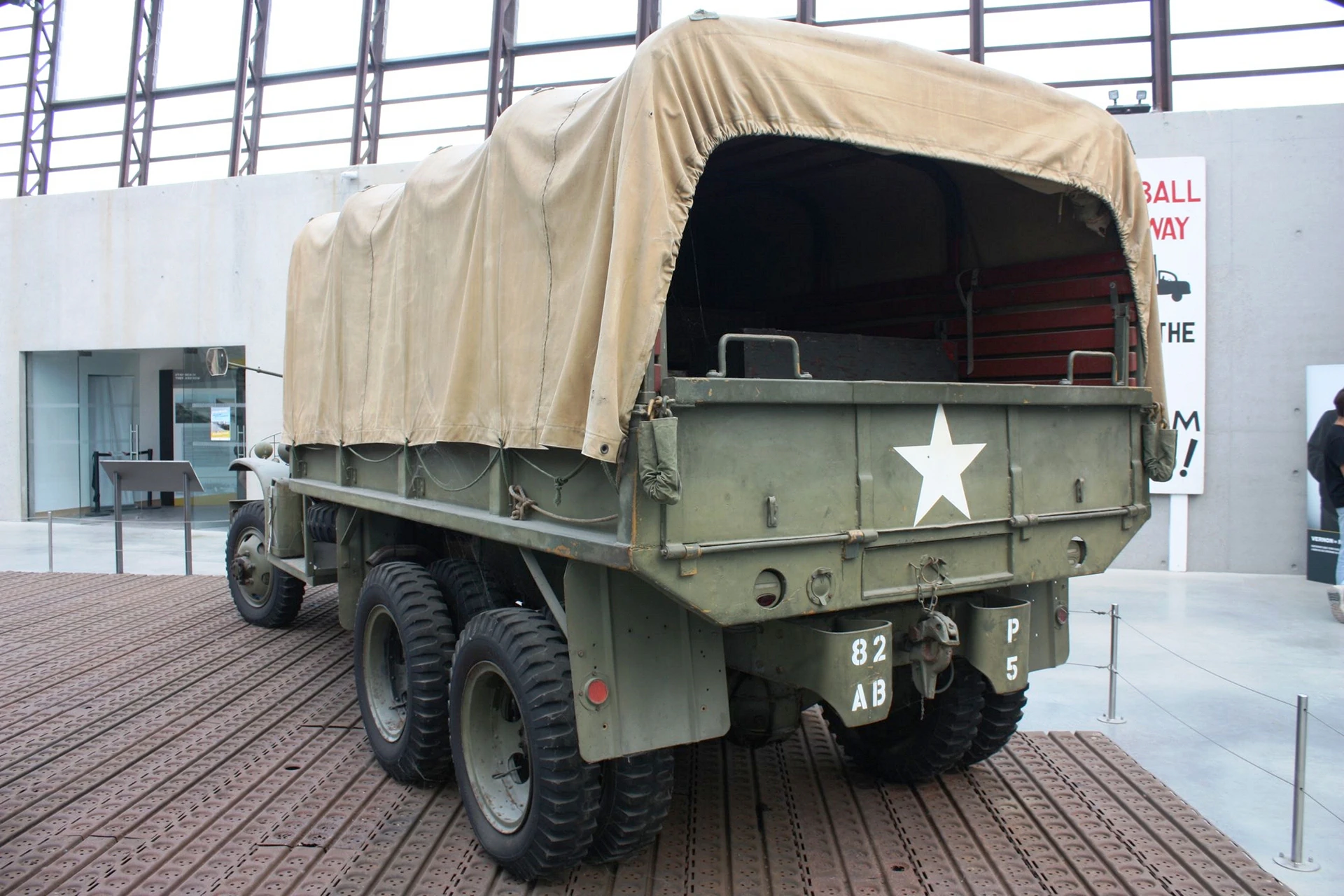
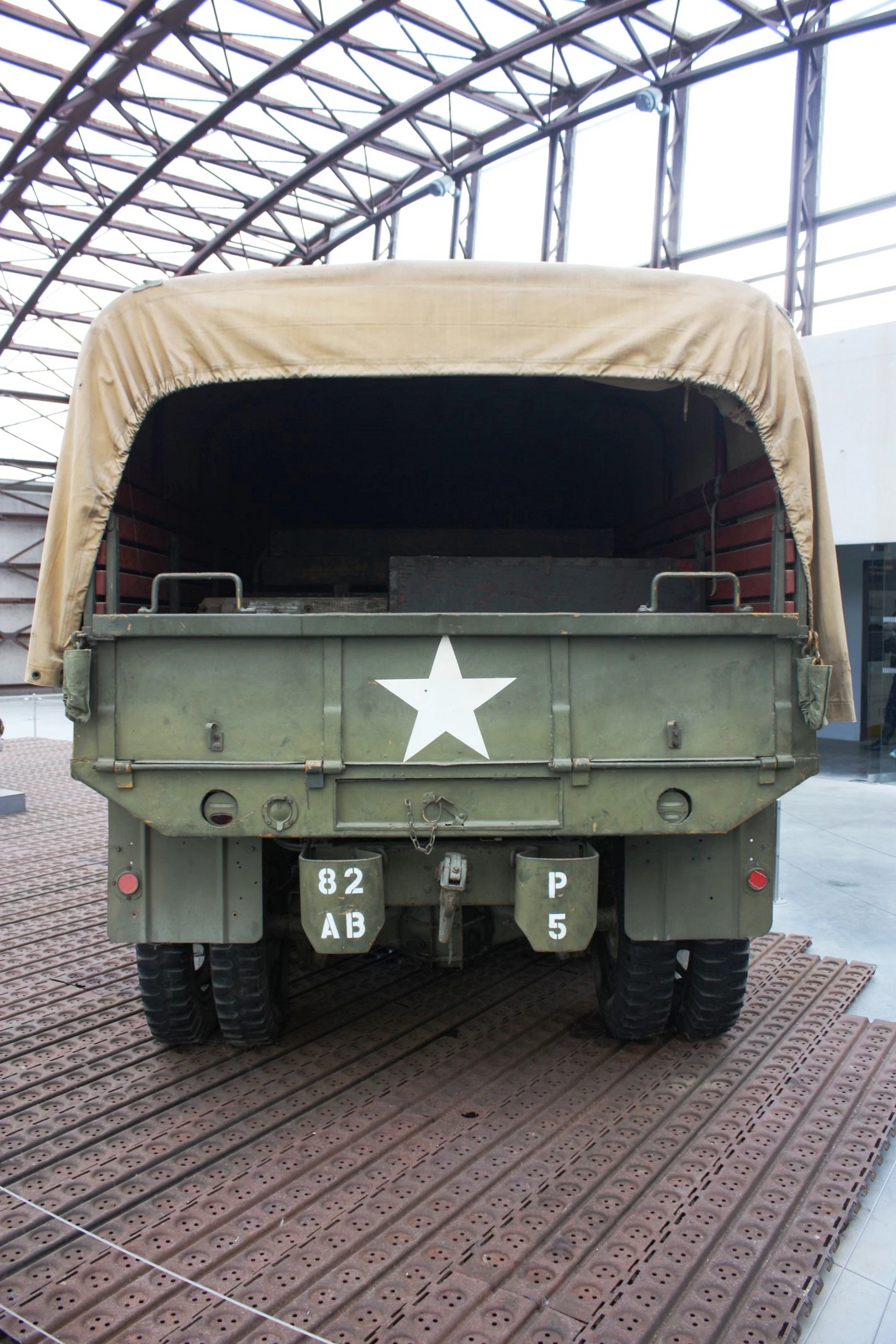
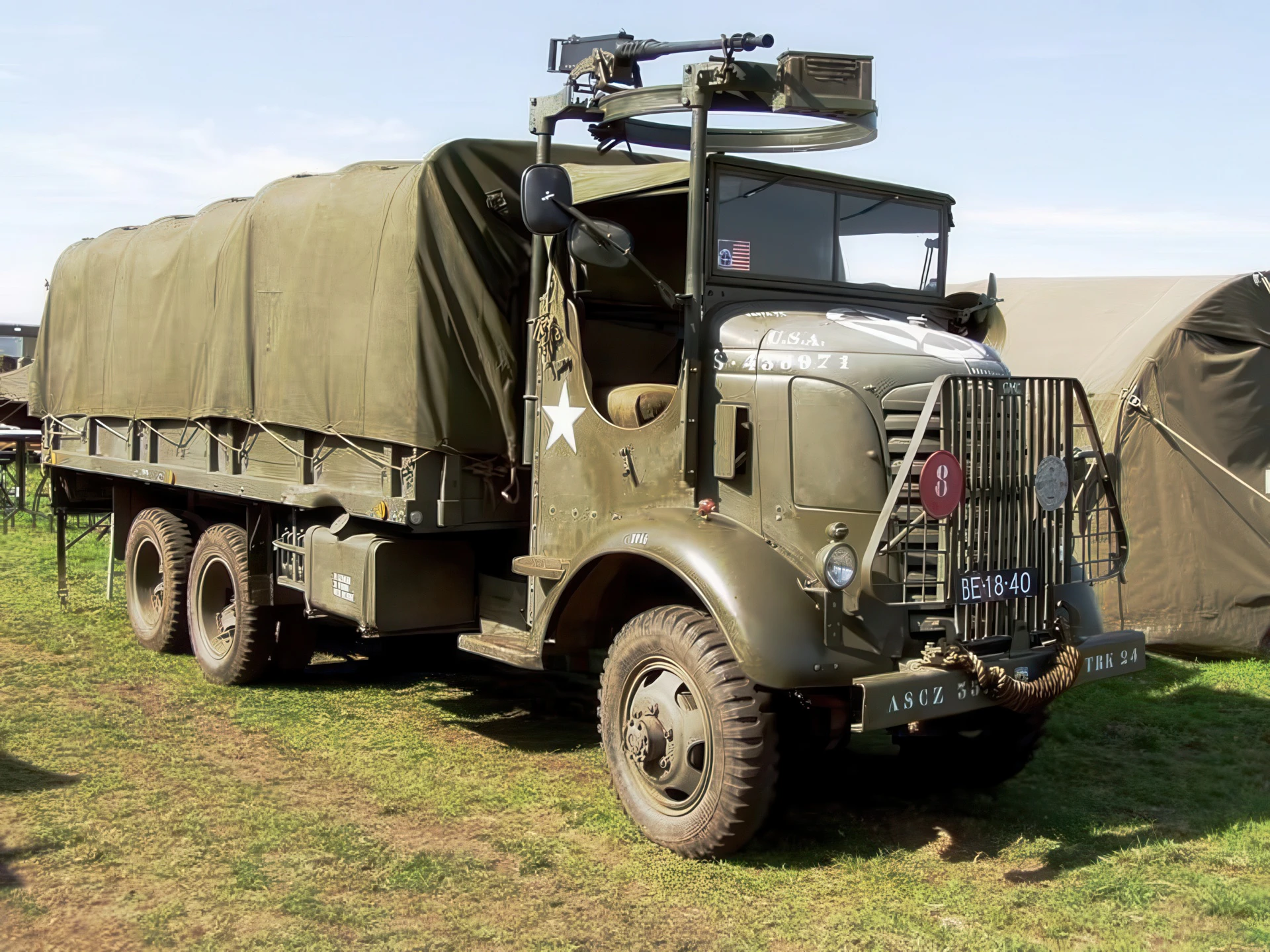
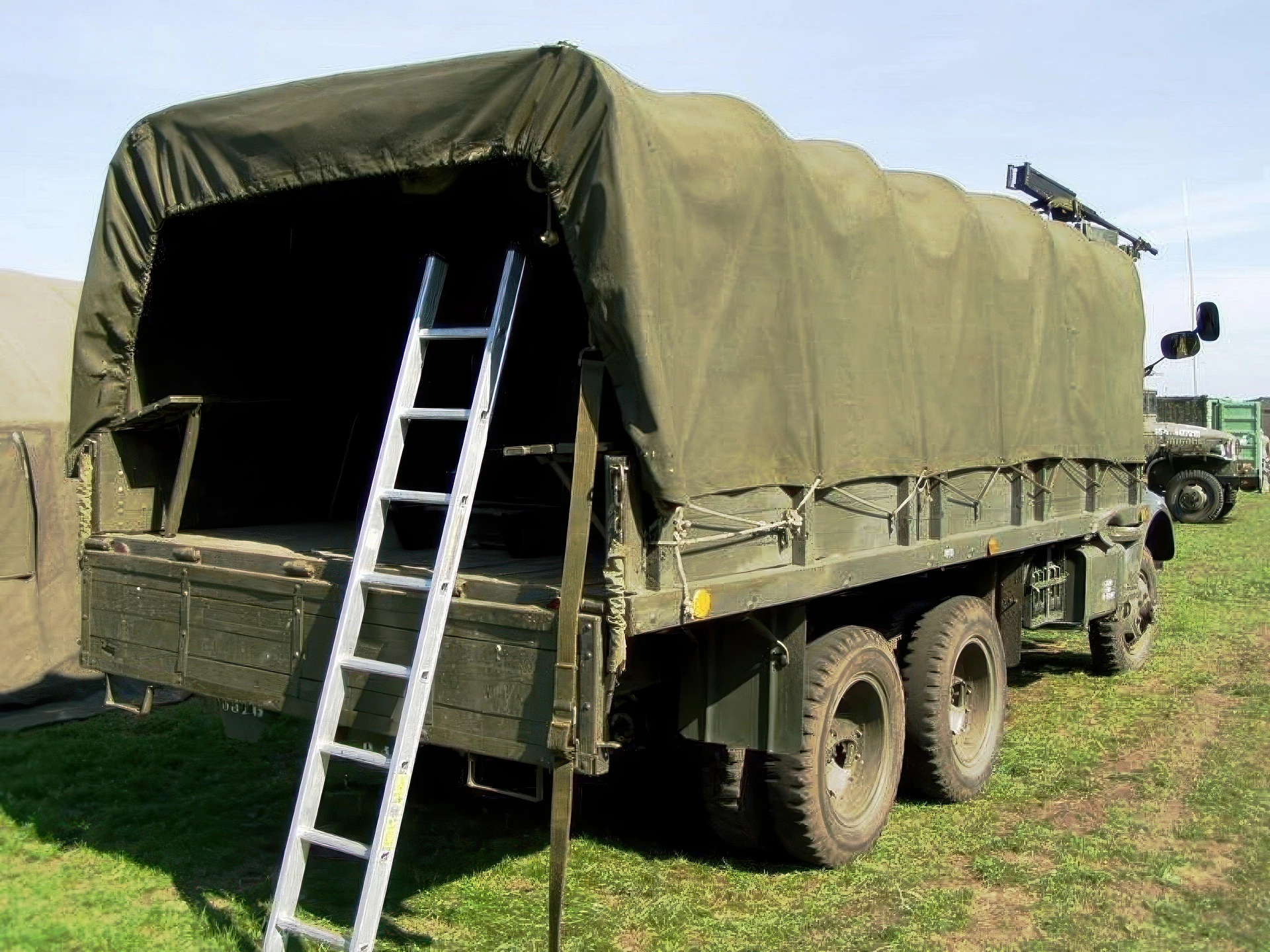
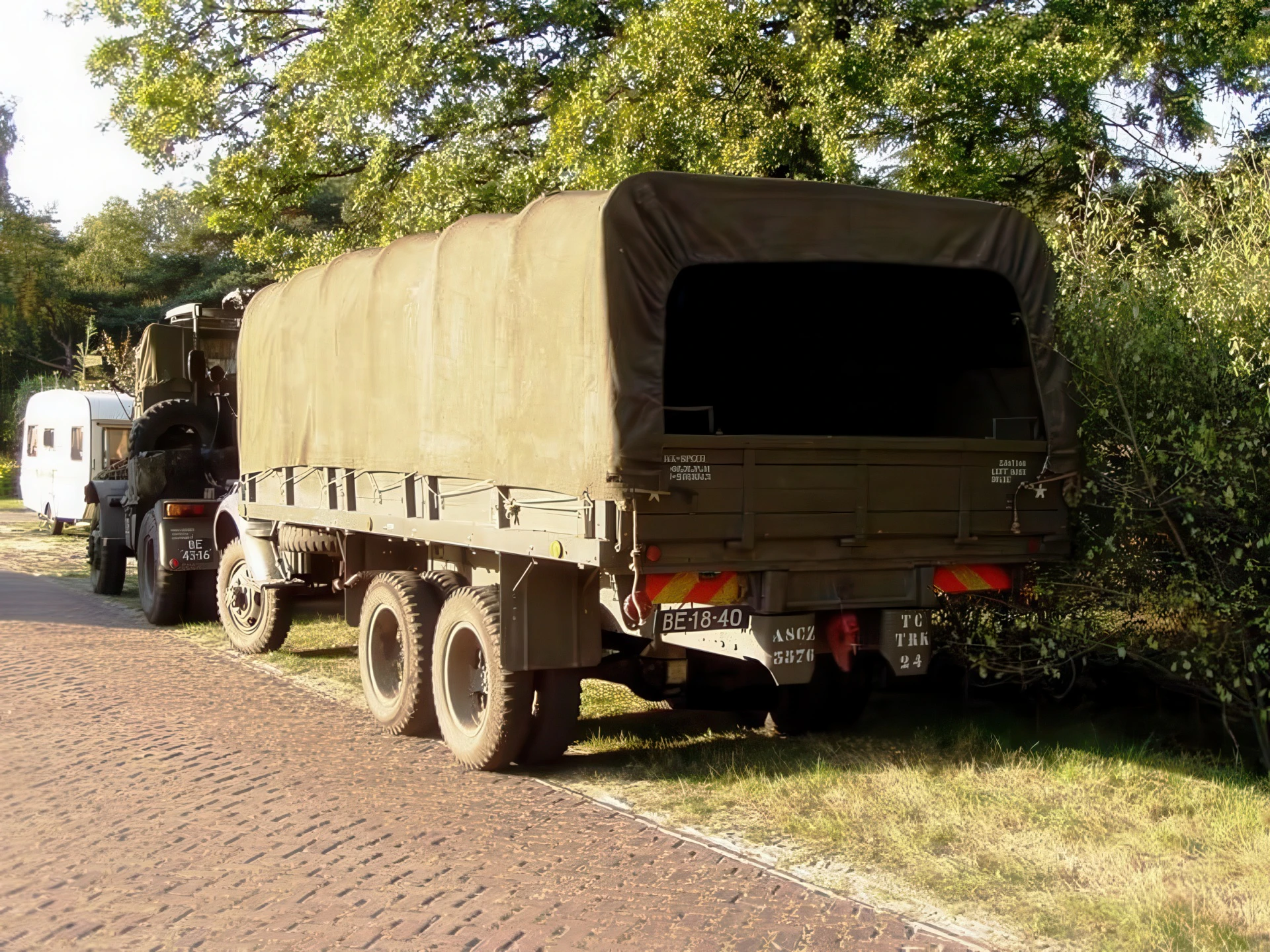
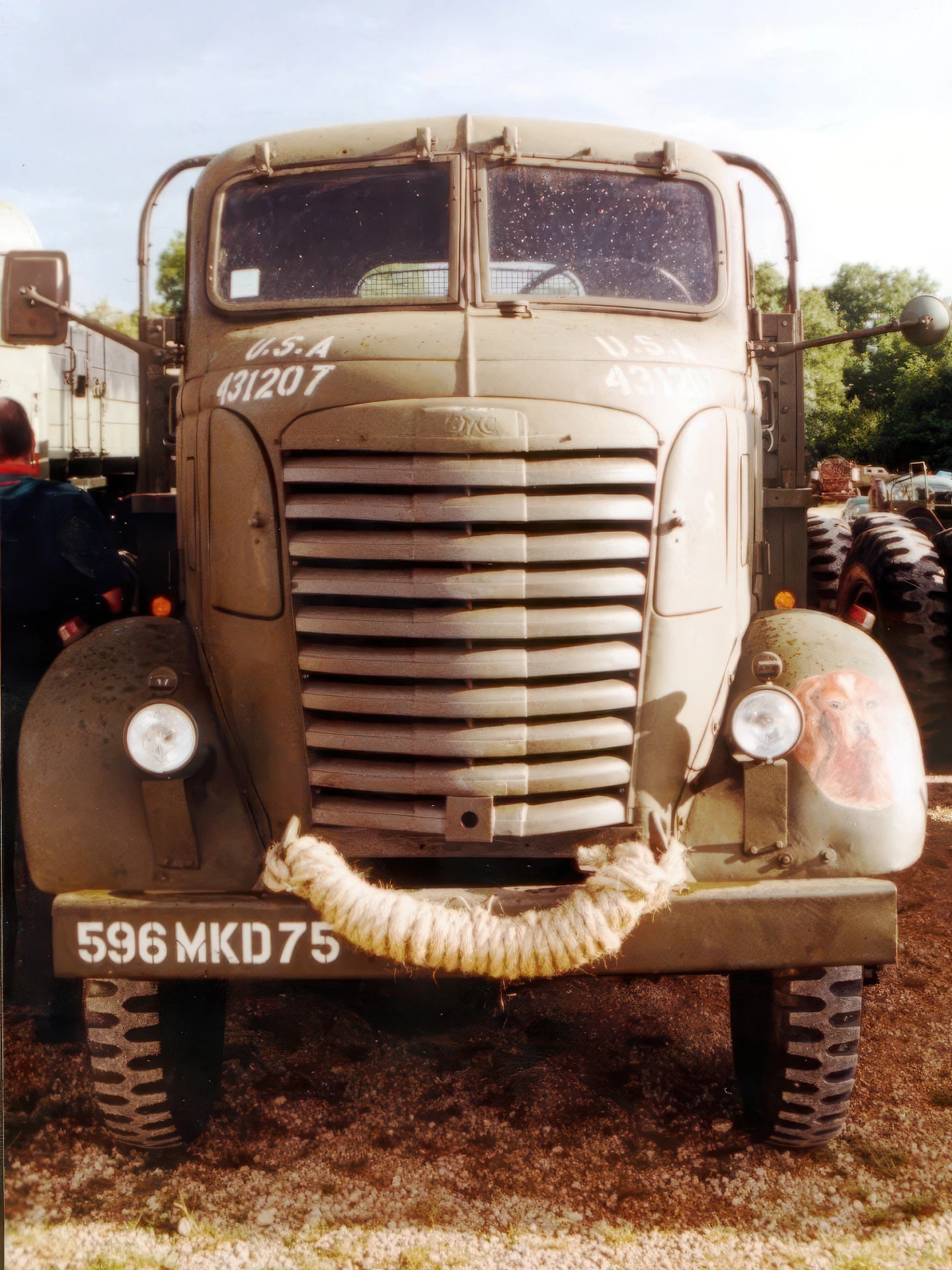
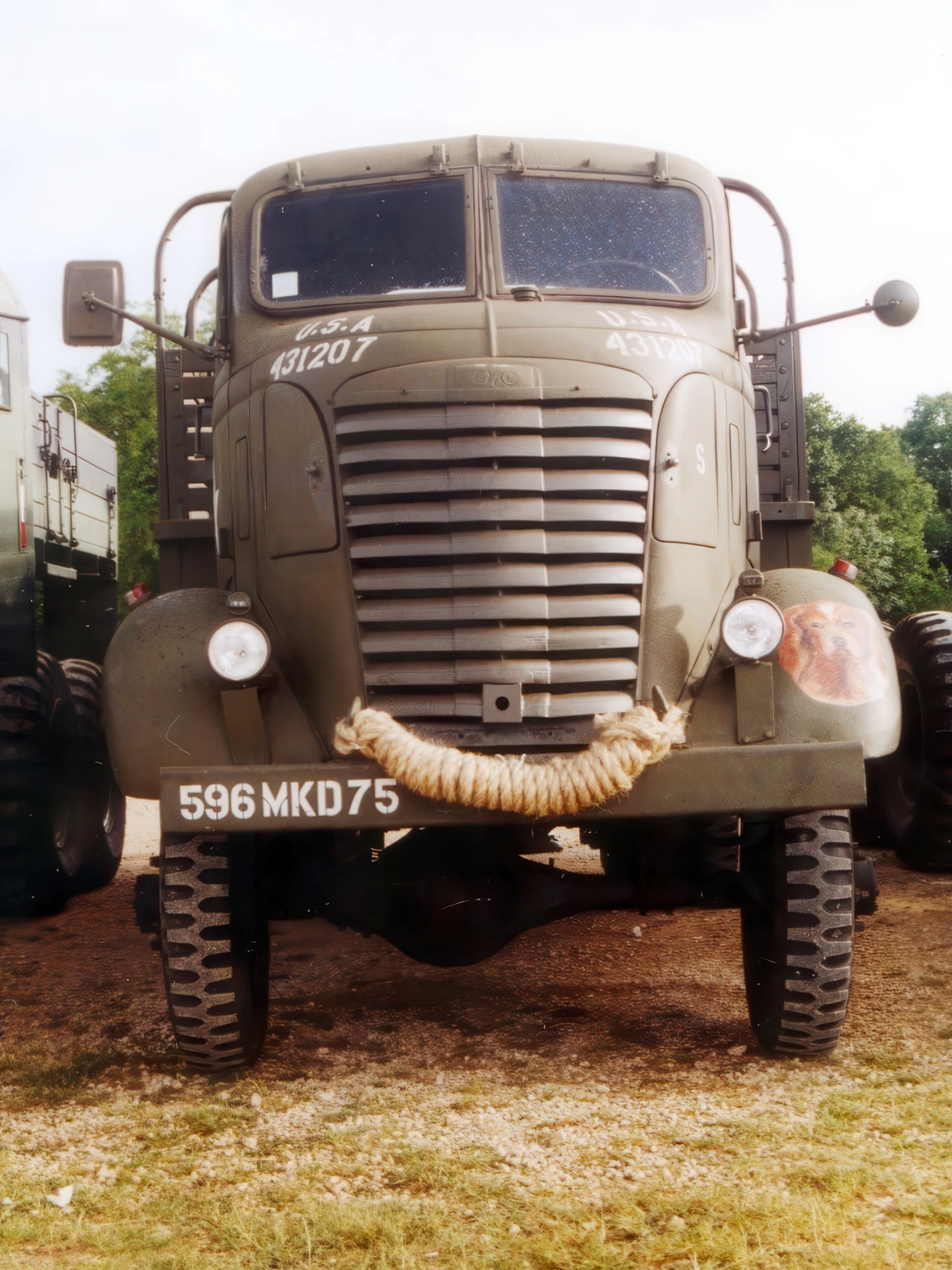
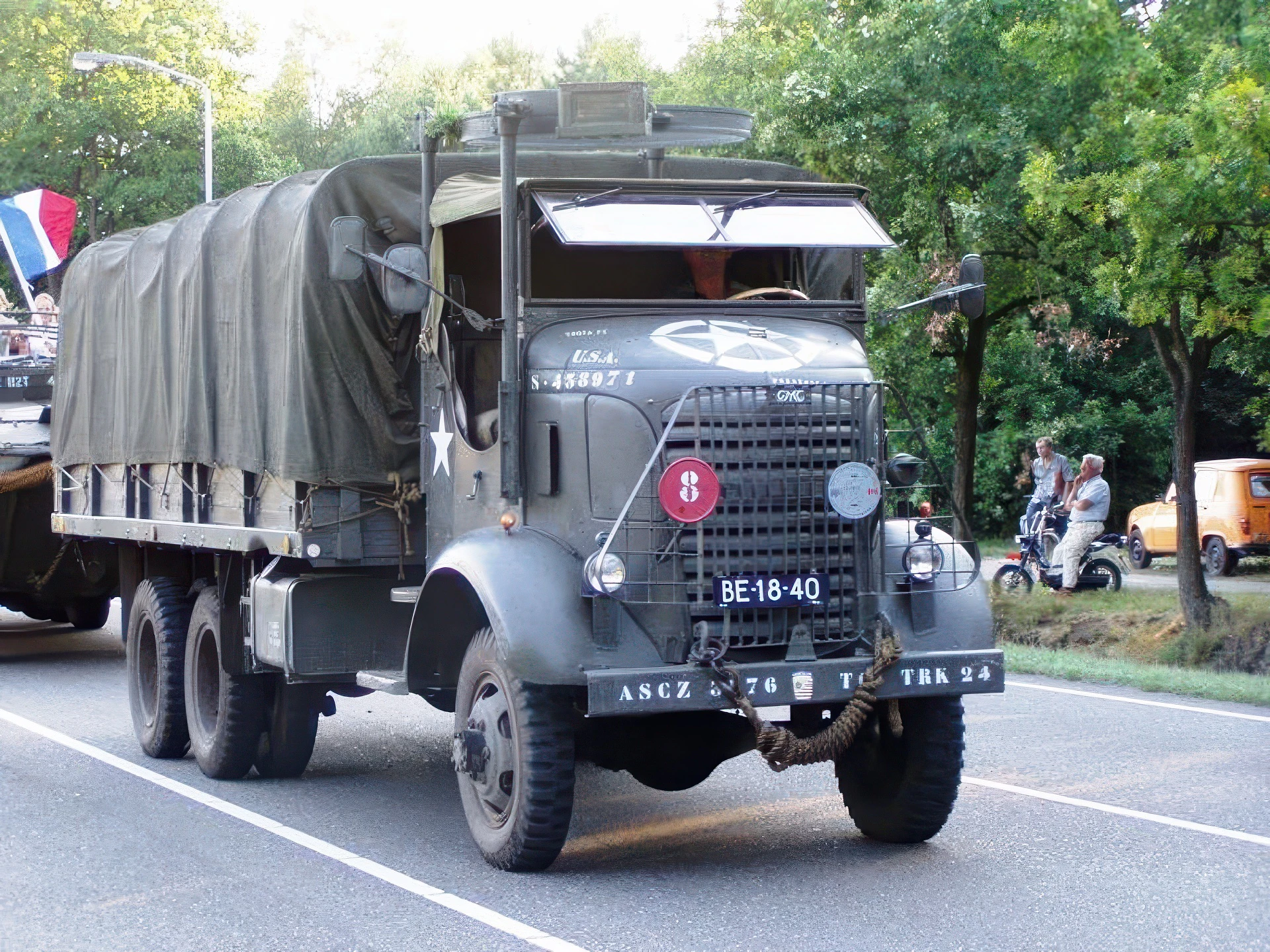
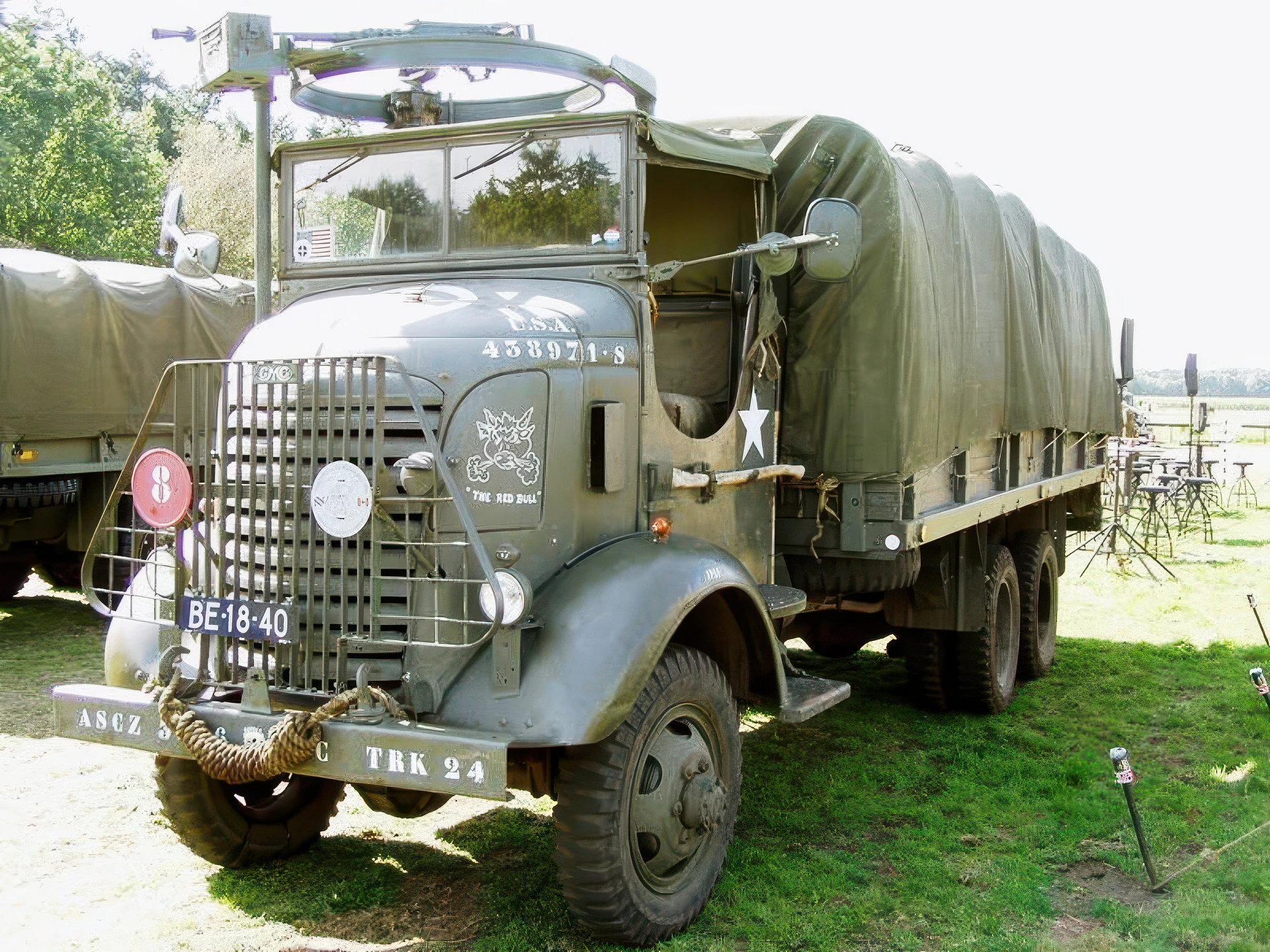
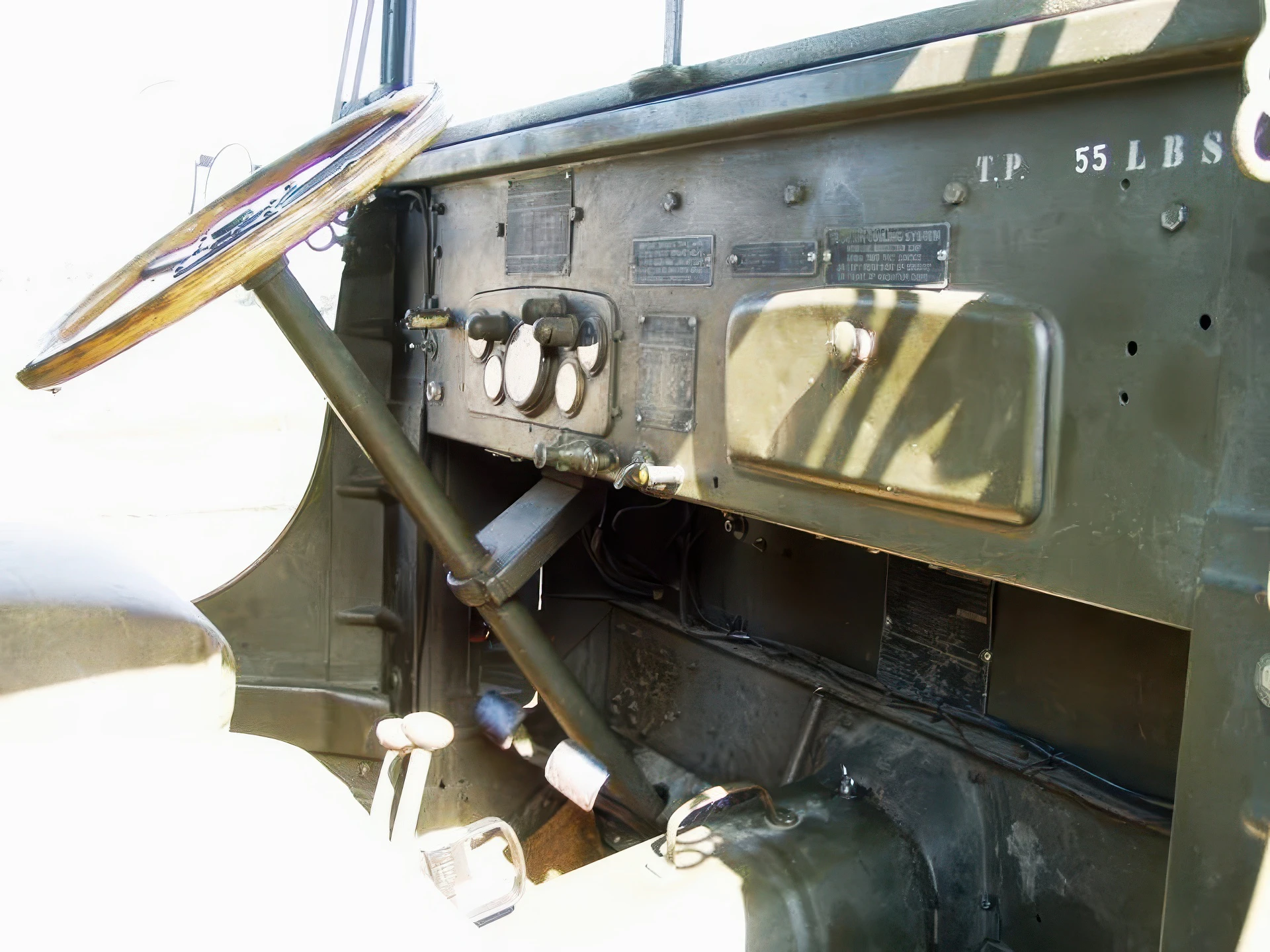
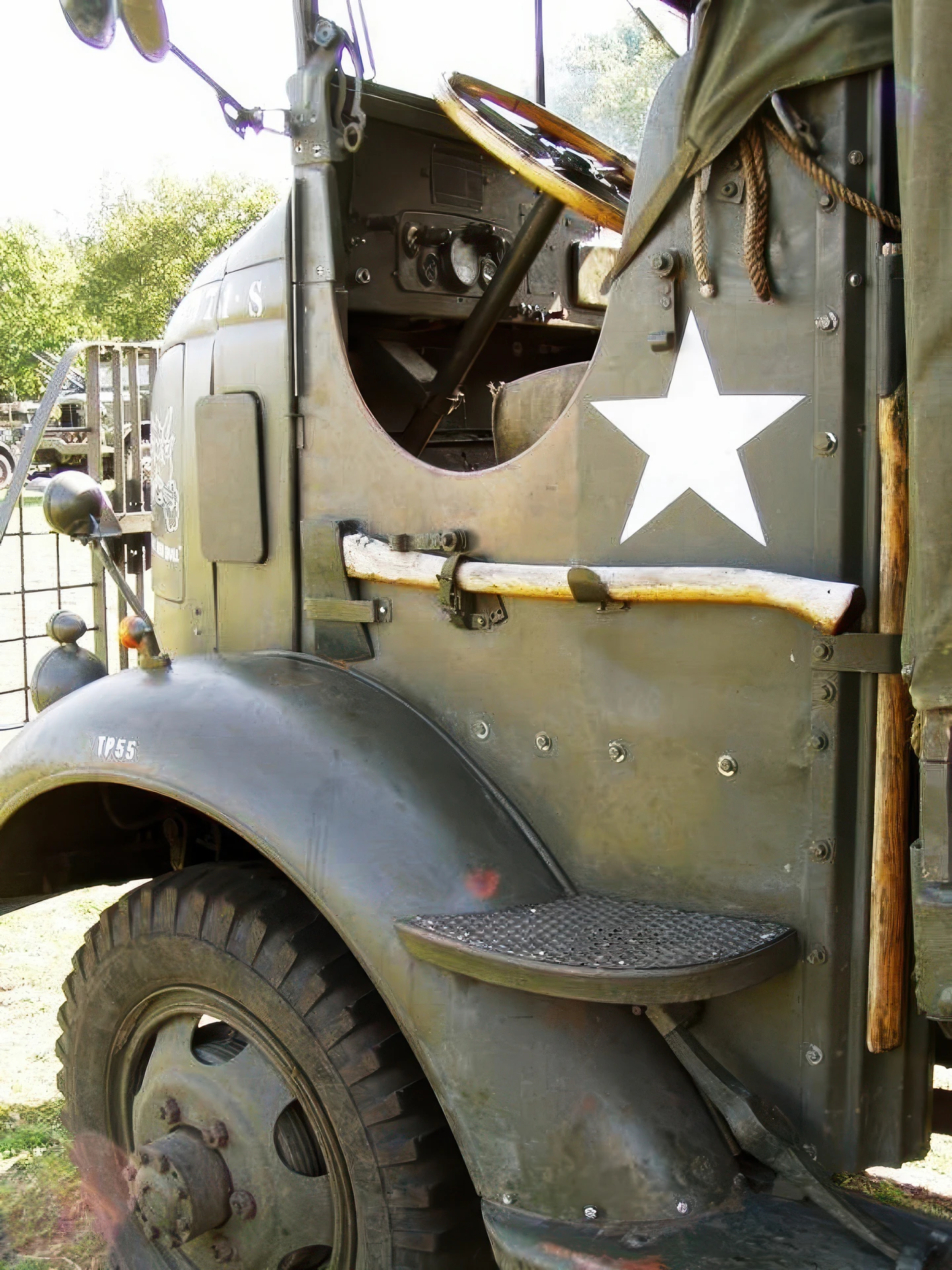
Teh GMC CCKW был 21/2-тонный 6×6U.S. Army cargo truck that saw heavy service in both World War II and the Korean War. The original “Deuce and a Half”, it formed the backbone of the famed Red Ball Express that kept Allied armies supplied as they pushed eastward after the Normandy invasion.
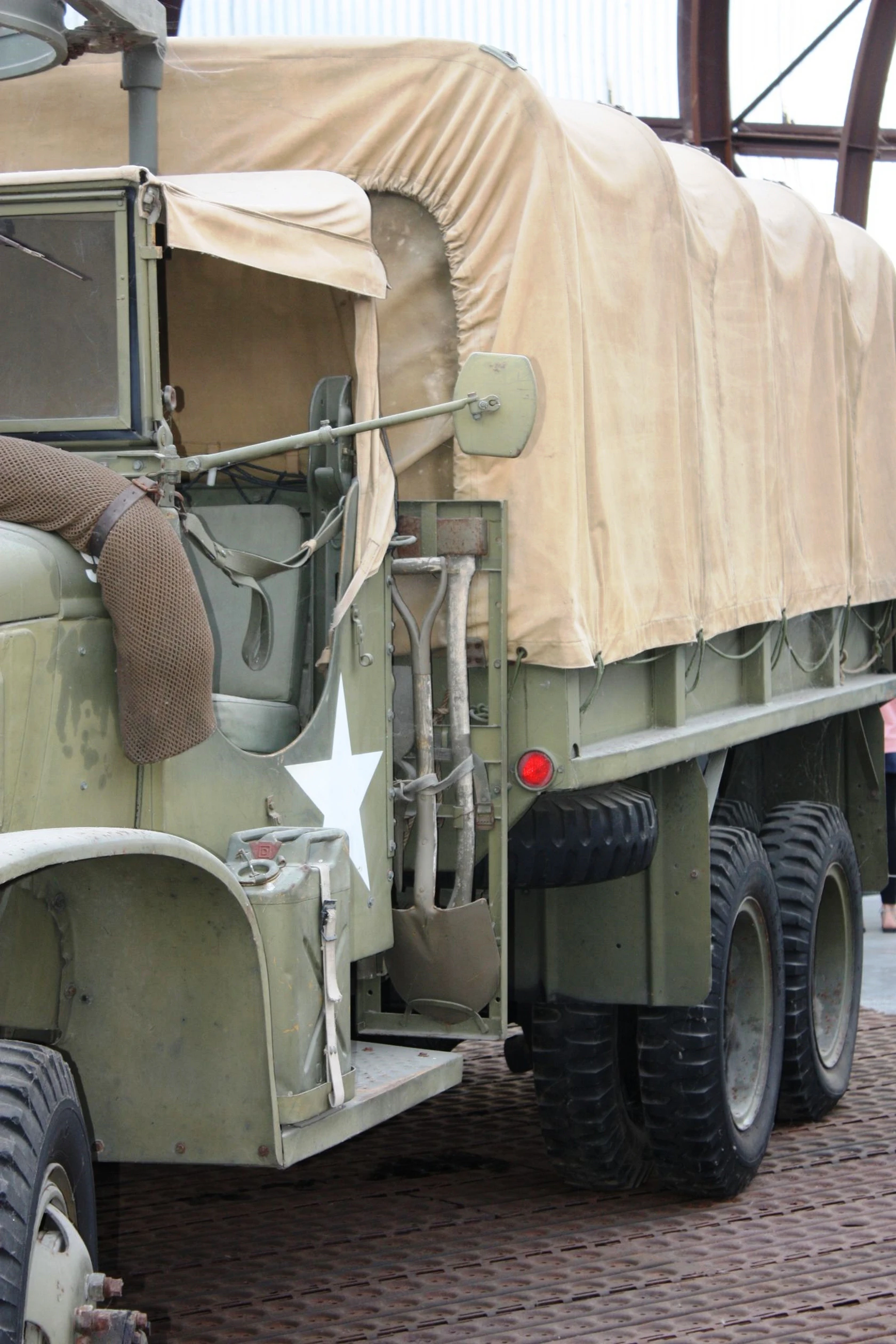
The CCKW came in many variants, including open or closed cab, long wheel base (LWB 353) and short (SWB 352), and over a score of specialized models. It began to be phased out with the deployment of the 6×6 M35 in 1950, but remained in active U.S. service until the mid-1960s. It is related to the Chevrolet G506, built at the same factory.
Teh GMC CCKW, affectionately known as the“Deuce and a Half,”was arguably the most important vehicle in the Allied arsenal during World War II. General Eisenhower famously cited it as one of the four tools most vital to winning the war. While tanks and planes grabbed the headlines, it was the CCKW that kept them fueled and fed. Over 500,000 were produced, creating a logistical “conveyor belt” that stretched from the beaches of Normandy to the heart of Germany. Its 6×6 drive system meant it could traverse mud, sand, and ruined roads that would stop standard civilian trucks dead.
Attribute
Technical Specification (CCKW-353)
Роль
Tactical Cargo Truck
Конфигурация
6×6 (Six-Wheel Drive)
Production Years
1941 – 1945 (Approx. 562,750 built)
Двигателя
GMC 270 inline 6-cylinder gasoline
Horsepower
91 hp (68 kW) at 2,750 rpm
полезная нагрузка
2.5 tons (Off-road) / 5 tons (On-road)
Top Speed
45 mph (72 km/h)
Рабочий диапазон
300 miles (480 km)
Design Engineering: Rugged Simplicity
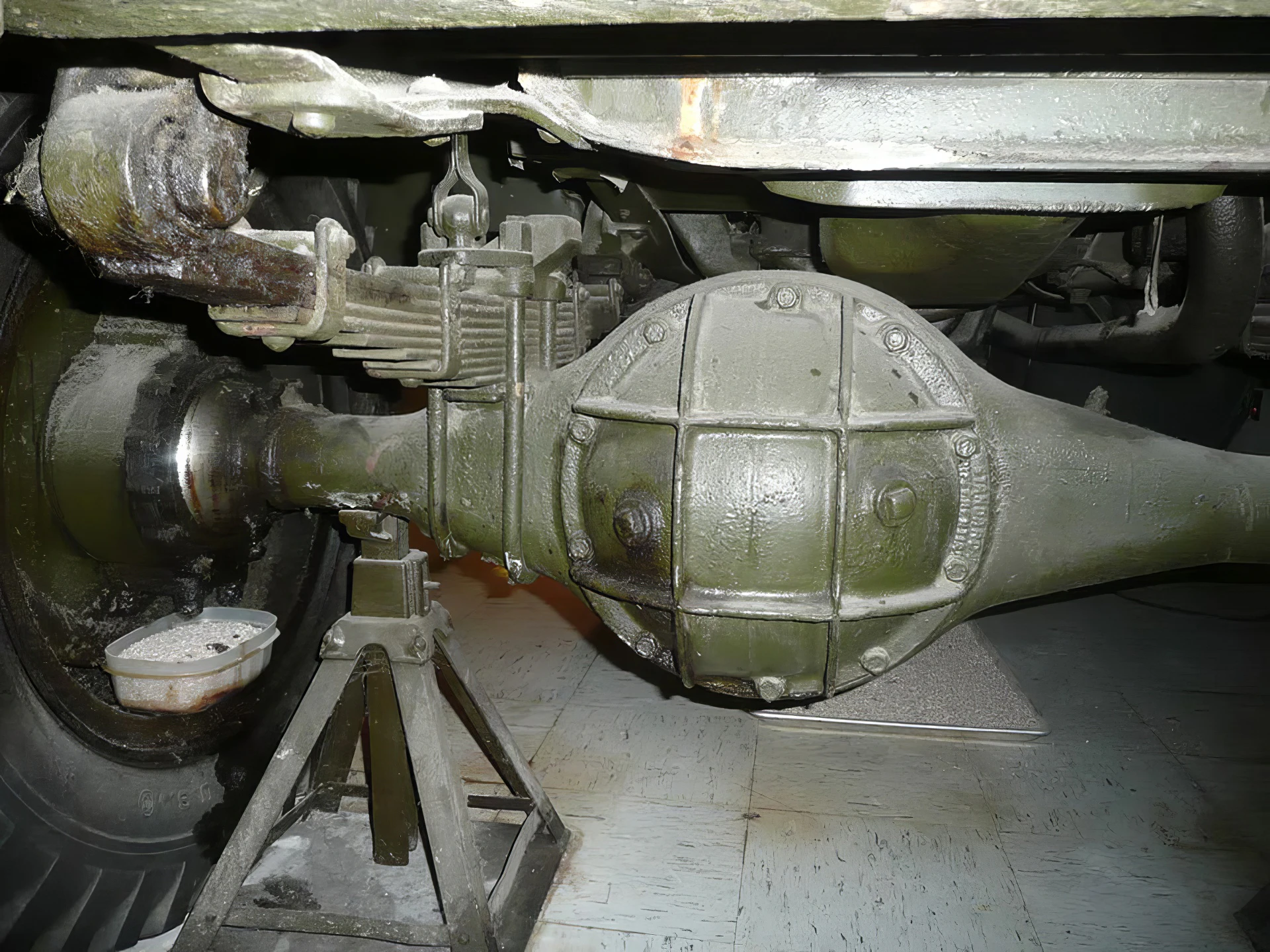
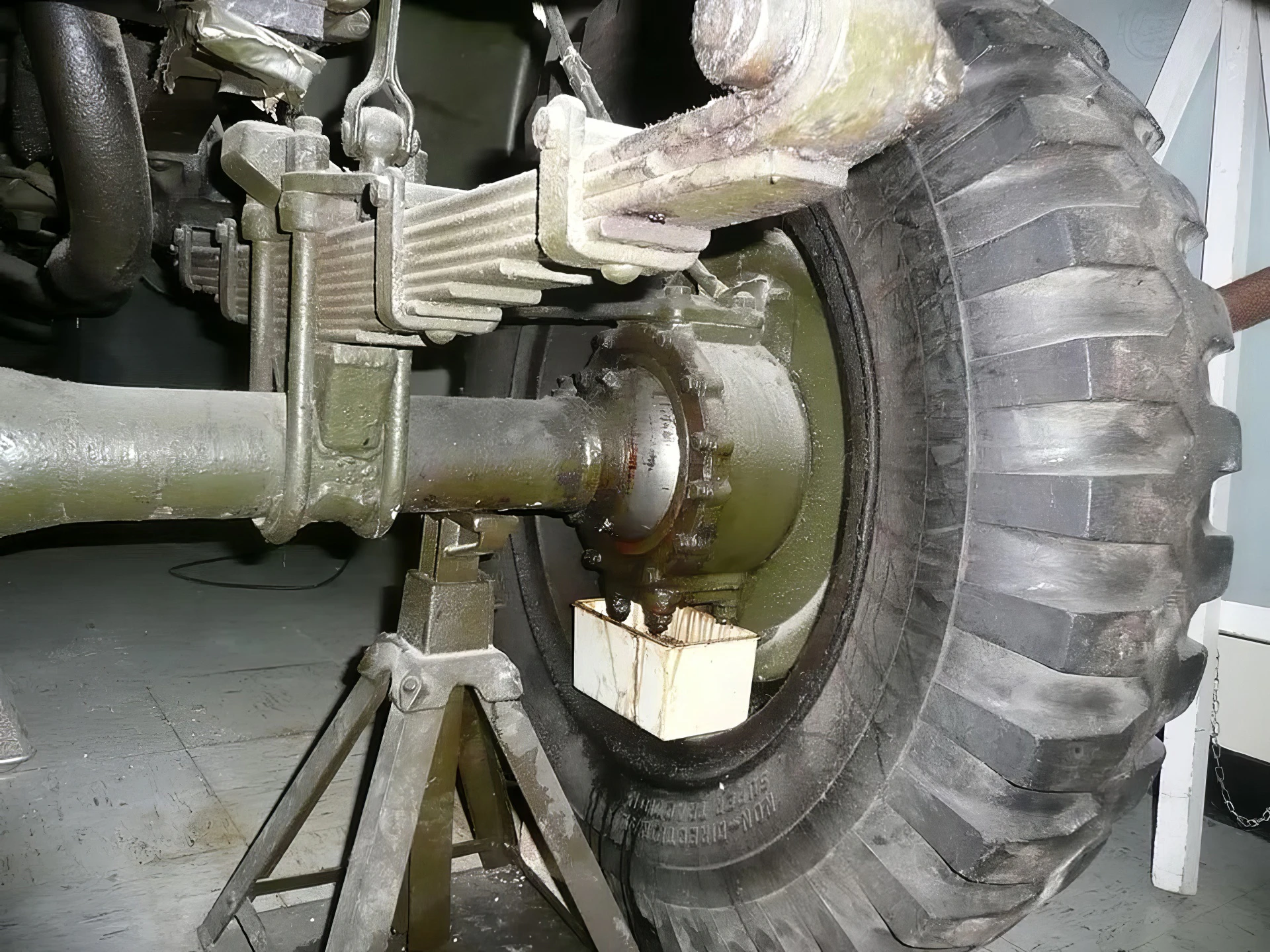
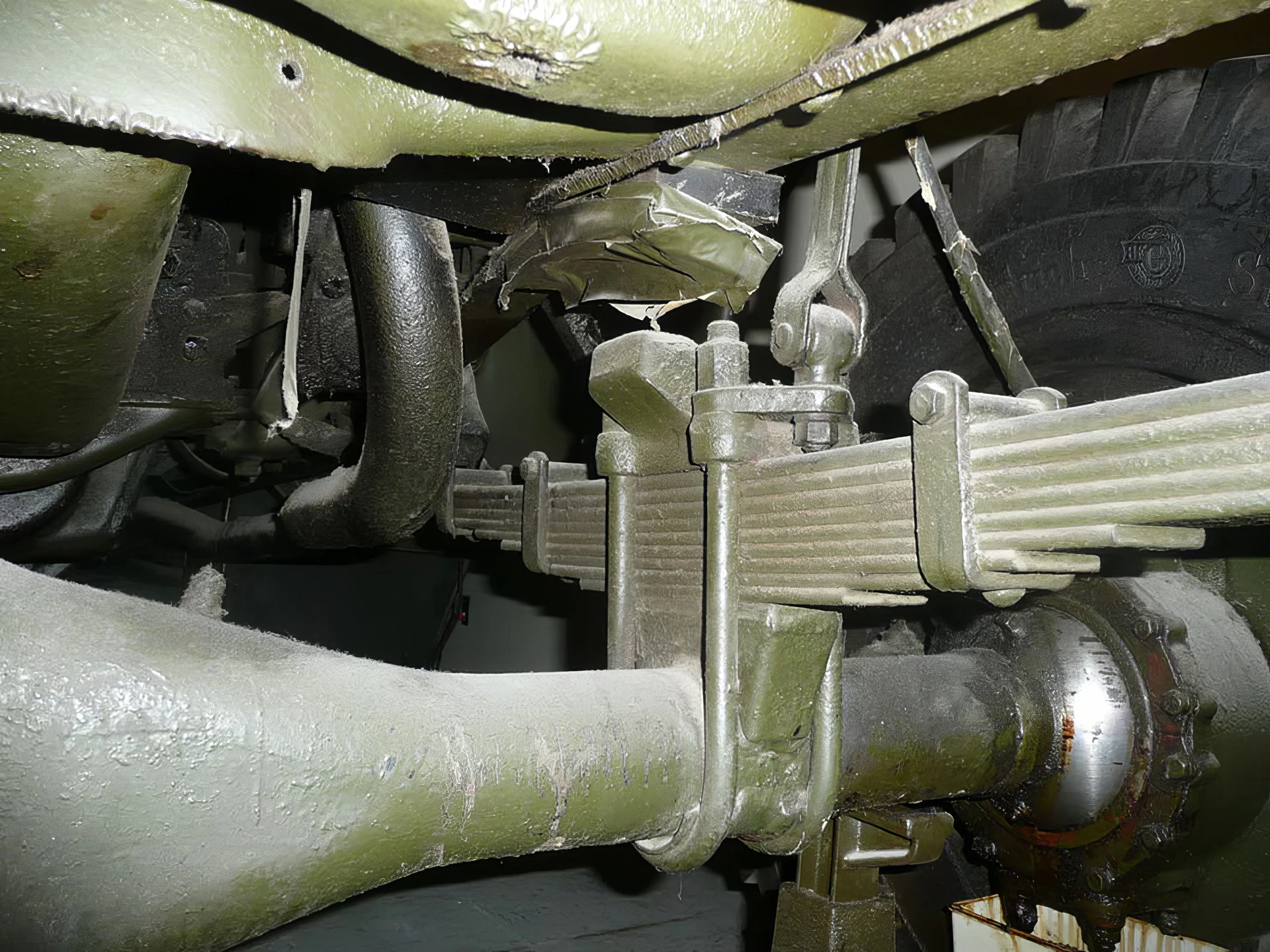
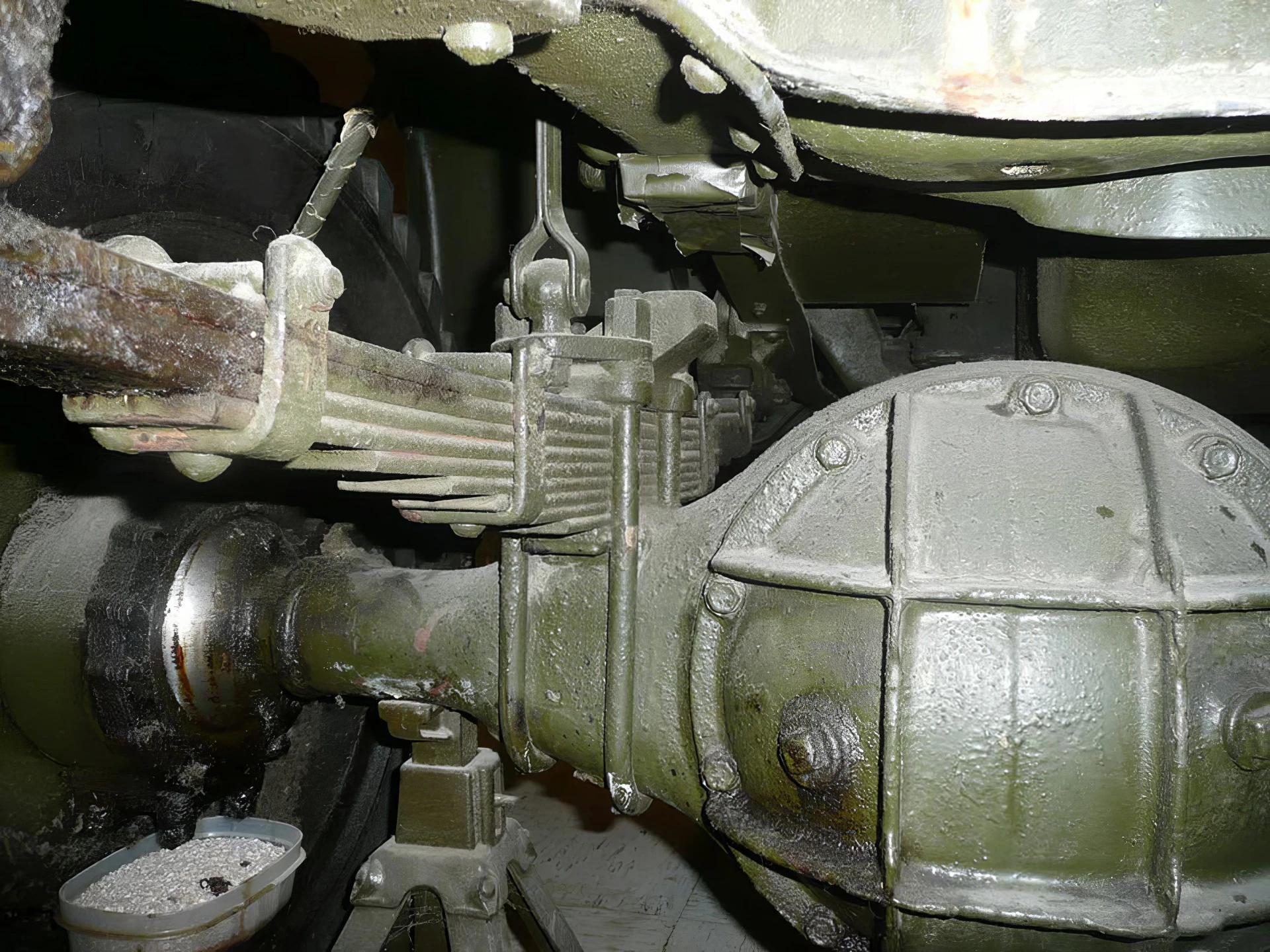
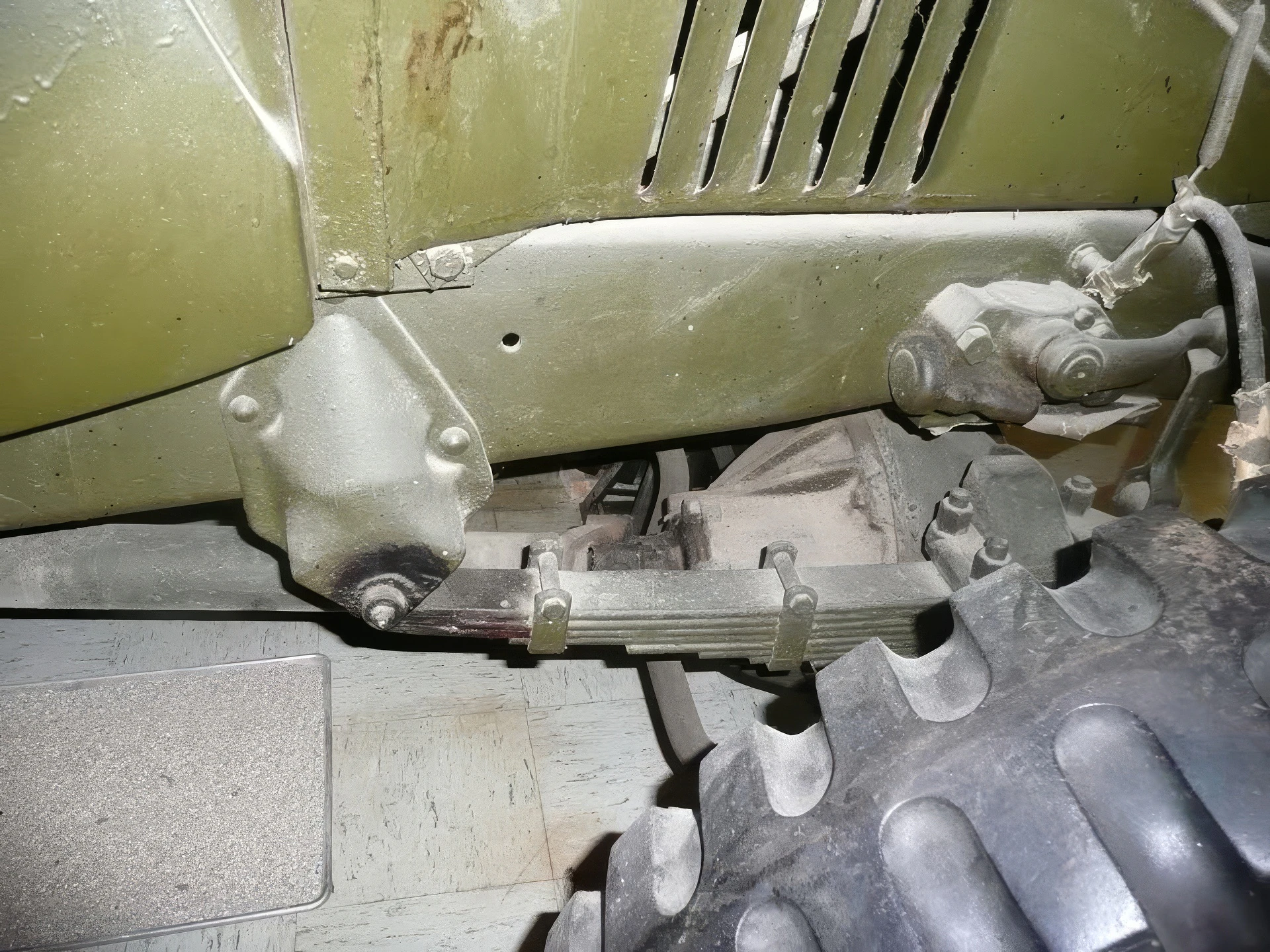
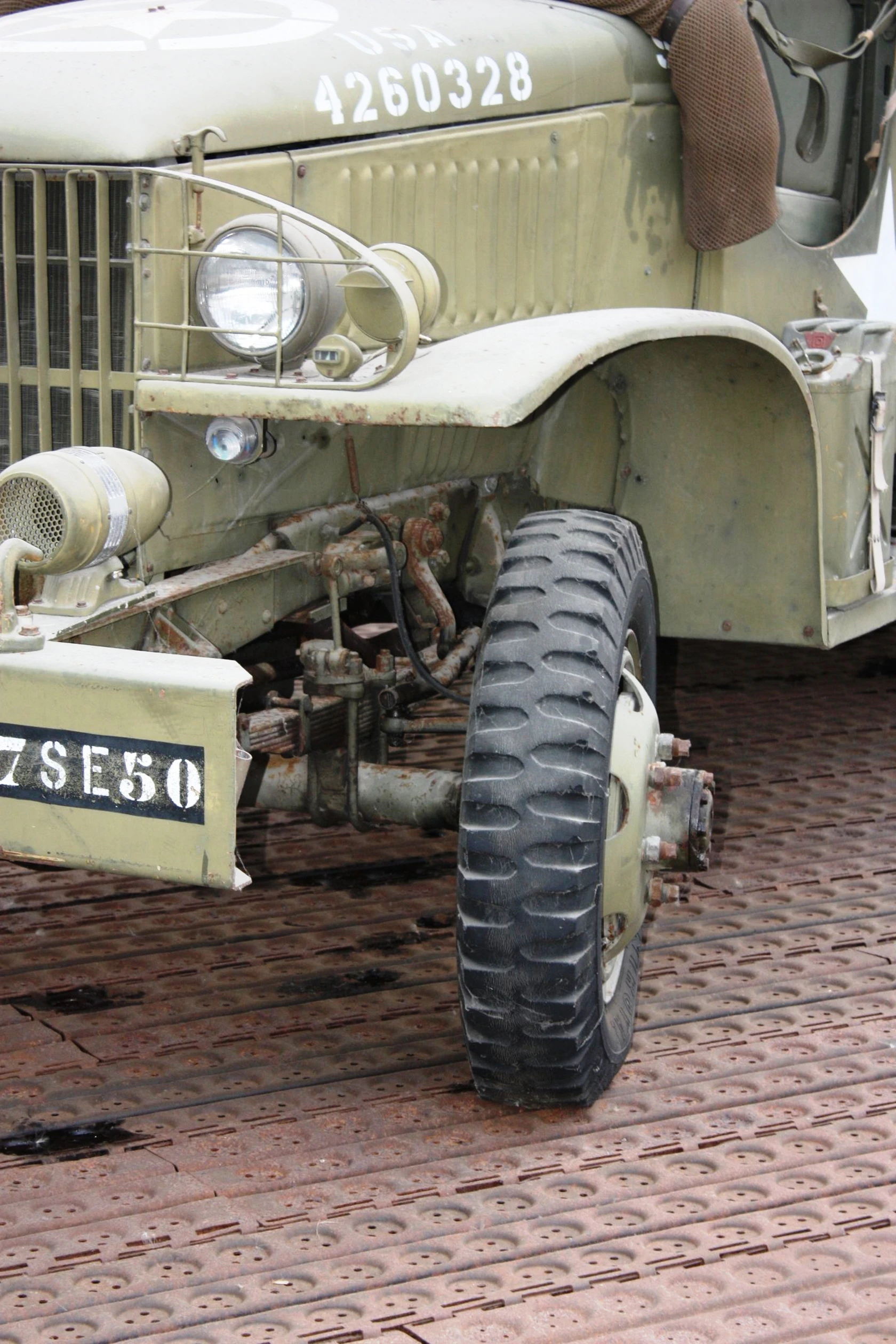
The “Banjo” vs. “Split” Axles:Early CCKWs featured Timken “split” axles, but most production shifted to the GM “Banjo” type axle. The Banjo design allowed for easier maintenance in the field, as the differential could be serviced without dismantling the entire axle housing.
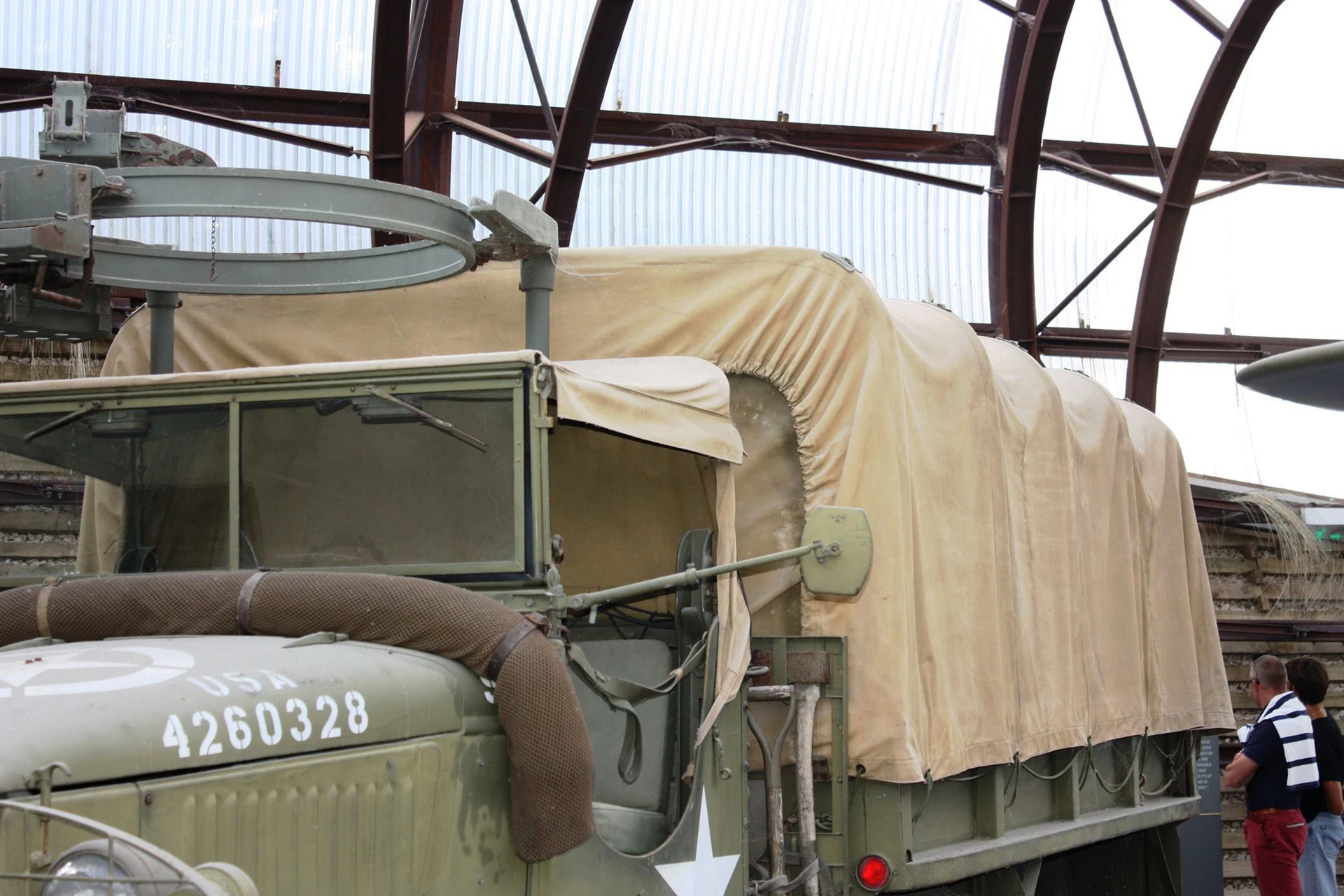
Hard Cab vs. Soft Cab:Early models had closed steel cabs. As the war progressed, the “Open Cab” (Soft Cab) became standard. This saved steel, made the truck easier to ship (by reducing height), and allowed the crew to bail out quickly or fire a ring-mounted machine gun.
The “Long” and “Short” Wheelbase:The truck came in two main lengths: the352(short) designed as a prime mover for artillery, and the353(long) used for general cargo.
Hydrovac Braking:The CCKW was equipped with a vacuum-assisted hydraulic brake system, a significant advancement that allowed drivers to control the massive weight of a fully loaded truck with relatively little pedal effort.
The Red Ball Express and Beyond
The Red Ball Express:After the breakout from Normandy, Allied supplies couldn’t keep up with the fast-moving tanks. The CCKW was the star of the “Red Ball Express,” a massive truck convoy system that ran 24 hours a day to keep Patton’s Third Army supplied with fuel and ammo.
Infinite Variations:The CCKW chassis was used for everything: water tankers, fuel tankers, mobile surgical units, air compressors, and even theDUKW“Duck” amphibious vehicle.
The 270 Engine:The GMC 270 engine was so reliable that it became a favorite of post-war hot-rodders. It featured a high torque-to-weight ratio, which was exactly what was needed to pull five tons of cargo through European mud.
Post-War Global Service:Thousands of “Jimmies” were left in Europe and Asia after 1945. They rebuilt the infrastructure of France, Norway, and the Philippines, and many remained in active military service in smaller nations well into the 1980s.






 ЗИС-151 – Фото и Видео
 M923 Guntruck – фото и видео
 M35 21/2-тонный грузовой автомобиль – Фото и Видео
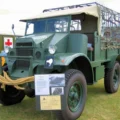 Chevrolet CMP 4×4 - Прогулка вокруг
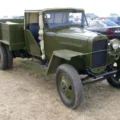 ГАЗ ММ - Прогулка вокруг
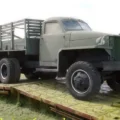 Студебекер US6 vol2 - WalkAround
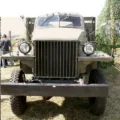 Студебекер US6 - WalkAround - Камион
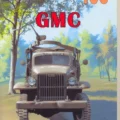 GMC – Wydawnictwo Militaria 166
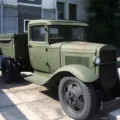 ГАЗ АА - Прогулка вокруг
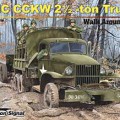 GMC CCKW Грузовик ходить - эскадрилья сигнал SS5718