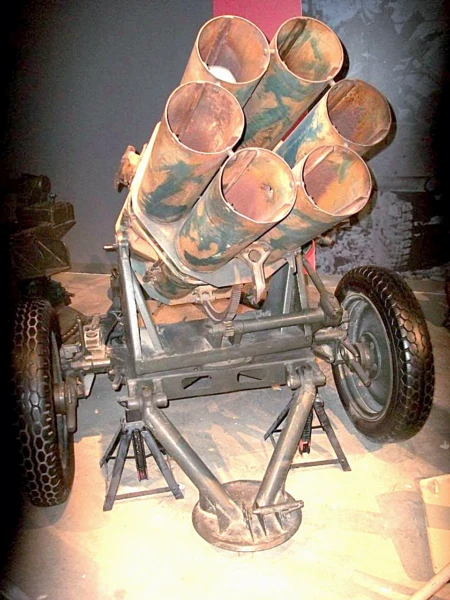
15 см Небельверфер 41 | |
|---|---|
| Страны | Германия |
| Тип | Множественная ракетная установка |
| В обслуживании | 1941–45 |
| Построен | 5283 евро |
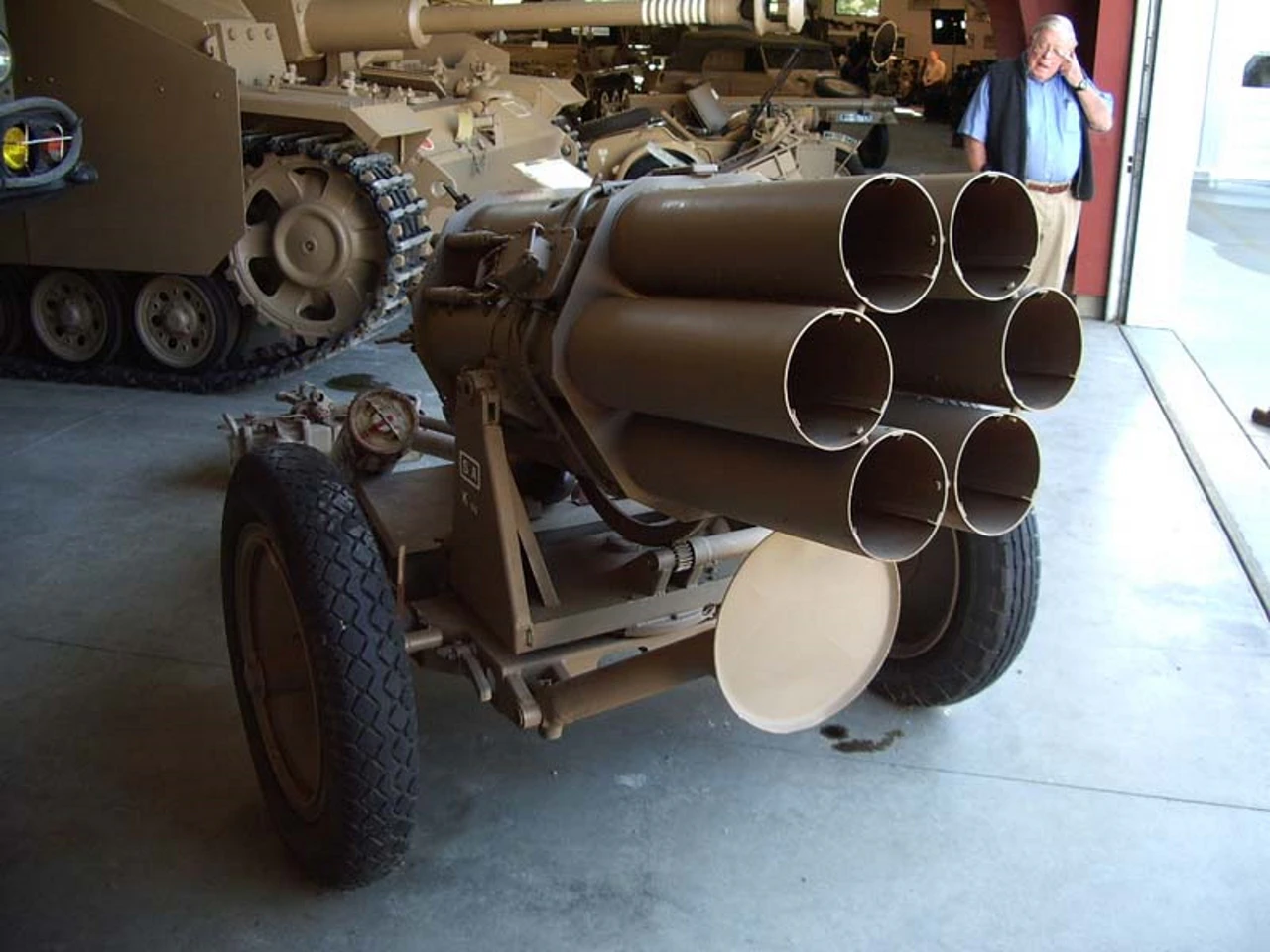
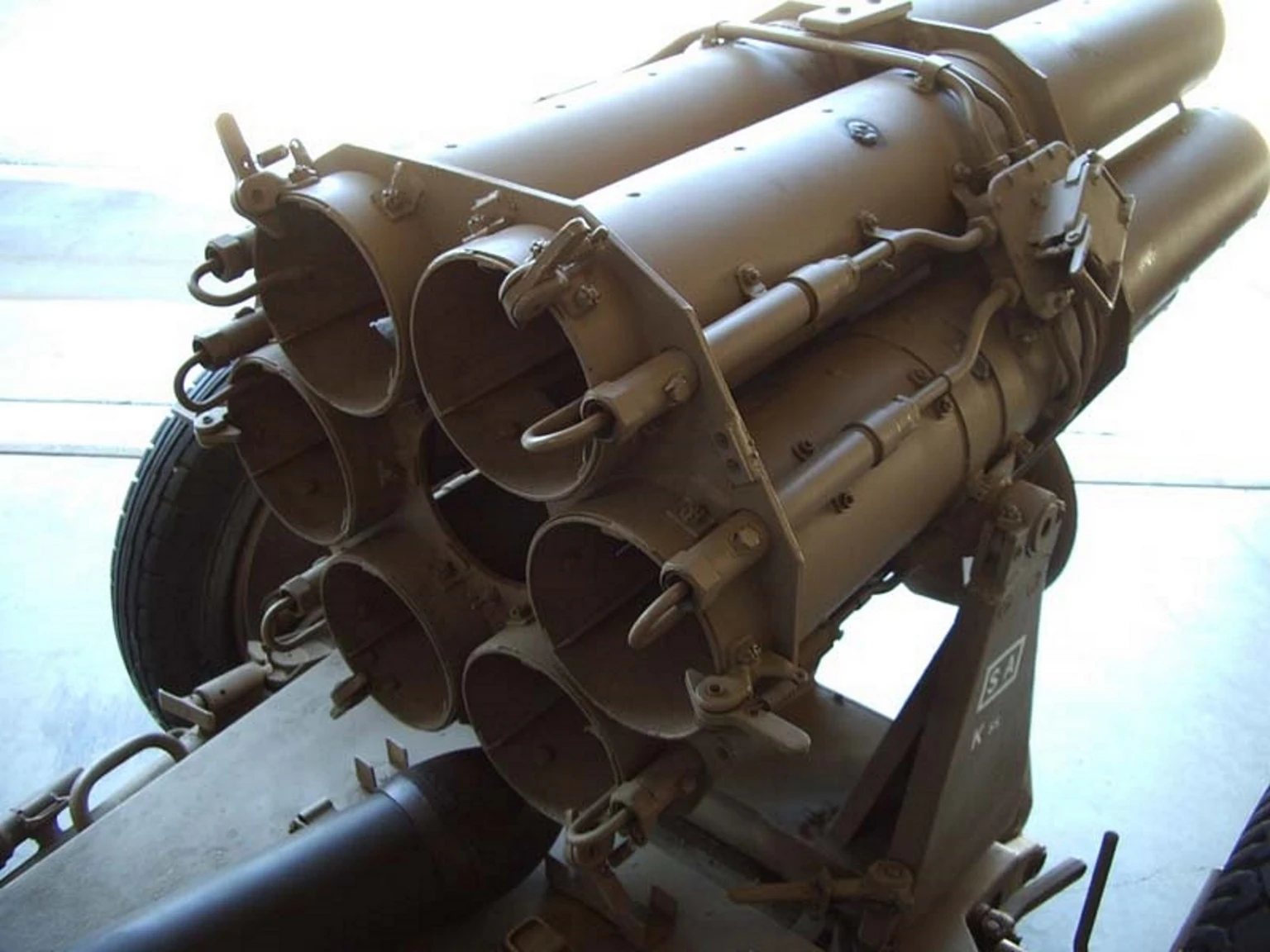
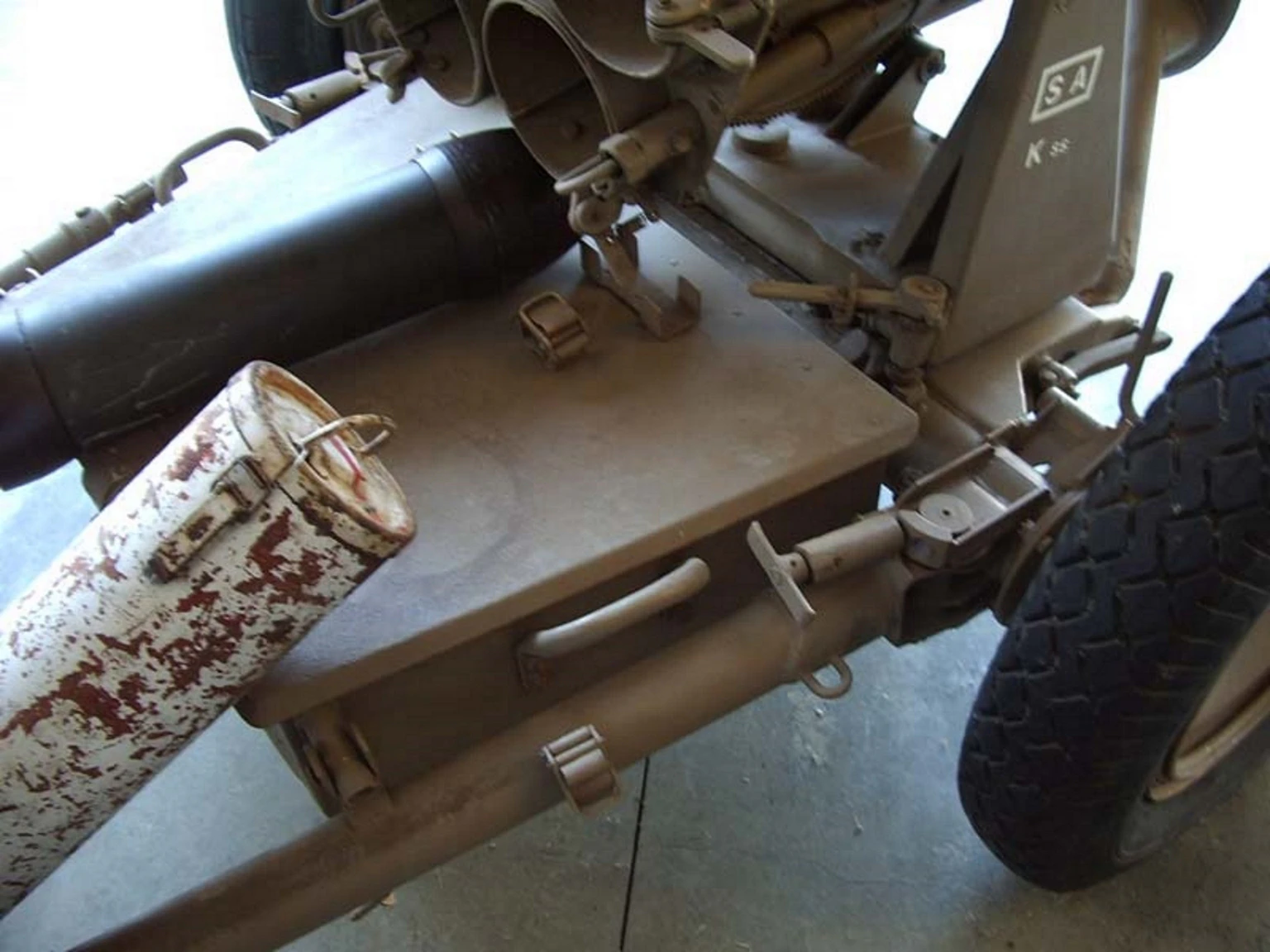
15 см Небельверфер 41 (15 см NbW 41) — немецкая многотягая ракетная установка, используемая во время Второй мировой войны. Он служил в подразделениях Небелтруппена, немецкого эквивалента химического корпуса армии США. Точно так же, как Химический корпус несет ответственность за ядовитый газ и дымовое оружие, которые использовались вместо этого для доставки взрывчатых веществ во время войны, так же как и Небелтруппен. Название "Nebelwerfer" лучше всего переводится как "туман метатель" или "дым метатель".
Источник:15 см Небельверфер 41 в Википедии
| 15 см Небельверфер 41 WalkAround | |
|---|---|
| Фотограф | Неизвестная |
| Локализации | Неизвестная |
| Фотографии | 27 |
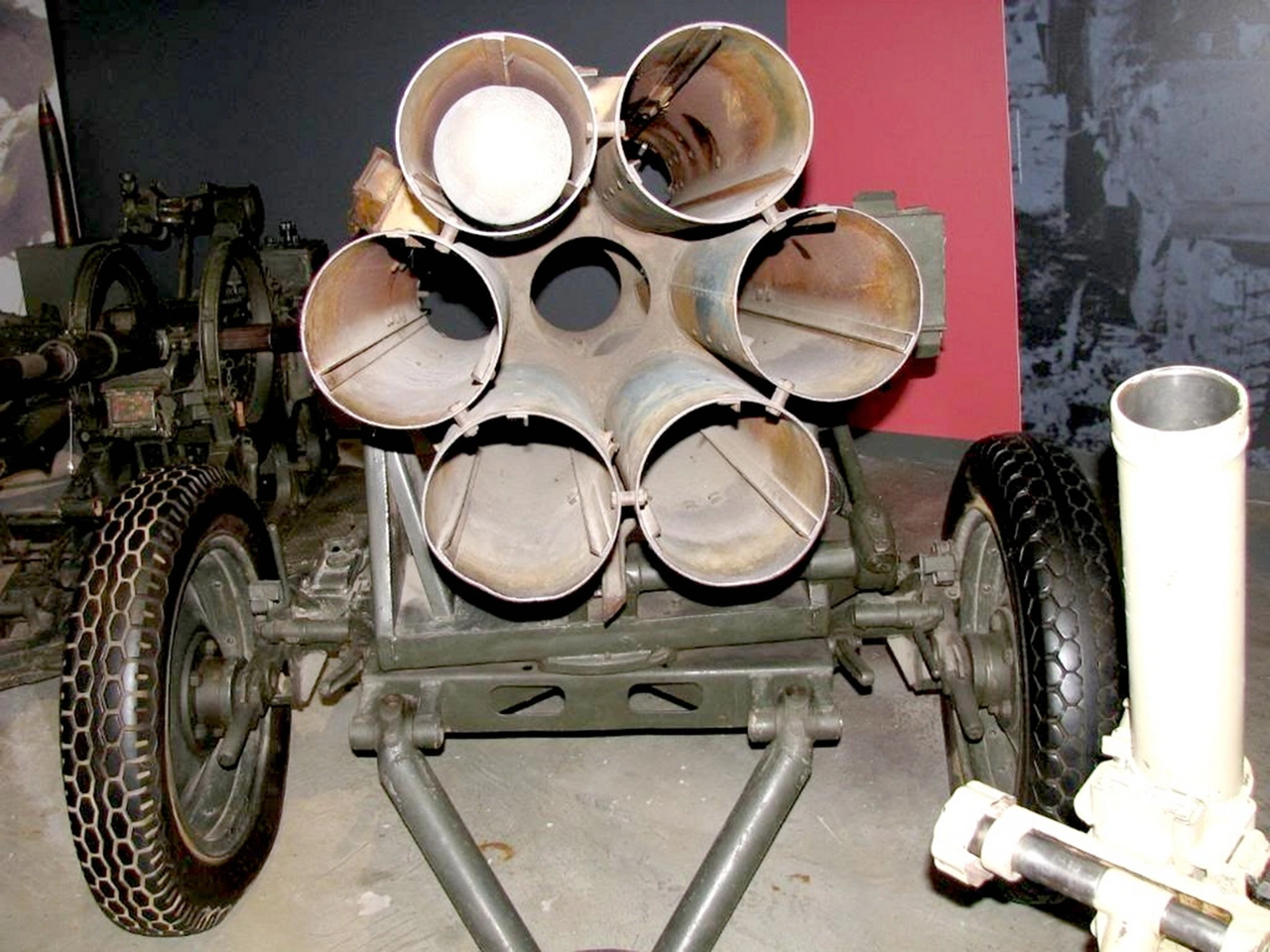
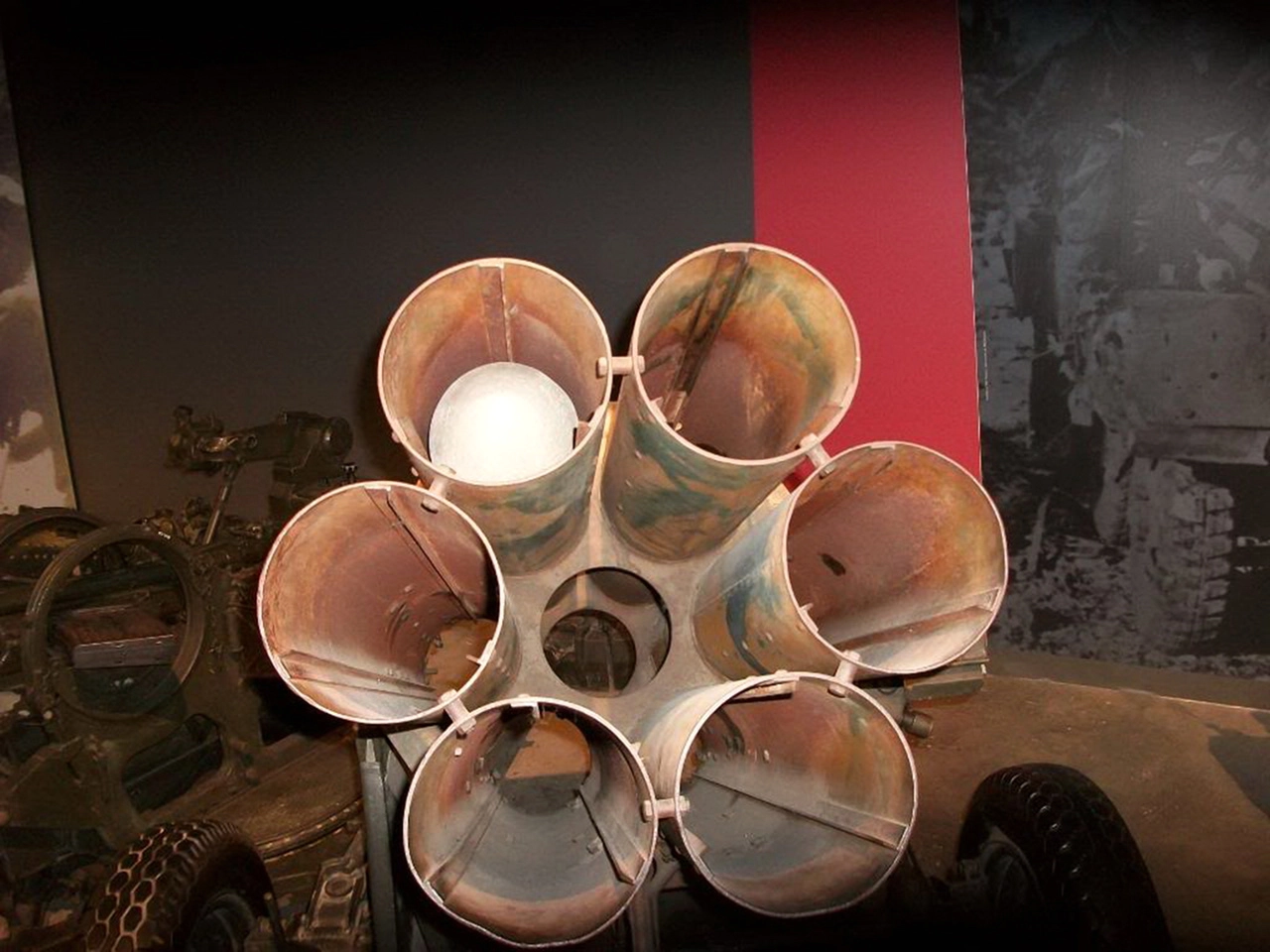
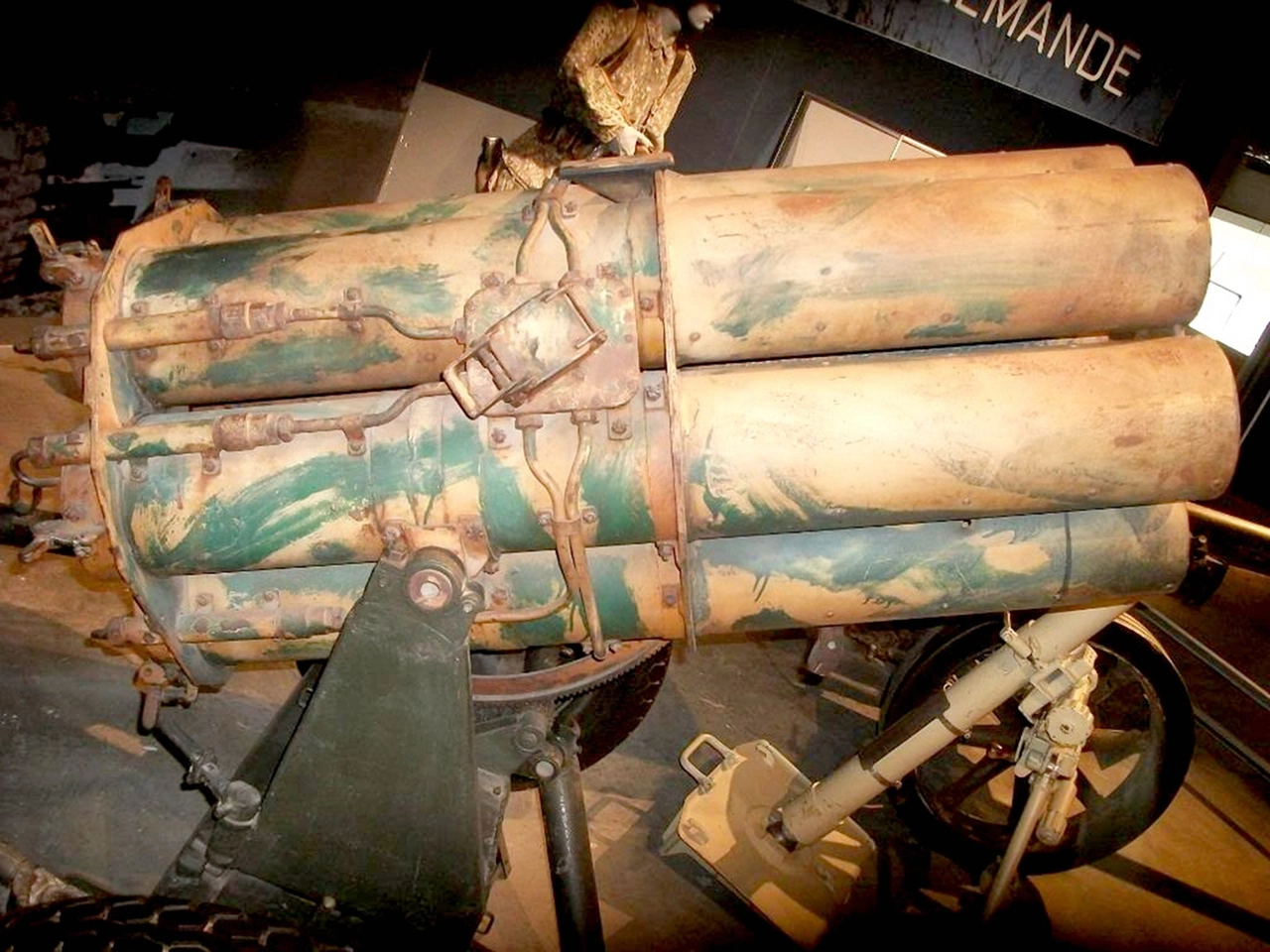
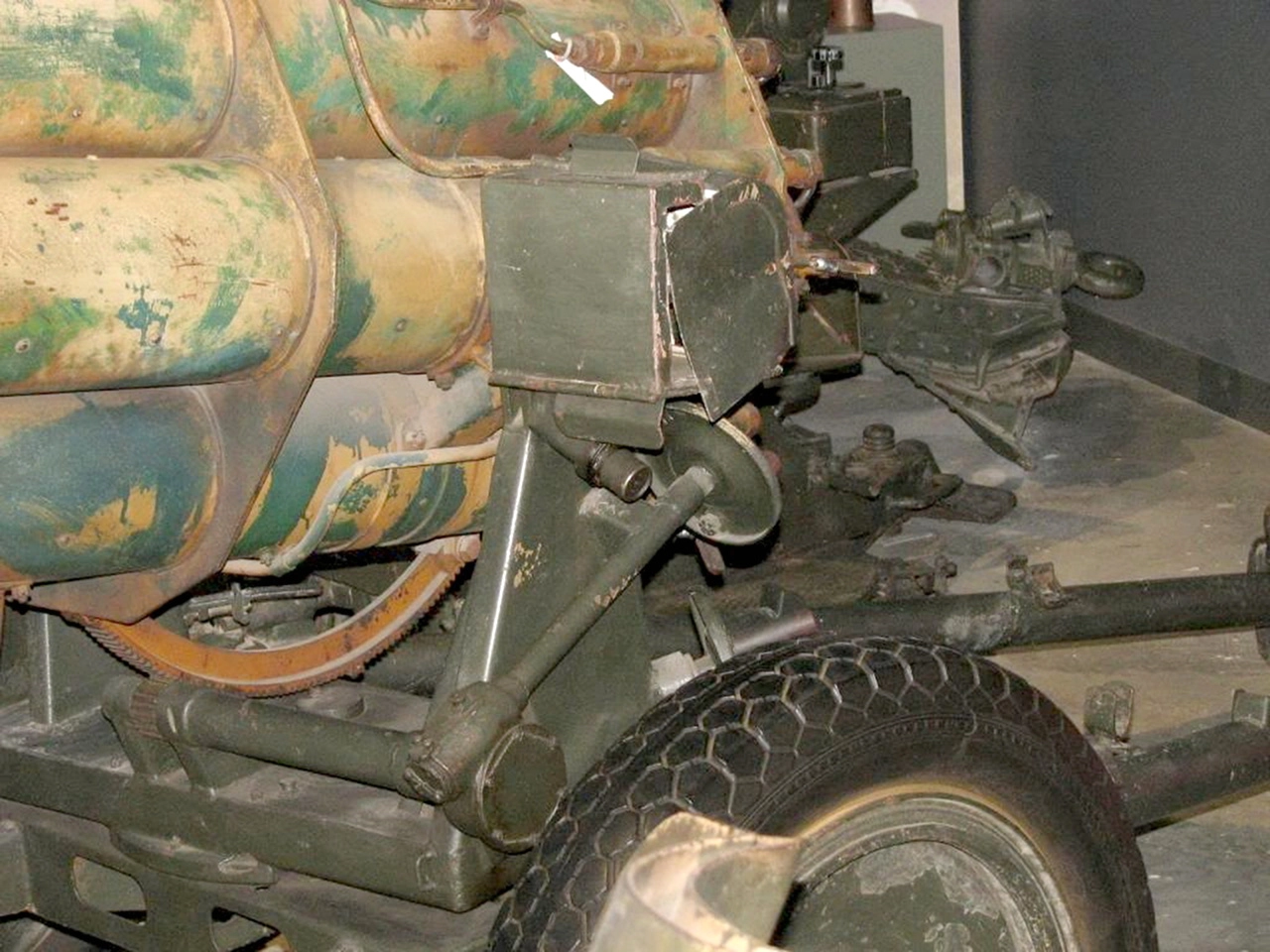
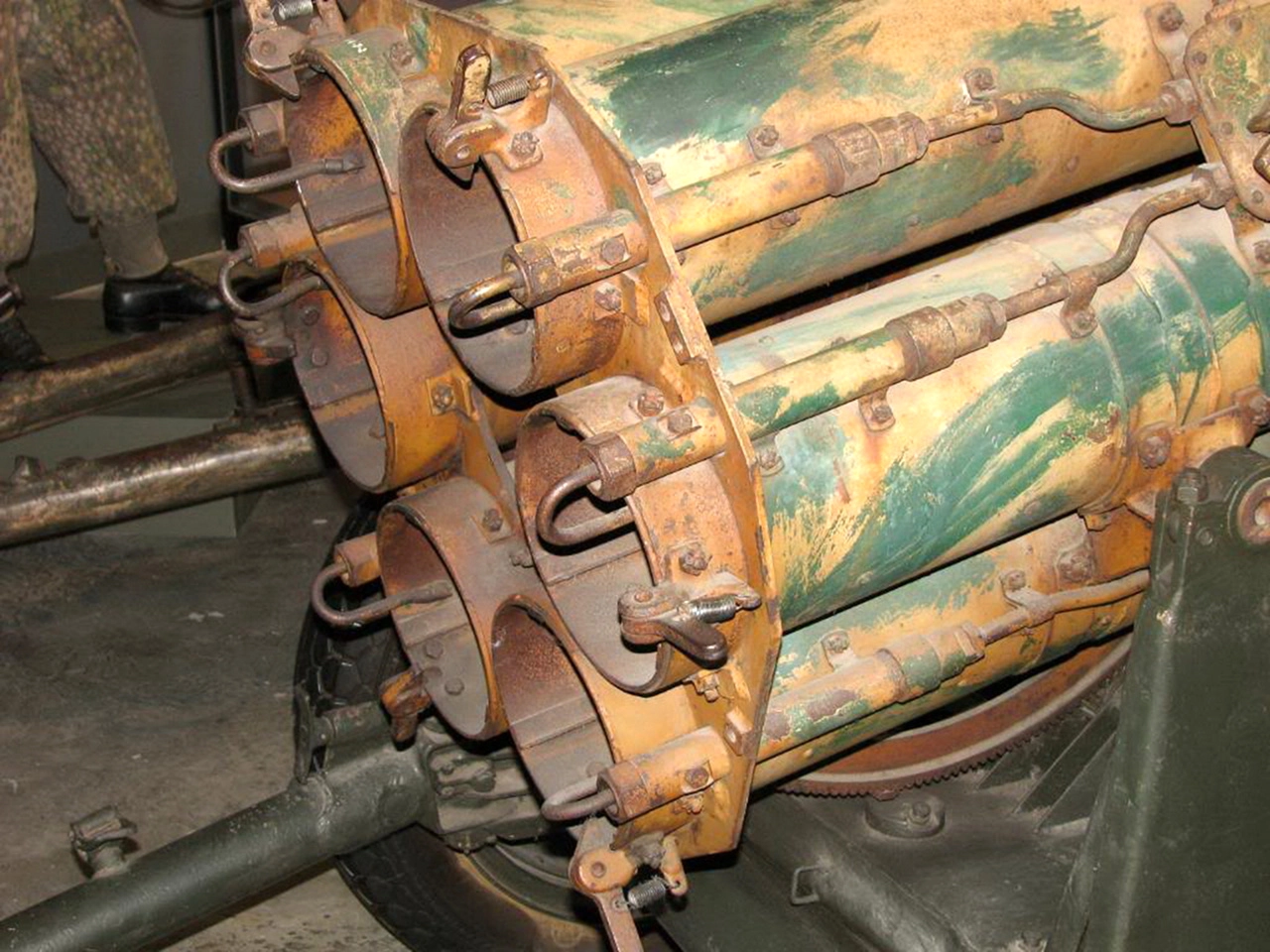
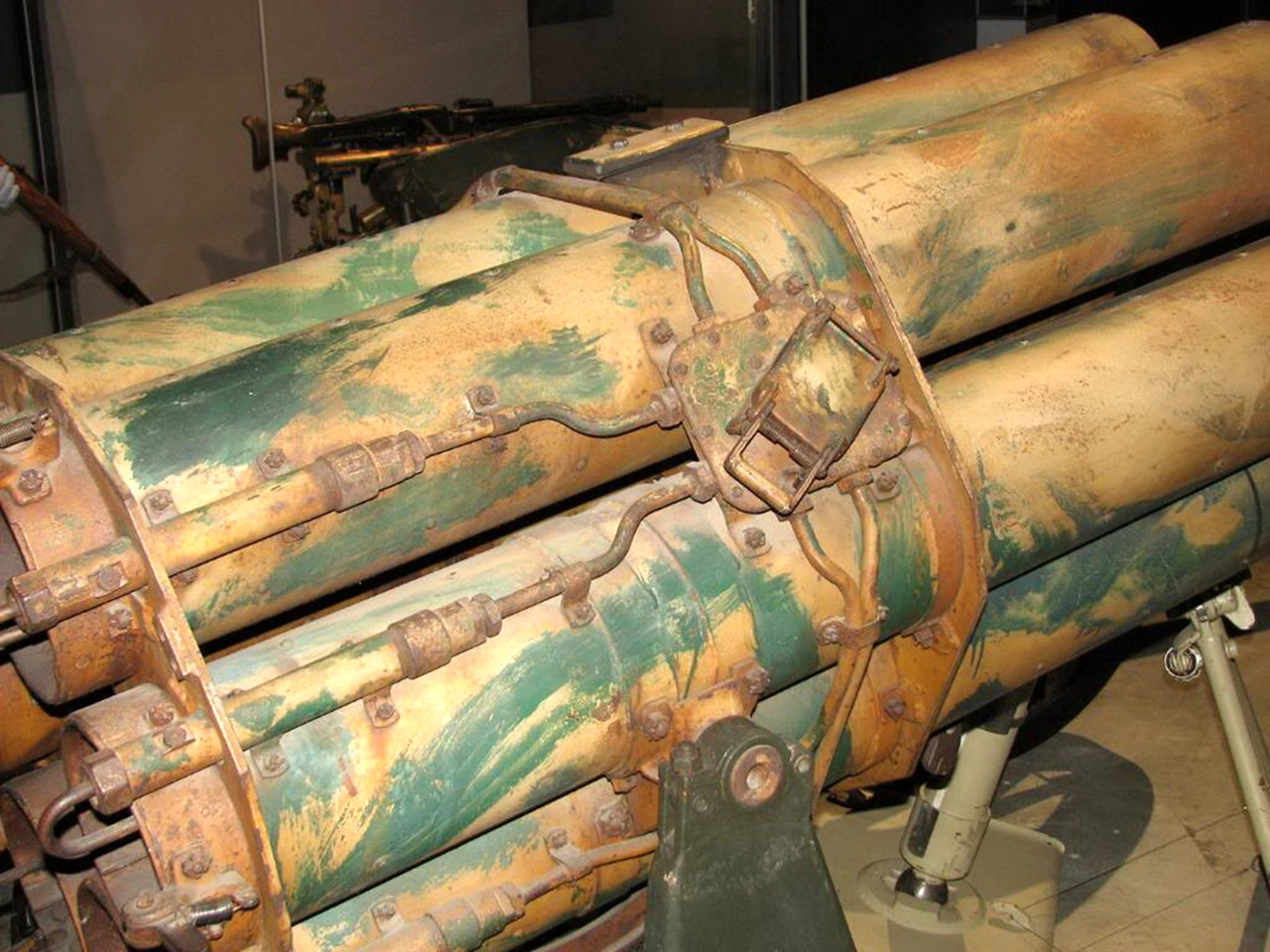
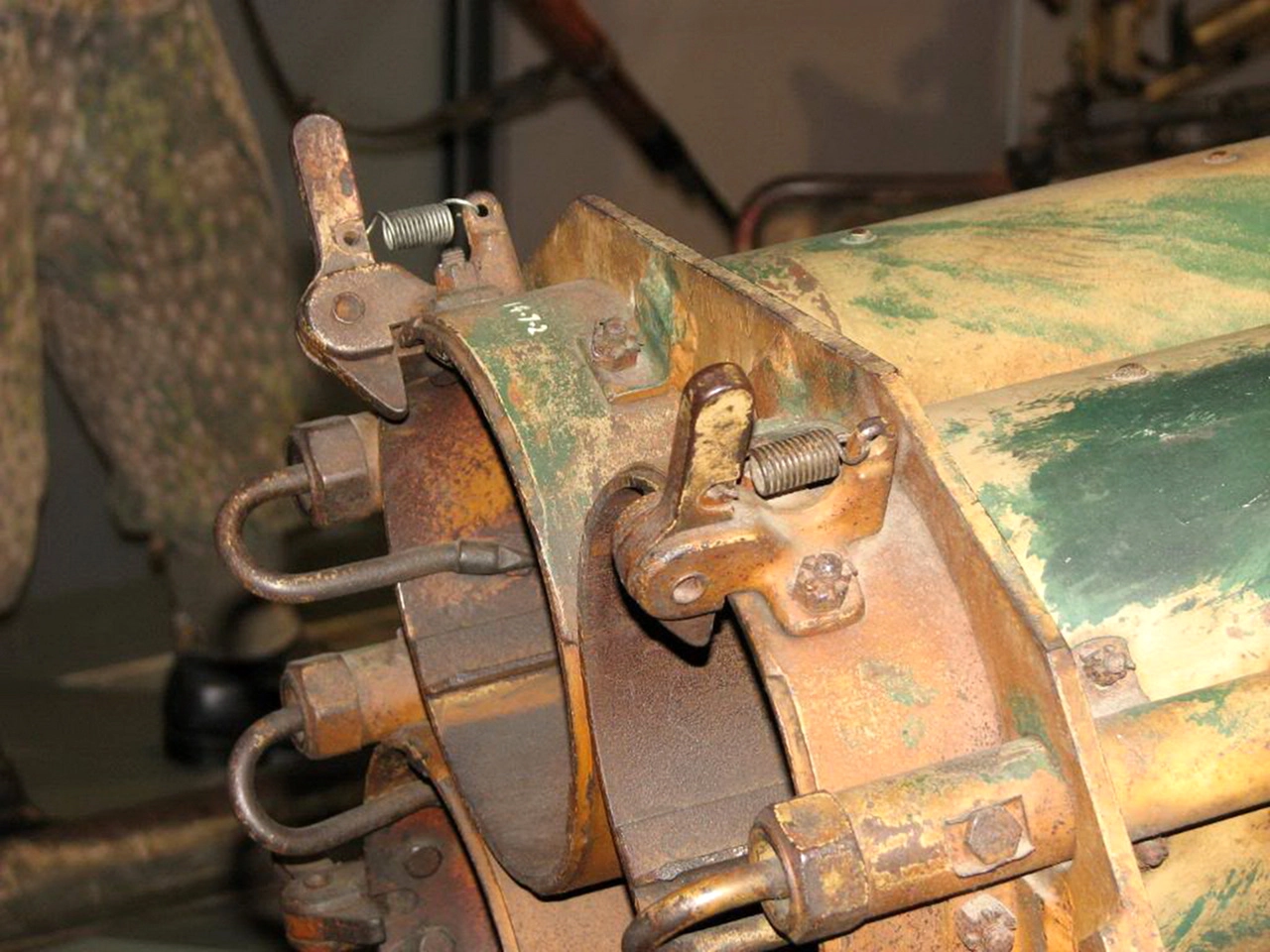
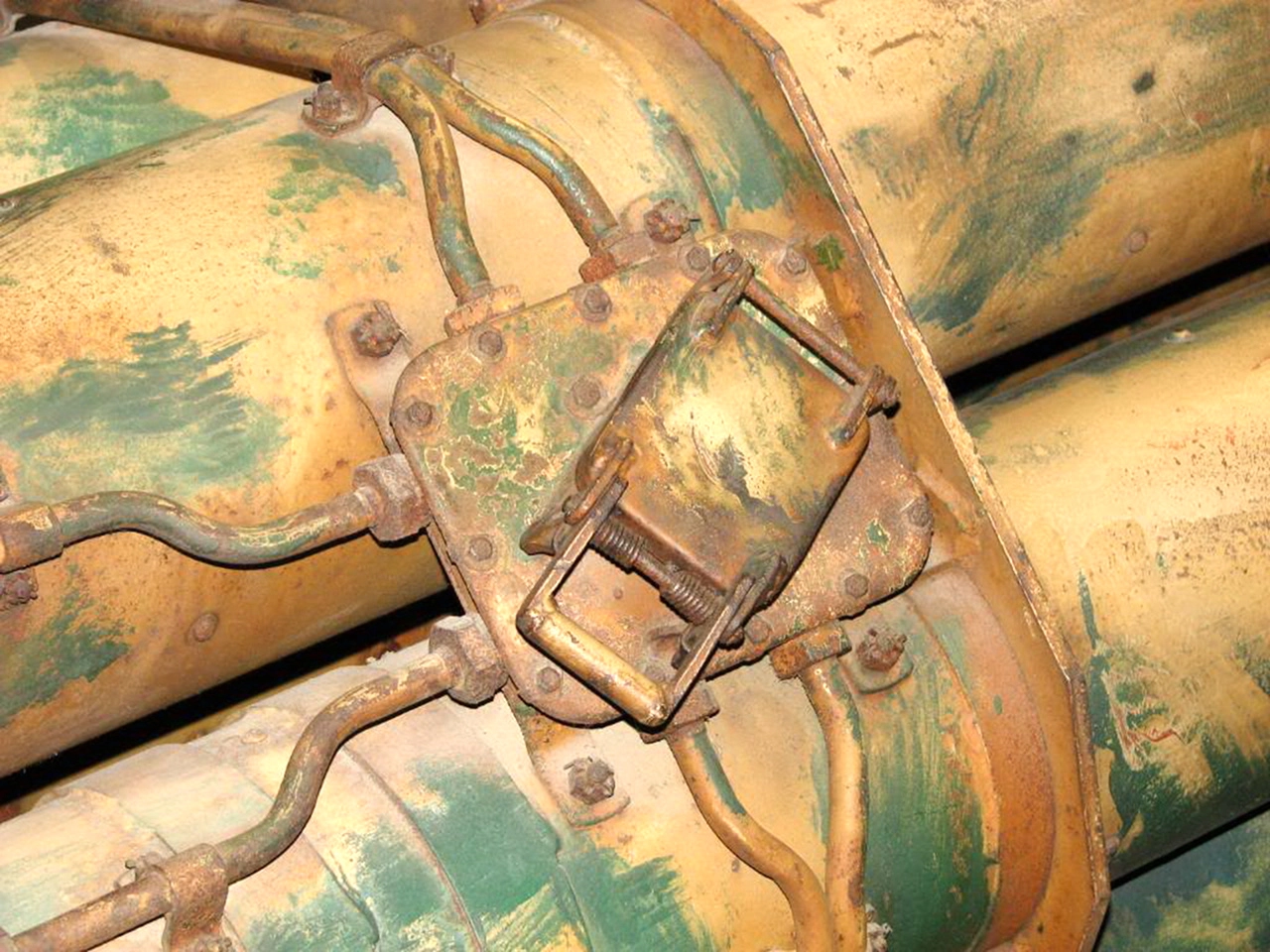

| Небельверфер 41 15 см | |
|---|---|
| Фотограф | Рэнди Рэй |
| Найти | Форт-Силл |
| Фотографии | 41 |
| Небельверфер 41 15-сантиметровая прогулка | |
|---|---|
| Фотограф | Владимир Якубов |
| Локализации | Неизвестная |
| Фотографии | 20 |
Читайте также:


| Nebelwerfer 41 15-cm Walk Around | |
|---|---|
| Фотограф | Владимир Якубов |
| Локализации | Неизвестная |
| Фотографии | 100 |
| Nebelwerfer 41 15-cm Walk Around | |
|---|---|
| Фотограф | Неизвестная |
| Локализации | Неизвестная |
| Фотографии | 30 |
The “Smoke Thrower” of the Nebeltruppen
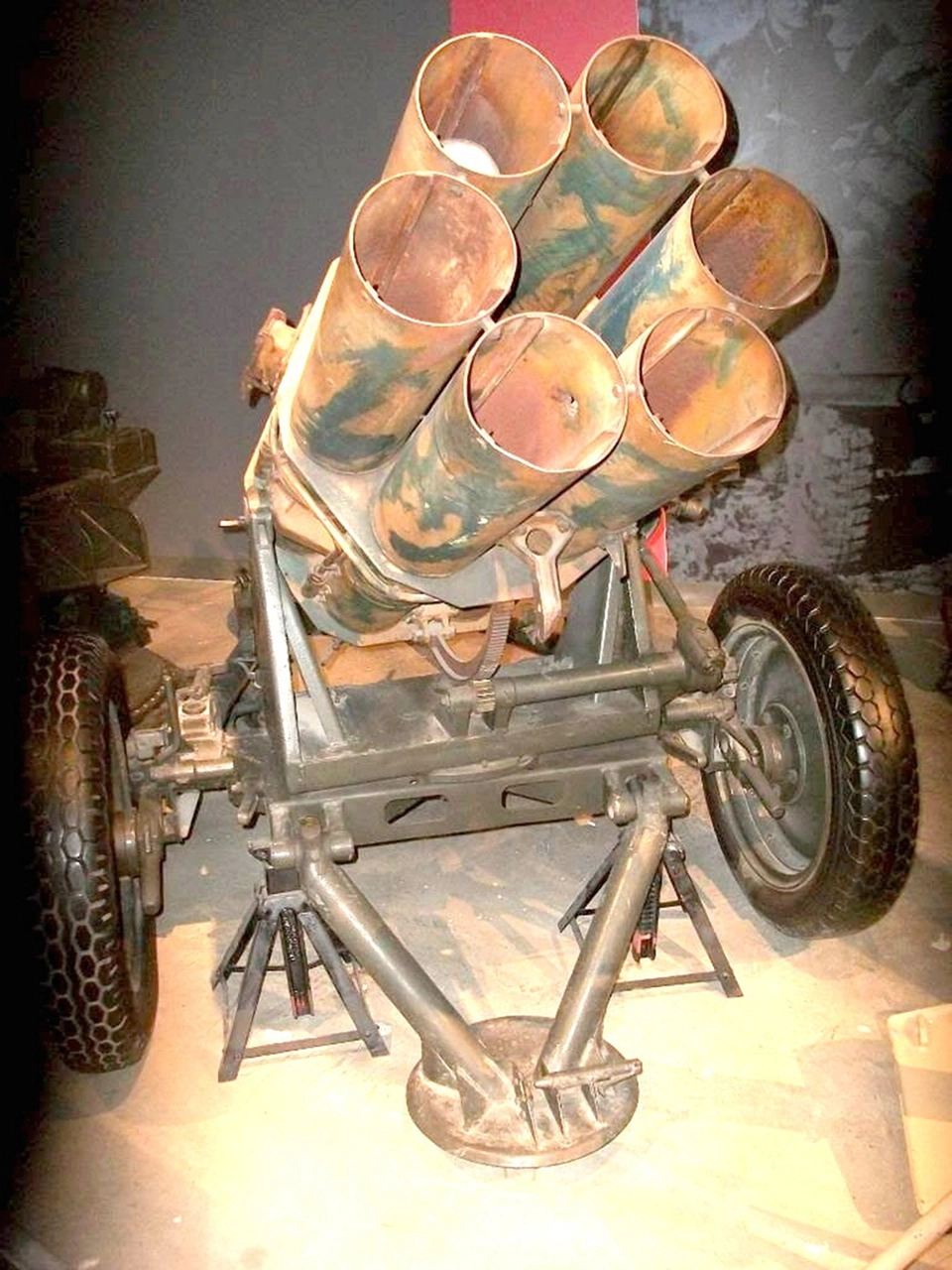
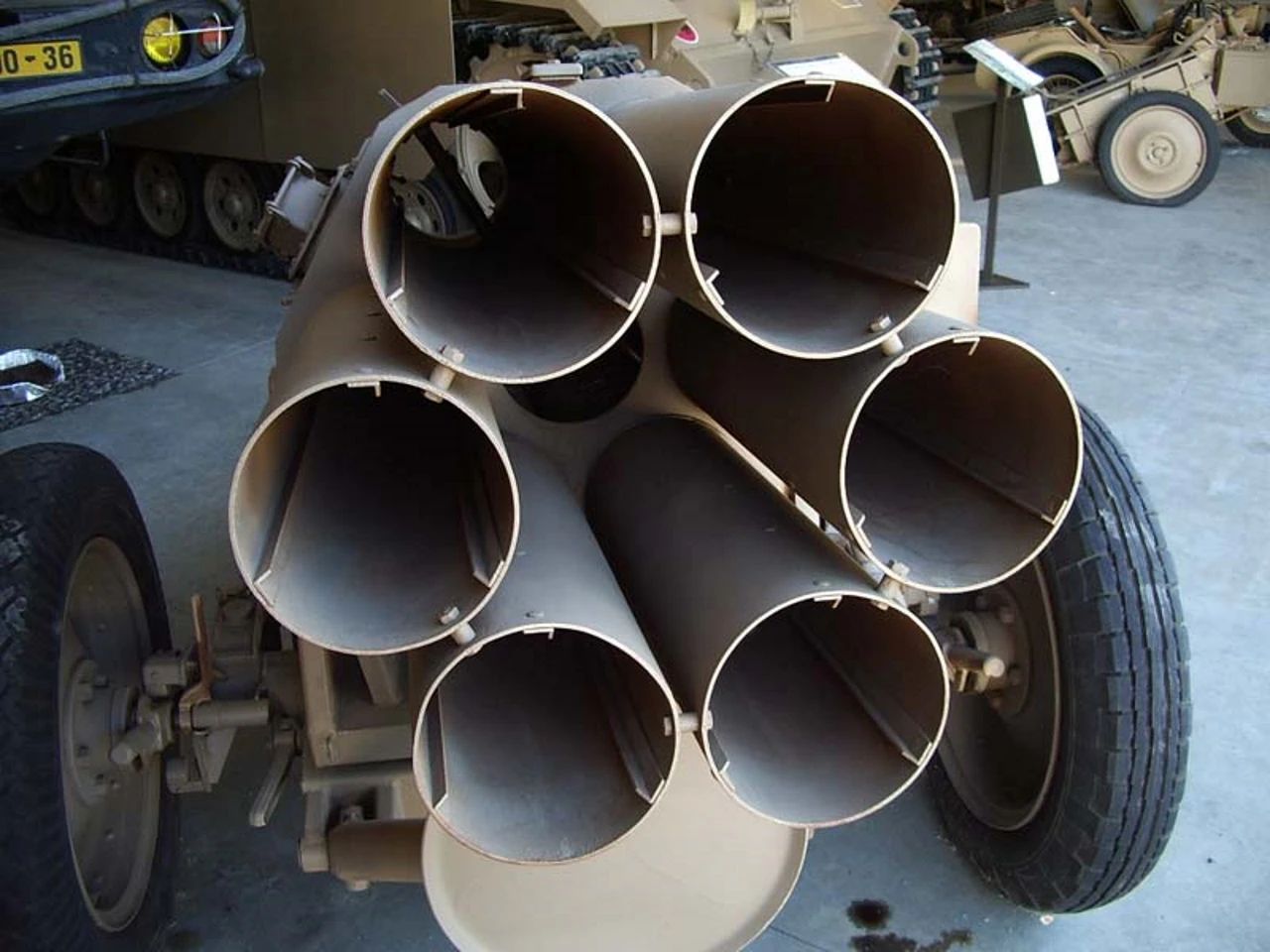
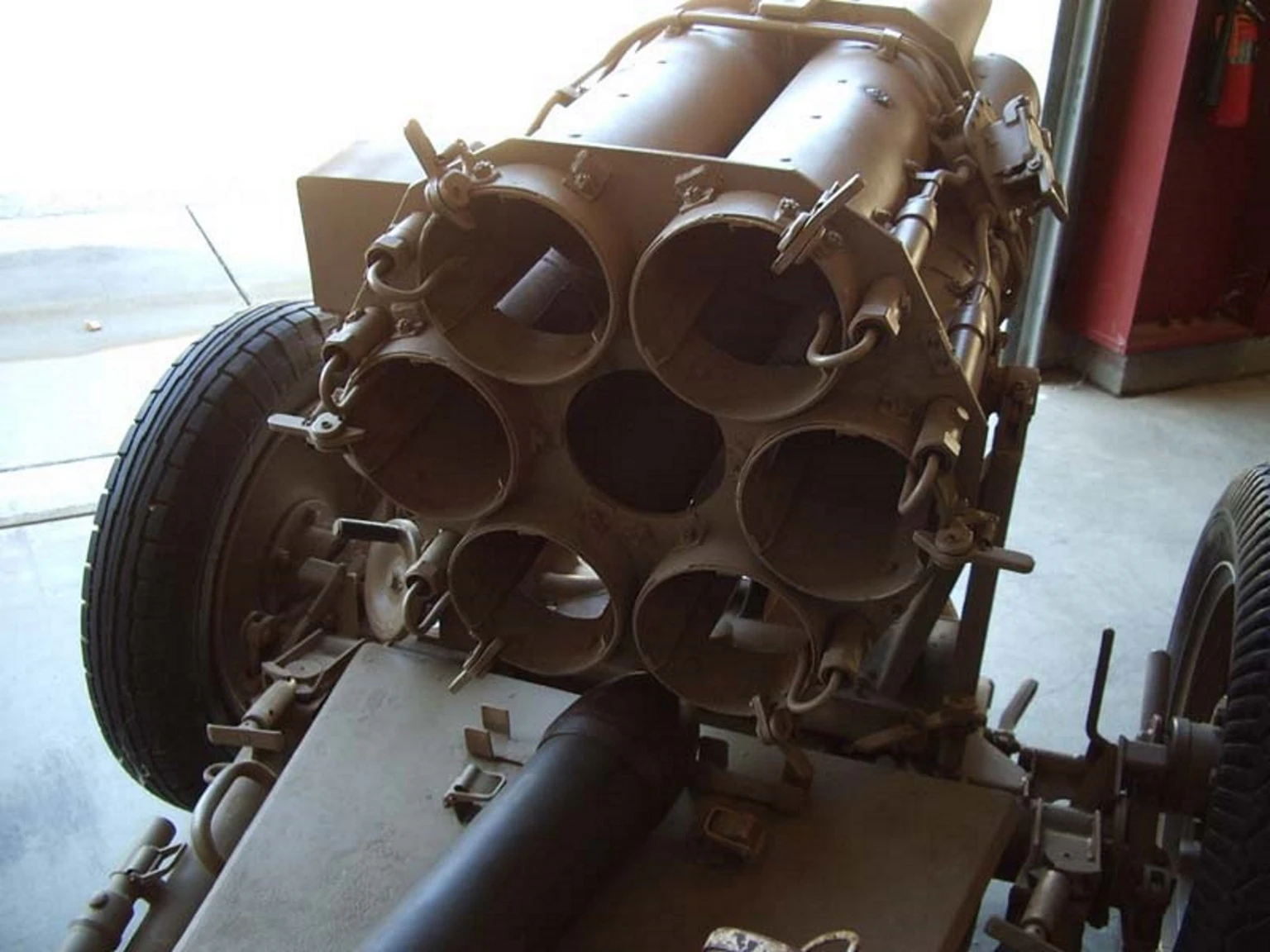
Teh 15 см Небельверфер 41 (NbW 41) was a towed six-barrel rocket launcher that became one of the most iconic sounds of the Second World War. Originally developed by the German “Smoke Troops” (Nebeltruppen) for the delivery of chemical weapons and smoke screens—a classification used to bypass the Treaty of Versailles—it was primarily used to fire high-explosive rockets. While it lacked the pinpoint accuracy of traditional artillery, its ability to saturate a target area with six massive rockets in a matter of seconds made it a devastating weapon of area denial and psychological warfare.
| Attribute | Technical Specification (15 cm NbW 41) |
|---|---|
| Роль | Multiple Rocket Launcher (Towed) |
| Калибра | 158.5 mm (6.24 inches) |
| Barrels | 6 tubes, 1.3 meters long |
| Weight (Empty) | 540 kg (1,190 lbs) |
| Rate of Fire | 1 salvo (6 rockets) in 10 seconds |
| Maximum Range | 6,900 meters (approx. 4.3 miles) |
| Muzzle Velocity | 342 m/s (1,120 ft/s) |
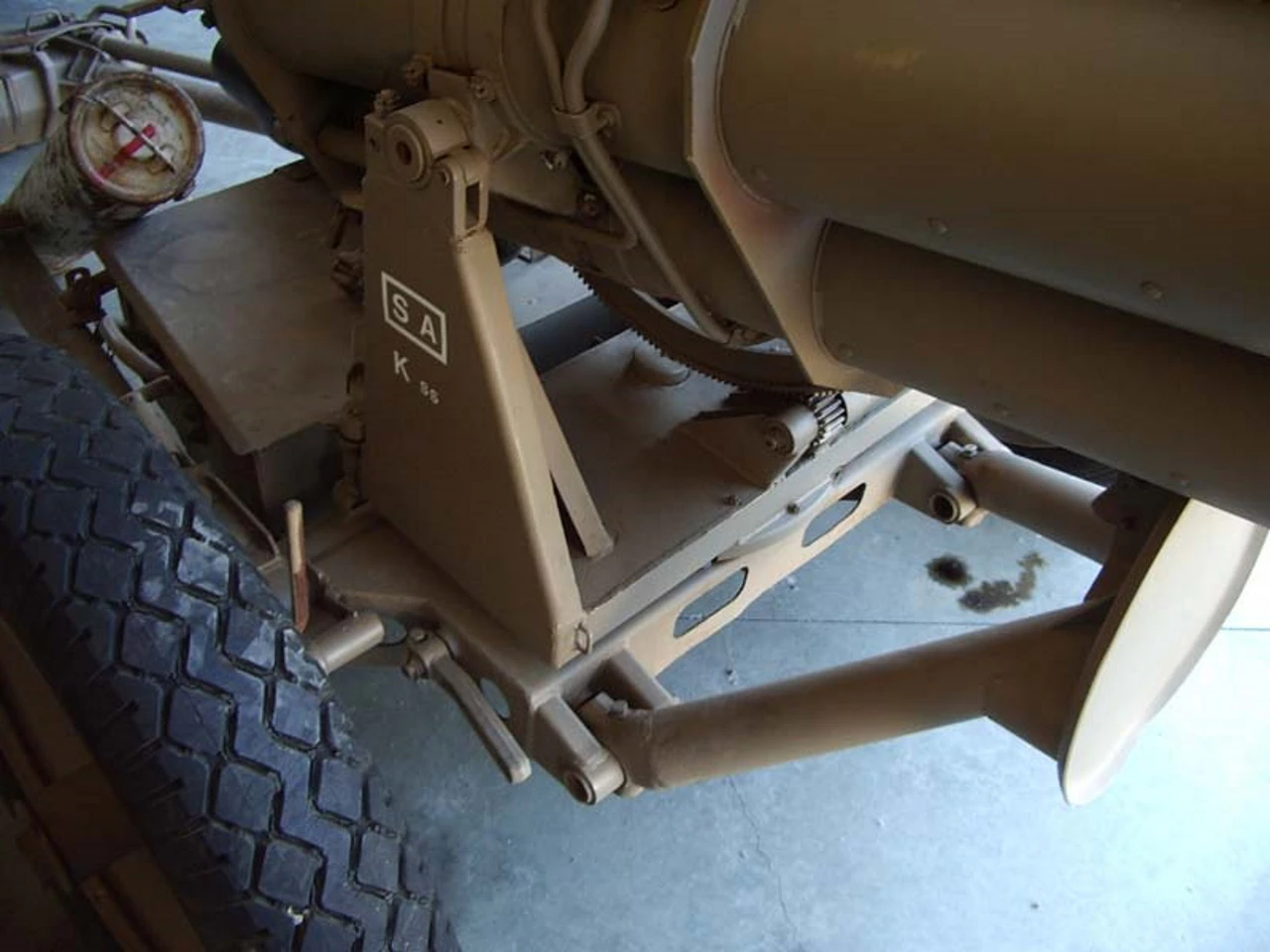
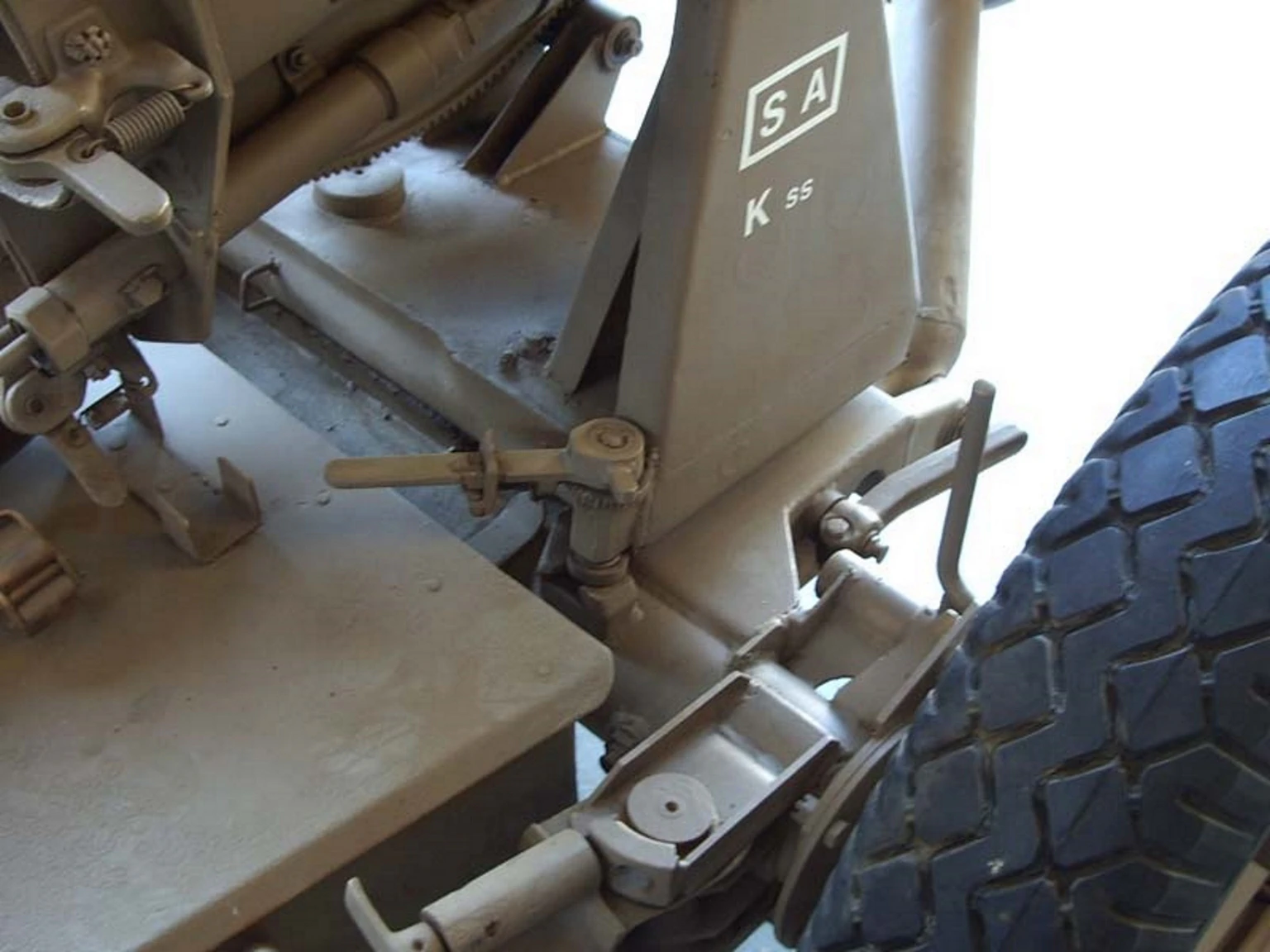
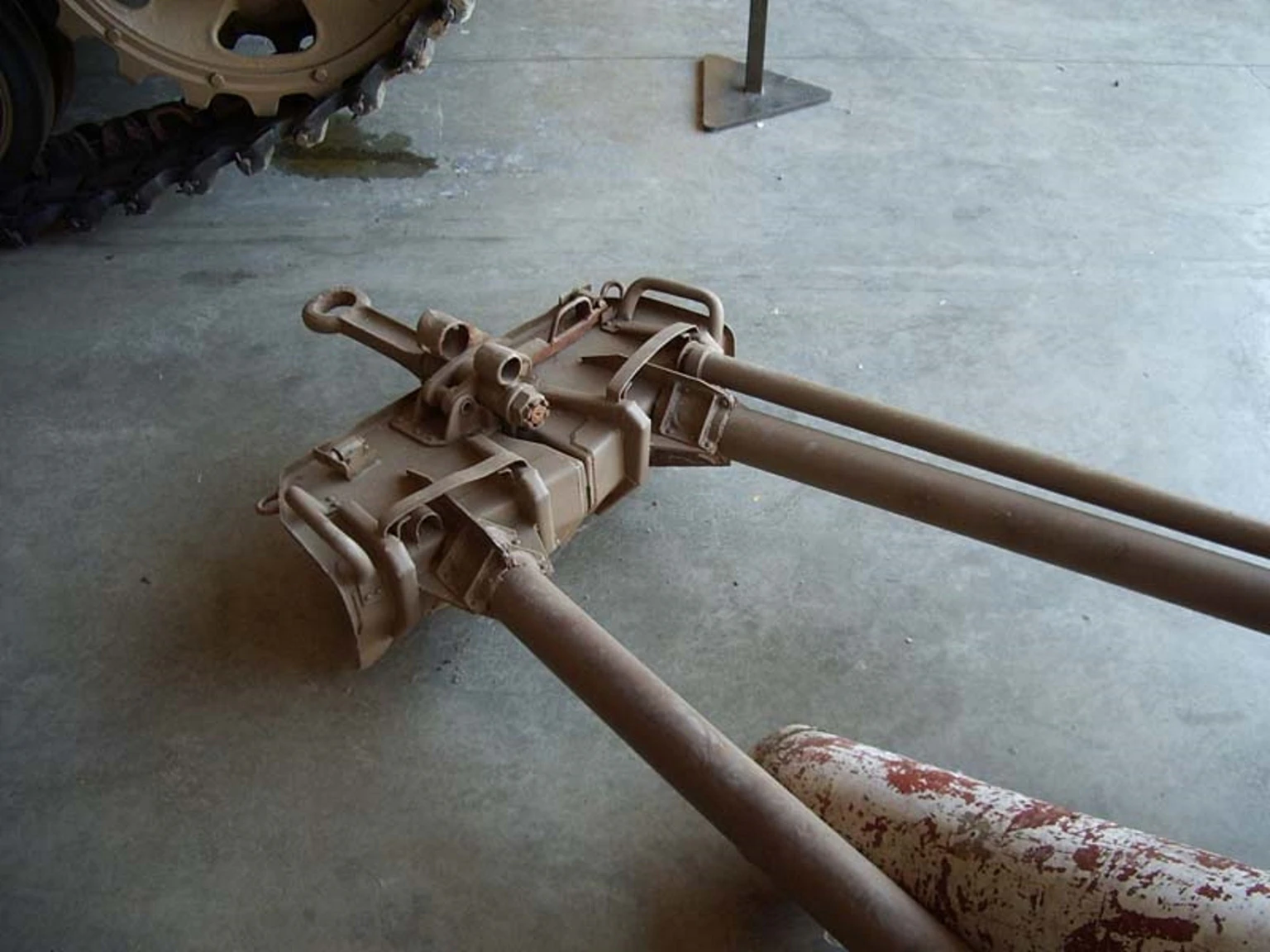
| Carriage | Modified 3.7 cm PaK 36 split-trail carriage |
Design Engineering: Spin-Stabilized Impact
- The “Front-Engined” Rocket: Unlike most rockets where the motor is at the rear, the 15 cm Wurfgranate 41 had its motor in the фронт. The exhaust venturis were located about two-thirds of the way down the body. This was designed to keep the warhead above the ground during detonation to maximize blast and fragmentation, though it made the rockets more complex to manufacture.
- Spin-Stabilization: The rockets were stabilized not by fins, but by 26 canted nozzles in the exhaust ring. These nozzles were drilled at a 14° angle, causing the rocket to spin rapidly in flight, which significantly improved accuracy over fin-stabilized designs.
- The Fixed Firing Order: To prevent the massive backblast from toppling the lightweight carriage, the tubes were never fired simultaneously. They followed a strict electrical firing sequence: 1-4-6-2-3-5. This distributed the recoil forces evenly across the mount.
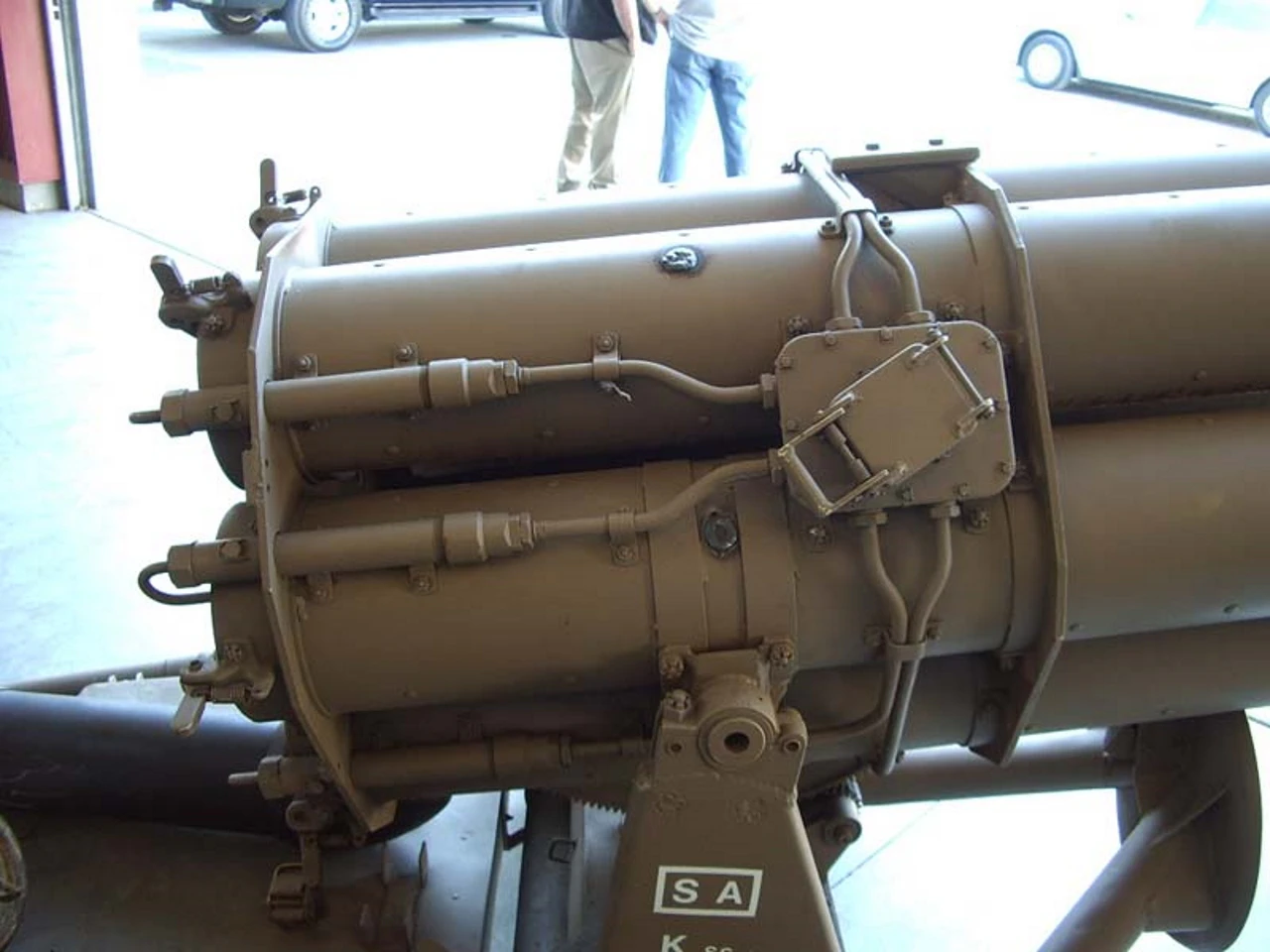
- Electrical Remote Ignition: Because the backblast was dangerous and kicked up massive amounts of debris, the crew operated the launcher from a distance (typically 10–15 meters away) using an electrical ignition box and a long cable.
Operational History: The “Moaning Minnie”
- Psychological Impact: Allied troops in Sicily and Normandy nicknamed it “Screaming Mimi” or “Moaning Minnie” because of the terrifying, high-pitched wailing sound the rockets made as they descended. The sound was often as effective at breaking morale as the actual explosions were.
- The Smoke Trail Weakness: The rockets left thick, persistent white smoke trails that pointed directly back to the launcher’s position. This made Nebelwerfer batteries high-priority targets for Allied counter-battery fire, forcing crews to “shoot and scoot” immediately after a salvo.
- Saturation vs. Precision: A single battery of six launchers could deliver 36 rockets (carrying nearly 90 kg of high explosives) into a small area in just 10 seconds. This made them perfect for halting infantry charges or clearing out defensive “soft” targets.
- Self-Propelled Success: The system was eventually mounted on armored half-tracks to create the Панцерверфер 42, solving the mobility and vulnerability issues of the towed version by allowing it to move almost immediately after firing.
Просмотры: 6847