Matilda | |
|---|---|
| Pays | UK |
| Catégorie | Véhicules blindés |
| Type | Char d’assaut |
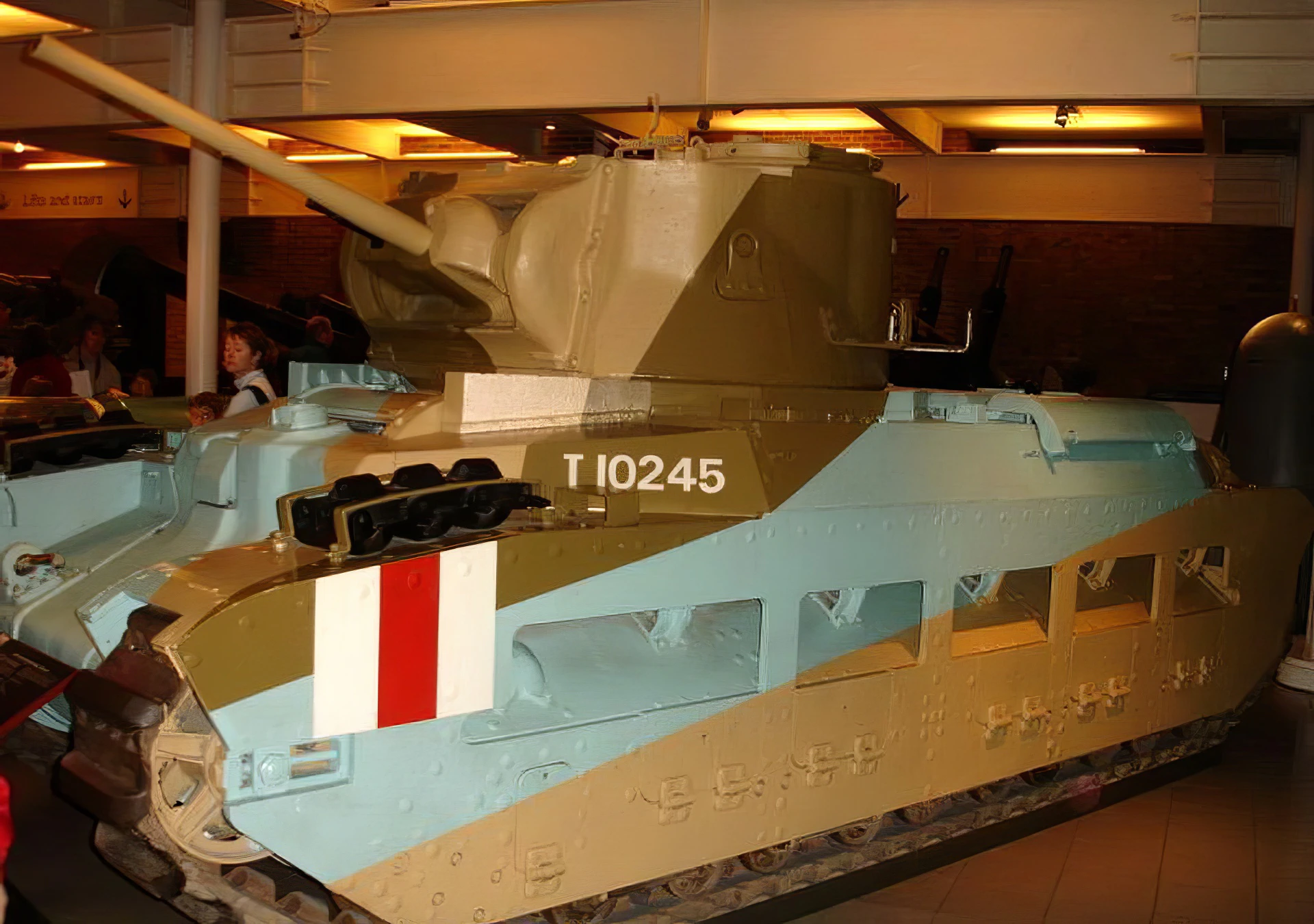
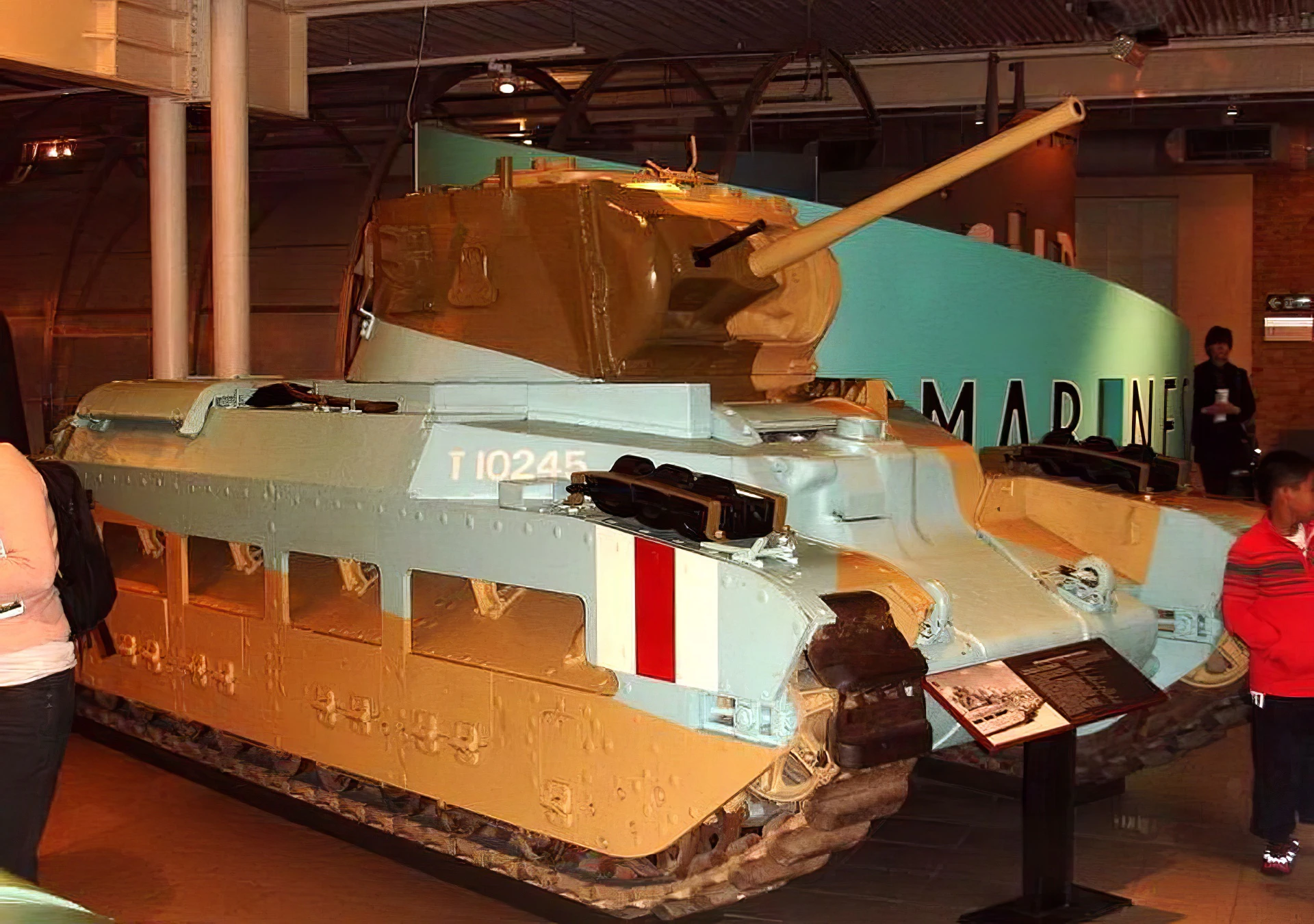
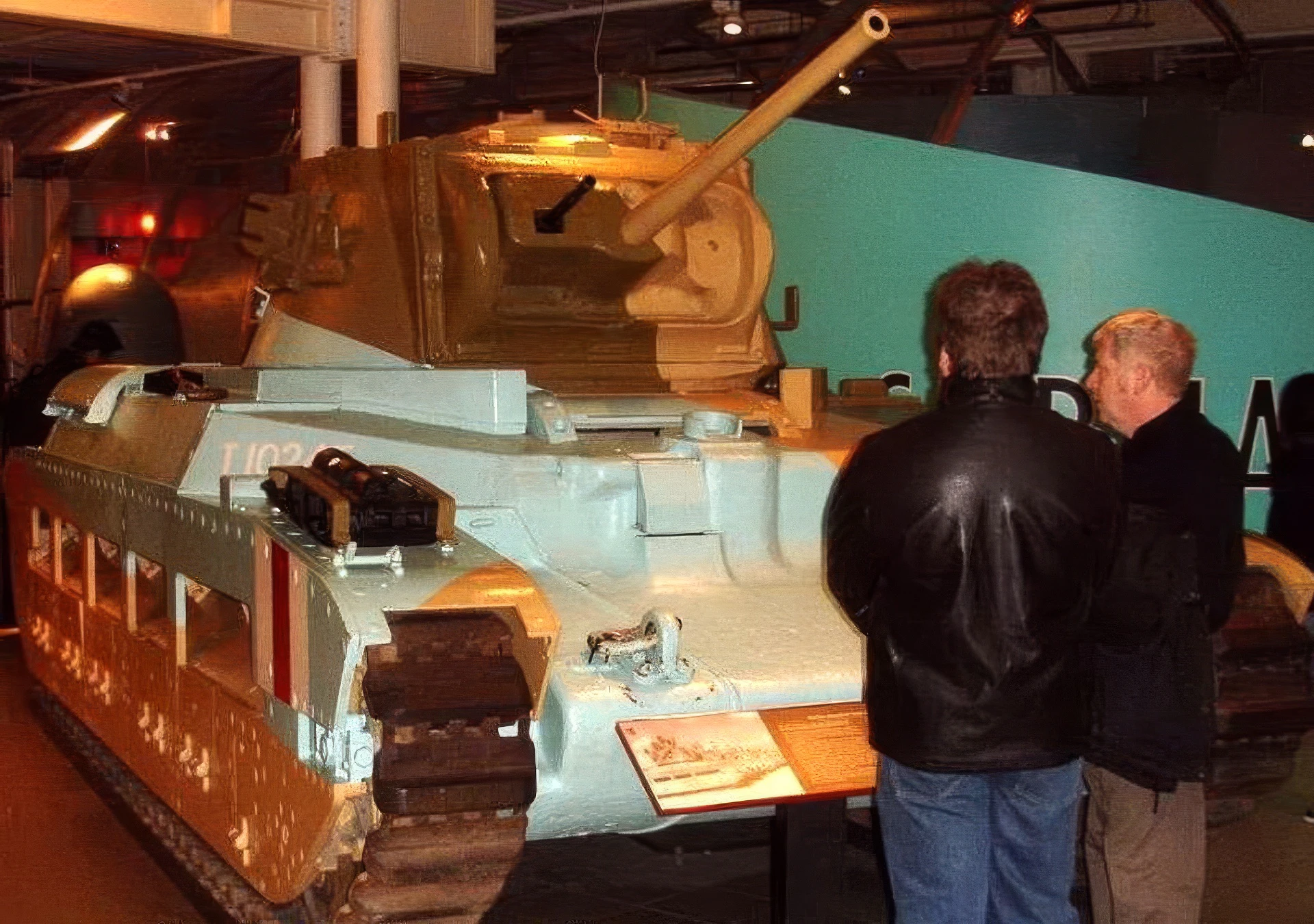
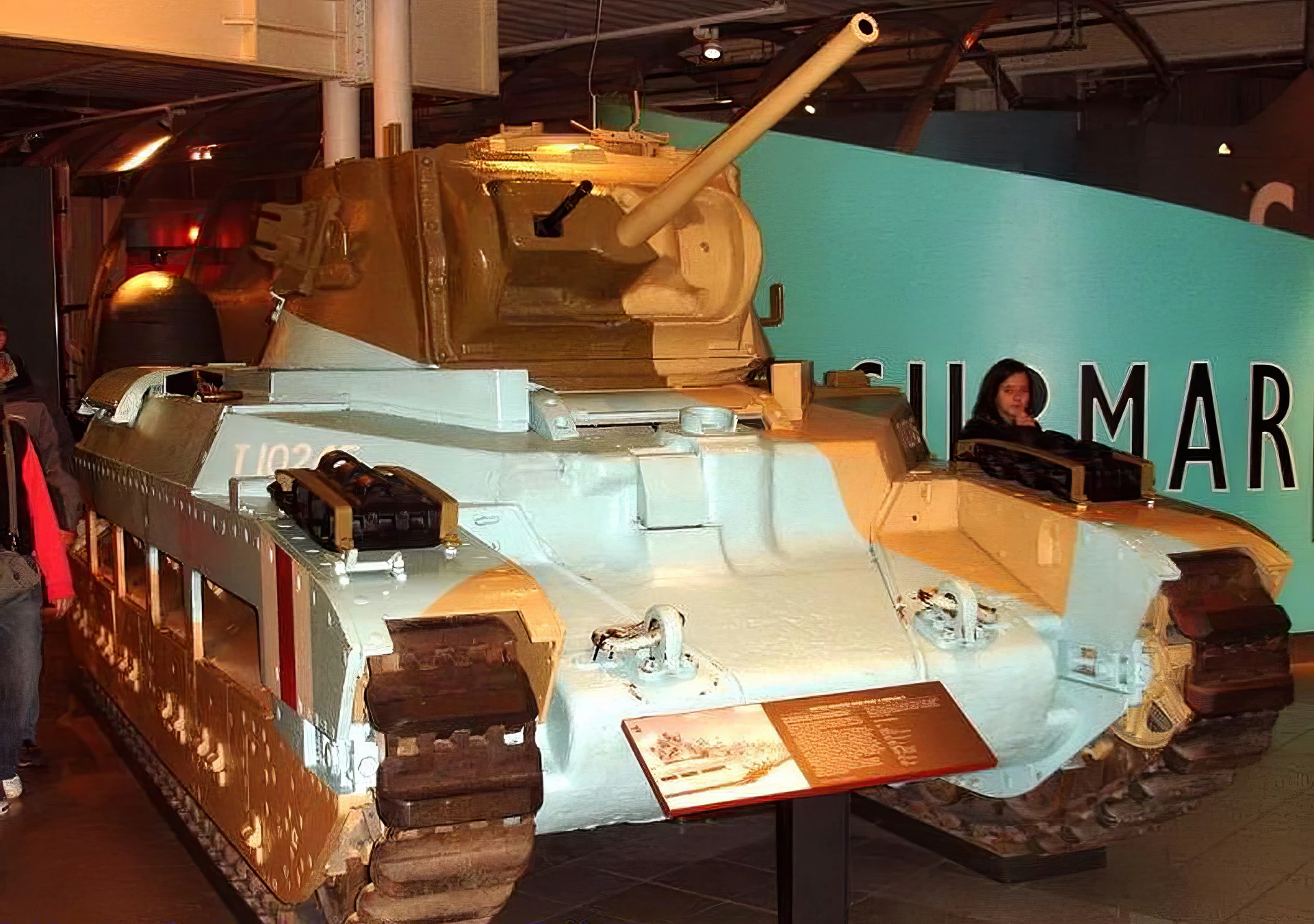
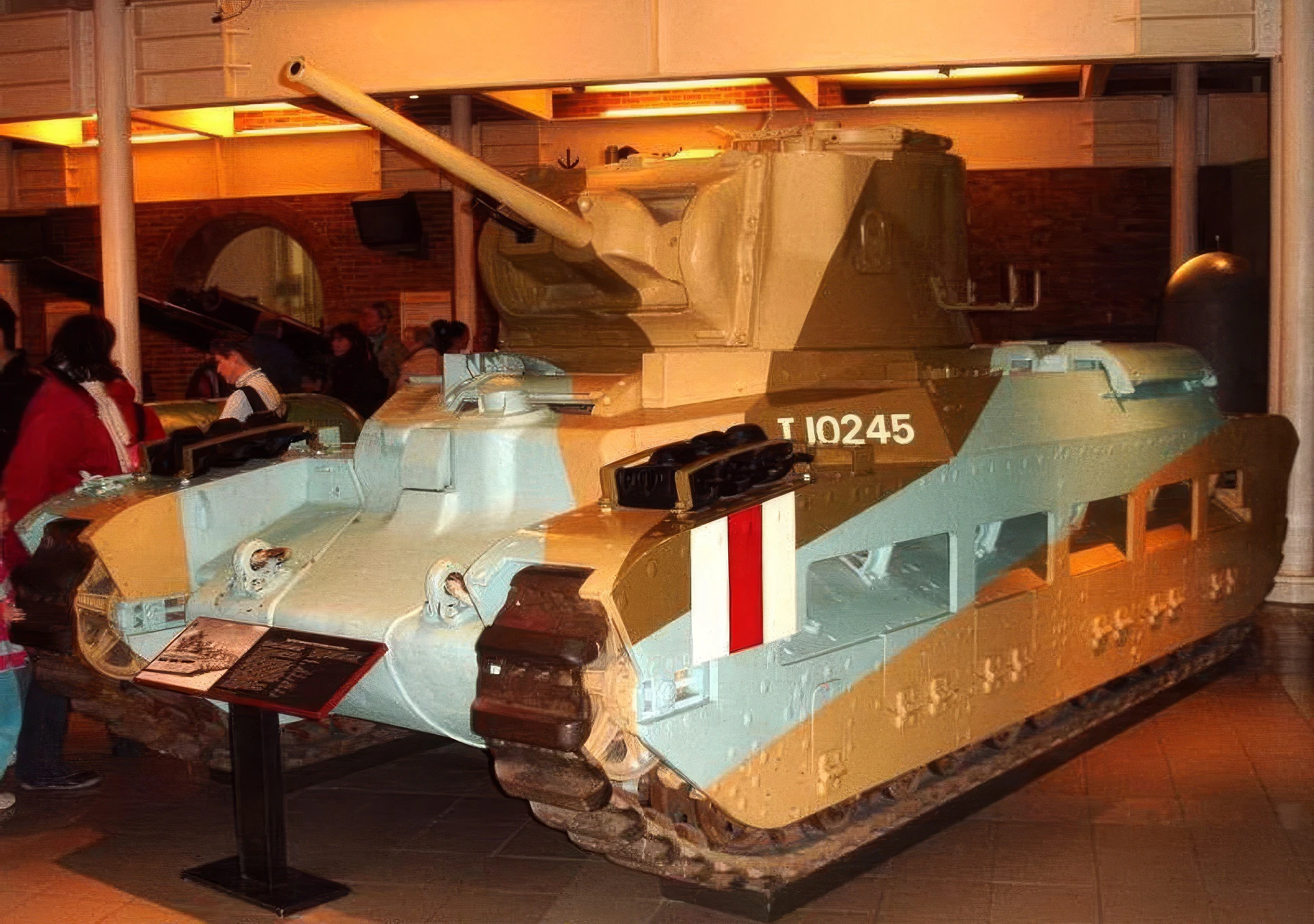
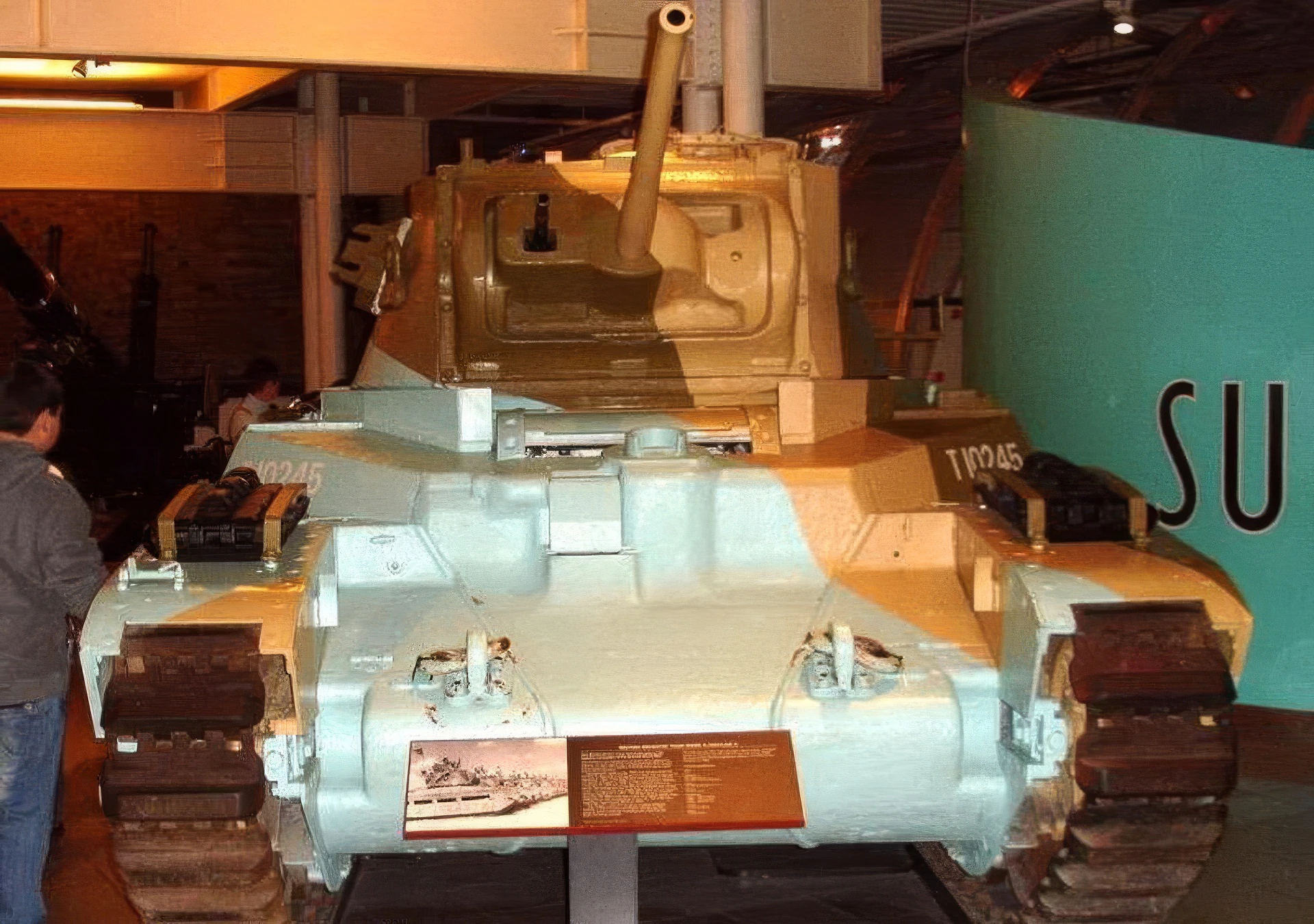
Le Matilda était un char d’assaut britannique en activité durant la seconde guerre mondiale. Jusqu’à l’année 1941 il était le char en opération le plus blindé, mais ce blindage alourdit le tank (poids de 24 tonnes) au détriment de sa mobilité tandis que son canon de 40 mm ne compense pas cet handicap. Il sera quand même produit à presque 3000 unités entre 1937 et août 1943, date d’arrêt de sa production. Il fut donc engagé dans la première partie de la seconde guerre mondiale, principalement sur le front d’Afrique du Nord notamment lors de la bataille d’El Alamein en octobre 1942. Dès lors les exemplaires encore en activité seront convertis en chars d’éclairage.
Source: Matilda sur wikipedia
| Matilda tank | |
|---|---|
| Photographer | Unknow |
| Localisation | Unknow |
| Photos | 82 |
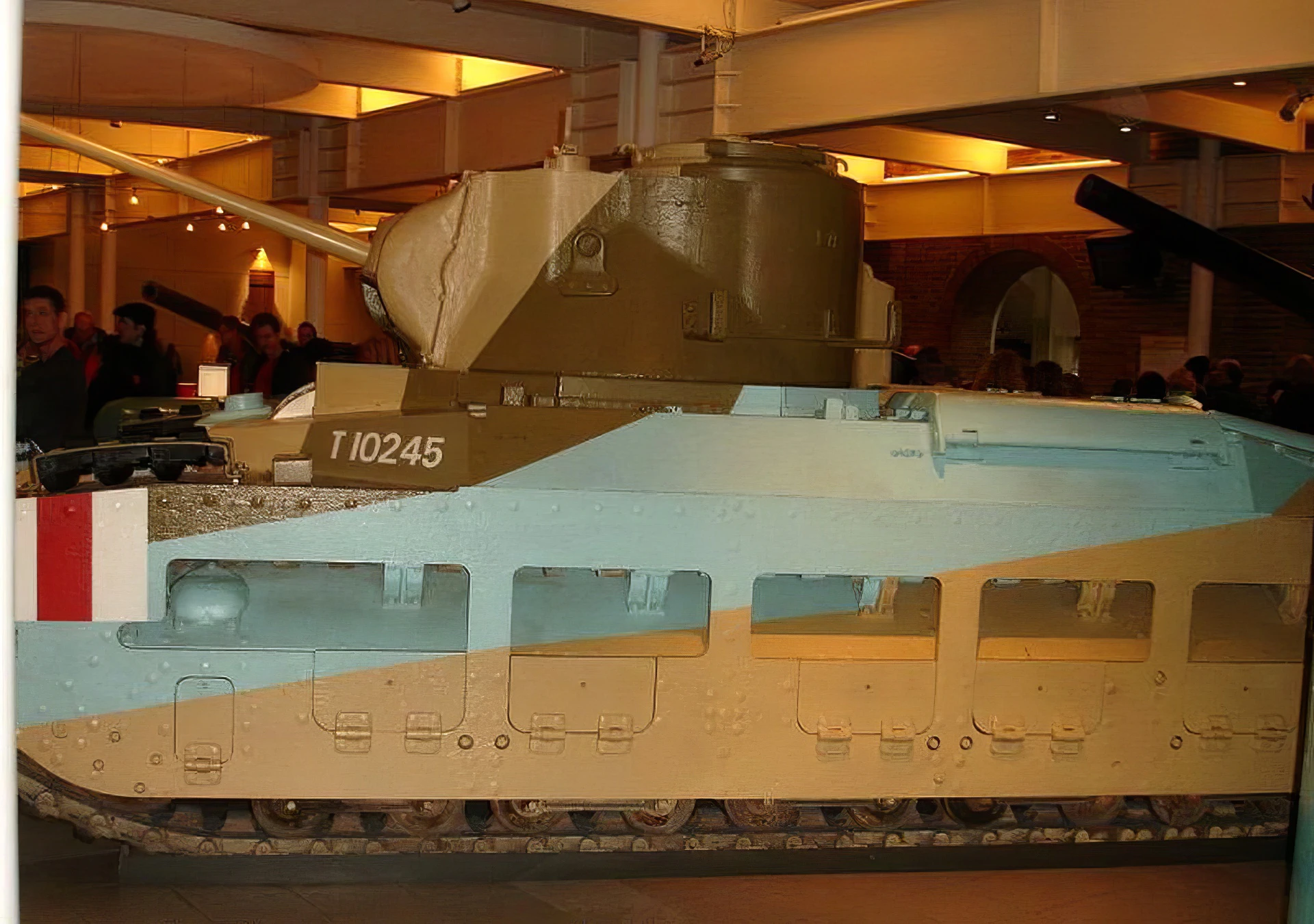
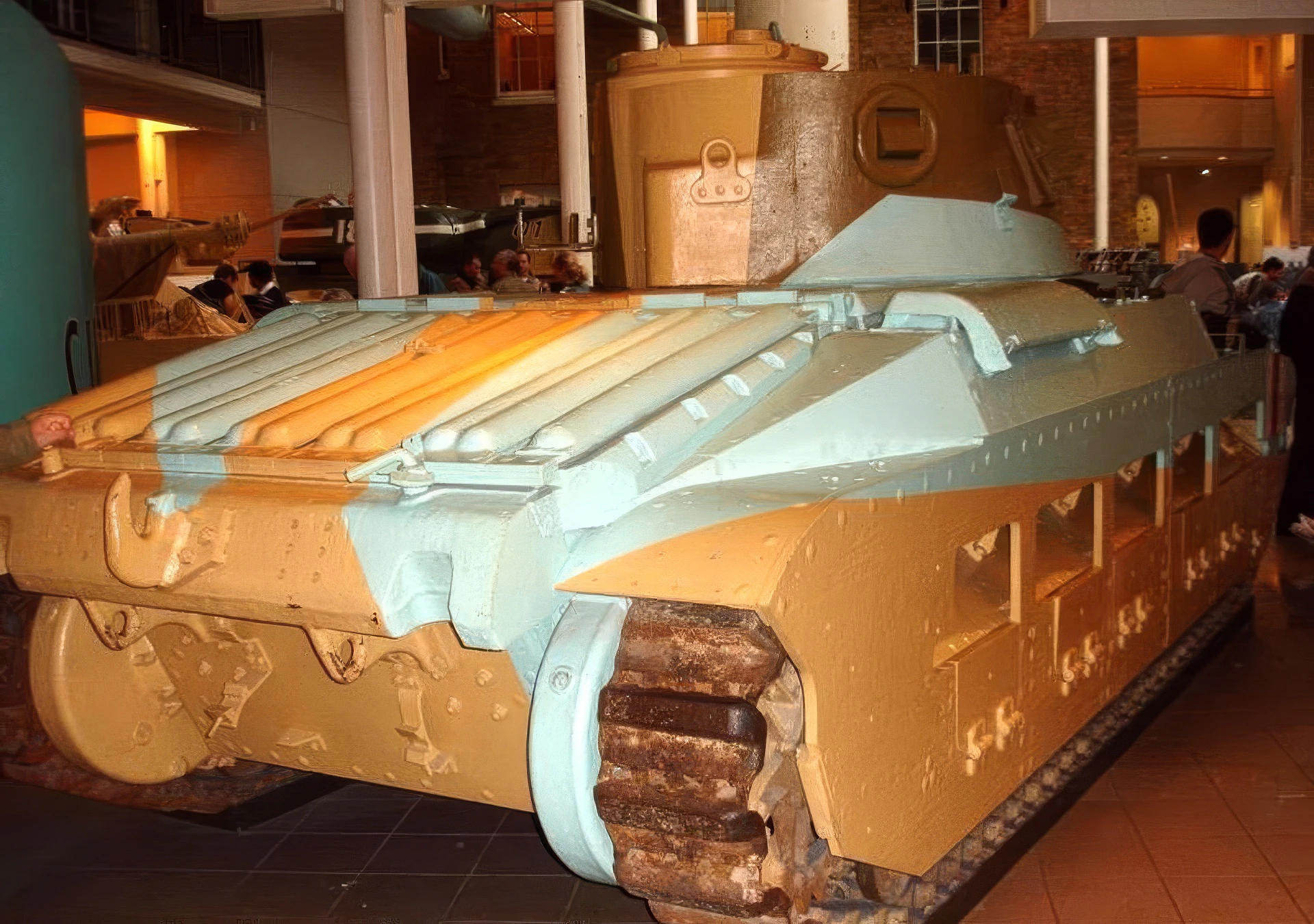
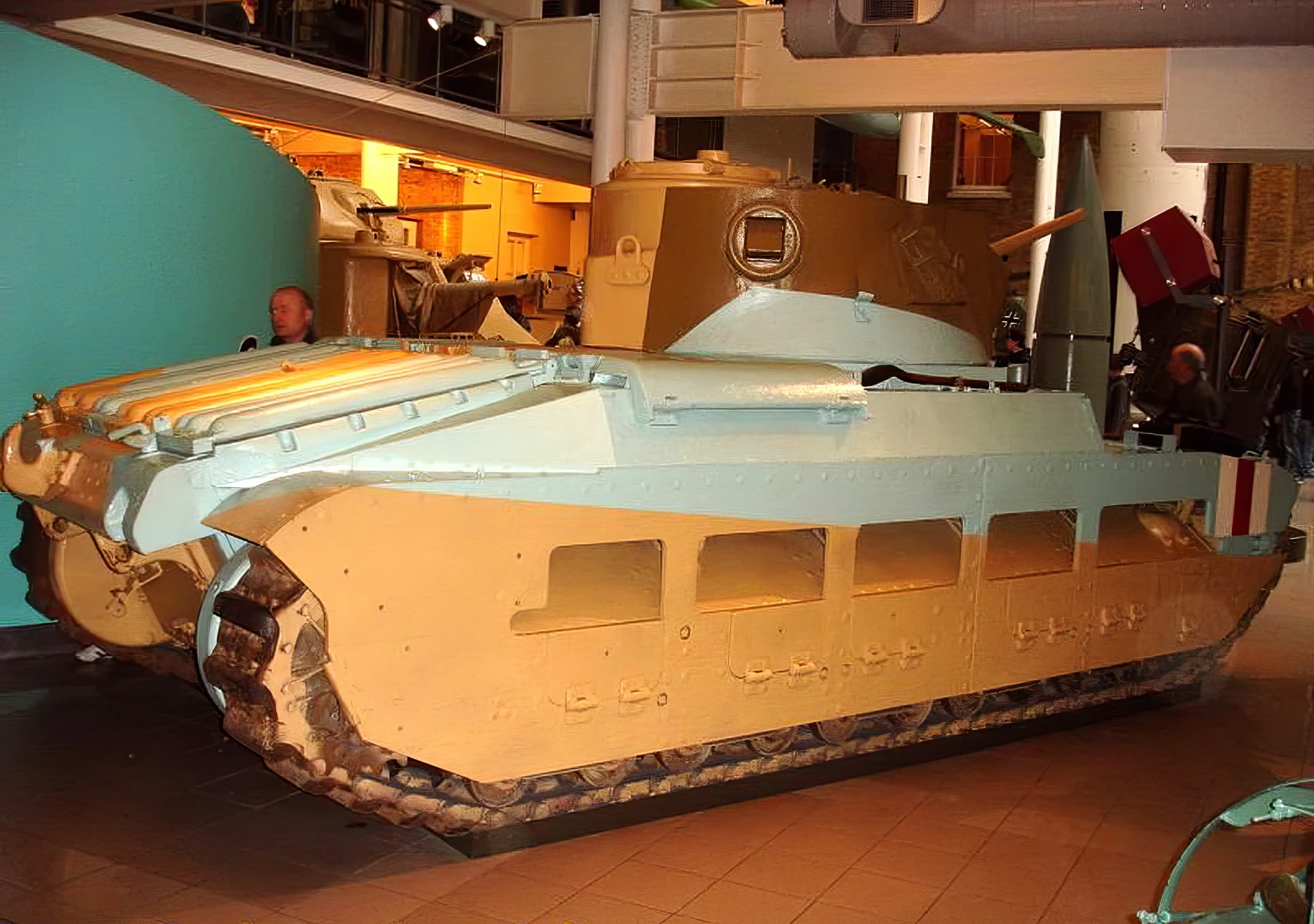

| Matilda tank | |
|---|---|
| Photographer | Unknow |
| Localisation | Unknow |
| Photos | 33 |
See also:


The Matilda II (officially Tank, Infantry, Mk II, A12) was a British infantry tank of World War II. It was one of the few British tanks to serve throughout the entire war, though it is best known for its exceptional performance in the North African Campaign, where its thick armor earned it the nickname « Queen of the Desert. »
Key Specifications (Matilda II)
| Feature | Detail |
|---|---|
| Official Designation | Pz.Kpfw. VI Tiger Ausf. E (Sd.Kfz. 181) |
| Role | Infantry Tank |
| In Service | 1939–1955 (UK service ended 1942) |
| Weight | 27 tons (approx.) |
| Crew | 4 (Commander, Gunner, Loader, Driver) |
Armament and Protection
The design philosophy of the Matilda II prioritized heavy armor over speed, making it nearly invulnerable to most early war anti-tank guns.
- Main Gun: The Ordnance QF 2-pounder (40 mm) gun. While a potent anti-tank weapon early in the war, its small caliber limited its effectiveness as the war progressed, especially due to the lack of an armor-piercing High Explosive (HE) round.
- Secondary Armament: One 7.92 mm Besa machine gun (coaxial).
- Armor Thickness: Ranging from 20 mm to 78 mm. The frontal and turret armor, up to 78 mm, was impervious to the standard German 3.7 cm PaK 36 anti-tank gun and Italian tank guns in 1940-1941.
- Protection: The suspension and running gear were fully enclosed by deep side skirts, adding an extra layer of protection.
Mobility and Operational Challenges
The trade-off for its heavy armor was poor mobility and a weapon that quickly became obsolete.
- Engine: Two linked 6-cylinder diesel engines (AEC or Leyland), producing a combined power of around 190 hp. This was a complex, twin-engine setup necessary to move the heavy frame.
- Speed: Very slow, with a maximum road speed of approximately 24 km/h (15 mph) and a much slower off-road speed (around 9-10 km/h). This limited its ability to exploit breakthroughs or maneuver against faster enemy tanks.
- Turret Ring: The small turret ring size meant it could not be practically up-gunned with a larger, more powerful gun (like the 6-pounder or 75 mm), which hastened its obsolescence by 1942.
- Service History: Though replaced in front-line British service by the Valentine and Crusader tanks by mid-1942, it was used by Australian forces in the Pacific until the end of the war, often mounting a 3-inch howitzer for close support (CS variants).
Views : 2361