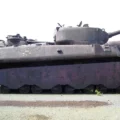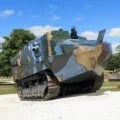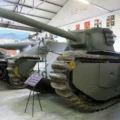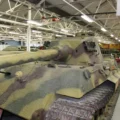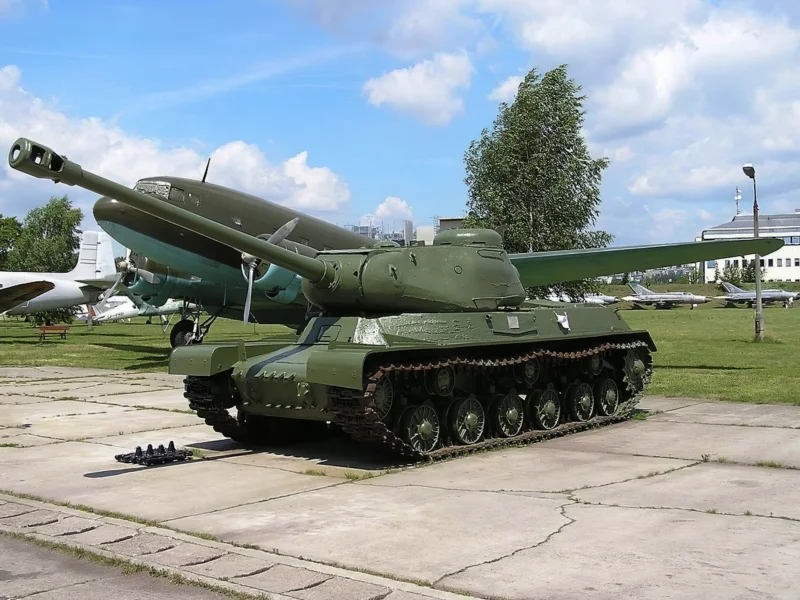
IS-2 | |
|---|---|
| Pays | Urss |
| Catégorie | Véhicules blindés |
| Type | Char lourd |
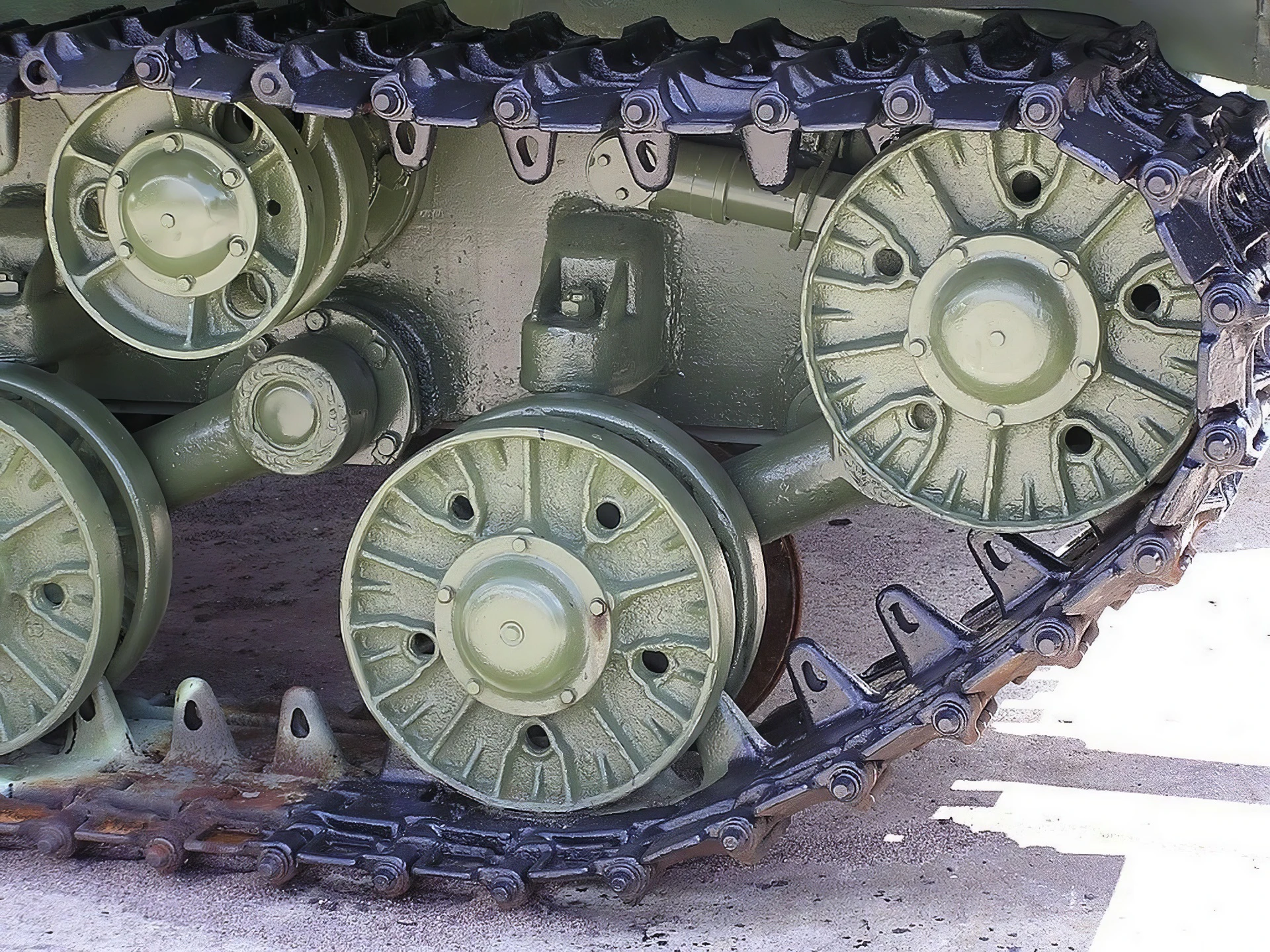
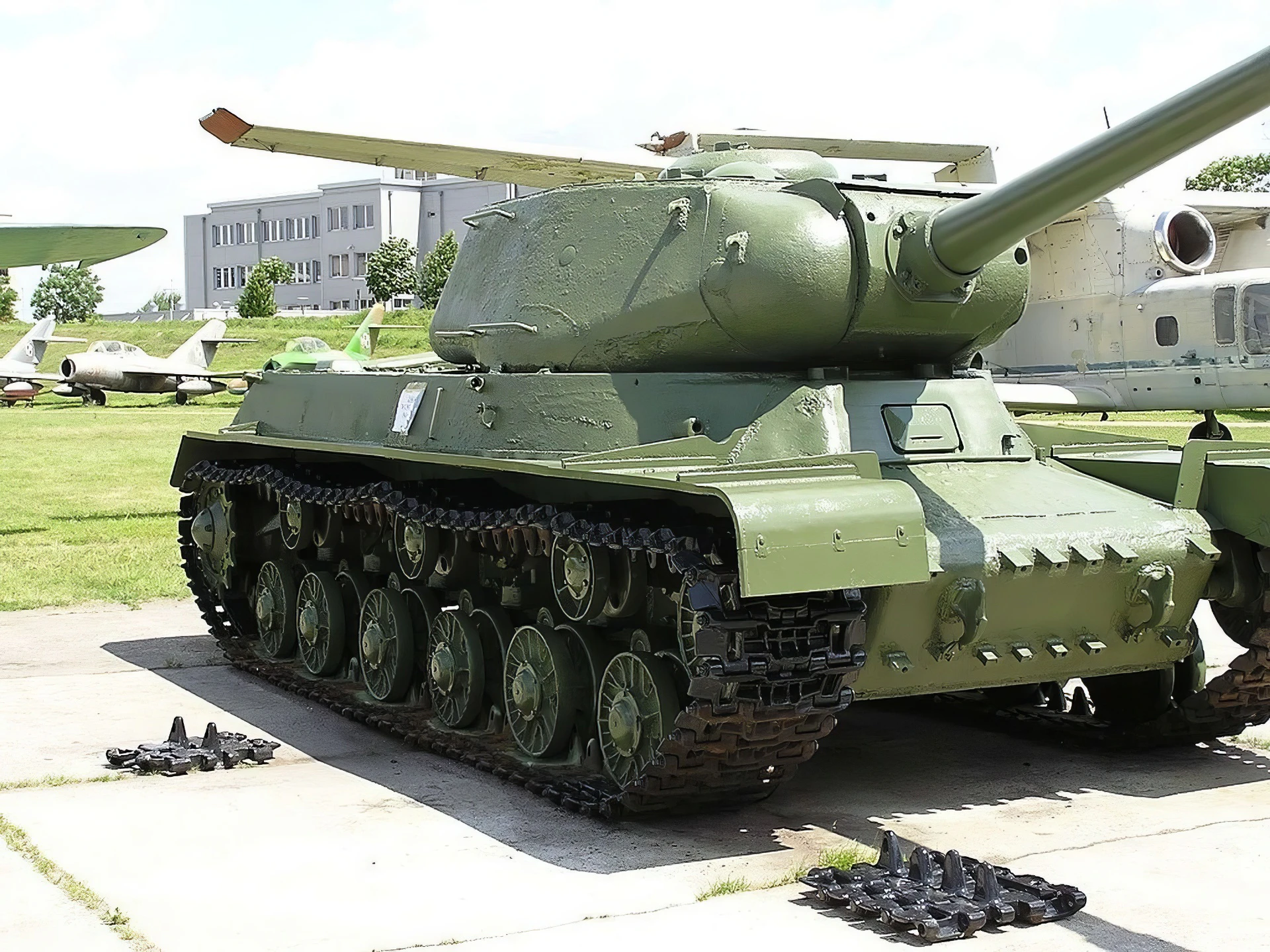
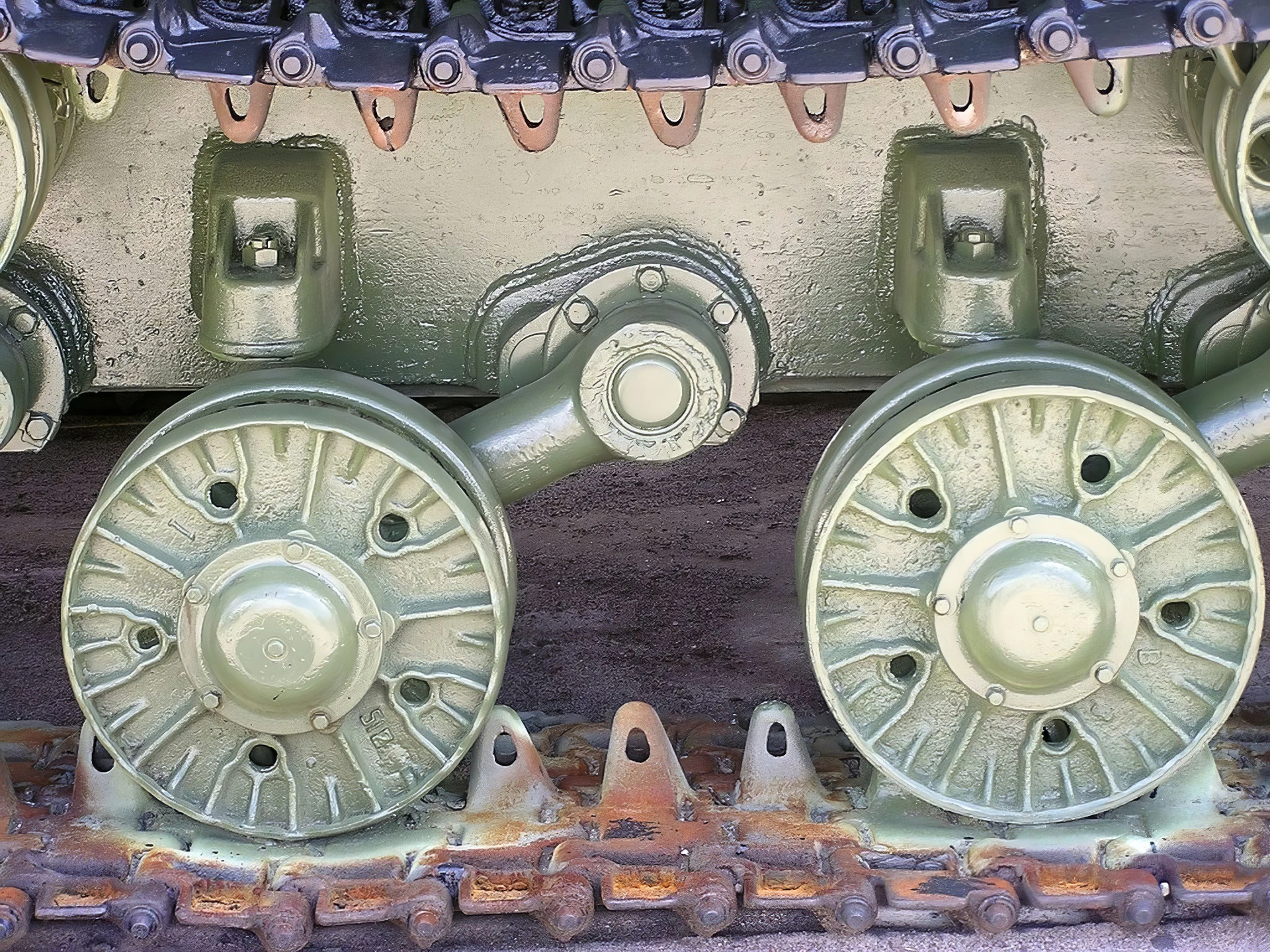
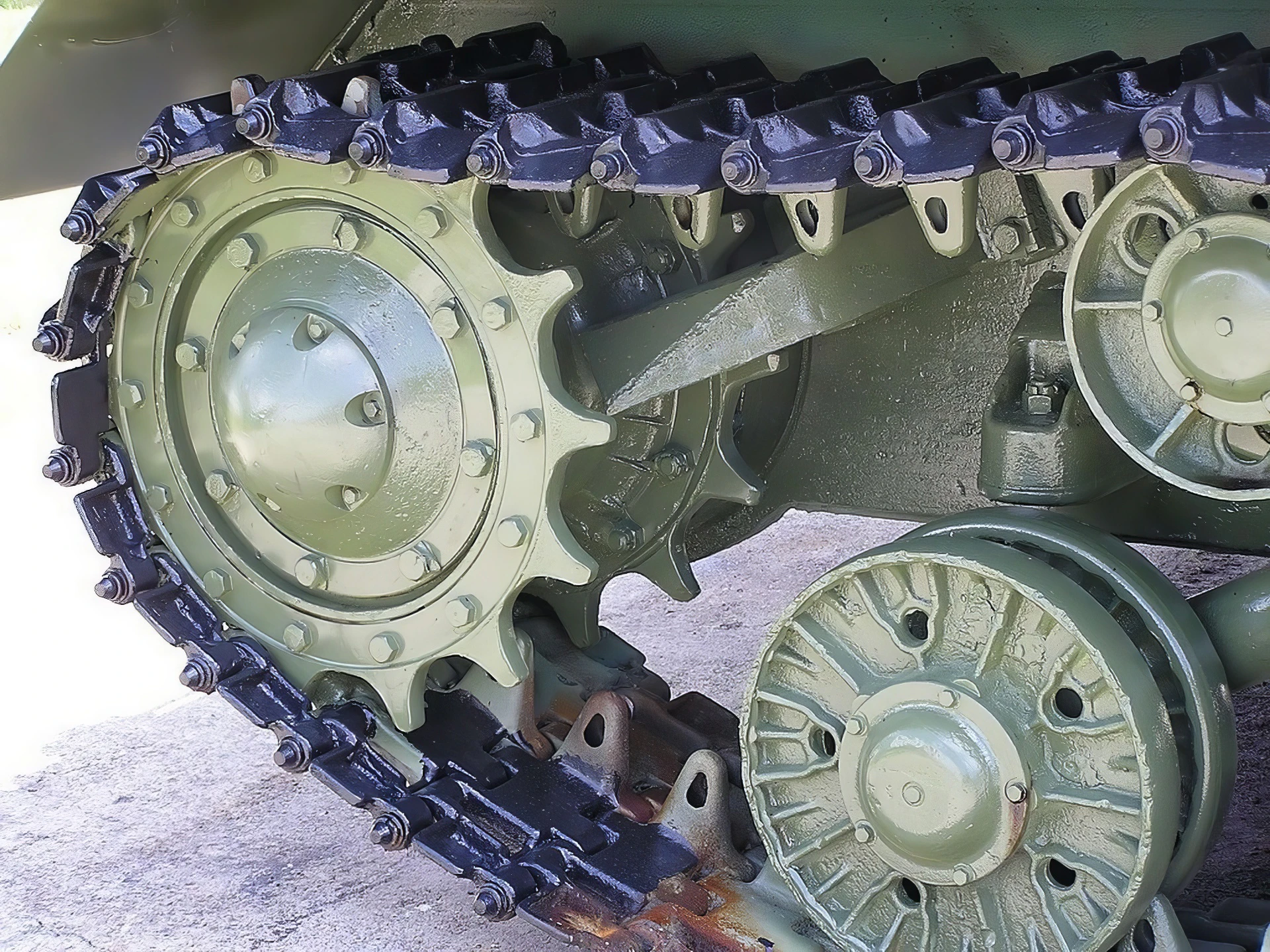
| Description | Album de 33 photos walk-around du char «IS-2» |
Galerie Photo sur un char IS-2, Le tank IS-2 est un char lourd soviétique de la seconde guerre mondiale.
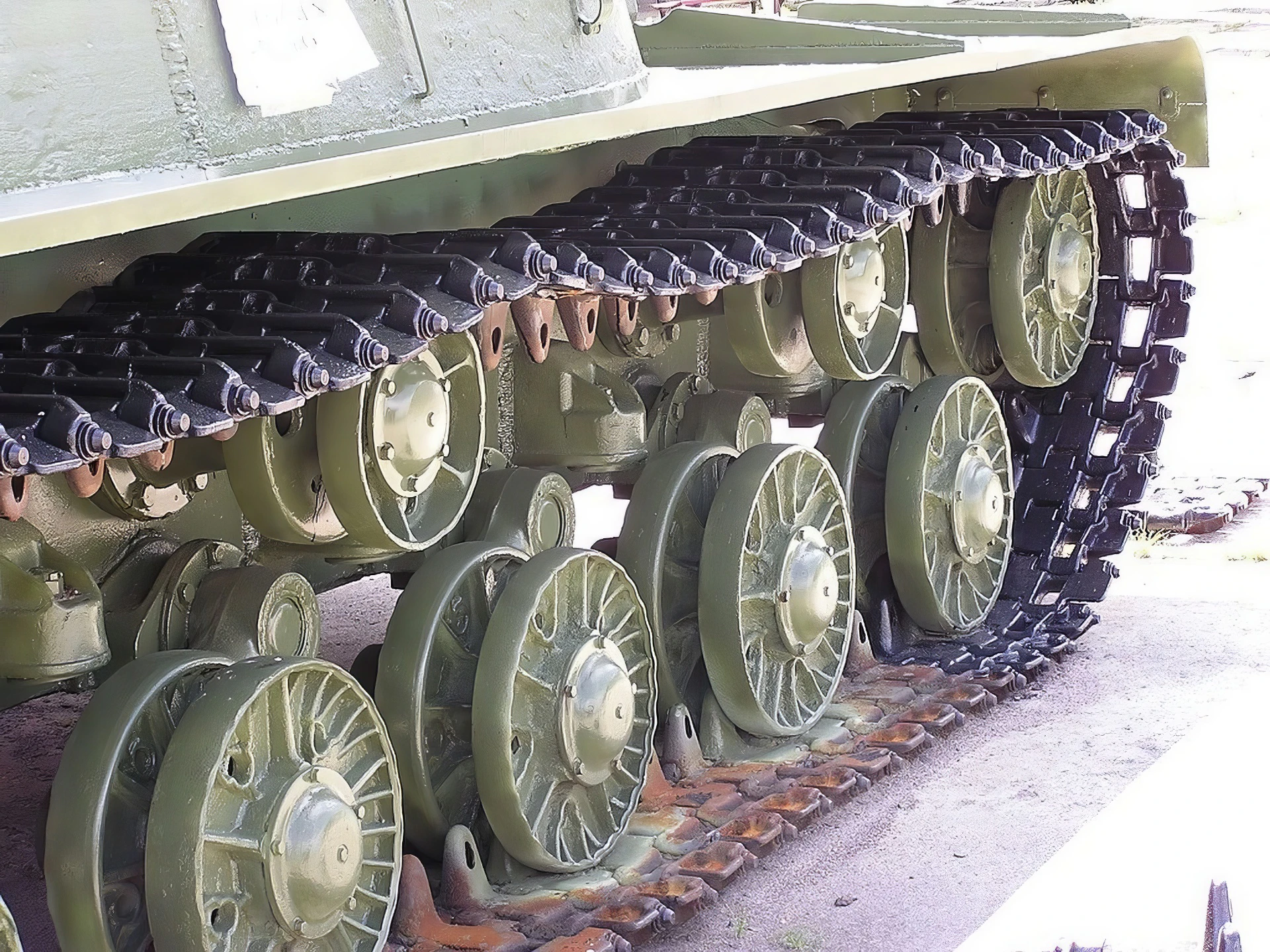
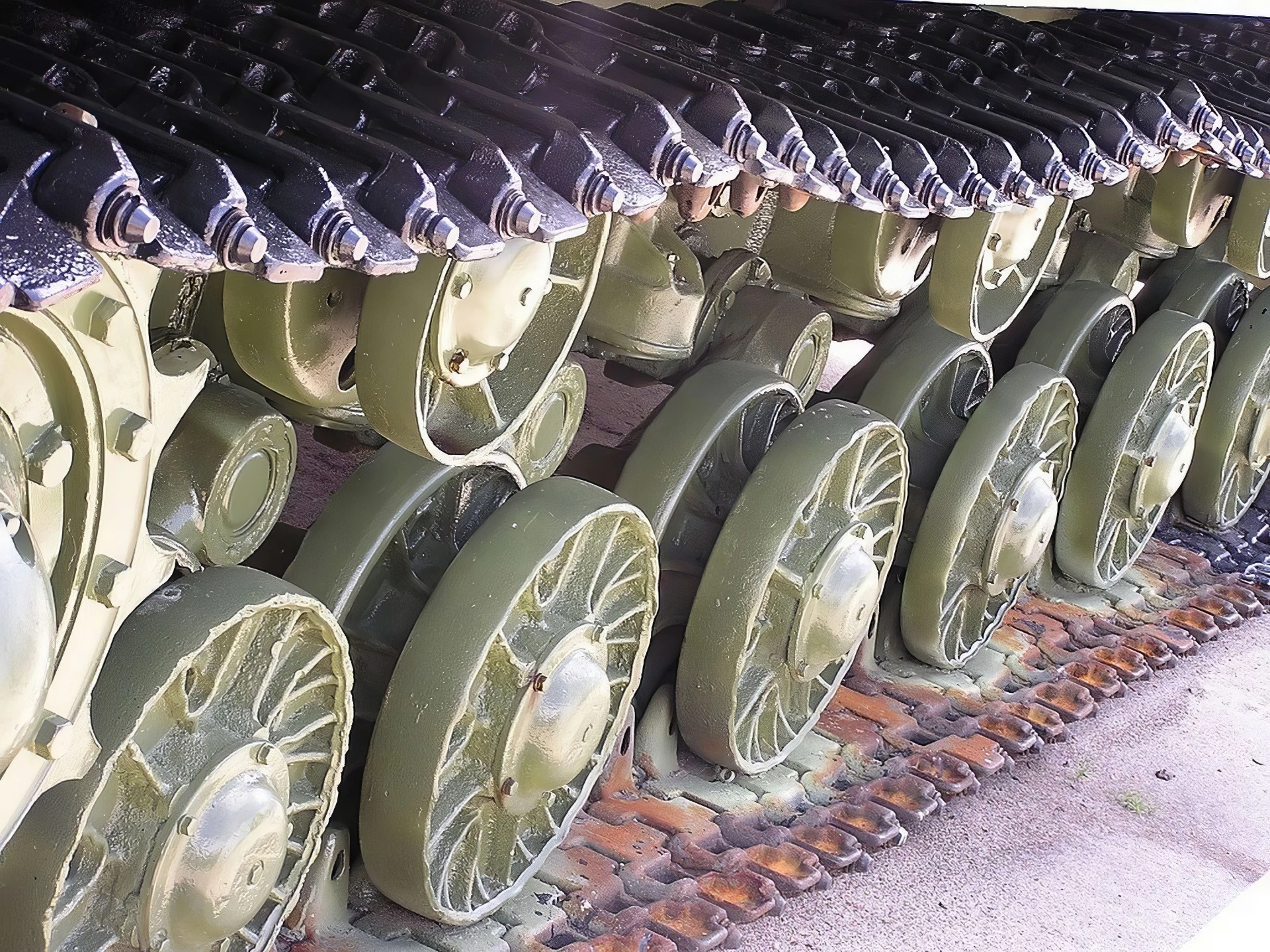
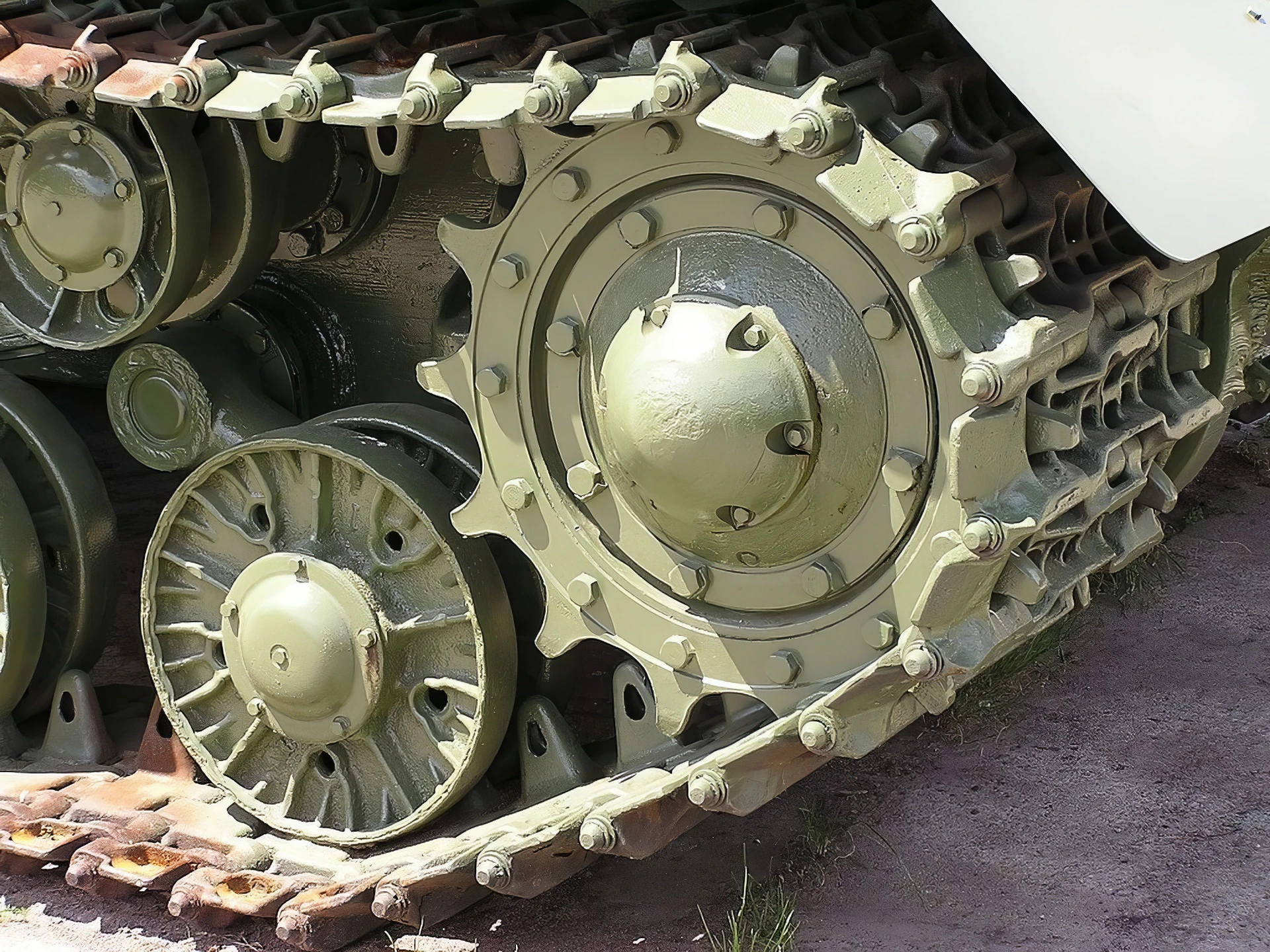
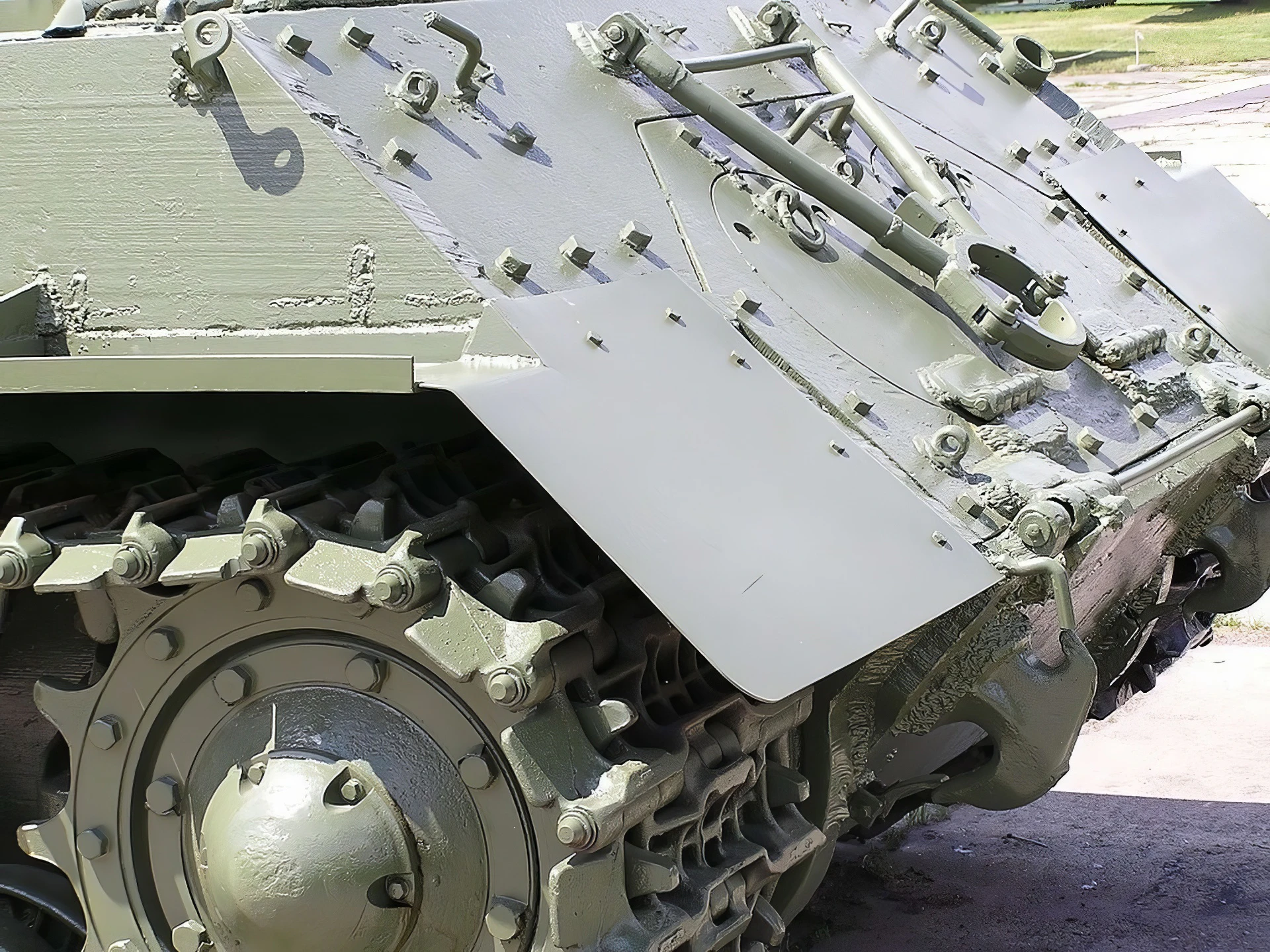

See also:


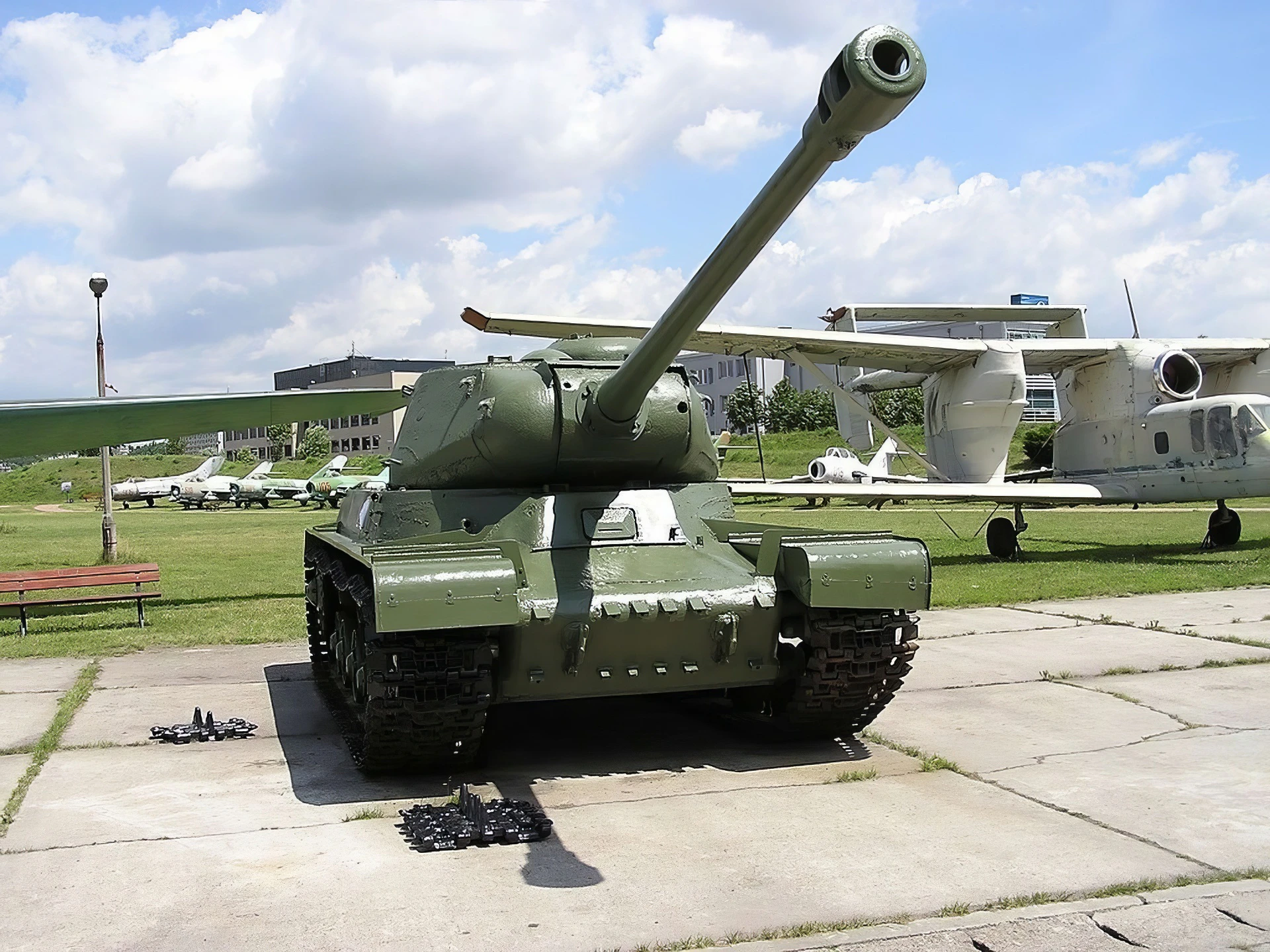
The IS-2 was a Soviet heavy tank developed in 1943 as a direct response to the appearance of formidable German tanks like the Tiger I and Panther. Named after the Soviet leader Joseph Stalin, it was designed as a breakthrough tank (proryvny tank), combining heavy armor with a massive high-explosive capable gun.
Key Specifications (IS-2 Model 1944)
| Role | Heavy Breakthrough Tank (Tyazholy Tank) |
|---|---|
| In Service | 1944–1970s (Soviet Union) |
| Weight (Combat) | ~46 metric tons |
| Crew | 4 (Commander, Gunner, Loader, Driver) |
| Engine | V-2-IS 12-cyl. diesel (520–600 hp) |
| Maximum Speed (Road) | ~23 mph (37 km/h) |
| Total Built | ~3,854 (IS-2 variants) |
Armament and Firepower
The defining characteristic of the IS-2 was its formidable main gun, which offered incredible destructive power:
- Primary Weapon: 122 mm D-25T tank gun. This gun was adapted from a field gun, offering superior high-explosive (HE) capability against fortifications and devastating armor-piercing capability against German heavy tanks.
- Ammunition: It used two-piece ammunition (projectile and propellant loaded separately).
- Secondary Weapons: One 12.7 mm DShK anti-aircraft machine gun (late models) and two 7.62 mm DT machine guns (coaxial and sometimes hull).
The 122 mm HE round was exceptionally destructive, often causing catastrophic damage even without full armor penetration due to the sheer force of the explosion.
Armor and Protection
The IS-2 incorporated sloped armor to increase effective thickness, especially in the later Model 1944 variant with the simplified hull nose.
- Hull Front (Model 1944): 100 mm at 60 degree angle (upper glacis), offering high effective thickness.
- Turret Front: 100 mm (cast and rounded), with a thick mantlet (~100–120 mm).
- Sides: 90 mm.
The sloped frontal armor provided excellent protection, designed to resist the German 88 mm gun (KwK 36) at normal combat distances.
Design Flaws and Combat Performance
Design Flaws:
- Low Rate of Fire: The use of heavy, two-piece ammunition meant the loader had to handle two separate components, resulting in a very slow rate of fire (typically 2–3 rounds per minute) compared to its German counterparts.
- Limited Ammunition: Due to the size of the 122 mm rounds, the IS-2 could only carry a small complement of ammunition, typically around 28 rounds.
- Cramped Crew Space: The turret space was restricted by the large gun’s recoil mechanism, which reduced internal volume and required a four-man crew (Commander, Gunner, Loader, Driver), forcing the Commander to also act as the Radio Operator.
- Driver Visibility: The driver did not have his own dedicated escape hatch, which was a major safety concern.
Combat Legacy:
- The IS-2 was a decisive asset in the Soviet offensives of 1944–1945, often leading breakthrough forces due to its heavy armor and overwhelming firepower.
- It was highly effective in urban combat, such as the Battle of Berlin, where its 122 mm gun was used to demolish buildings, fortified positions, and enemy strongholds with its HE shells.
- It was successful in engaging and defeating German heavy tanks at typical combat ranges.
- The IS-2 was a relatively simple and rugged design for a heavy tank and was mass-produced, ensuring it had a significant impact on the final stages of the war.
Views : 1946