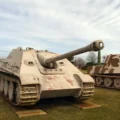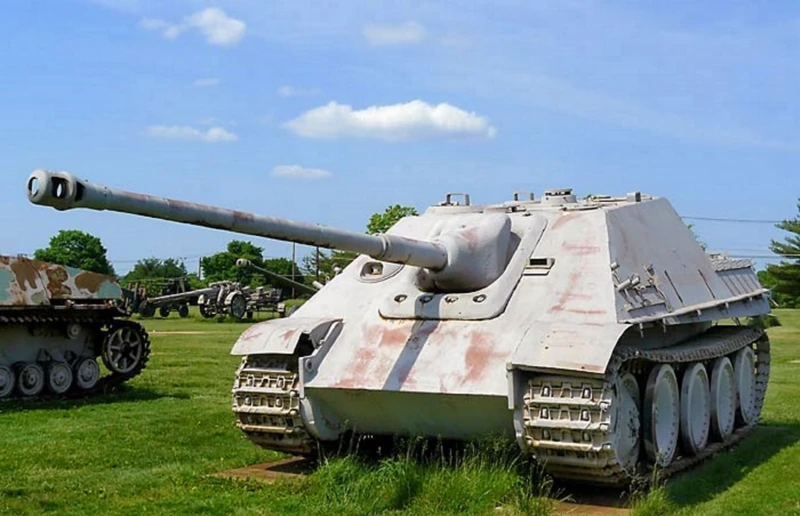
Jagdpanther - Sdkfz.173 | |
|---|---|
| Χώρα | Ναζιστική Γερμανία |
| Ρόλο | Αντιτορπιλικό δεξαμενών |
| Σε λειτουργία | 1944–1945 |
| Χτισμένο | 415 |
Teh Τζάγκσπανθερ Το Sd.Kfz. 173 (γερμανικά: "κυνηγετικός πάνθηρας") ήταν αντιτορπιλικό αρμάτων μάχης που κατασκευάστηκε από τη Γερμανία κατά τη διάρκεια του Β 'Παγκοσμίου Πολέμου με βάση το σασί του άρματος Πάνθηρας. Εισήλθε σε υπηρεσία το 1944 κατά τη διάρκεια των τελευταίων σταδίων του πολέμου στο Ανατολικό και Δυτικό Μέτωπο. Το Jagdpanther συνδύασε το πυροβόλο Pak 43 των 8,8 εκατοστών, παρόμοιο με το κύριο πυροβόλο του Tiger II, και τη θωράκιση και την ανάρτηση του πλαισίου Panther. Κατά τη διάρκεια των τελευταίων σταδίων του πολέμου, η περιορισμένη γερμανική παραγωγή είχε ως αποτέλεσμα μικρούς αριθμούς παραγωγής, έλλειψη ανταλλακτικών και συντομευμένες περιόδους εκπαίδευσης πληρώματος των νεότερων χειριστών.
| Jagdpanther Walk Around | |
|---|---|
| Φωτογράφος | Unknow |
| Εντοπισμού | Αγνοώ |
| Φωτογραφίες | 32 |
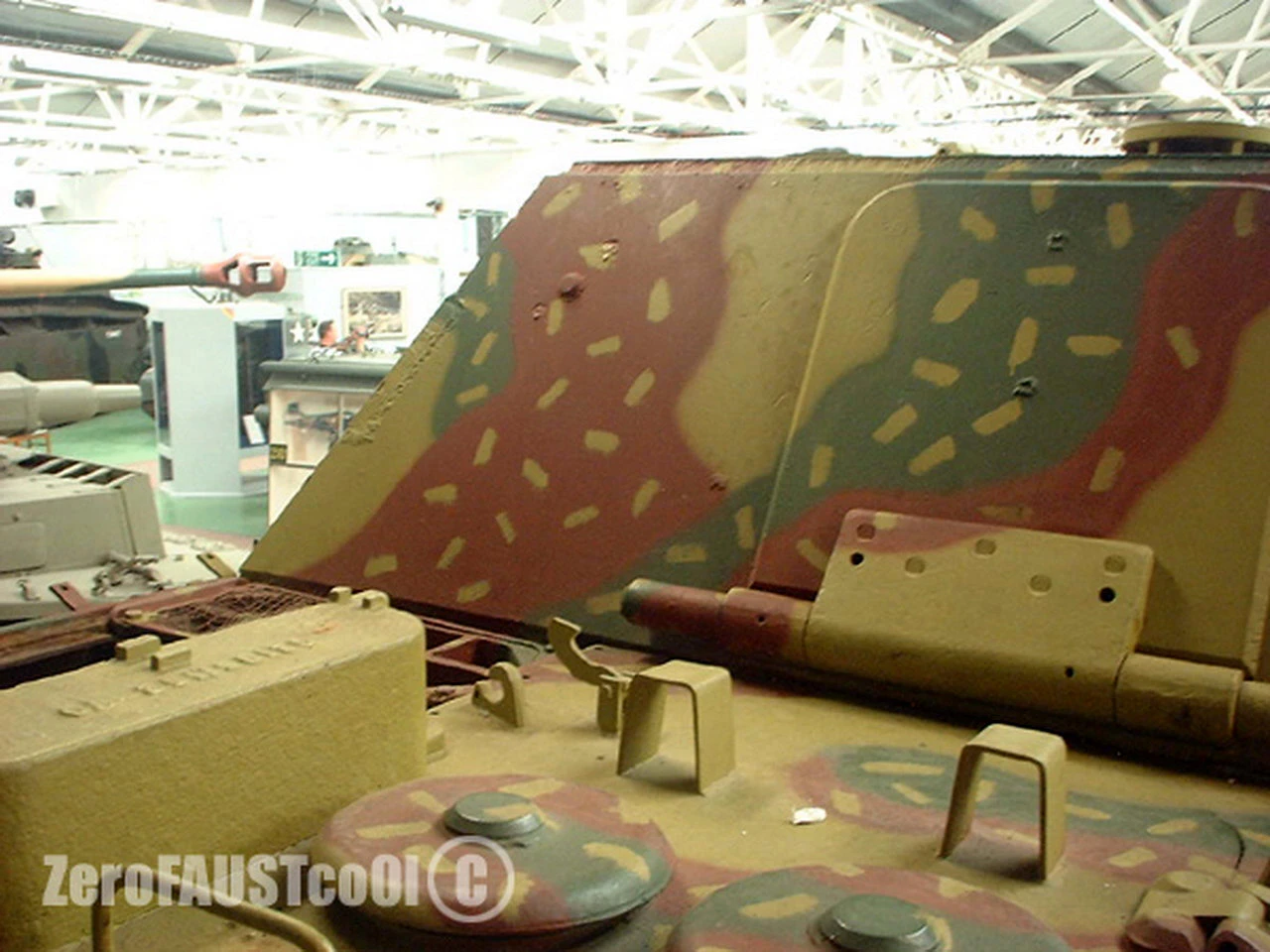
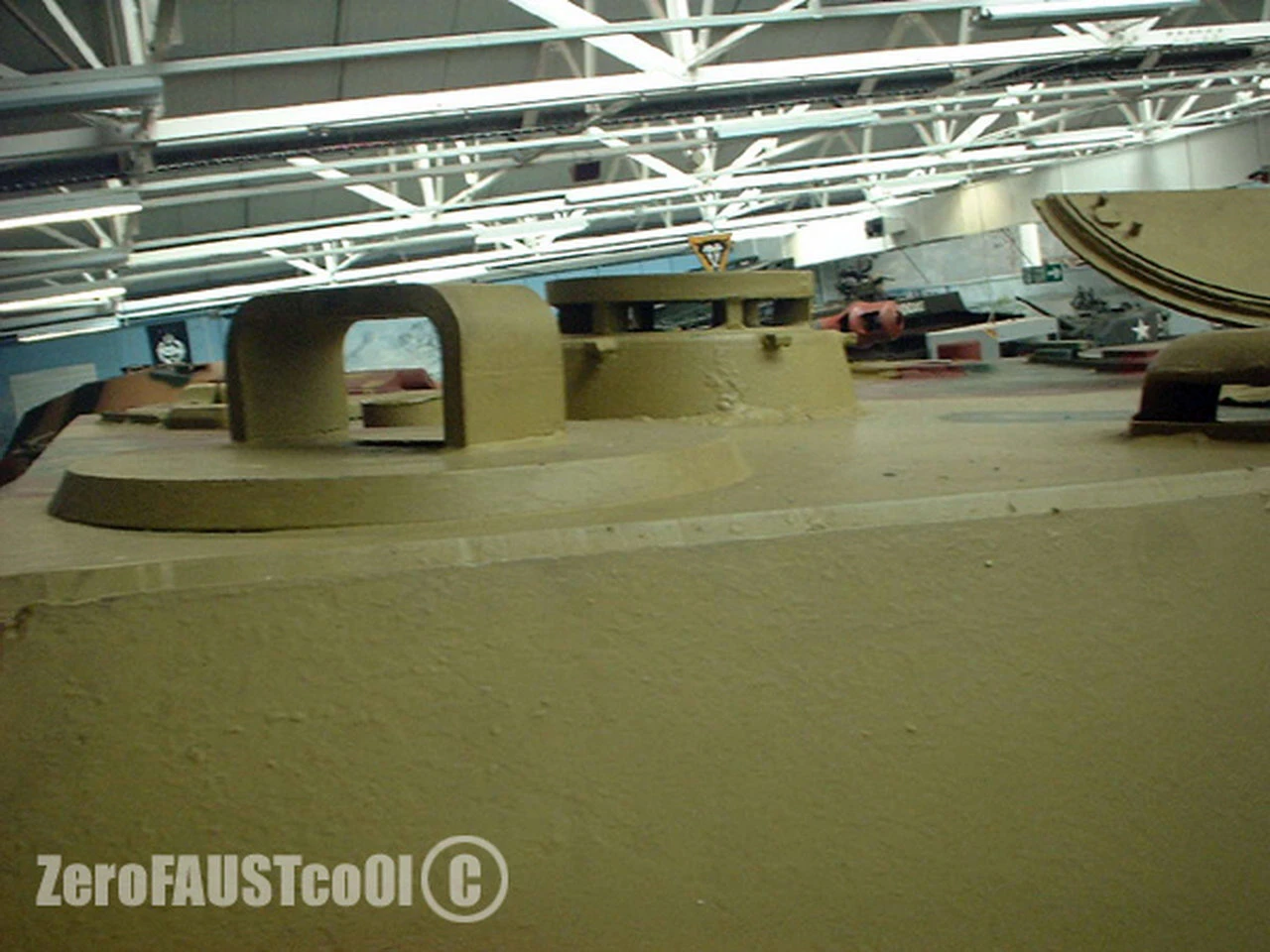
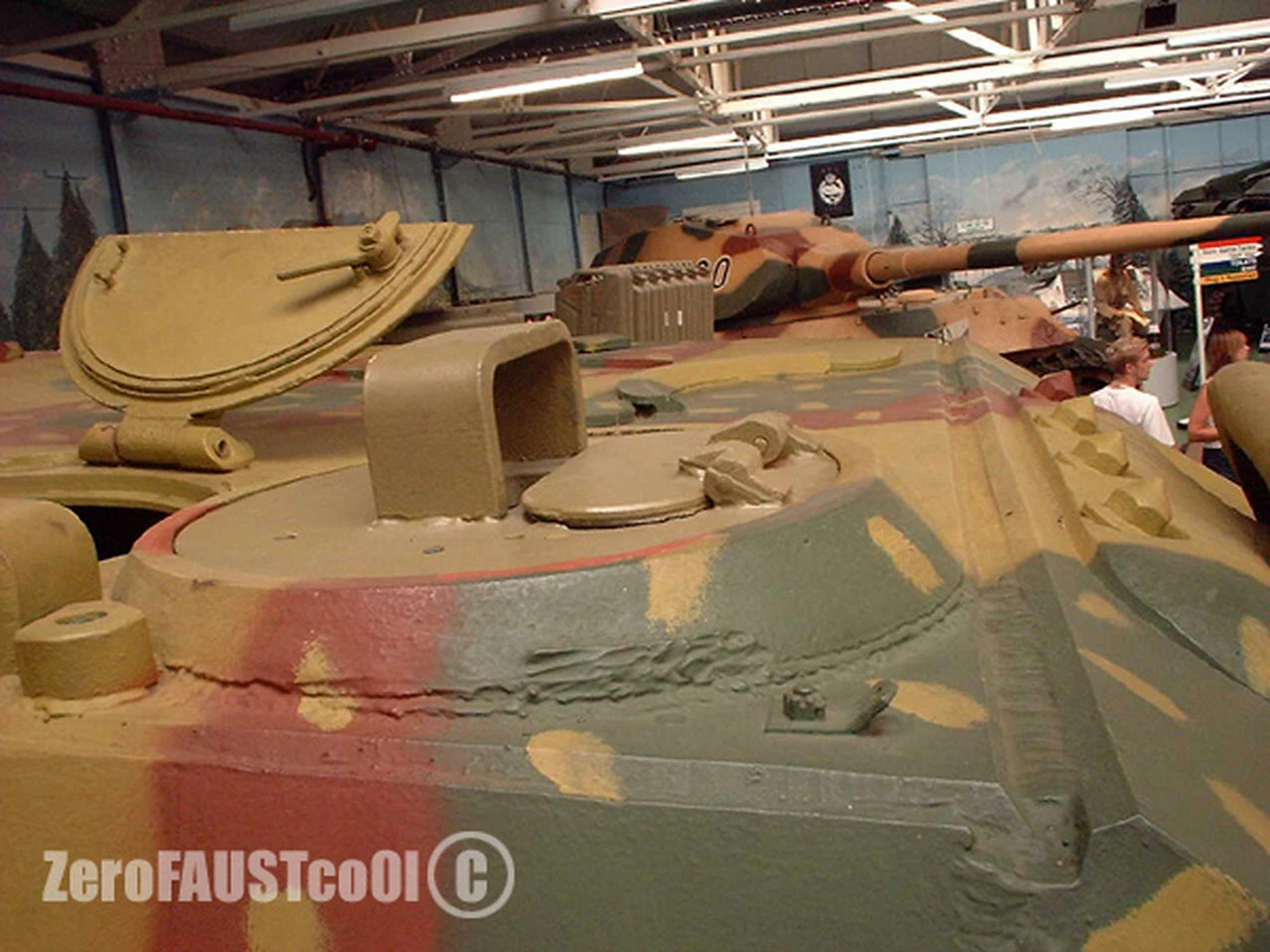
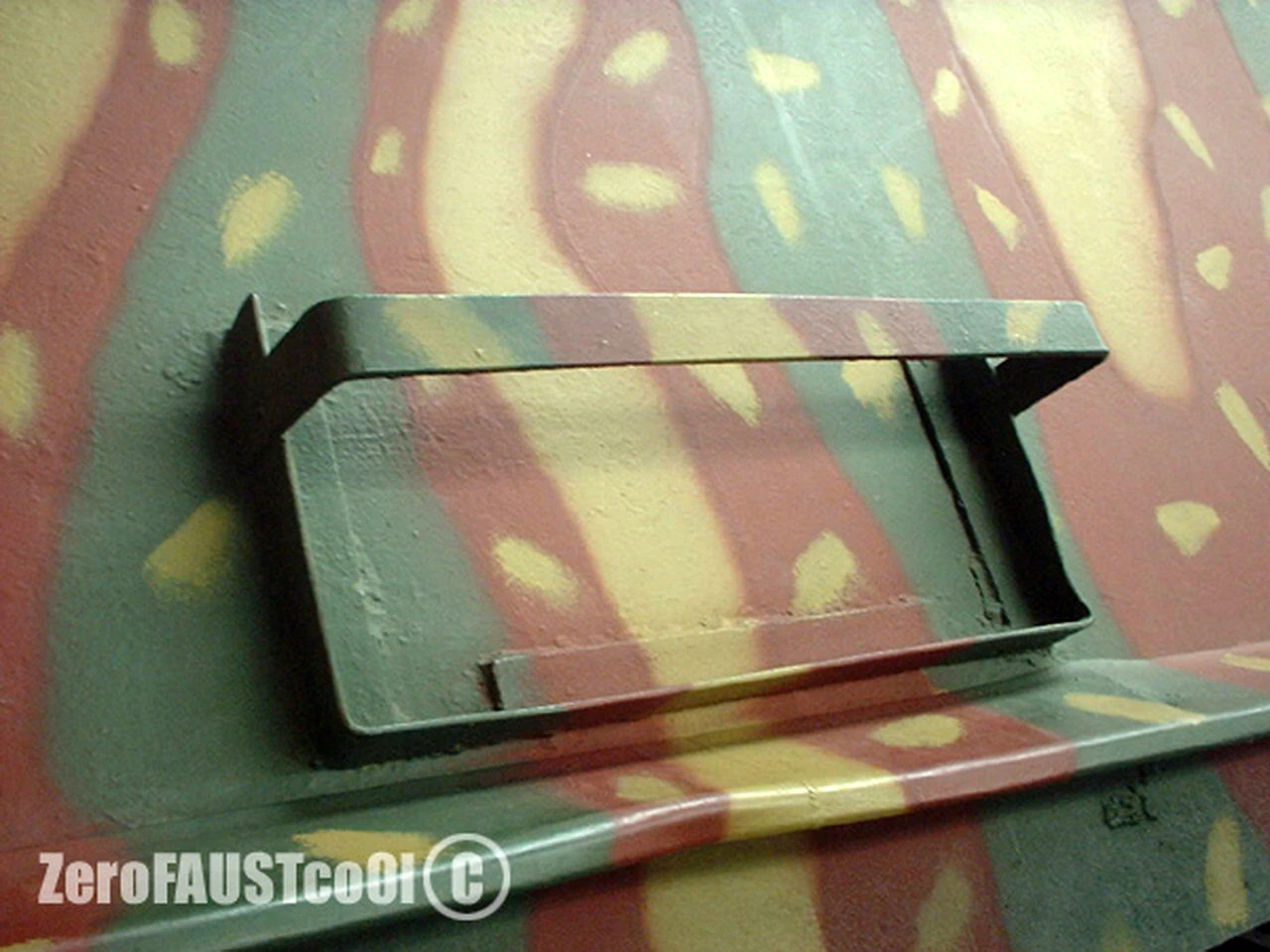
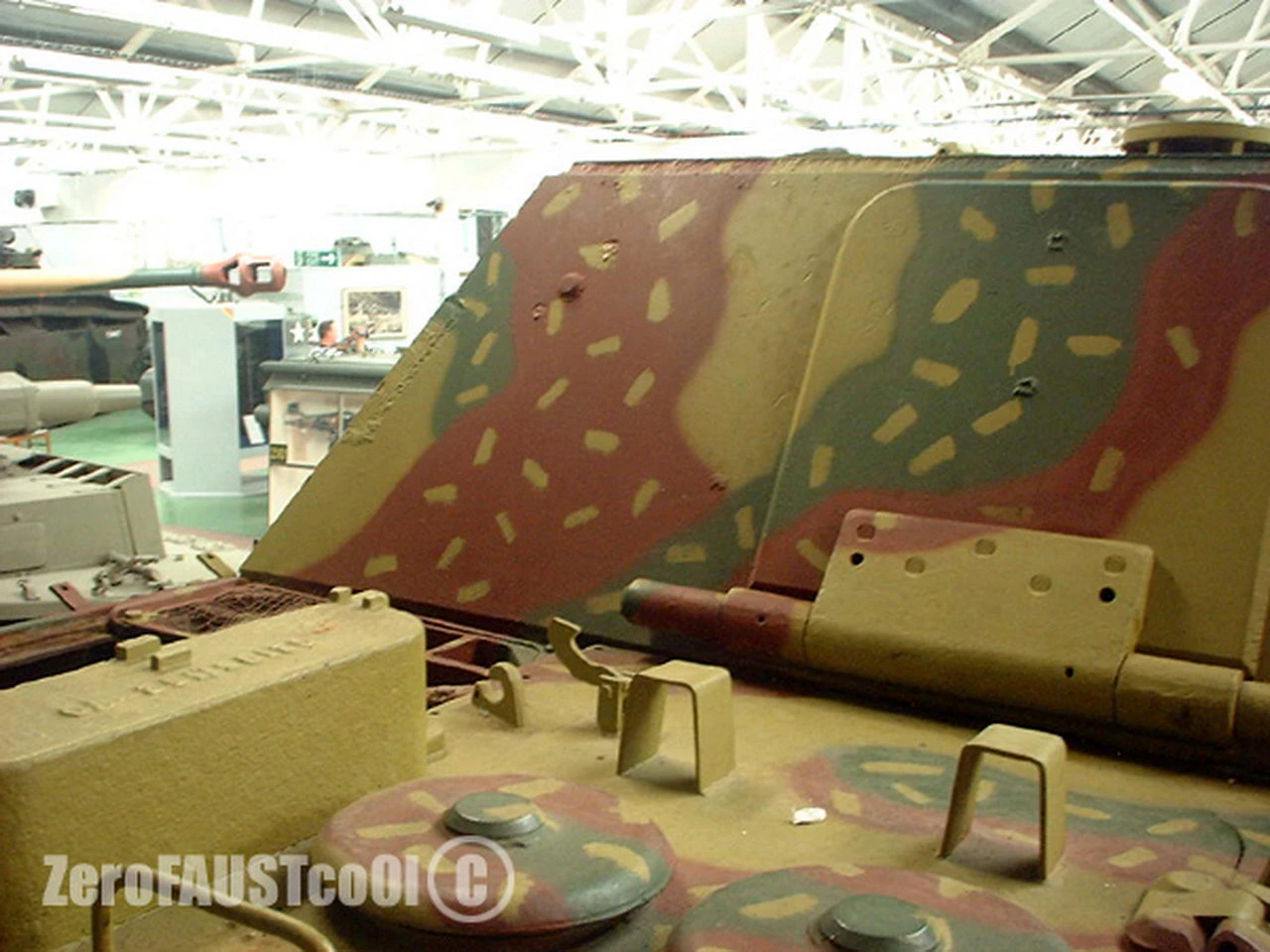
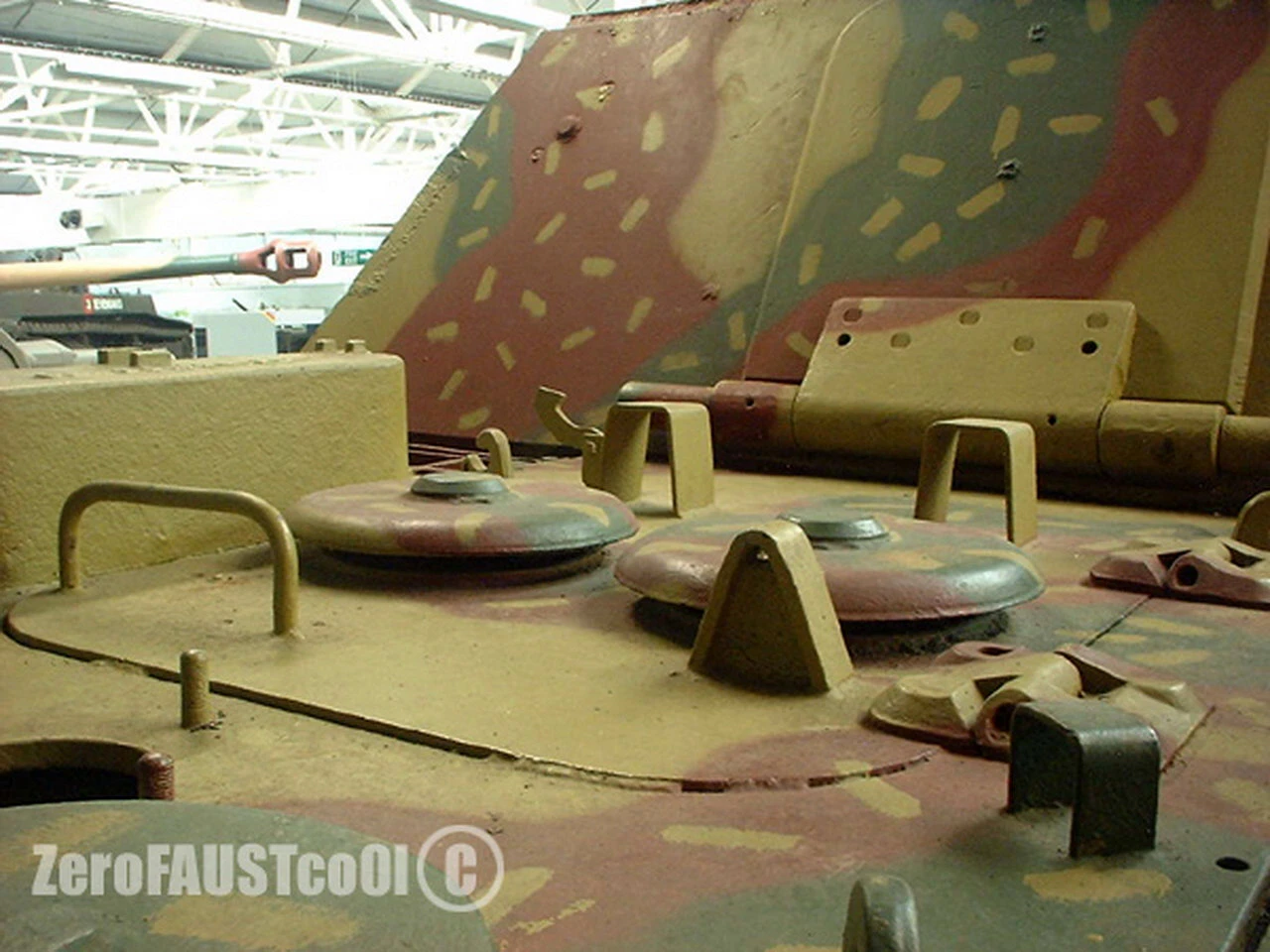
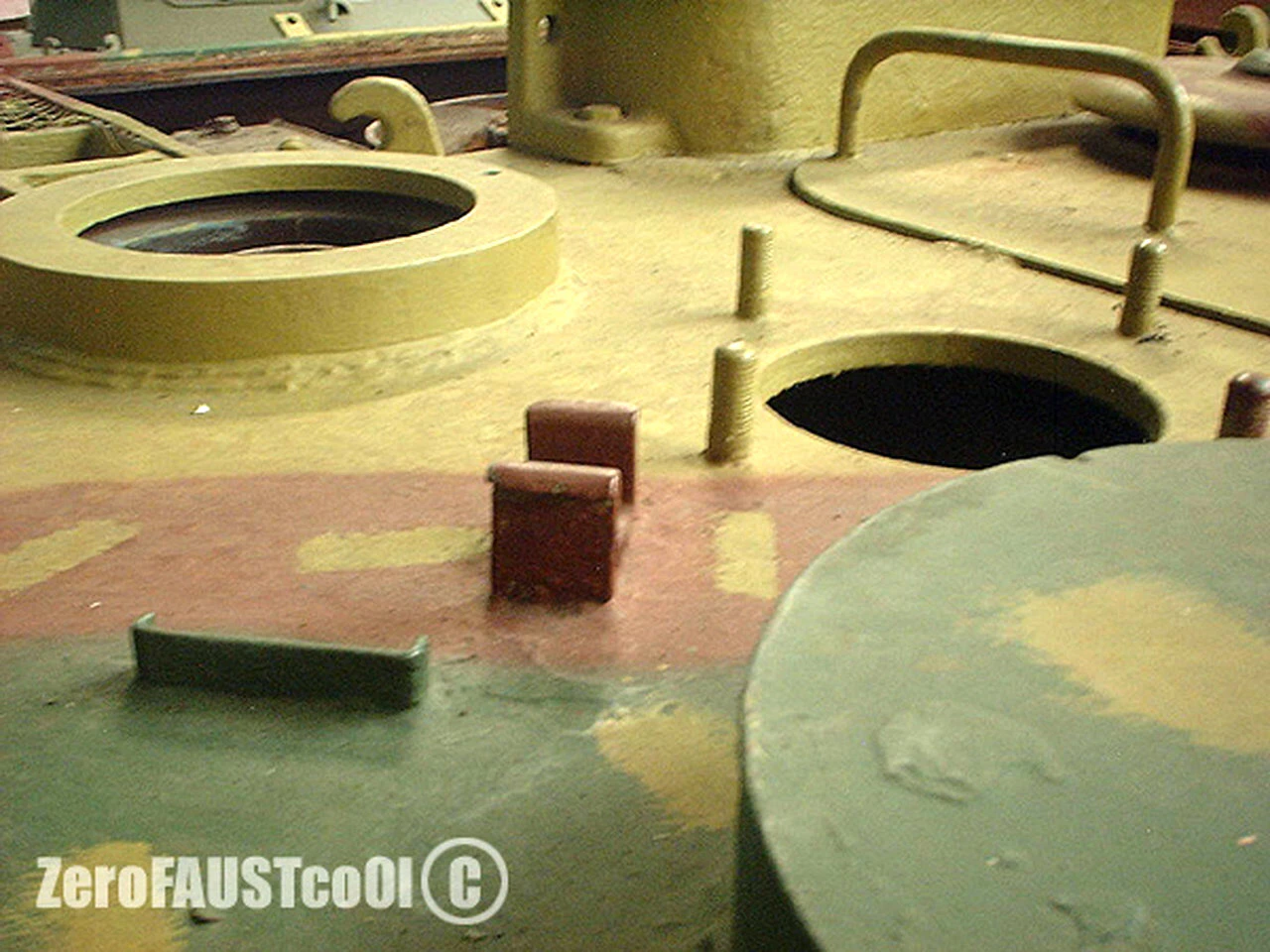
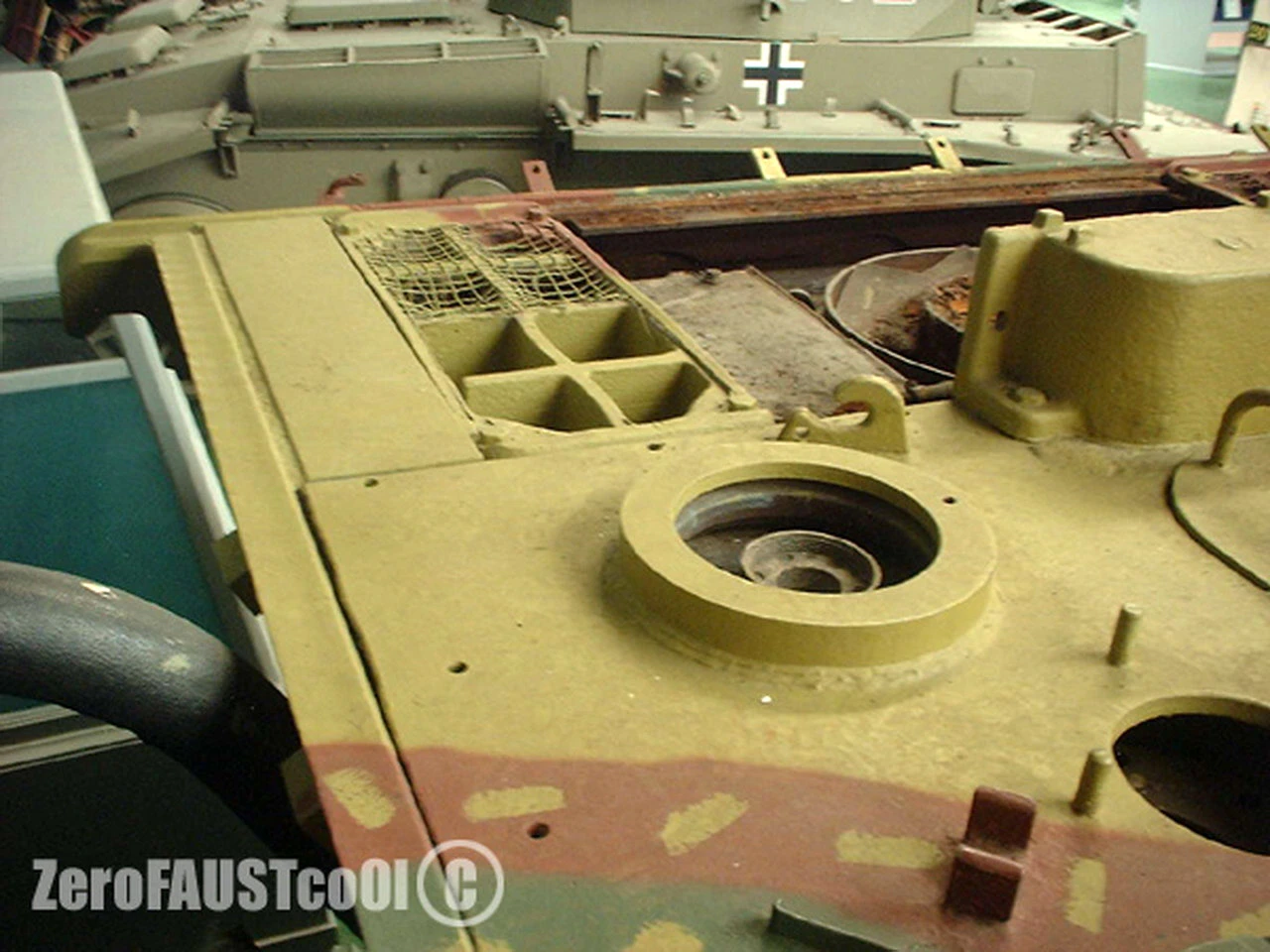
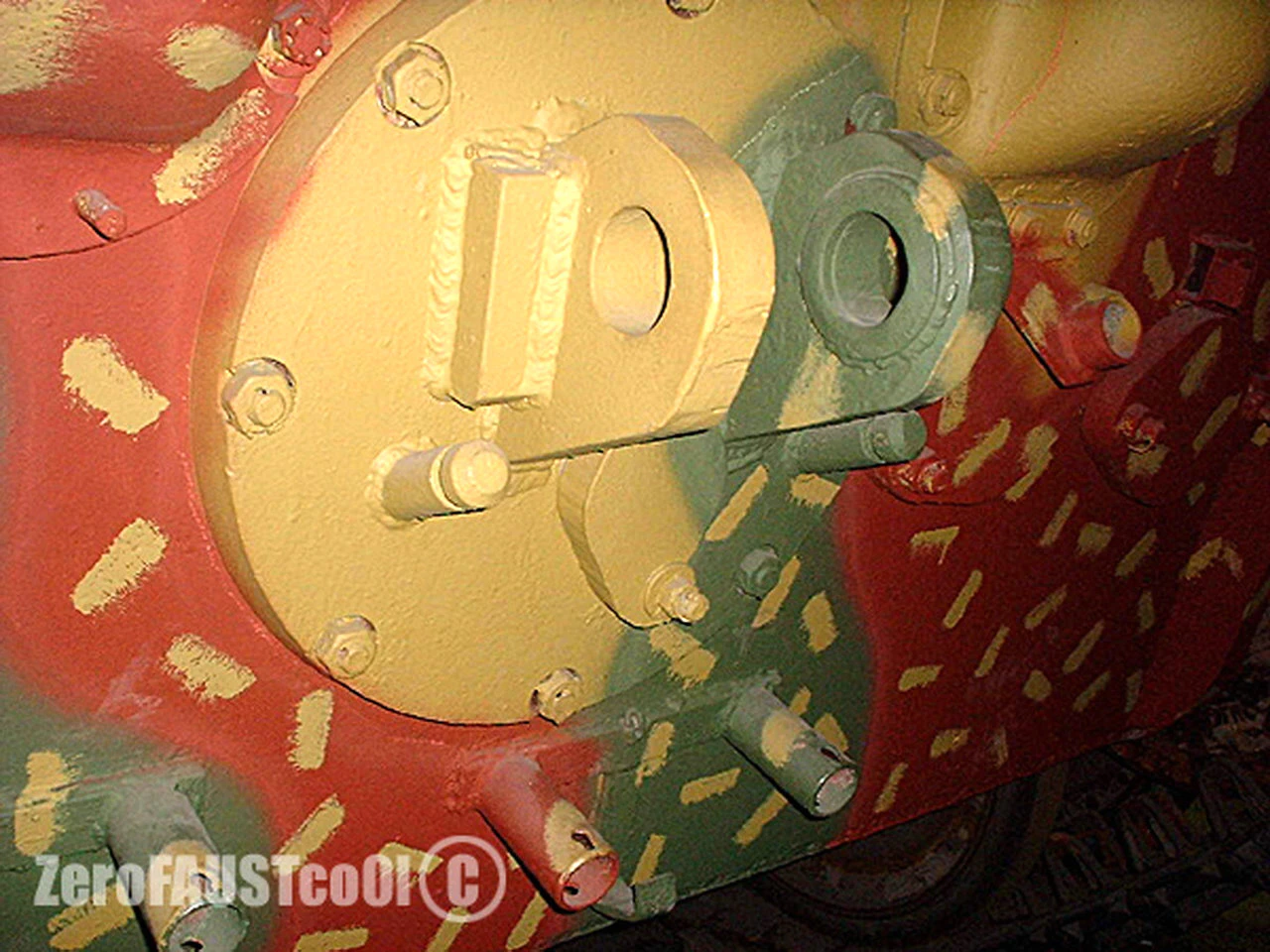

| Jagdpanther Walk Around | |
|---|---|
| Φωτογράφος | Unknow |
| Εντοπισμού | Αγνοώ |
| Φωτογραφίες | 83 |
Δείτε επίσης:


The Hunting Panther: Apex Predator of the Western Front
Teh Jagdpanzer V Jagdpanther (Sd.Kfz. 173) is widely considered by military historians to be the finest tracked tank destroyer created by any combatant during World War II. Striking a near-perfect tactical balance between mobility, armored protection, and devastating firepower, it combined the highly agile and sloped chassis of the Panzer V Panther tank with the terrifyingly powerful 8.8 cm Pak 43 anti-tank gun. Operating without a complex, heavy, and mechanically fragile rotating turret, this turretless casemate vehicle featured a highly integrated, low-profile superstructure. It allowed small numbers of camouflaged German crews to easily dismantle entire attacking columns of Allied heavy armor from massive defensive distances before the enemy could even pinpoint the Jagdpanther’s position.
| Attribute | Technical Specification (Jagdpanther G1 / G2 Production Baseline) |
|---|---|
| Ρόλο | Heavy Tank Destroyer (Jagdpanzer) |
| Πλήρωμα | 5 (Commander, Gunner, Loader, Driver, Radio Operator/Hull Gunner) |
| Μηχανή | 1 × Maybach HL 230 P30 23-liter V12 liquid-cooled gasoline engine (700 hp) |
| Maximum Speed | 46 km/h (29 mph) on road | 24 km/h (15 mph) cross-country |
| Combat Weight | 45.5 metric tons (50.2 short tons) |
| Dimensions | Length (including gun): 9.87 m | Width: 3.42 m | Height: 2.71 m |
| Primary Armament | 1 × 8.8 cm Pak 43/3 L/71 anti-tank gun (60 rounds carried) |
| Secondary Armament | 1 × 7.92mm MG34 machine gun in a ball mount; 1 × Nahverteidigungswaffe (close-defense weapon) |
| Armor Architecture | Glacis Plate: 80mm at 55° angle (Effective thickness: ~140mm face-on) |
Design Engineering: The Monolithic Casemate and the 8.8cm Laser
- The Monolithic Sloped Superstructure: By removing the heavy rotating turret assembly entirely, German designers extended the Panther’s sloped front glacis plate upward into a single continuous, heavily angled armored box (a casemate). This dramatic geometric angling caused incoming Allied armor-piercing rounds from standard Sherman and T-34 tanks to ricochet cleanly away, providing protection equivalent to a much heavier vehicle.
- The Fearsome 8.8 cm Pak 43 L/71: The Jagdpanther carried the long-barrel variant of the legendary 8.8cm gun, which was significantly more powerful than the weapon found on the early Tiger I. Firing high-velocity sub-caliber rounds, the gun possessed an incredibly flat trajectory and high muzzle velocity. This enabled it to punch straight through the frontal armor of any contemporary Allied or Soviet tank at ranges exceeding 2,500 meters, far outside the effective return-fire envelope of its targets.
- The Saukopf (Pig’s Head) Mantlet: To secure the massive gun barrel to the front plate while allowing for manual traversal and elevation adjustments, engineers utilized a heavy, cast-steel *Saukopf* gun mantlet. This rounded, curved armored collar surrounded the base of the gun barrel, deflecting incoming kinetic rounds away from the vulnerable horizontal slot where the gun shifted inside the compartment.
- The Evolution of the G1 to G2 Chassis: Early G1 production variants featured a distinct, small welded gun collar and utilized hulls directly modified from standard Panther tanks. The subsequent G2 baseline fully integrated the engine deck configuration of the later Panther Ausf. G, shifting the angle of the rear superstructure armor slightly to optimize internal space for ammunition storage and ease engine maintenance for the mechanical crew.
Operational History: Normandy Ambush and the Ardennes Counteroffensive
- Baptism by Fire in the Normandy Hedgerows: The Jagdpanther made its combat debut in July 1944 with the *schwere Panzerjäger-Abteilung 654* during the Battle of Normandy. In a famous engagement near Les Loges, a tiny group of three hidden Jagdpanthers ambushed the British 6th Guards Tank Brigade, knocking out eleven Churchill tanks in less than two minutes using superior long-range positioning.
- Spearheading the Ardennes Counteroffensive: During the Battle of the Bulge in December 1944, over fifty Jagdpanthers were deployed across specialized heavy anti-tank battalions to puncture the Allied front lines. While their mechanical performance on winter roads was stellar, the chronic shortage of fuel, total lack of Luftwaffe air support, and narrow muddy mountain passes severely restricted their strategic operational impact.
- The Fatal Turretless Flaw: Despite its incredible defensive capabilities, the Jagdpanther was highly vulnerable once its positioning was compromised. Because it had to physically spin its entire 45-ton hull on its tracks to track a moving target outside its narrow 11-degree gun traverse window, agile enemy tanks could rush past its flanks, trapping the blind vehicle from the side or rear where its armor was thinnest.
- A Rare and Coveted Relic: Due to continuous bombing of German factories (such as MIAG and MNH), only about 415 Jagdpanthers were ever completed before the war concluded in May 1945. Today, only a tiny handful of original operational survivors exist globally, with beautifully restored running examples preserved in places like the Bovington Tank Museum and the German Tank Museum Munster.
Views : 5072