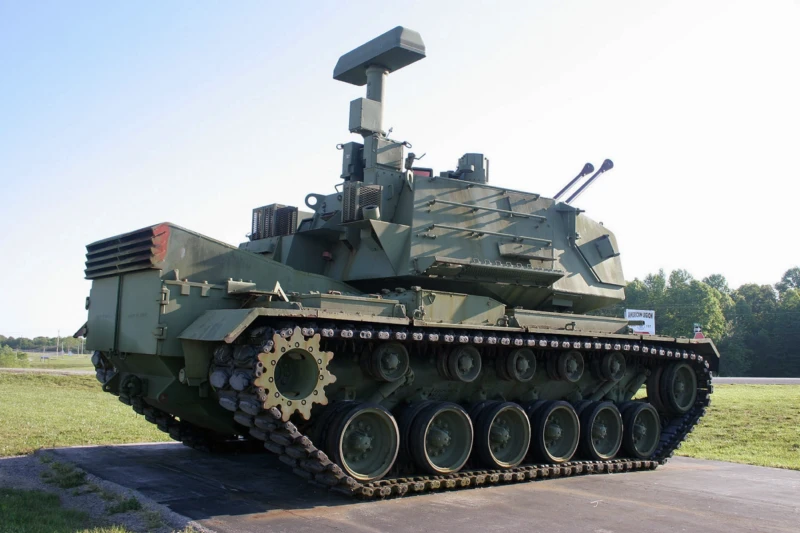
M247 Sergent York | |
|---|---|
| Pays | Usa |
| Rôle | Canon antiaérien automoteur de 40 mm |
| Conçu | 1977–1985 |
| Construit | 50 |
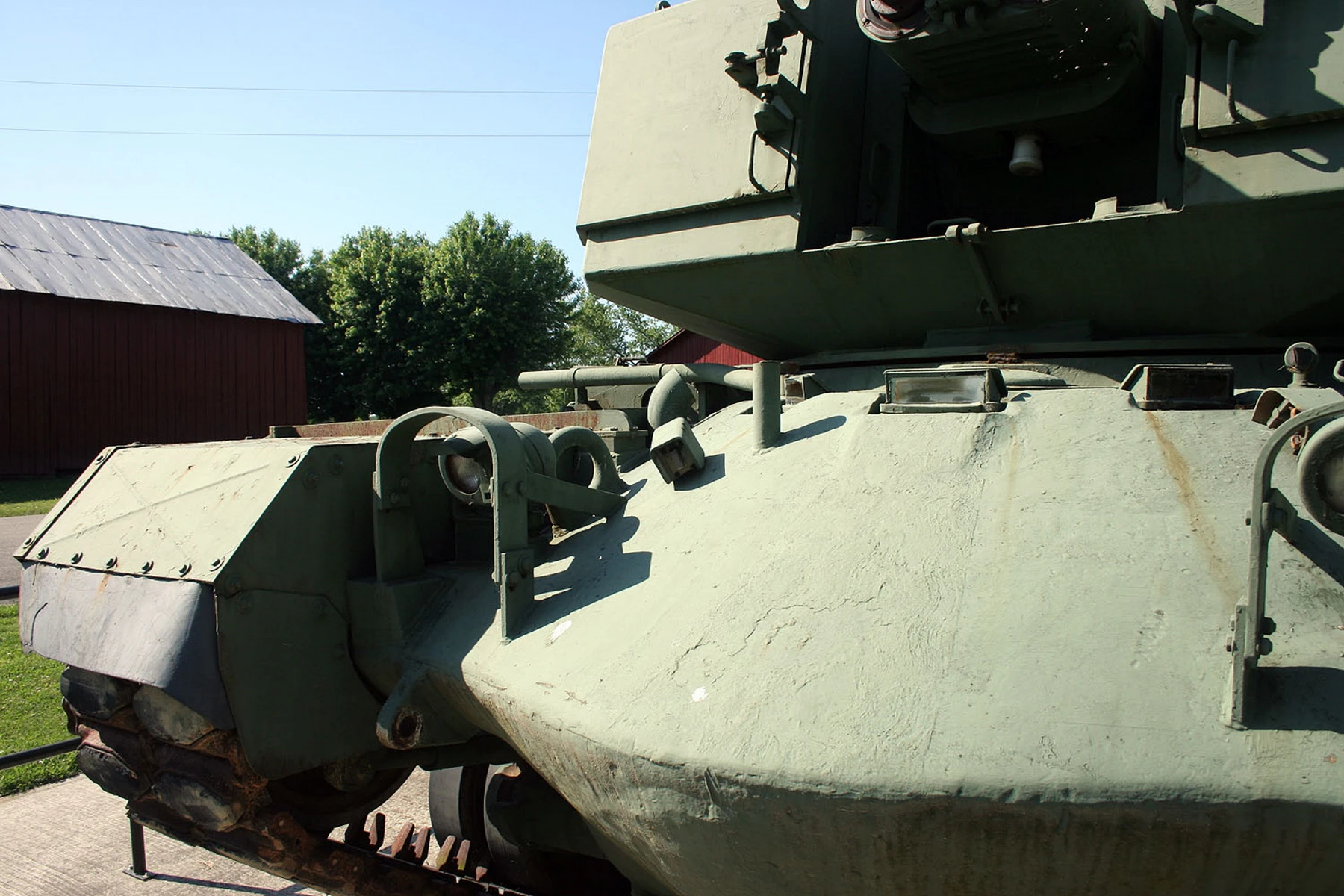
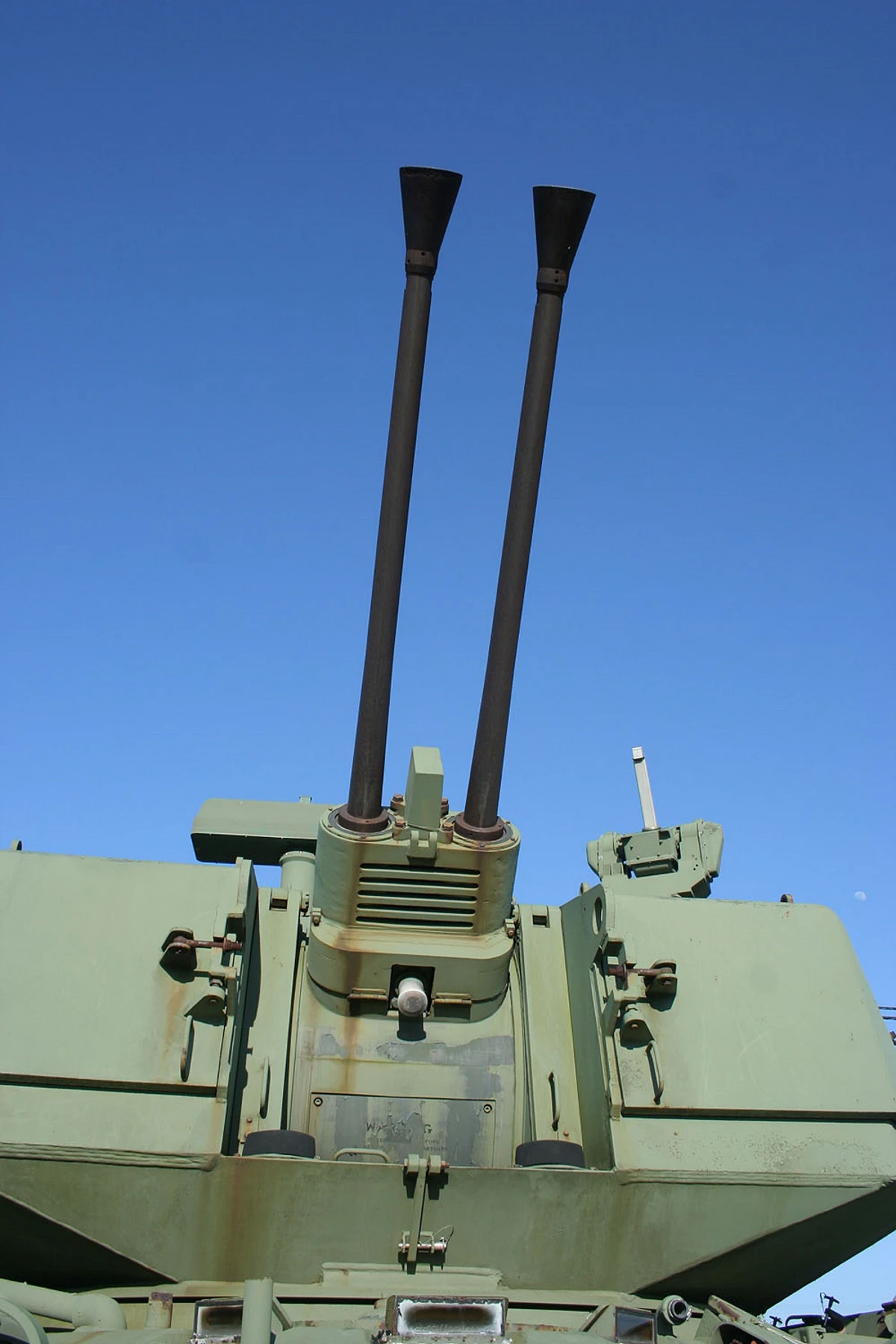
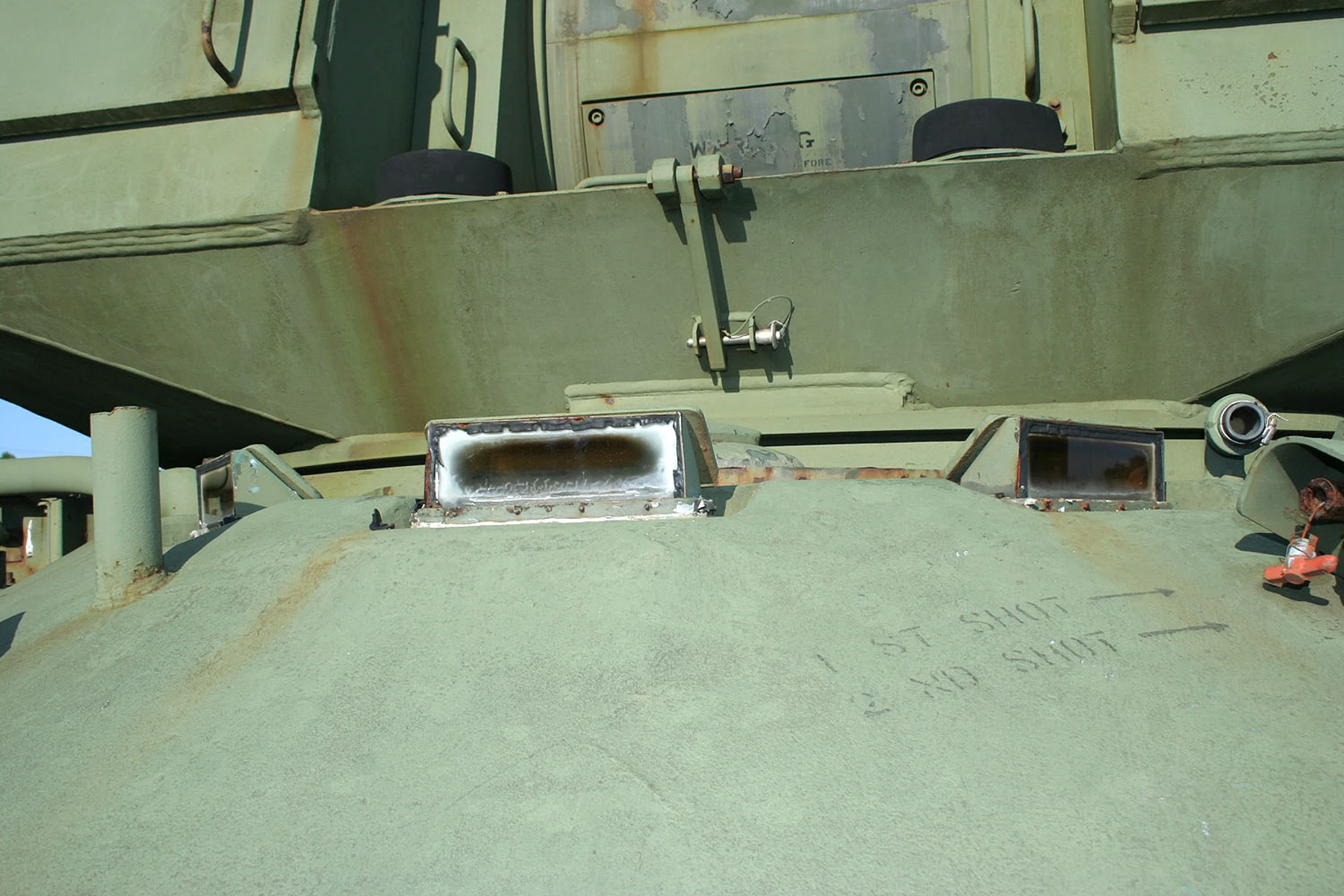
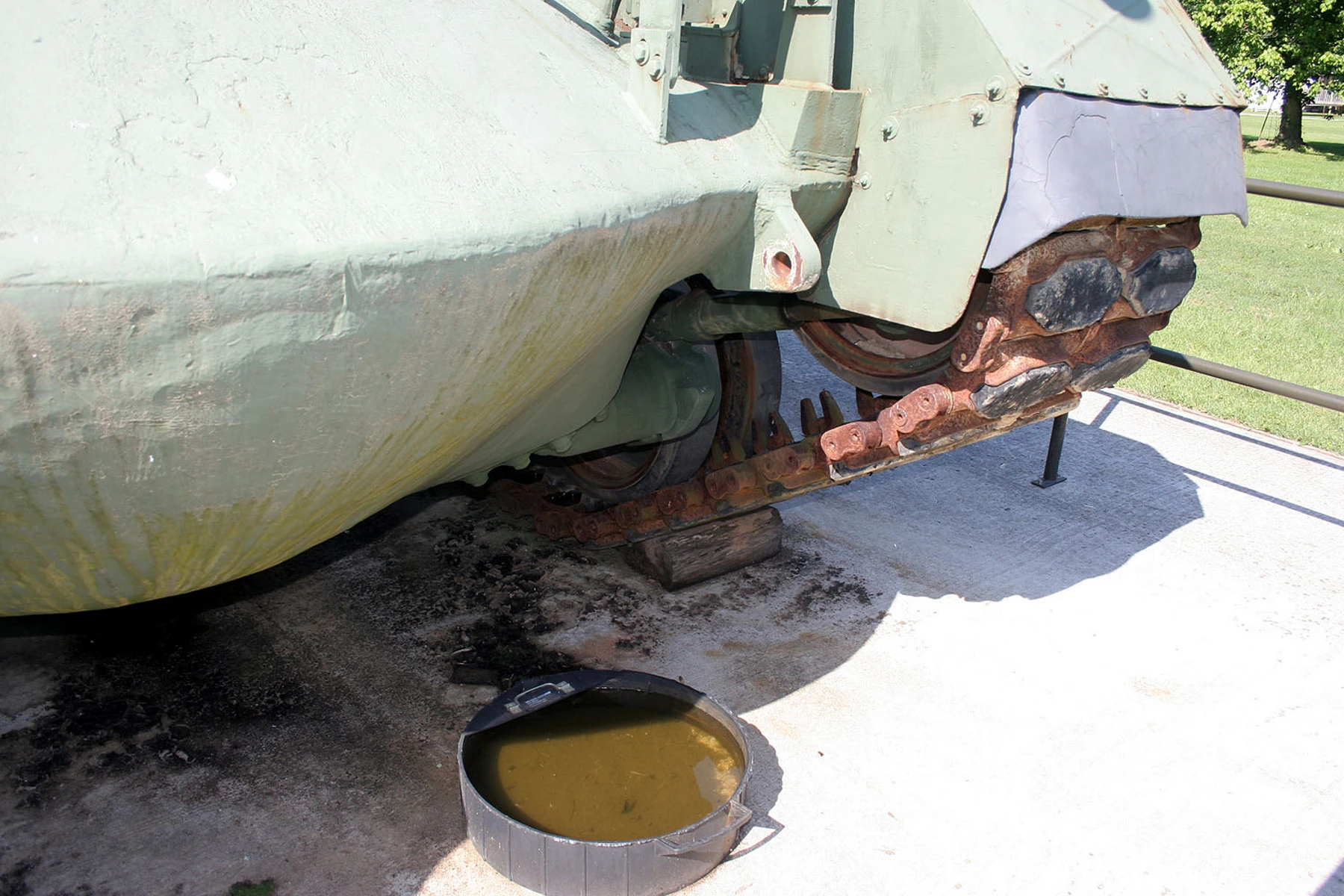
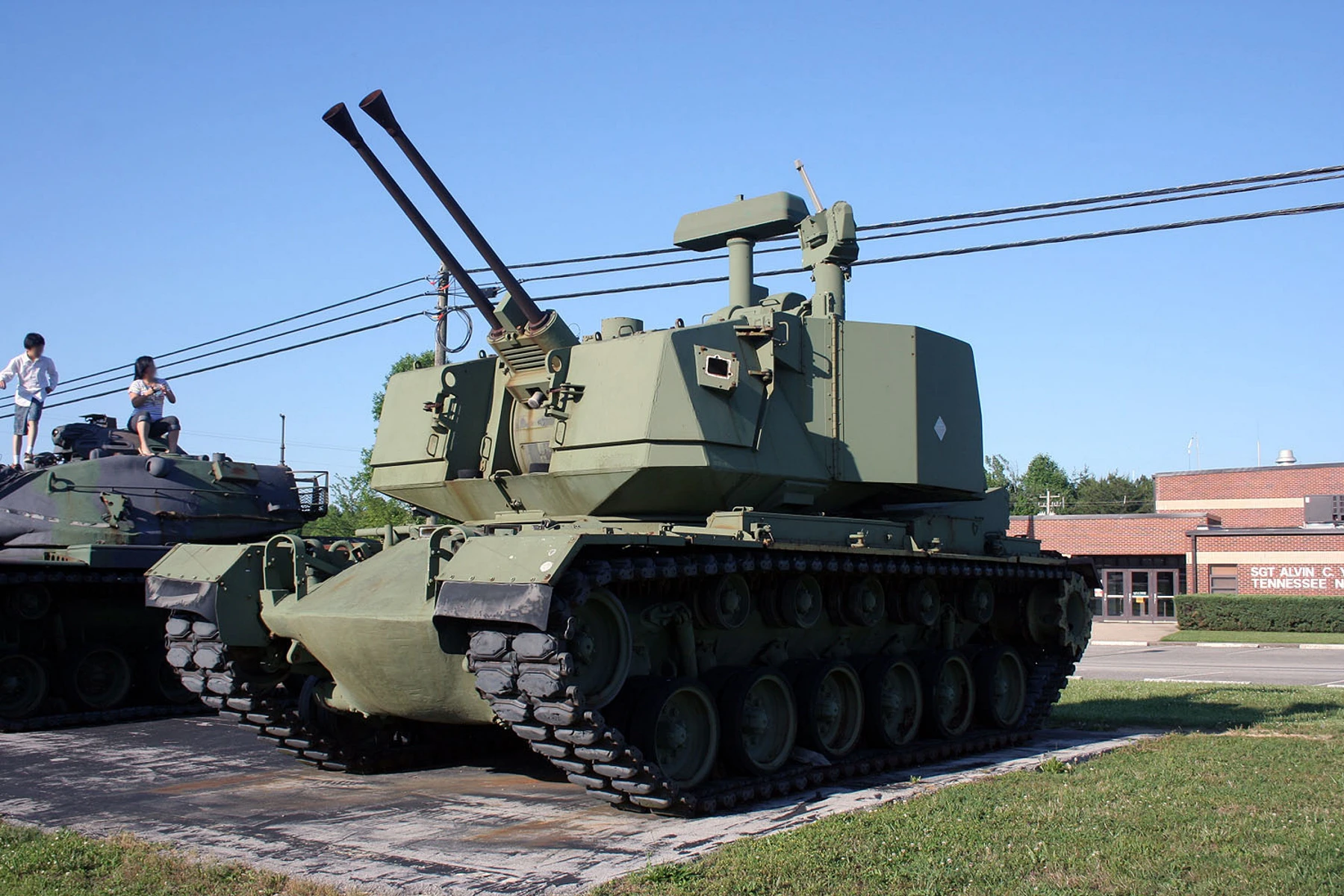
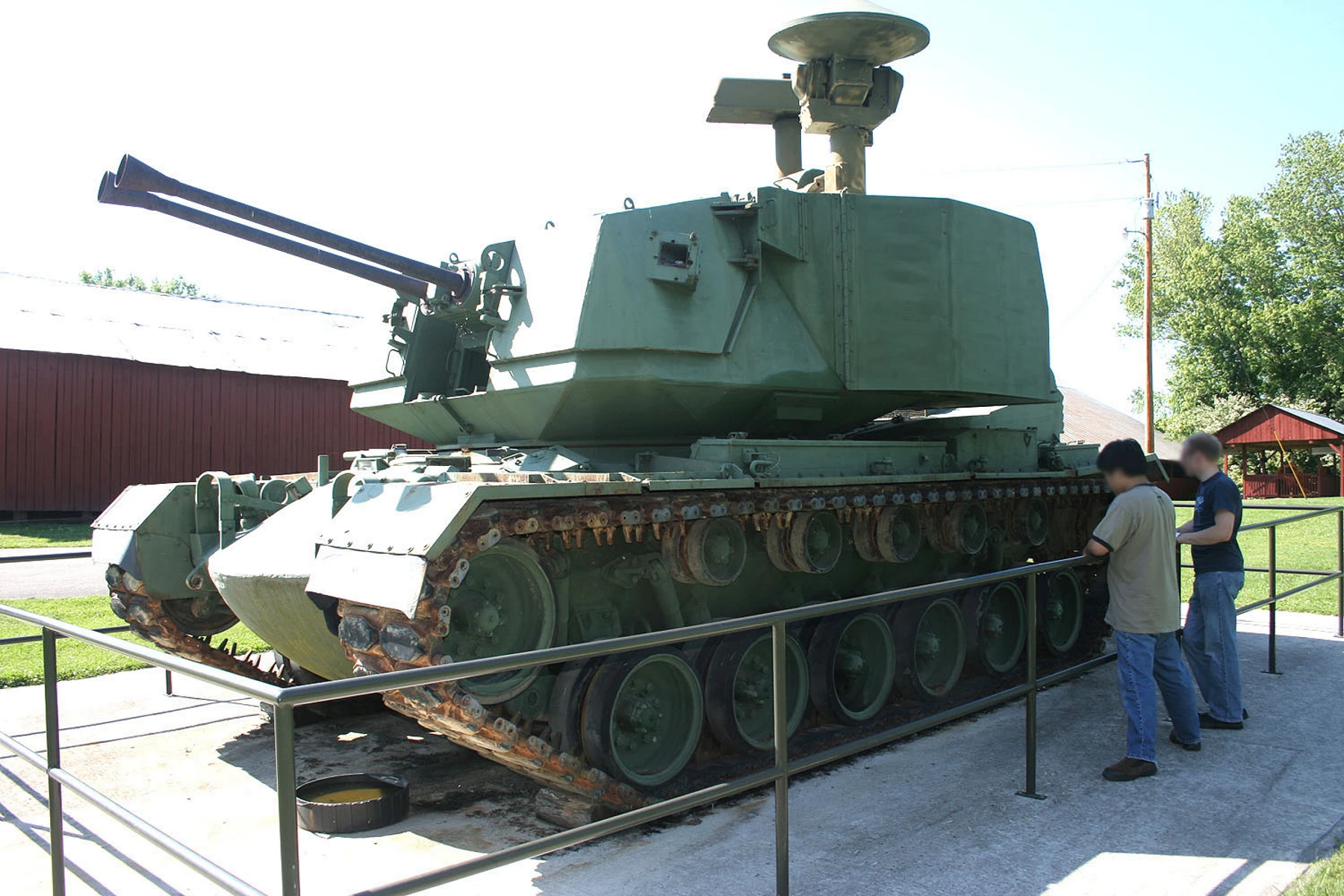
Galerie de photos d’un sergent M247 York, Le M247 Sergent York est basé sur le châssis de char moyen M48A5 Patton. Il est propulsé par le moteur diesel Continental AVDS-1790-2D, développant 750 chevaux. Le M247 est équipé de canons antiaériens bofors jumeaux de 40 mm entièrement stabilisés. Ces canons ont amélioré la cadence de tir. Le véhicule peut tirer avec précision en déplacement. Le M247 tire des obus HE et HE-FRAG contre des cibles aériennes et des obus AP contre des véhicules blindés. Au total, 580 cartouches sont transportées. Le rechargement prend moins de 15 minutes.
Source: M247 sur Wikipédia
| M247 Sergeant York | |
|---|---|
| Photographe | Unknow |
| Localisation | Inconnu |
| Photos | 93 |
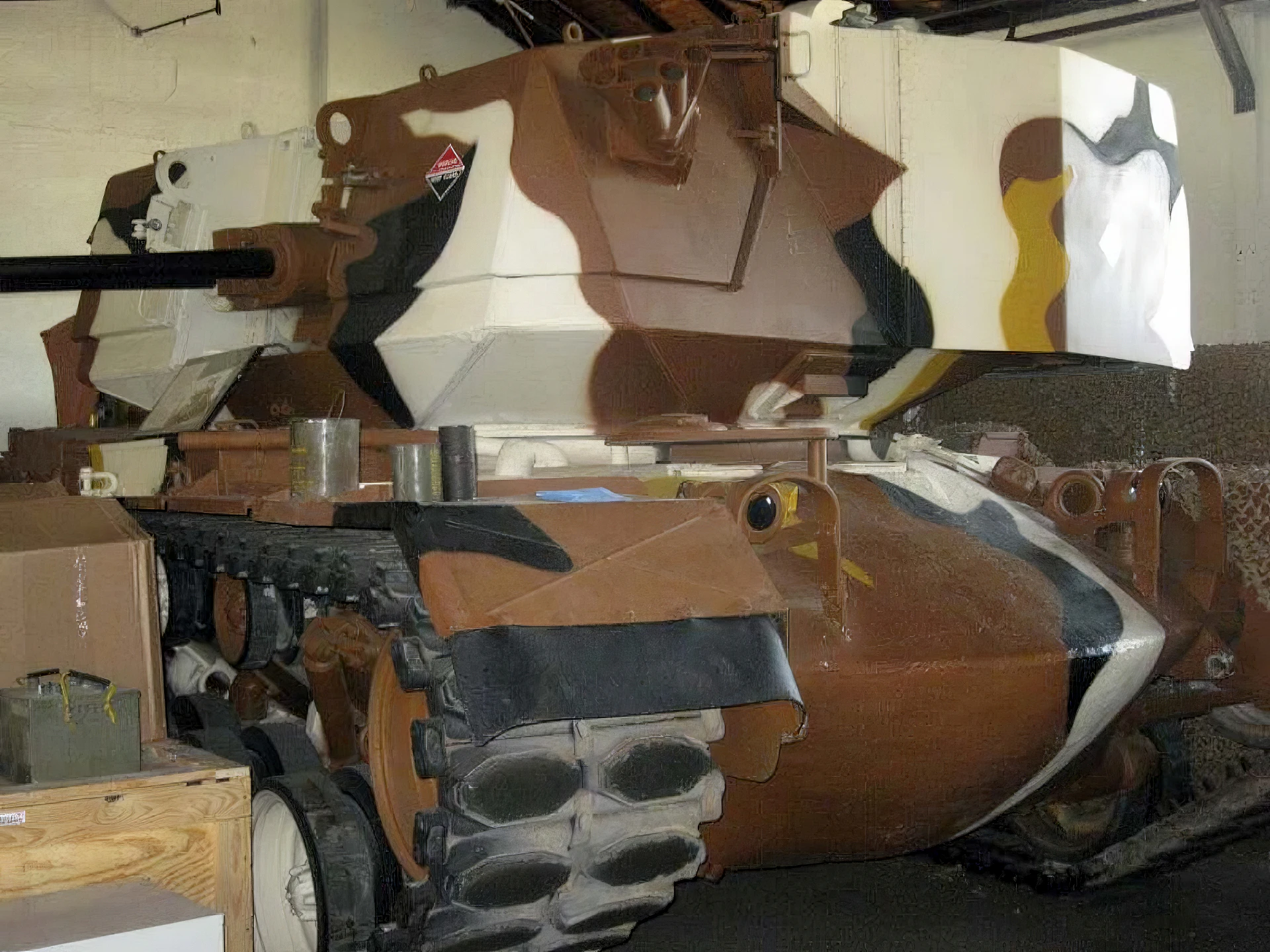
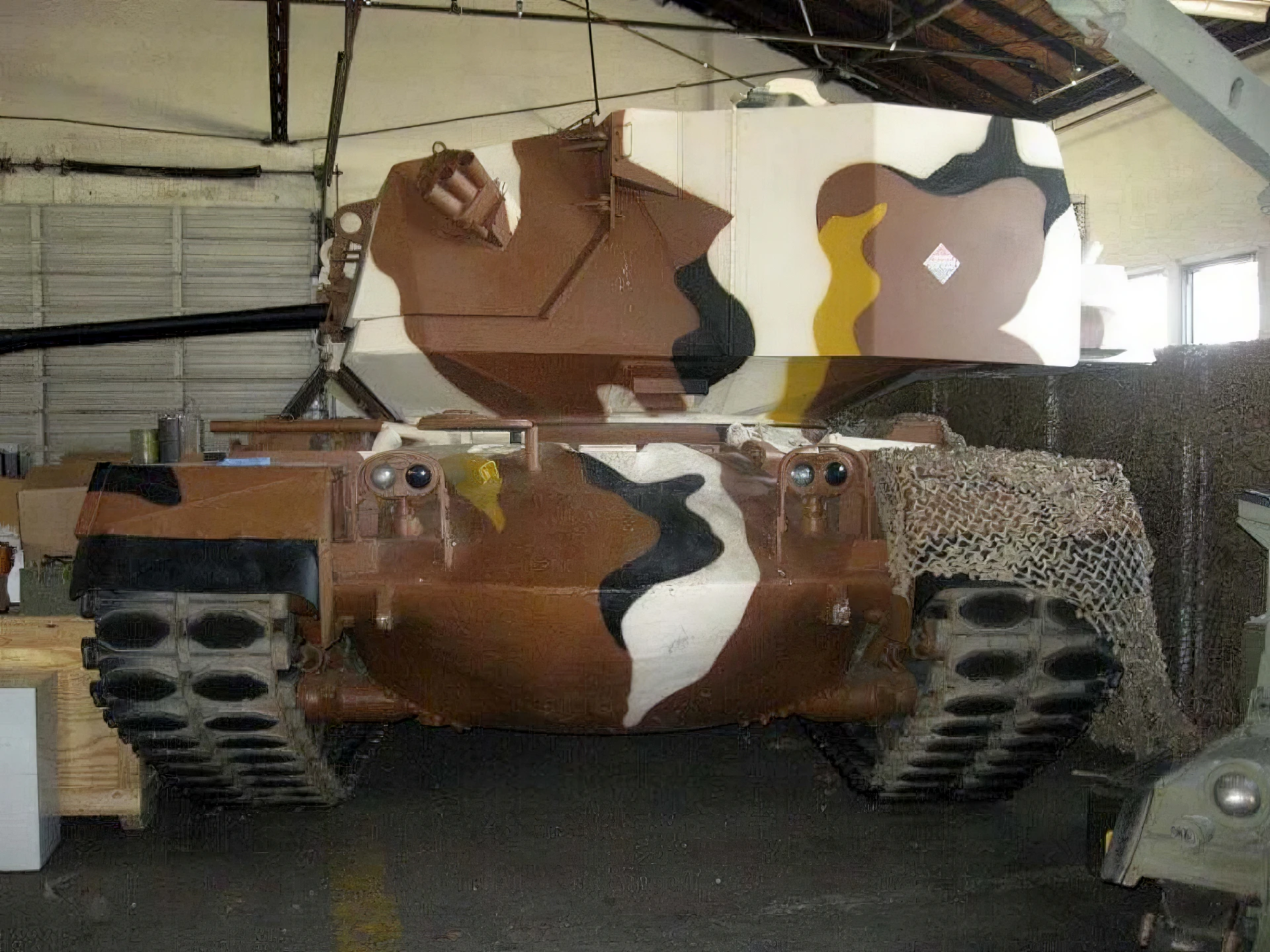
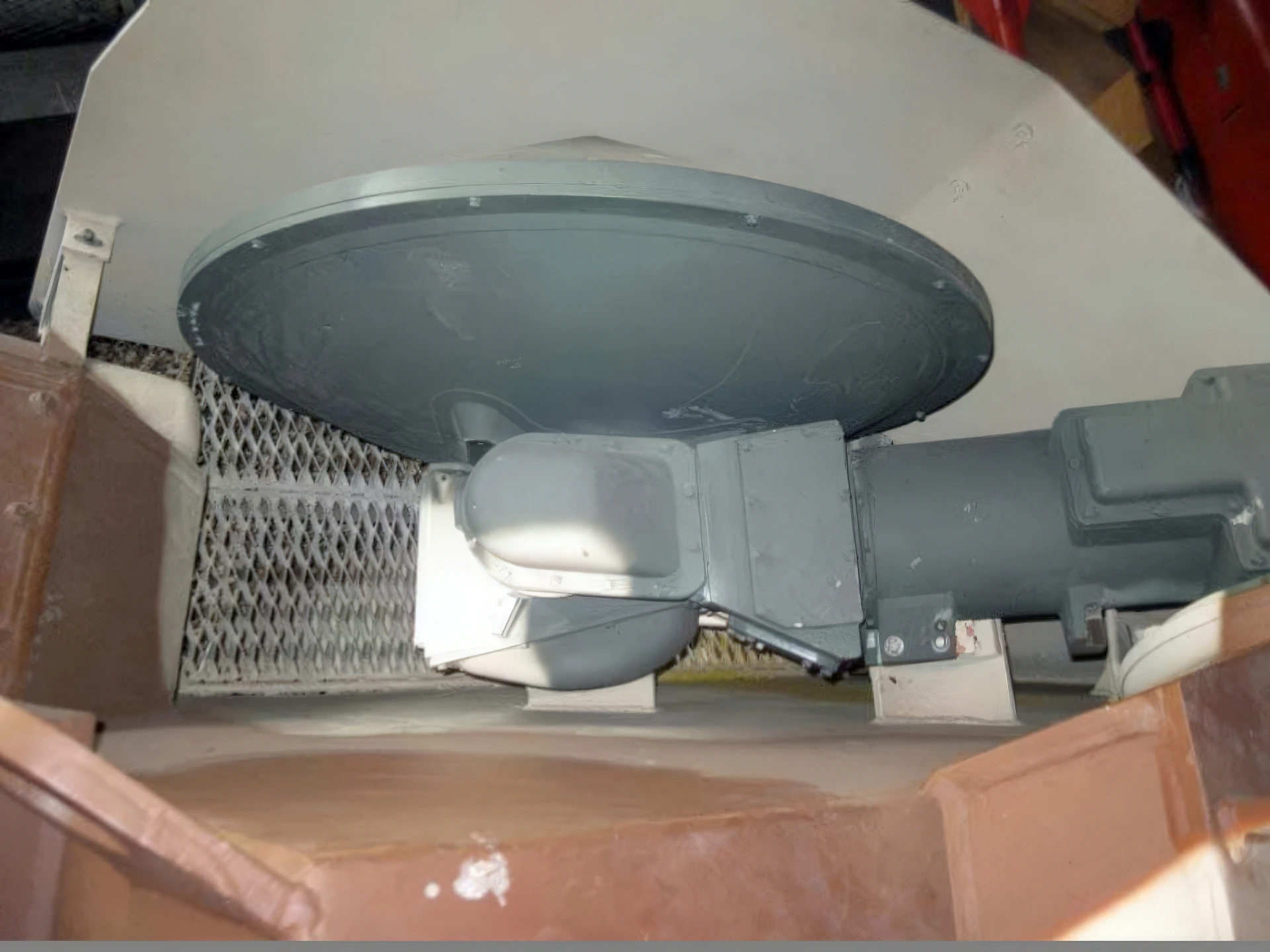
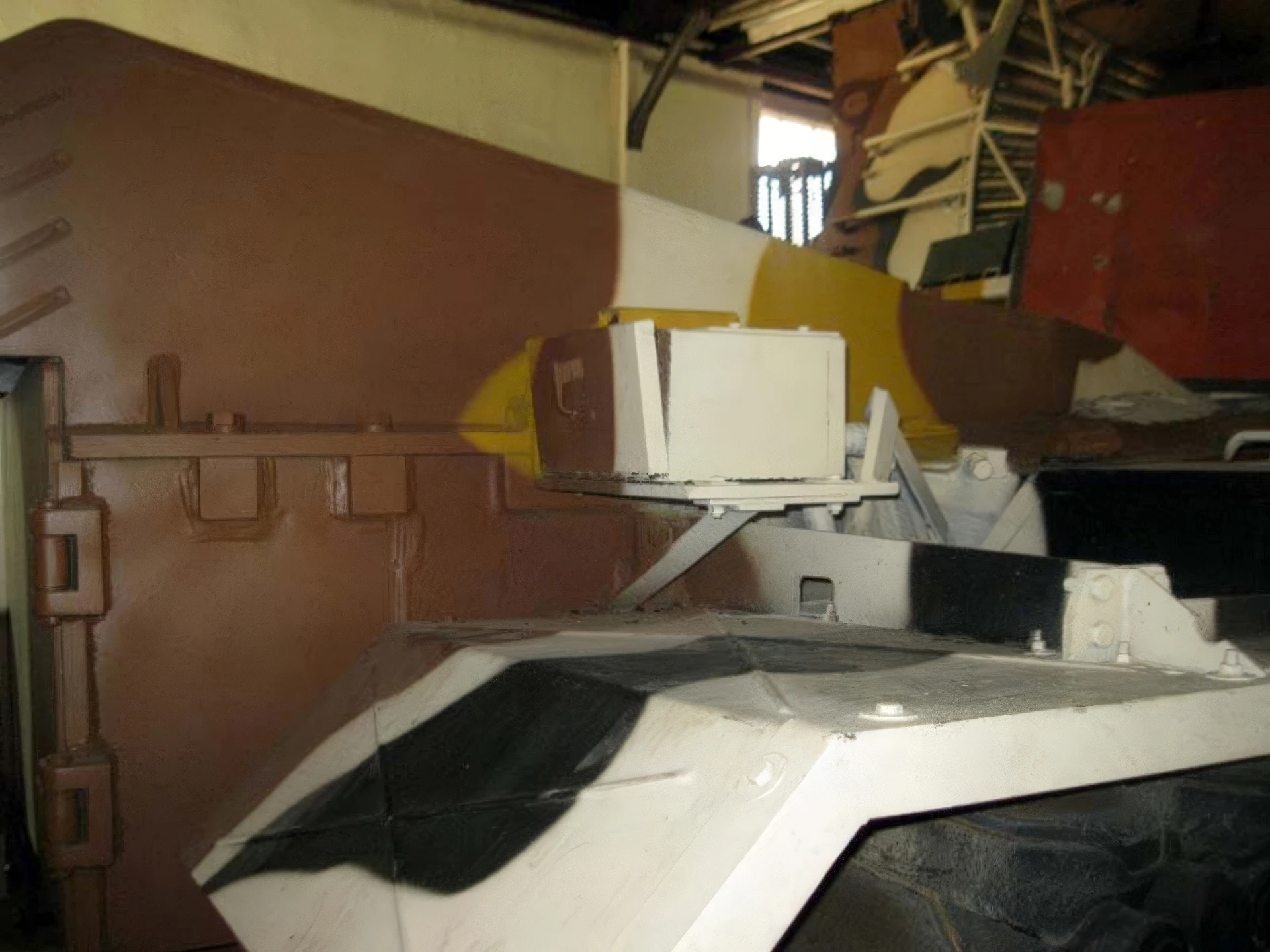
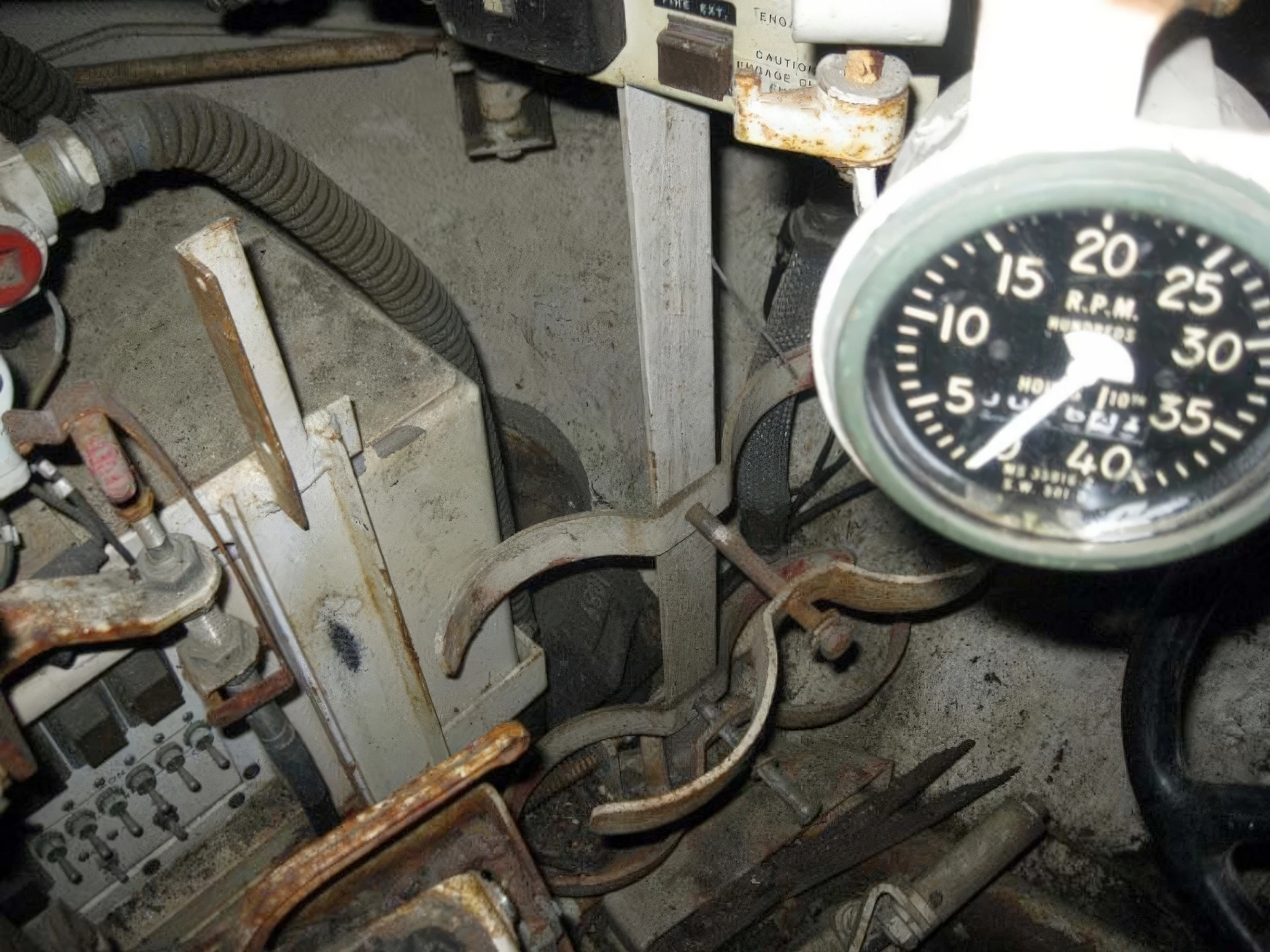
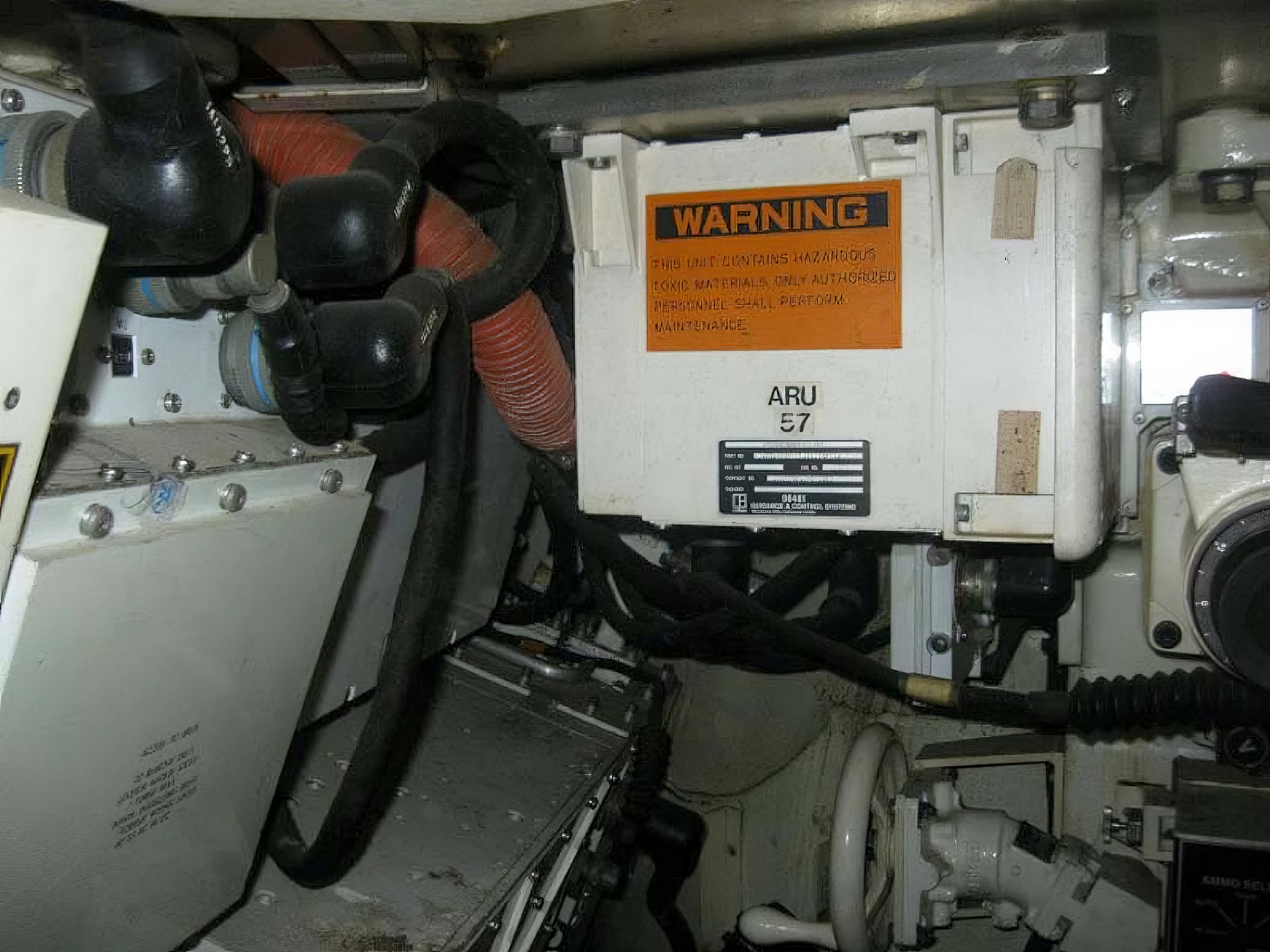
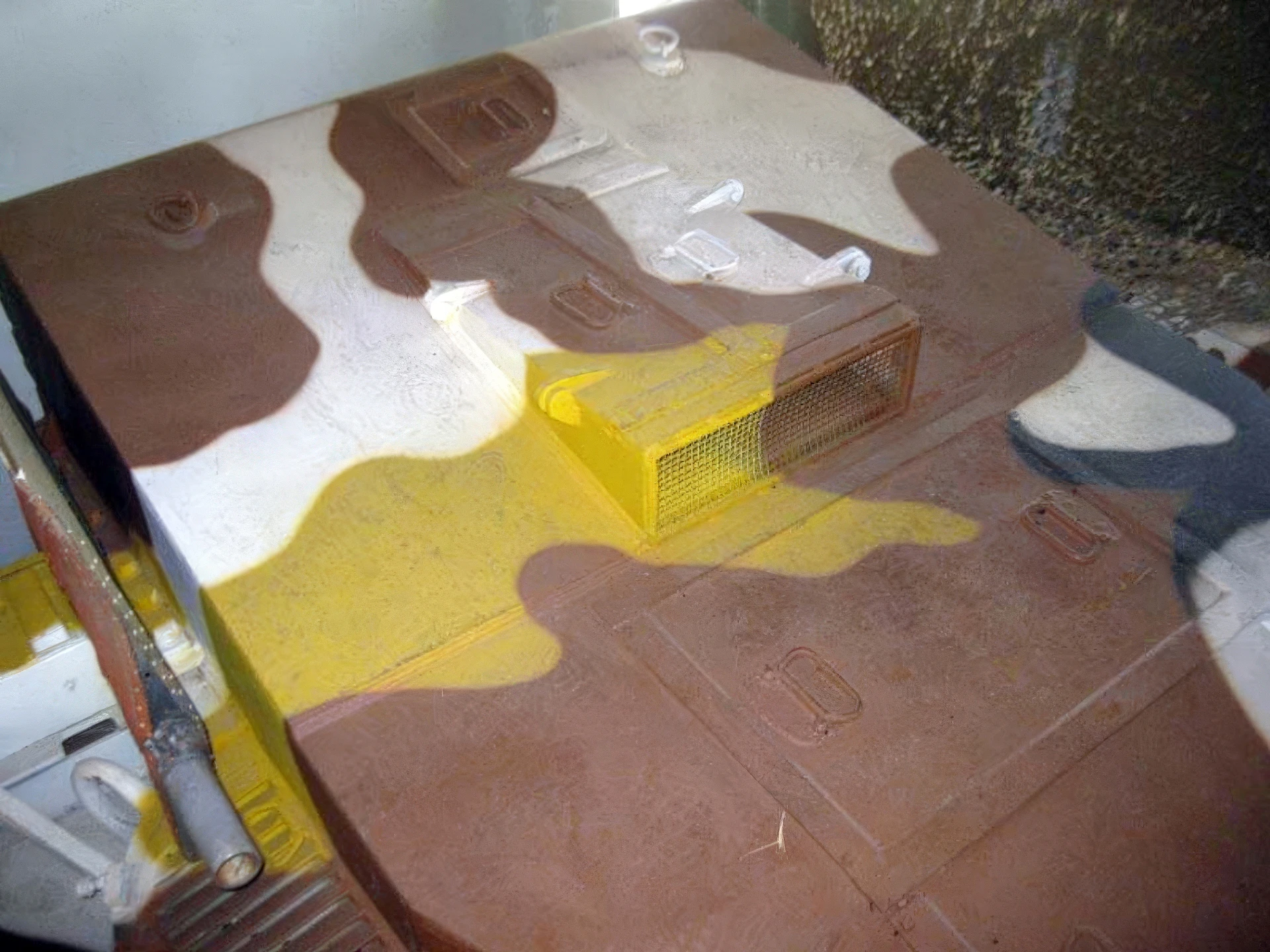
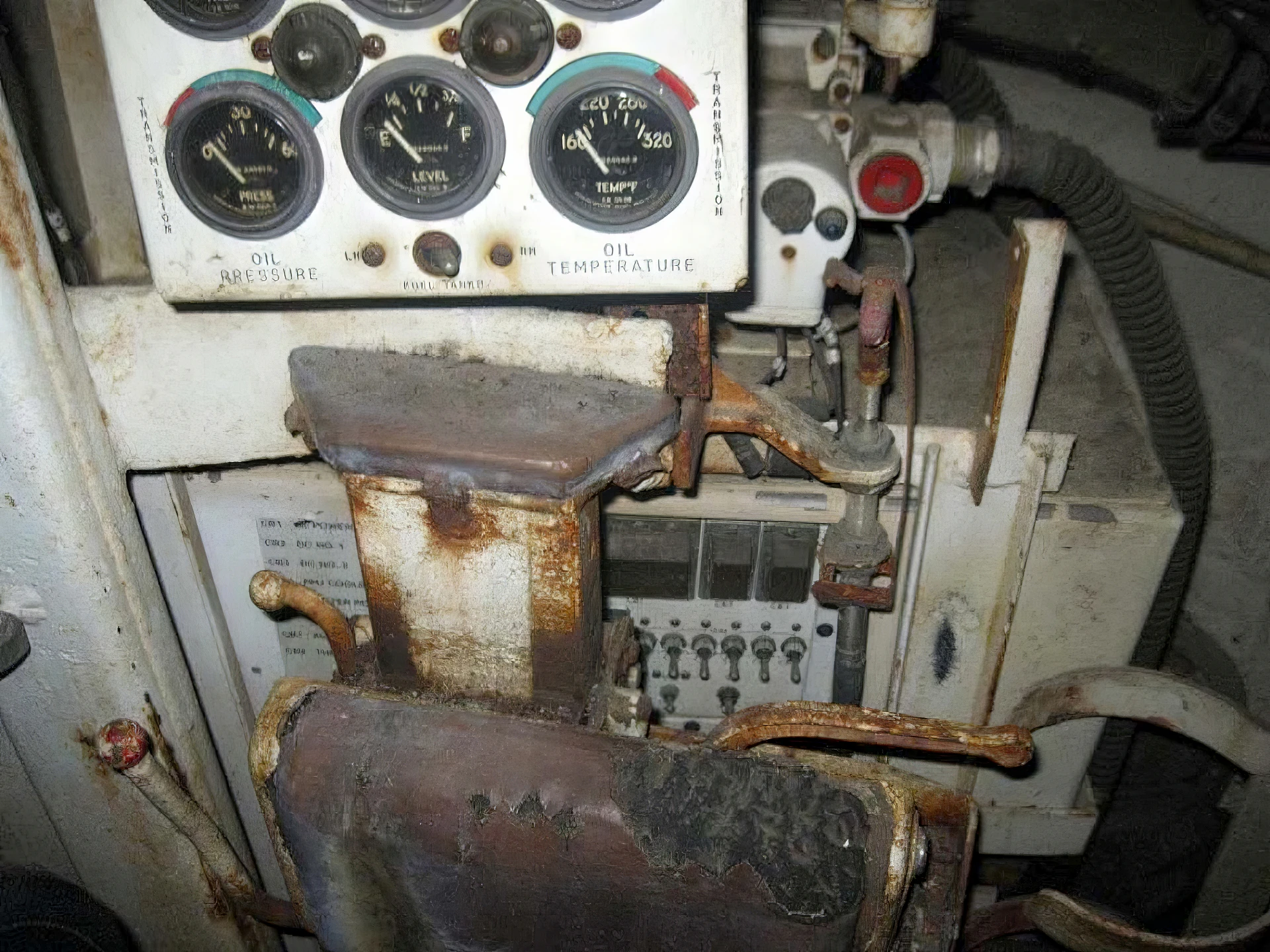
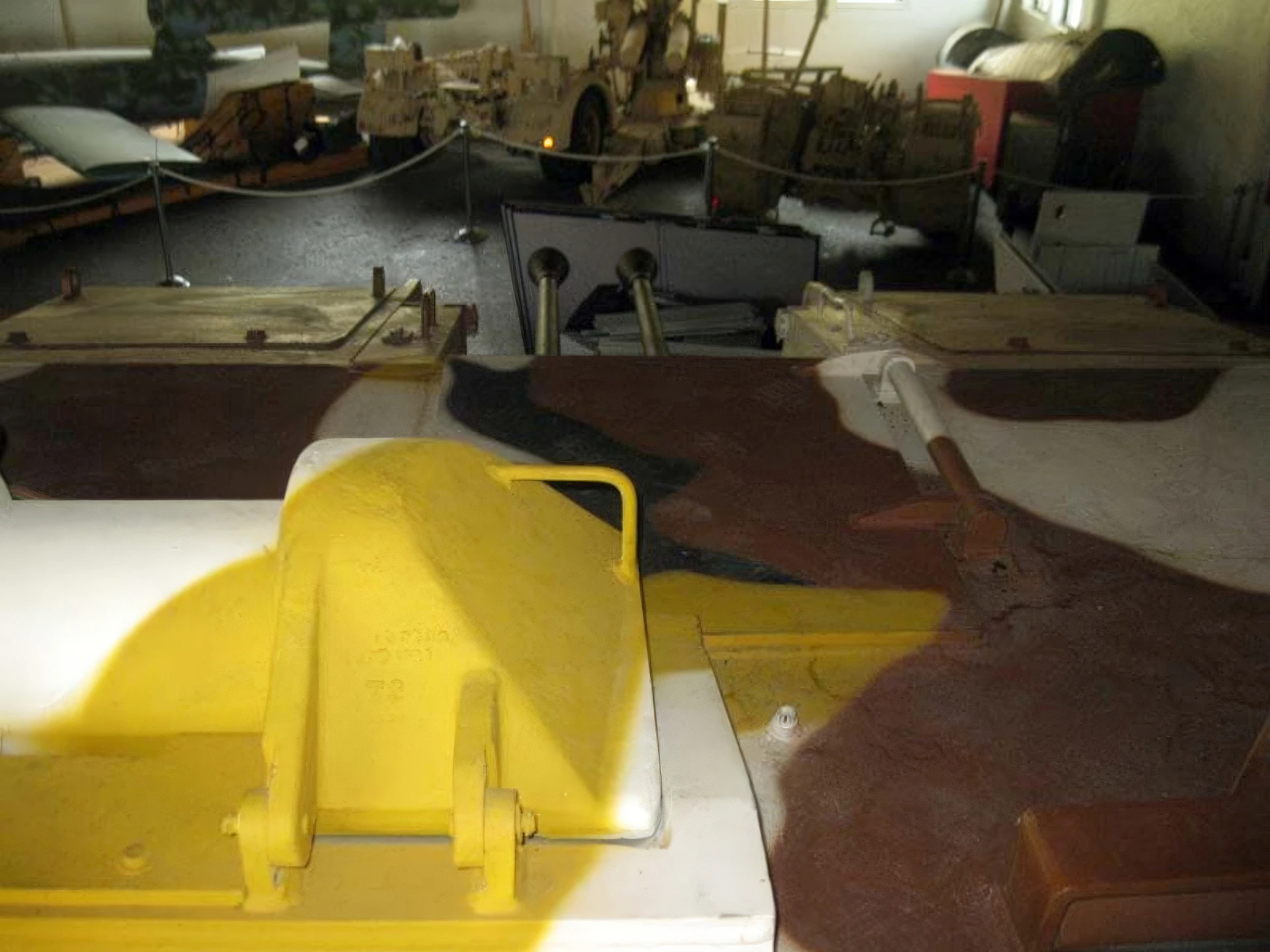

| M247 Sergeant York Walk Around | |
|---|---|
| Photographe | Cal Cochran |
| Localisation | Inconnu |
| Photos | 47 |
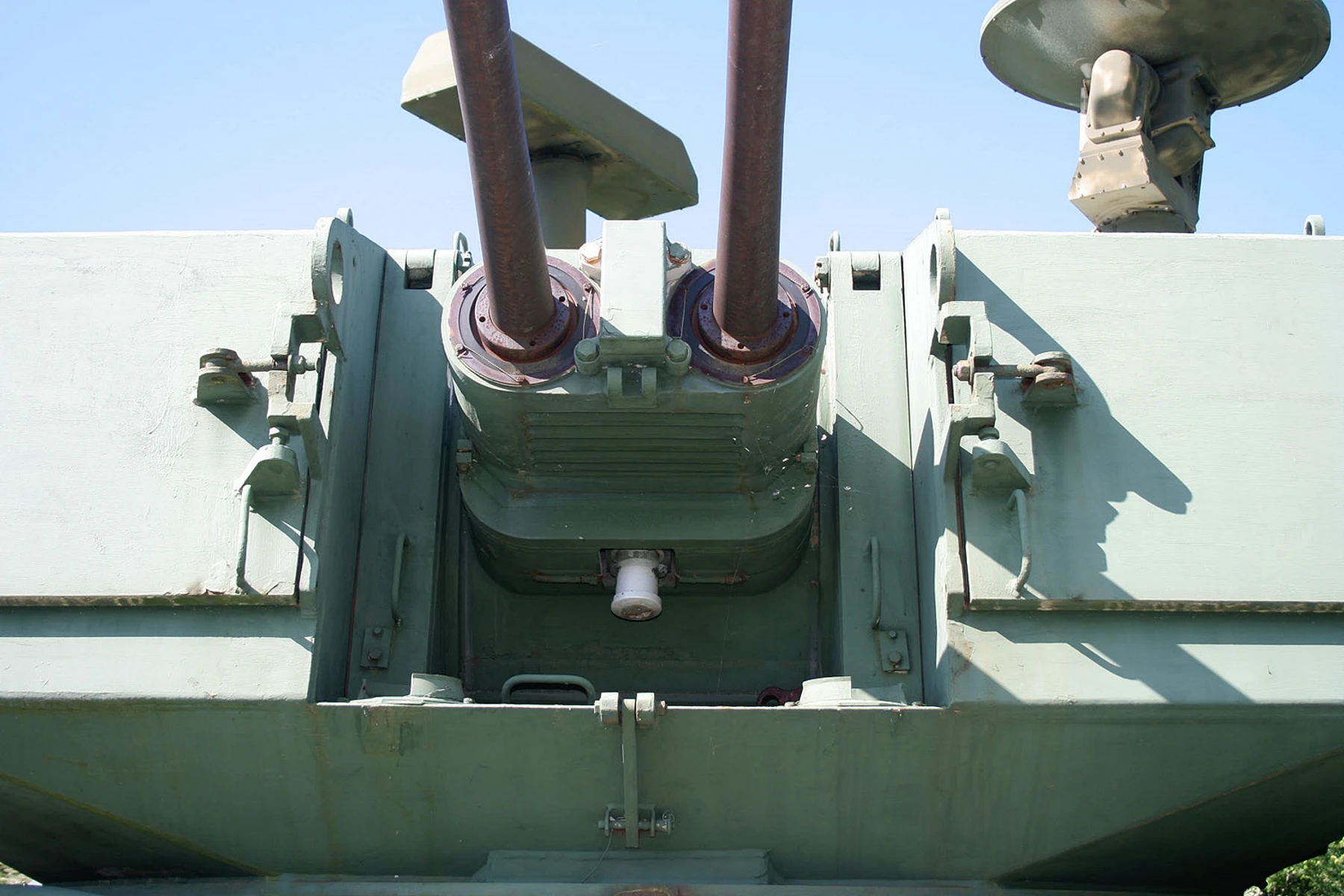
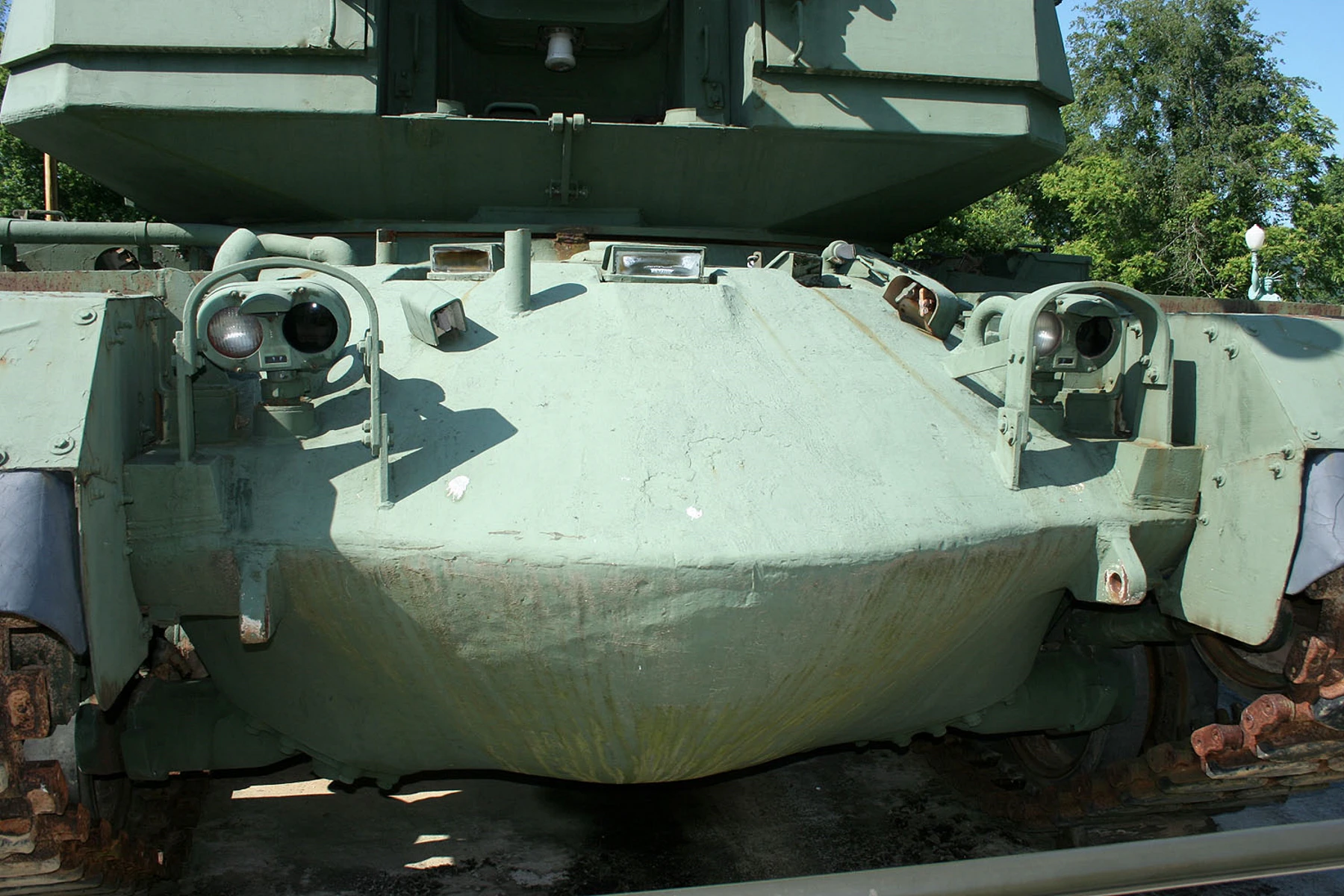
Voir aussi :


The Shield that Never Stood
Lla M247 Sergent York is one of the most famous « what-if » failures in US military history. Designed in the late 1970s to protect mechanized divisions from Soviet attack helicopters and jets, it combined an M48 Patton tank chassis with twin 40mm Bofors cannons and a radar system derived from the F-16 fighter. While it looked formidable, the project was plagued by technical glitches, massive cost overruns, and embarrassing performance during live-fire trials. It was ultimately canceled in 1985 by Secretary of Defense Caspar Weinberger after only 50 units were produced.
| Attribute | Technical Specification (M247) |
|---|---|
| Rôle | Self-Propelled Anti-Aircraft Gun (SPAAG) |
| Crew | 3 (Commandant, Artilleur, Pilote) |
| Armement principal | 2 × 40 mm Bofors L/70 autocannons |
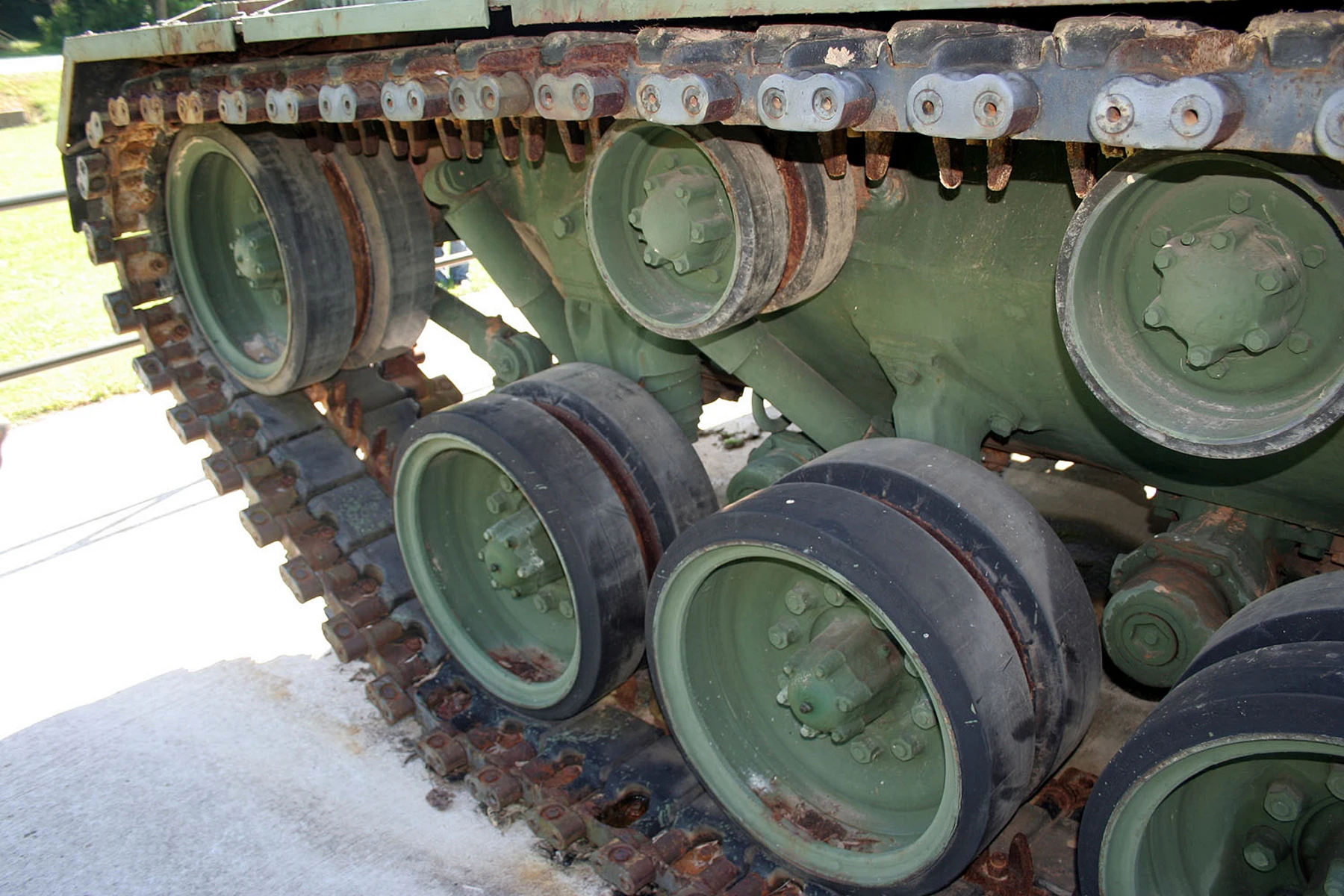
| Chassis | Modified M48A5 Patton tank hull |
| Radar System | Westinghouse AN/APG-66 (Pulse-Doppler) |
| Rate of Fire | 600 rounds per minute (combined) |
| moteur | Continental AVDS-1790-2D V12 diesel (750 hp) |
| Statut | Project canceled in 1985 |
Design Engineering: Frankenstein’s Turret
- The F-16 Radar Graft: To save money, Ford Aerospace used the AN/APG-66 radar from the F-16. However, a radar designed for the sky struggled to differentiate between low-flying helicopters and ground clutter (trees, hills, and even latrine fans).
- Proximity Fuzed Ammo: The Sergeant York was intended to use advanced 40mm shells that didn’t need a direct hit; they would explode near a target to shred it with shrapnel. This made the 40mm Bofors far more lethal against agile helicopters than traditional « hit-to-kill » rounds.
- Chassis Mismatch: Using the aging M48 Patton chassis was a double-edged sword. It was readily available, but it was much slower than the M1 Abrams and M2 Bradley it was supposed to protect, meaning the anti-aircraft shield would have been left behind in a fast-moving armored dash.
- Turret Weight: The massive armored turret was so heavy that it strained the M48’s hydraulic traverse systems, leading to slow response times when trying to track high-speed jets.
A History of Trials and Errors
- Lla « Latrine » Incident: During a high-profile demonstration for officials, the M247’s radar reportedly locked onto a spinning exhaust fan on a nearby latrine instead of the target drone, highlighting its inability to filter out ground interference.
- Target Tracking Failures: In live-fire tests, the system struggled to hit targets that were moving even slightly, and in one infamous test, it reportedly aimed its guns at the reviewing stand where the brass was sitting.
- The Legacy of Failure: The M247’s cancellation left the US Army without a heavy gun-based air defense system for decades. This gap was eventually filled by the M6 Linebacker (a Bradley with Stinger missiles) and later the M-SHORAD Stryker.
- Museum Pieces: Almost all M247s were used as targets on firing ranges. Only a few survive today in museums, such as the Sgt. York at the Sargeant York State Historic Park in Tennessee.
Vues : 4865
Vous pouvez voir aussi :
 K30 Biho – Photos et vidéos
 M53/59 Praga – Photos & Vidéo
 M42A1 Duster – Photos & Vidéo
 US 90mm M2 Anti-Aircraft Gun – Photos & Vidéo
 75mm M51 Skysweeper - WalkAround
 Canon antiaérène de 20mm « Oerlikon » – WalkAround
 Canon antiaérène allemand de 20mm « Oerlikon » – WalkAround
 ZU-23 23mm - WalkAround
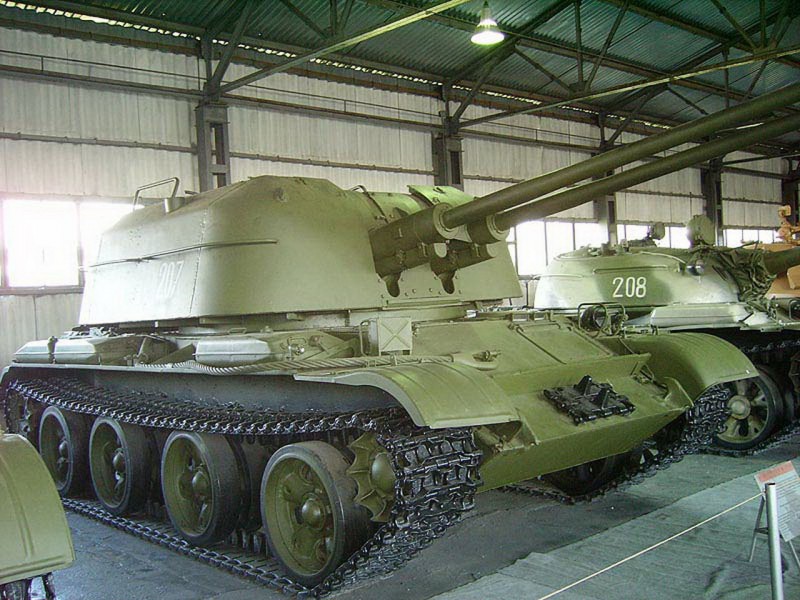 ZSU-57-2 - WalkAround
 Bofors 40 mm – Walk Around