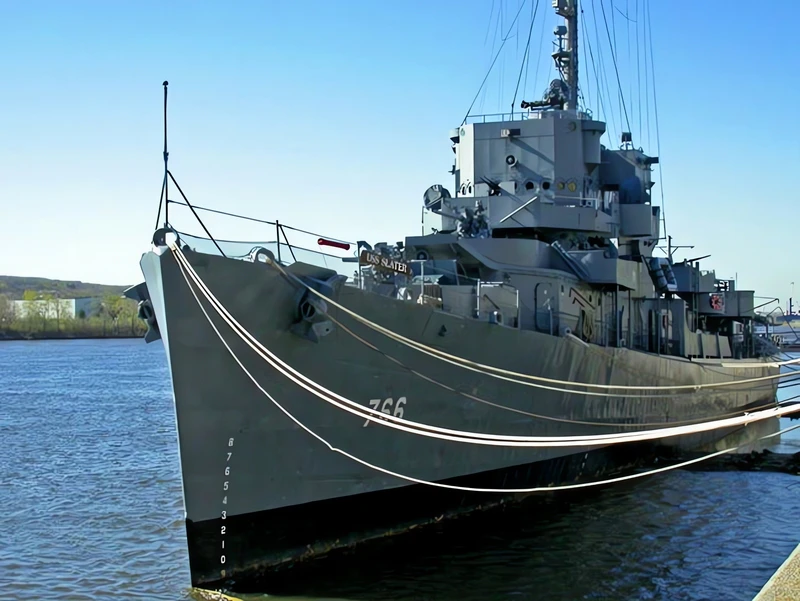
USS Slater | |
|---|---|
| Χώρα | Ηπα |
| Κατηγορία | Συνοδεία αντιτορπιλικού κλάσης κανονιού |
| Ξεκίνησε | 20 Φεβρουαρίου 1944 |
| Αναγνώριση | ΔΕ-766 |
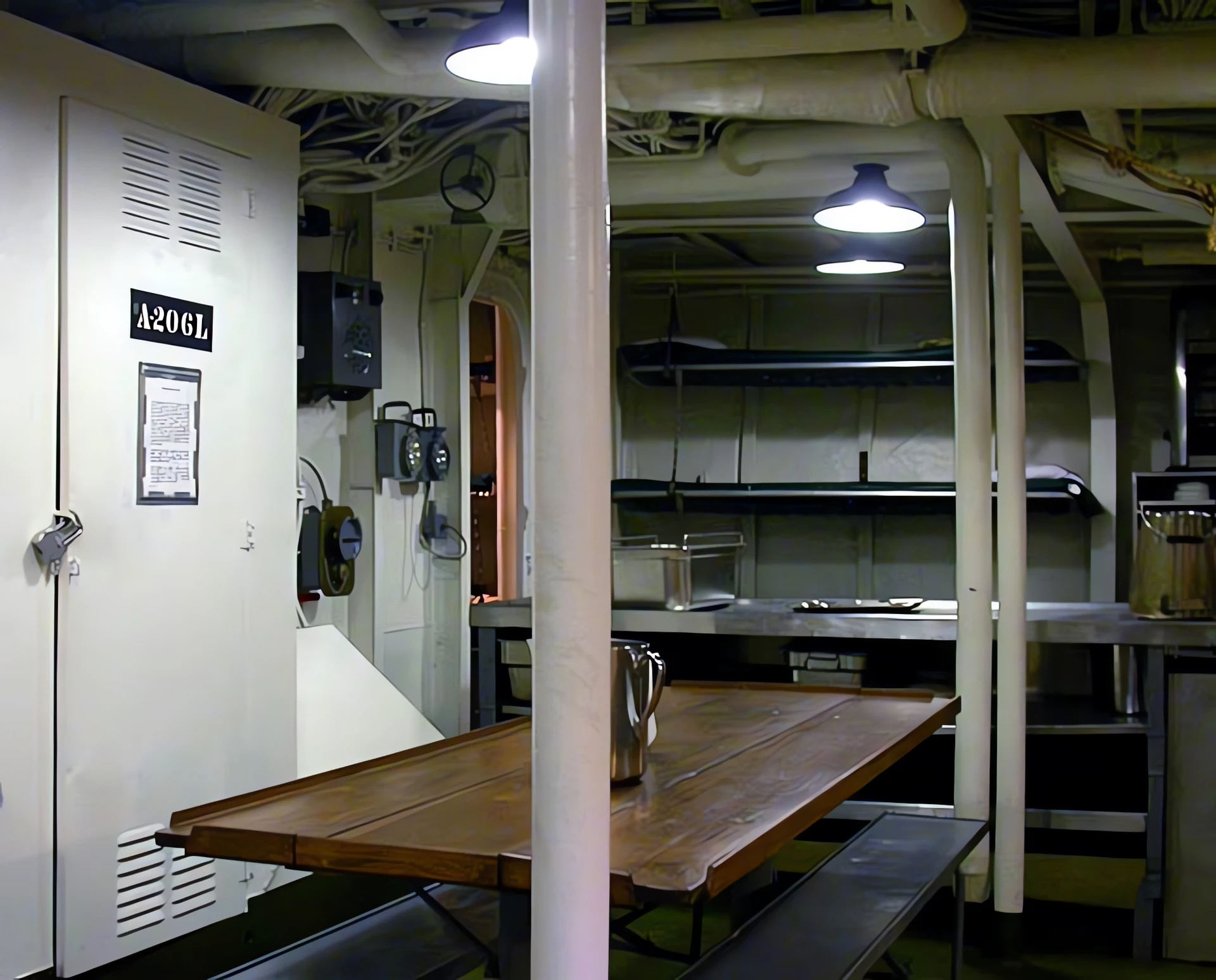
USS Σλέιτερ (DE-766) is a Cannon-class destroyer escort that served in the United States Navy and later in the Hellenic (Greek) Navy. The ship was named for Frank O. Slater of Alabama, a sailor killed on the cruiser USS San Francisco during the Naval Battle of Guadalcanal. He was posthumously awarded the Navy Cross for gallantry in action and the Purple Heart. Following service during World War II, the ship was transferred to Greece and renamed Aetos. Decommissioned in 1991, the destroyer escort was returned to the United States. USS Slater is now a museum ship on the Hudson River in Albany, New York, the only one of its kind afloat in the United States. (USS Stewart (DE-238) is exhibited at Seawolf Park in Galveston, Texas, but located on dry land and USS Atherton (DE-169) is still in service in the Philippine Navy.) Slater was designated a National Historic Landmark on 2 March 2012
Πηγή: USS Slater στη Wikipedia
| USS Slater DE-766 Destroyer Escort Walk Around | |
|---|---|
| Photographer | Bill Maloney |
| Localisation | Unknow |
| Photos | 180 |
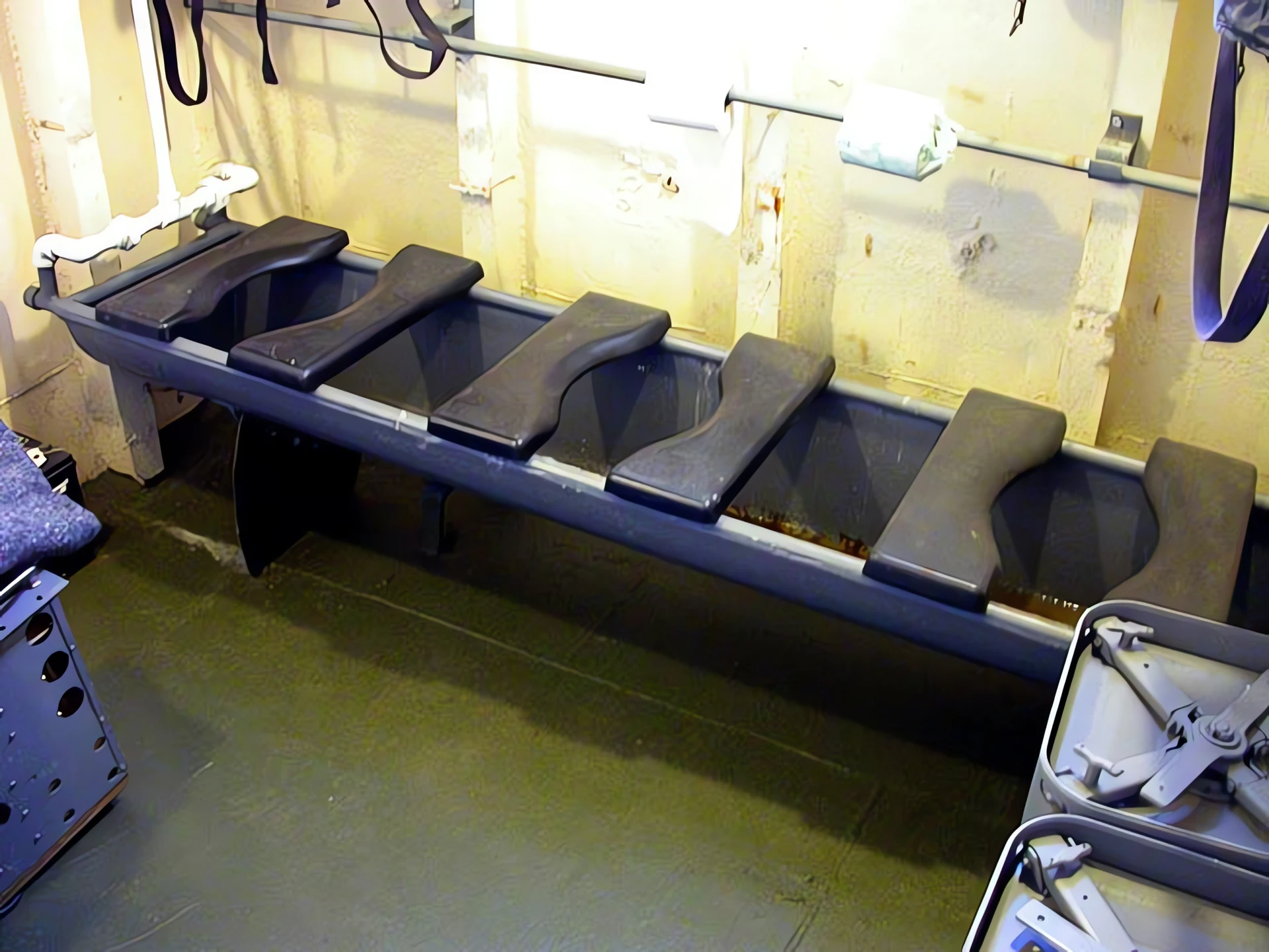
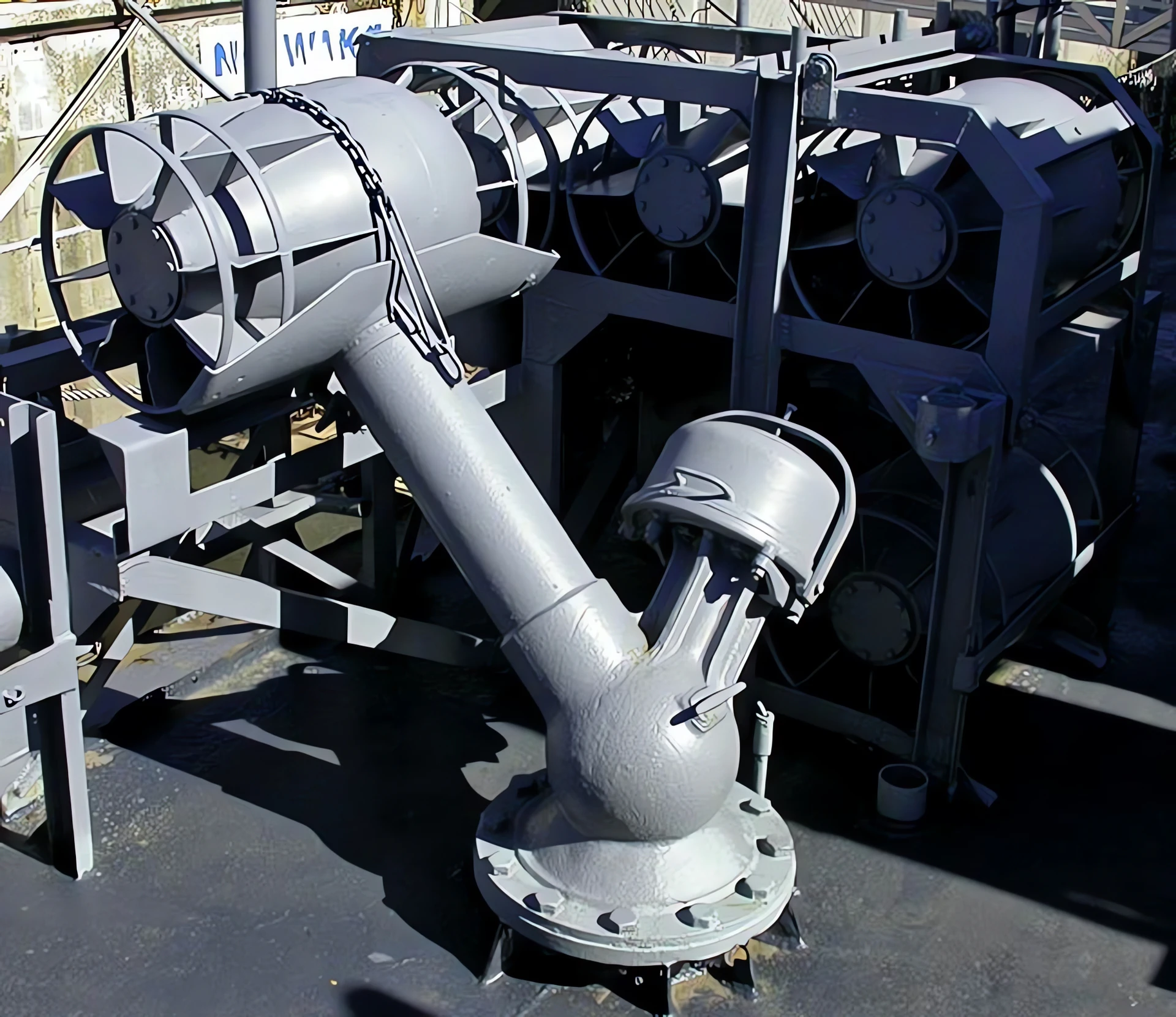
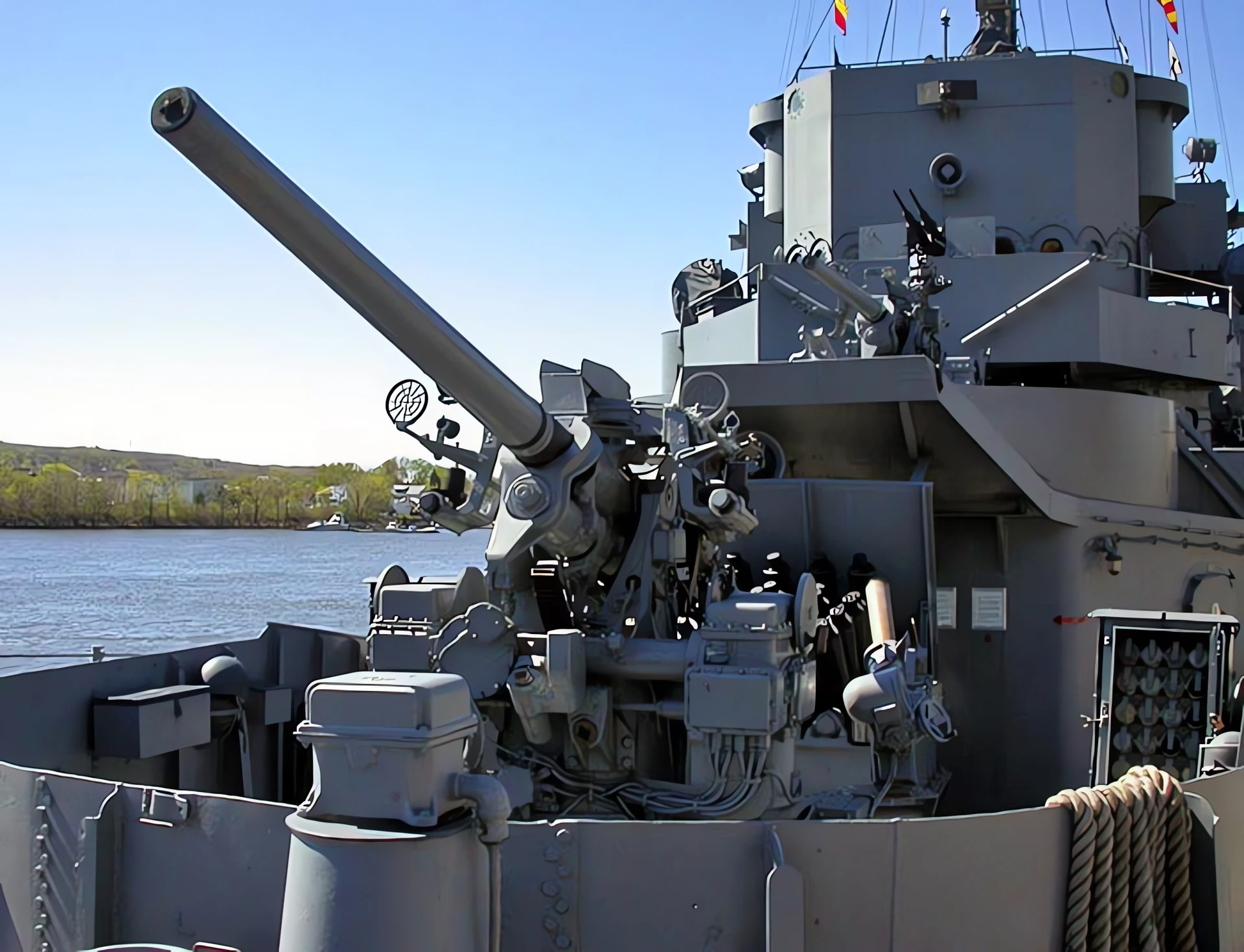
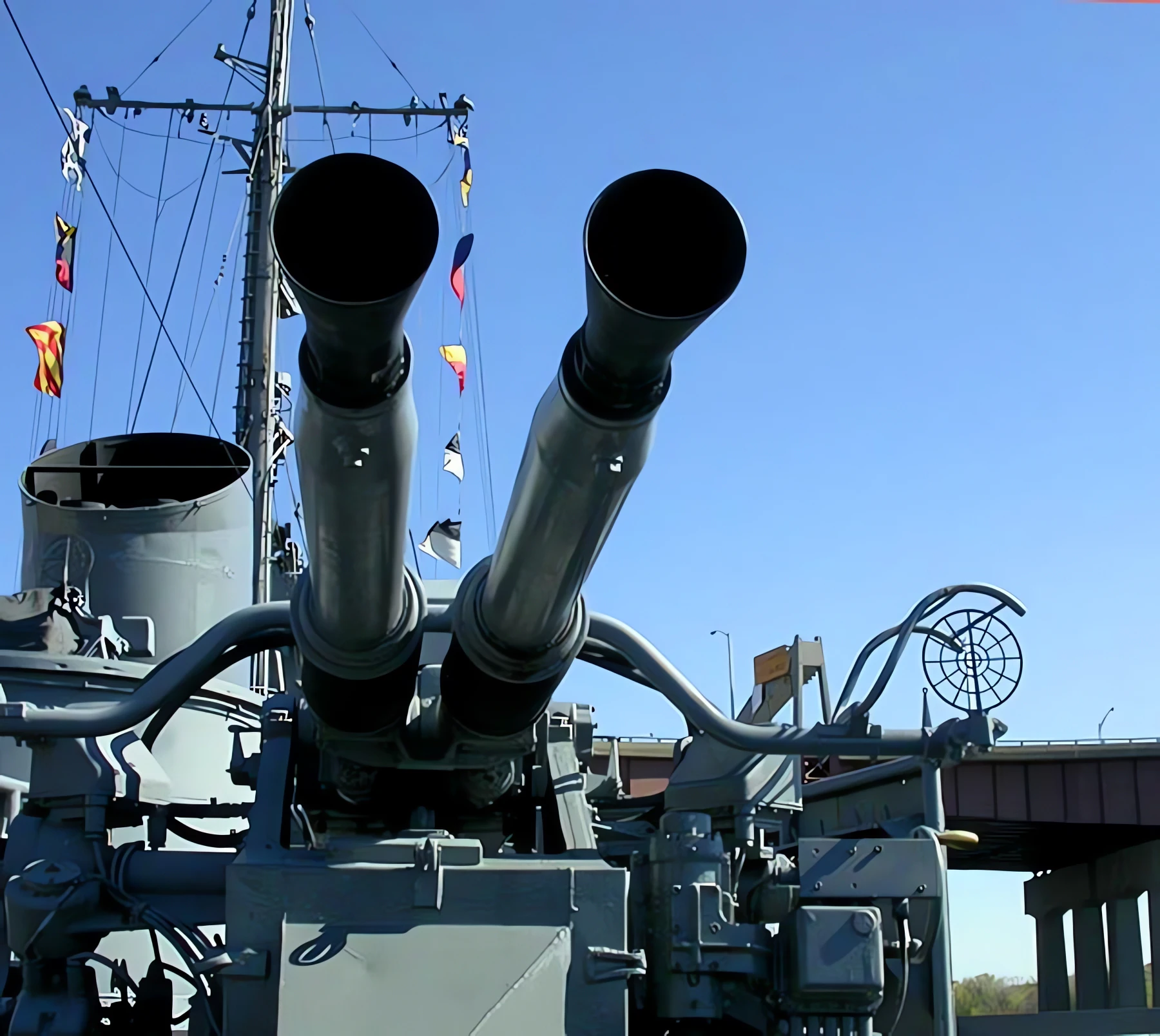

Δείτε επίσης:


General Characteristics and Role
The USS Slater (DE-766) is a Cannon-class destroyer escort built for the US Navy during World War II. Destroyer escorts were compact, mass-produced warships designed to be fast enough to protect slow merchant convoys from German U-boats in the Atlantic. The Cannon class was distinguished by its diesel-electric propulsion, which allowed for quiet, fuel-efficient cruising and was effective for anti-submarine warfare (ASW). The Slater served in the Atlantic and Pacific theaters. Following WWII, she was transferred to the Greek Navy (where she served as Aetos D01) before being returned to the US. Today, the USS Slater is preserved as a museum ship in Albany, New York, and is the last surviving U.S. destroyer escort afloat from World War II.
| Property | Typical Value (DE-766) |
|---|---|
| Class & Type | Cannon-class Destroyer Escort |
| National Origin | Ηνωμένες Πολιτείες |
| Ανατέθηκε | 1 May 1944 |
| Πλήρωμα | Approx. 15 Officers and 200 Enlisted |
| Propulsion | Diesel-electric drive (4 x GM diesel engines, 2 x electric motors) |
| Power Output | 6,000 shp (4,500 kW) |
| Μήκος | 93.3 m (306 ft 0 in) |
| Beam | 11.2 m (36 ft 10 in) |
| Displacement (Full Load) | Approx. 1,620 long tons |
| Ταχύτητα | 21 knots (39 km/h) |
Armament and ASW Focus
- Main Armament: 3 x 3-inch (76 mm)/50 caliber dual-purpose guns in single mounts.
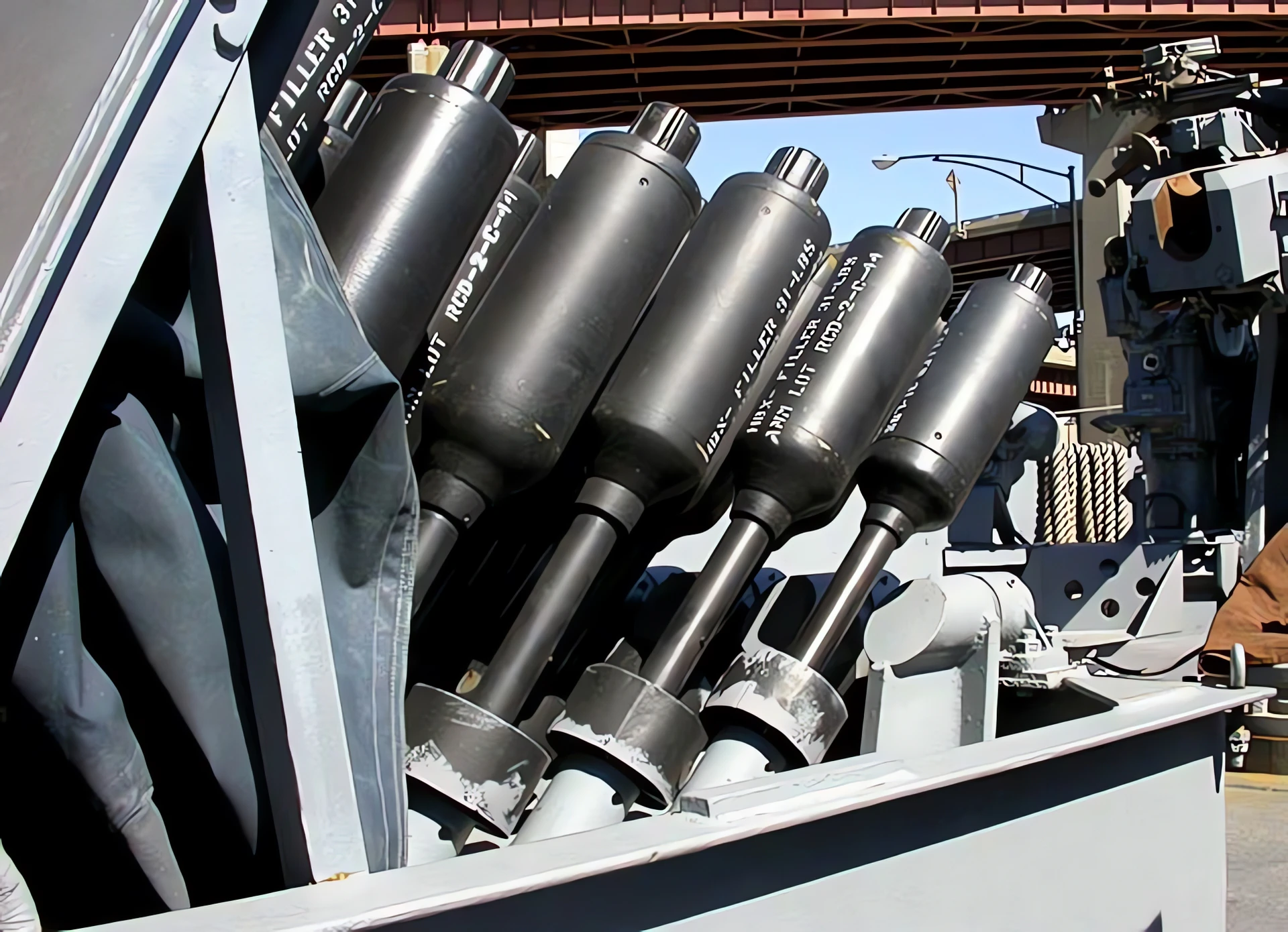
- Anti-Submarine: The primary offensive weapon was the Hedgehog forward-firing anti-submarine mortar.
- Anti-Submarine: 8 x K-gun depth charge projectors and a depth charge rack at the stern.
- Torpedoes: 3 x 21-inch (533 mm) torpedo tubes in a single mount (later removed).
- Anti-Aircraft: Various 40 mm Bofors and 20 mm Oerlikon guns.
Service and Preservation
- Wartime Service: Escorted convoys across the Atlantic and later provided naval gunfire support and screen duties during the invasion of Okinawa.
- Transfer: Transferred to the Royal Hellenic Navy (Greece) in 1951 and was returned to the US in 1993.
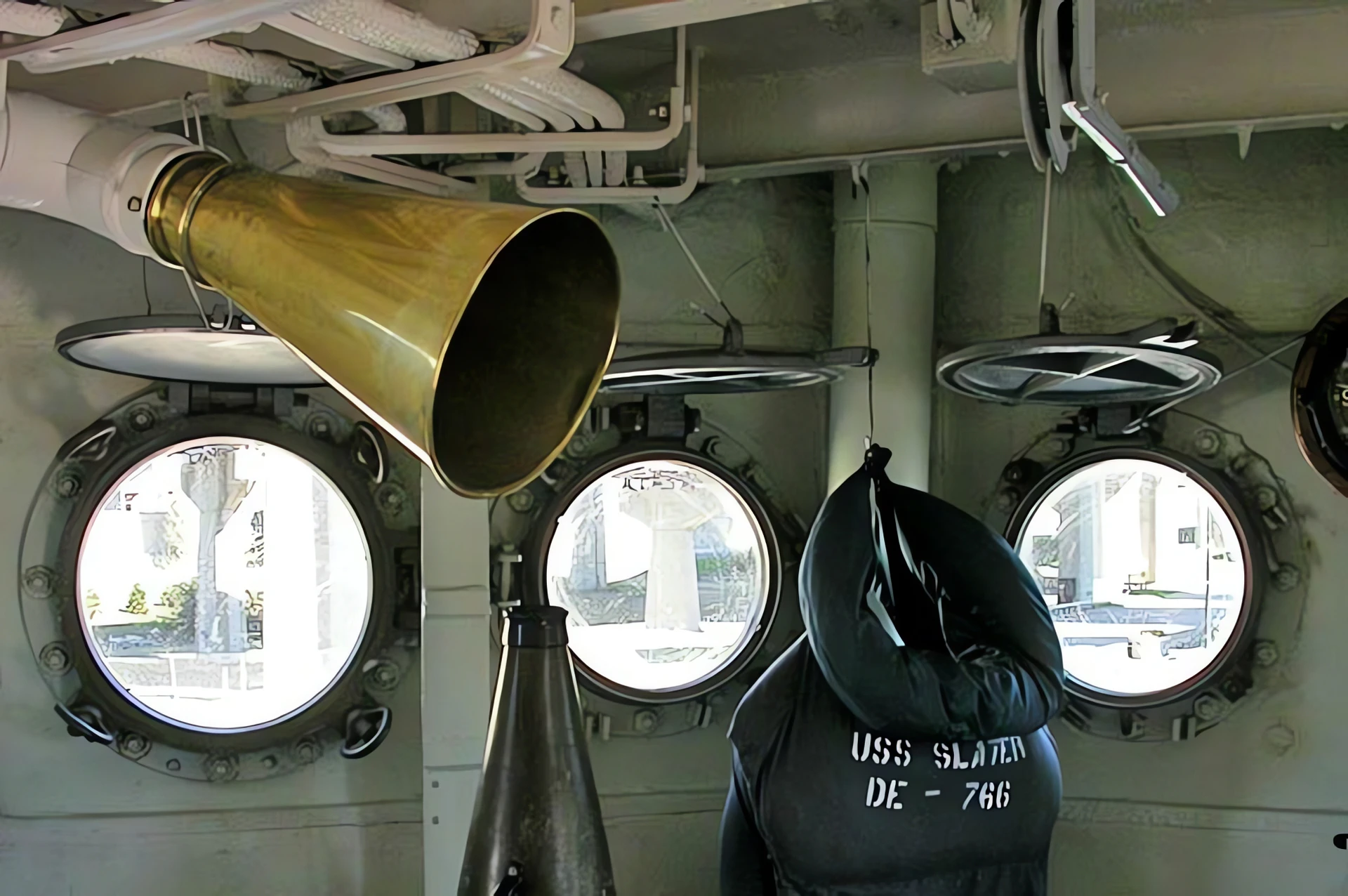
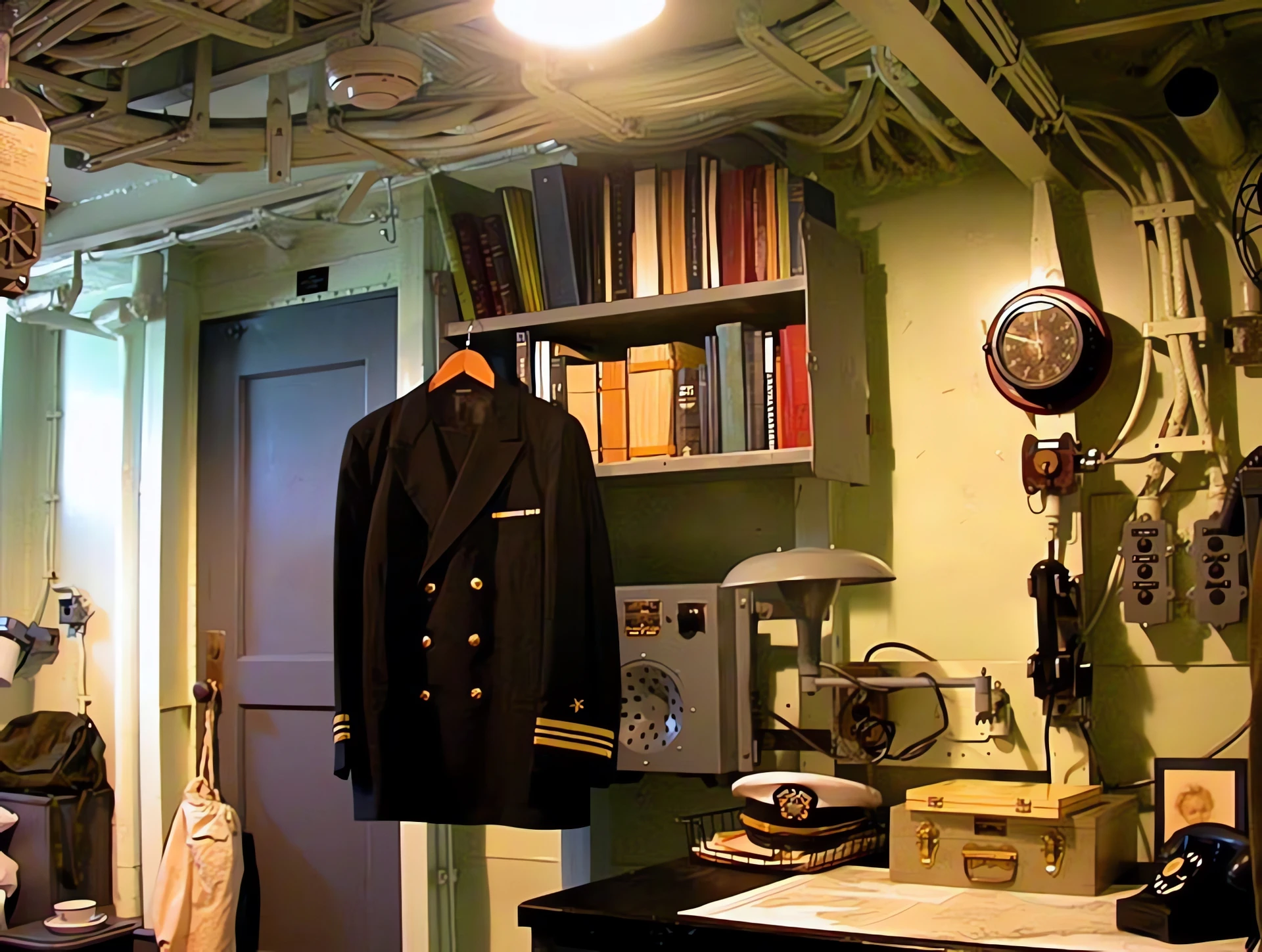
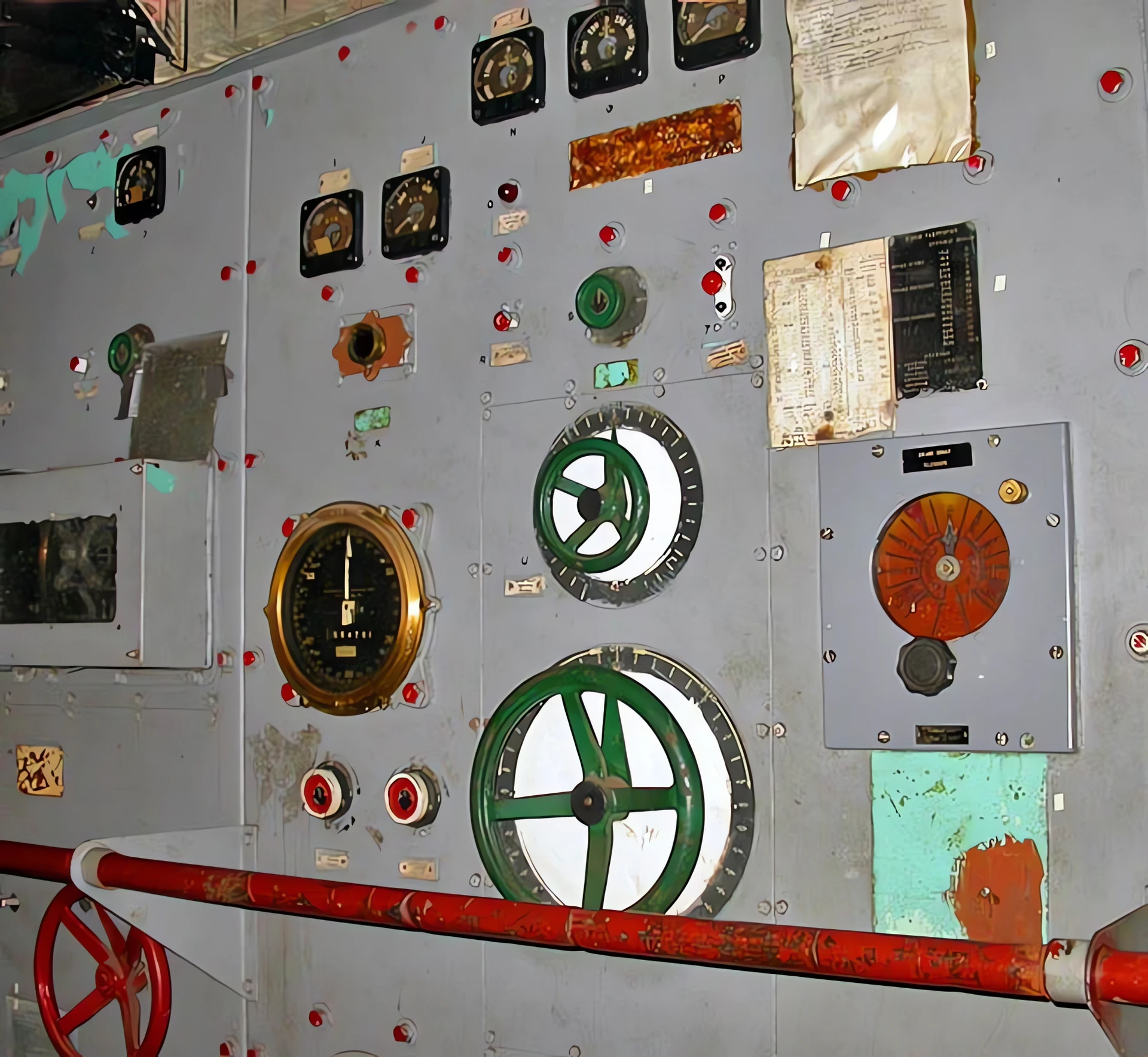
- Restoration: She was meticulously restored by destroyer escort veterans, who brought her back to her 1945 configuration, demonstrating the crucial, often unsung, role of these vessels in winning the Battle of the Atlantic.
- Museum Status: She is the only vessel of her kind preserved in the US, allowing visitors to experience the conditions of WWII naval service.
Views : 1256
Μπορείτε επίσης να δείτε:
 USS Preble (DDG-88) – Φώτο & Βίντεο
 JDS Yamagiri – Φώτο & Βίντεο
 JDS Σαγουαγιούκι – Φωτογραφίες & Βίντεο
 HMS Cavalier (R73) – Φώτο &; Βίντεο
 USS Laffey (DD-724) – Φώτο & Βίντεο
 SS Jeremiah O'Brien – Φώτο & Βίντεο
 USS Joseph P. Kennedy – Φώτο &; Βίντεο
 HMCS Haida – Φώτο & Βίντεο
 USS Blueback (SS-581) – Φώτο & Βίντεο
 USS Stockdale (DDG-106) – Φώτο & Βίντεο