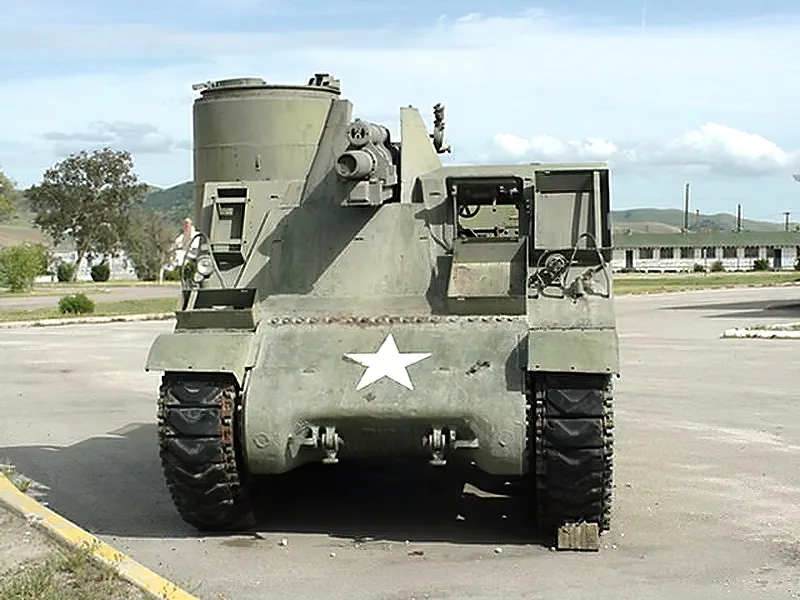
M7B2 Duhovnik | |
|---|---|
| Državi | Zda |
| Vrsta | Samohodna pištola |
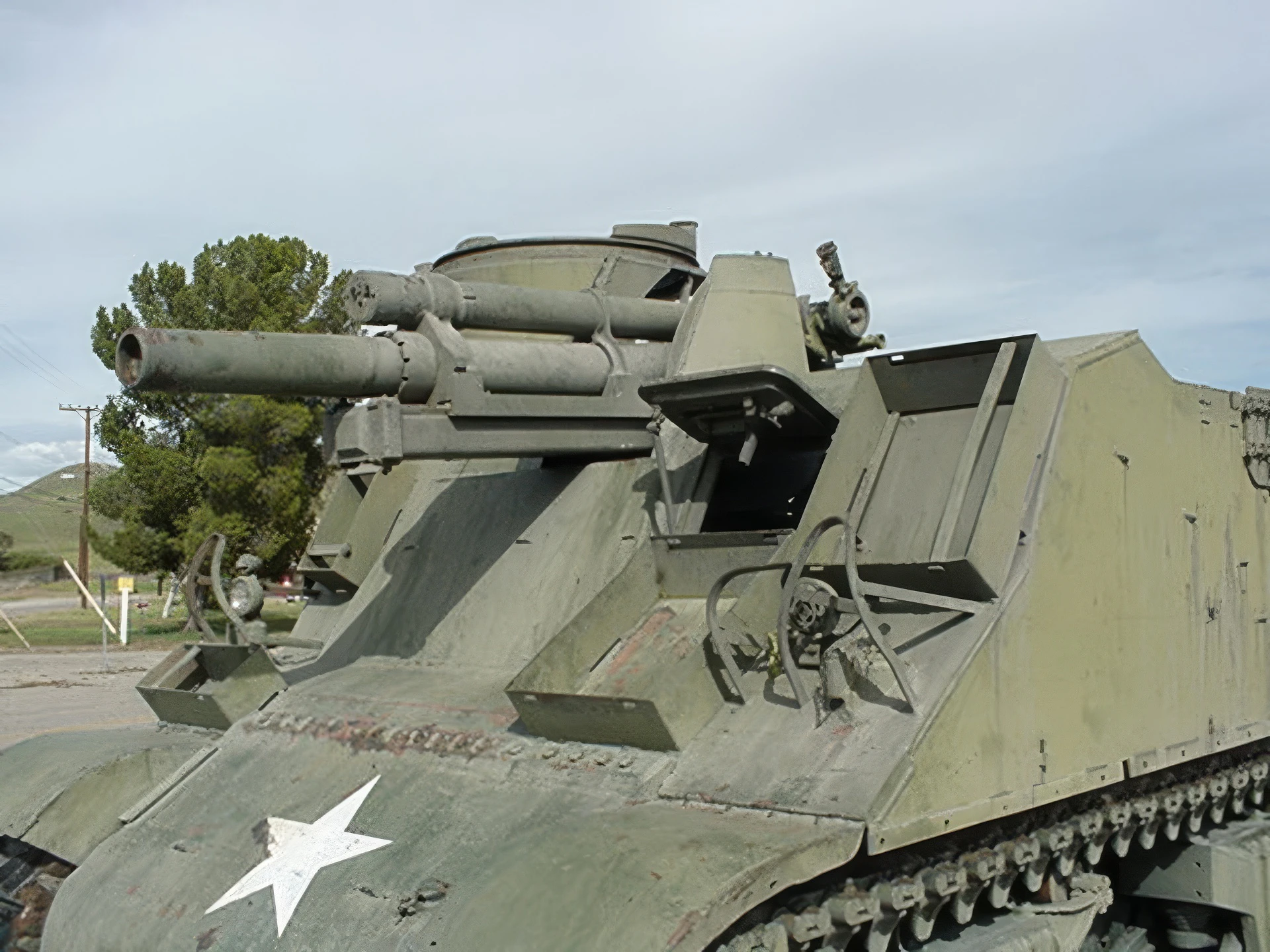
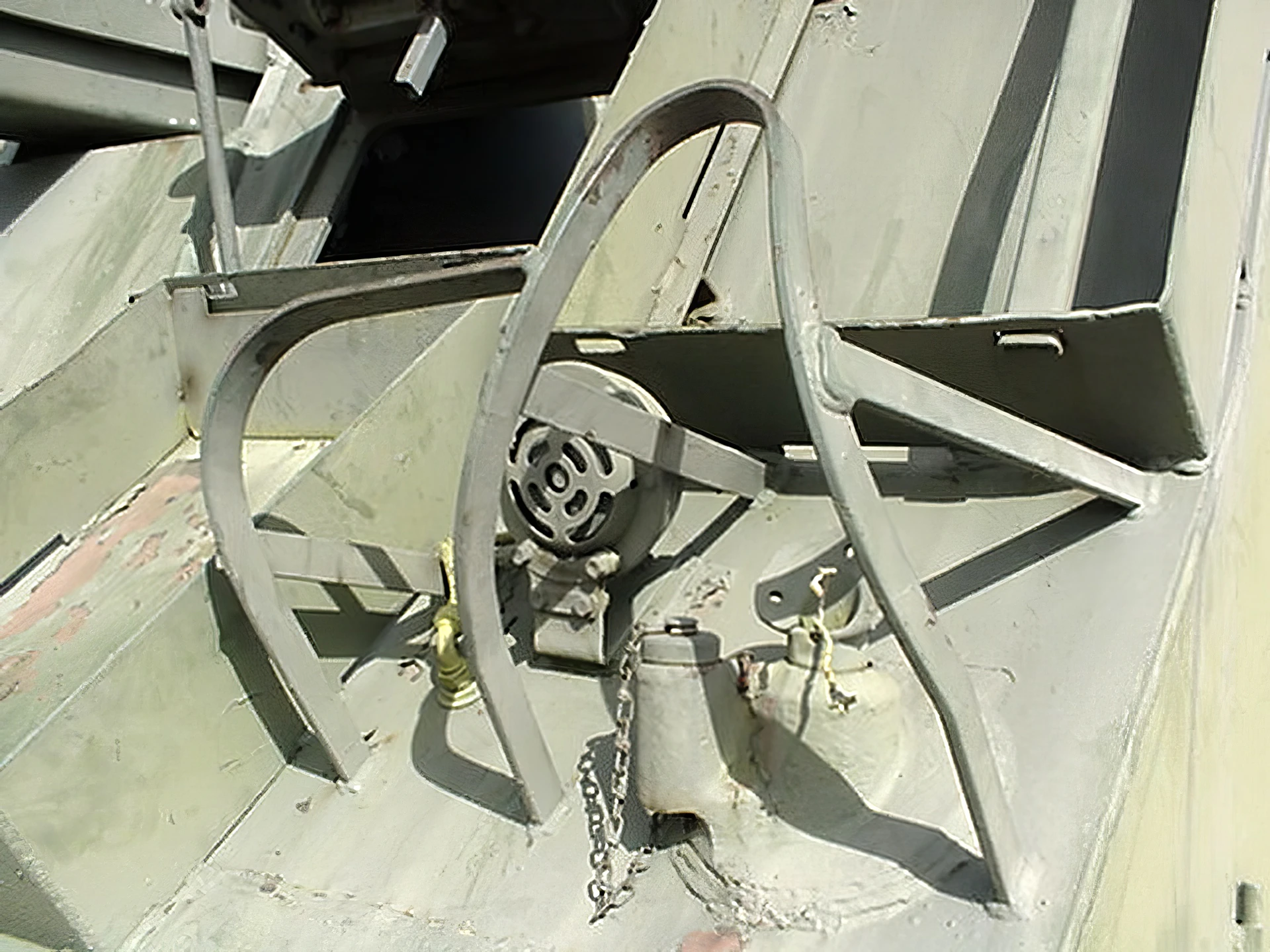
Uradno imenovan kot 105mm Howitzer Motor Carriage M7, M7 Duhovnik je samohodna pištola, ki so jo med drugo svetovno vojno proizvedle ZDA. Duhovnik je vzdevek, ki so ga dali Britanci, zaradi dejstva, da je mitraljez, postavljen na tirnico, dajal vtis, da je tank opremljen s prižnico. Bil je naslednik angleškega škofa in uradno so ga imenovali 105 mm SP Priest.
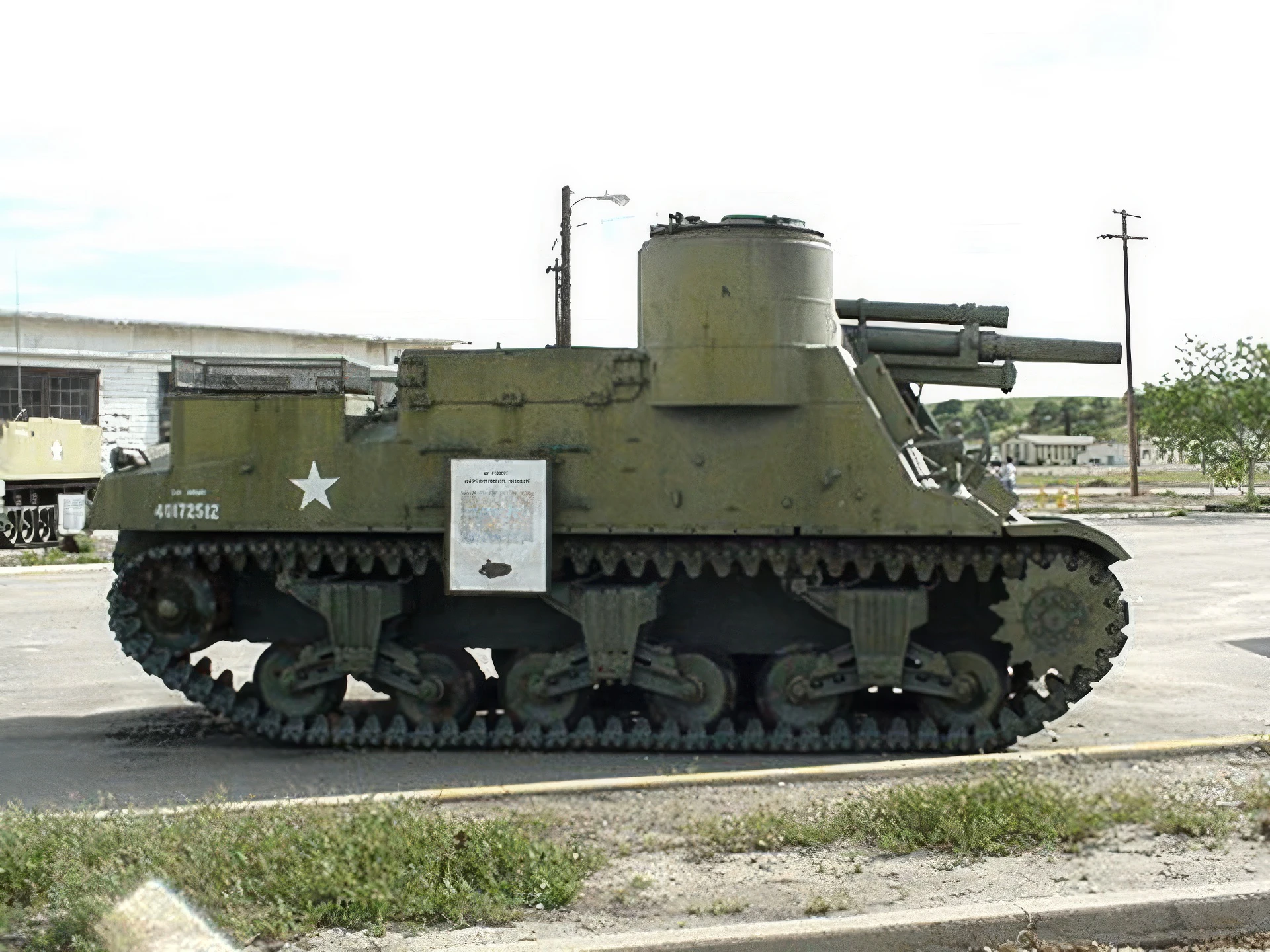
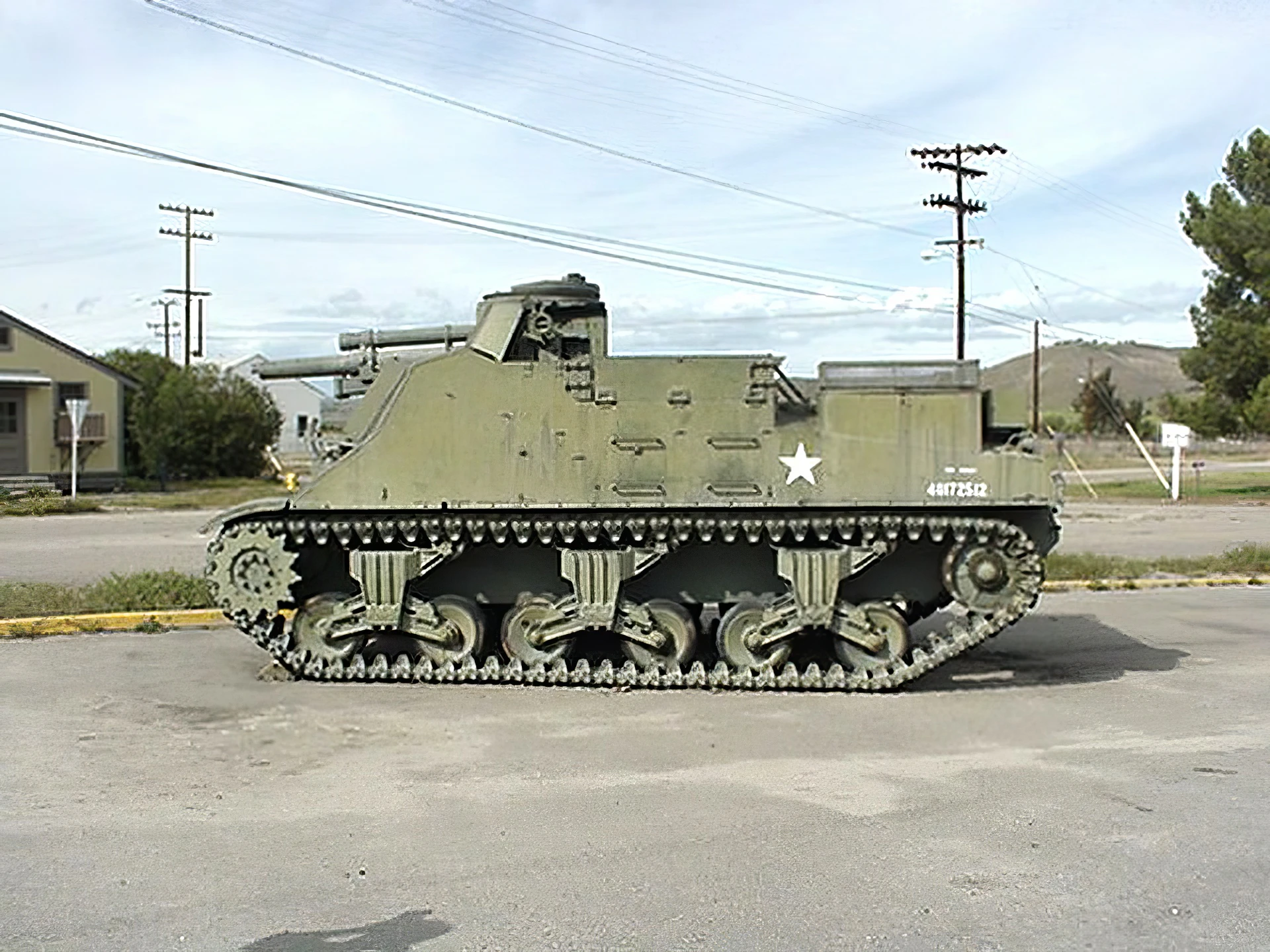
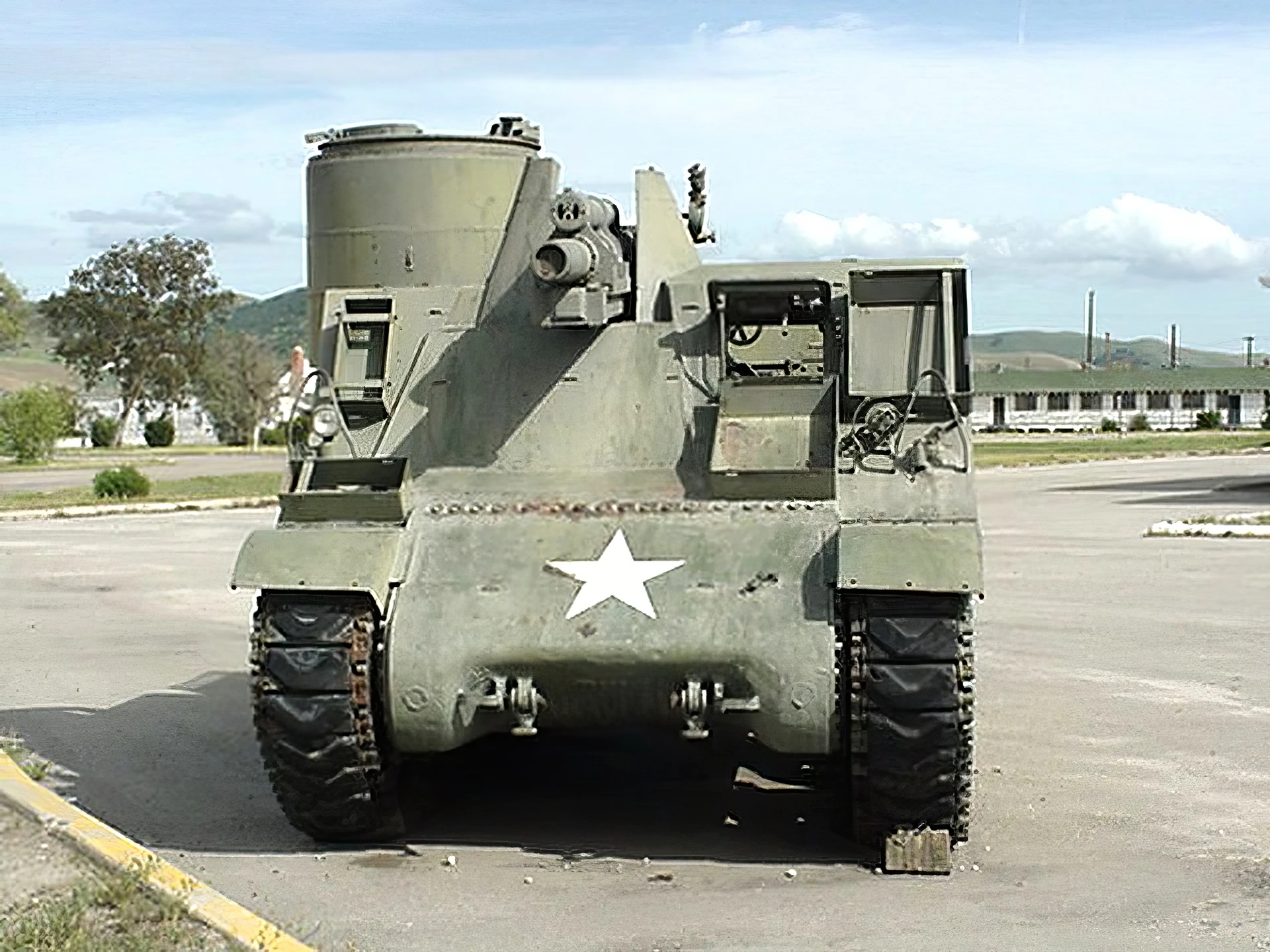
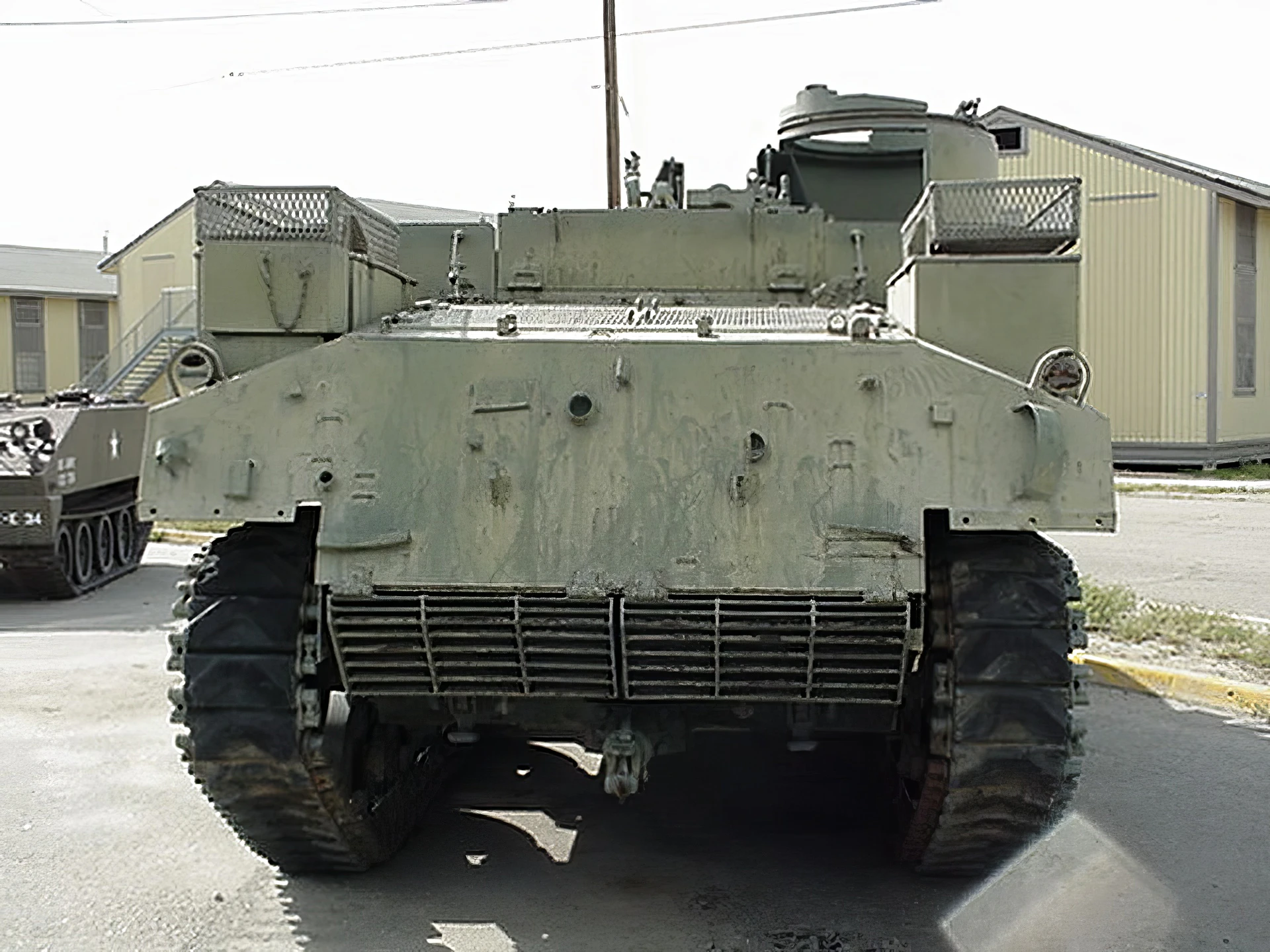
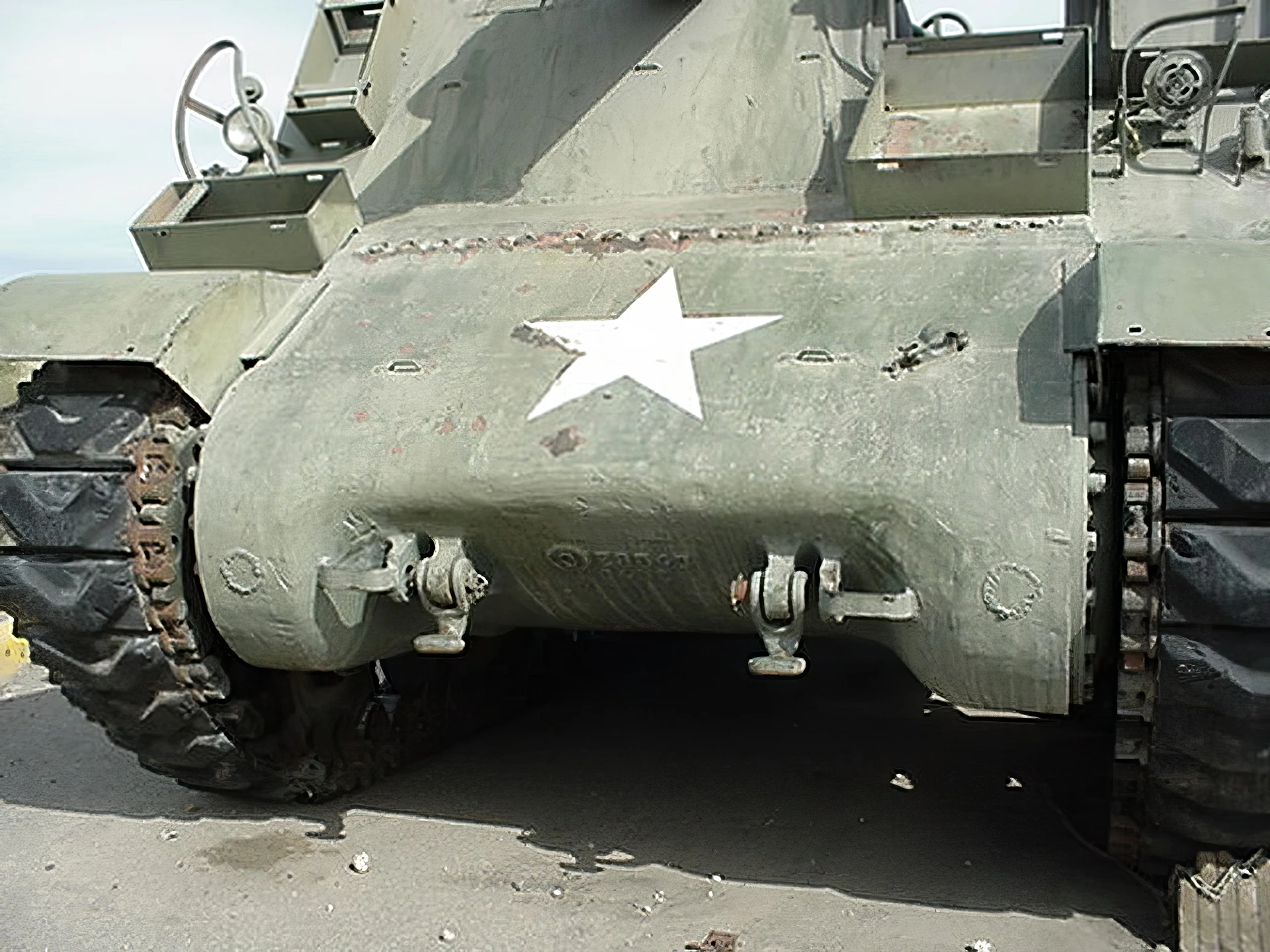
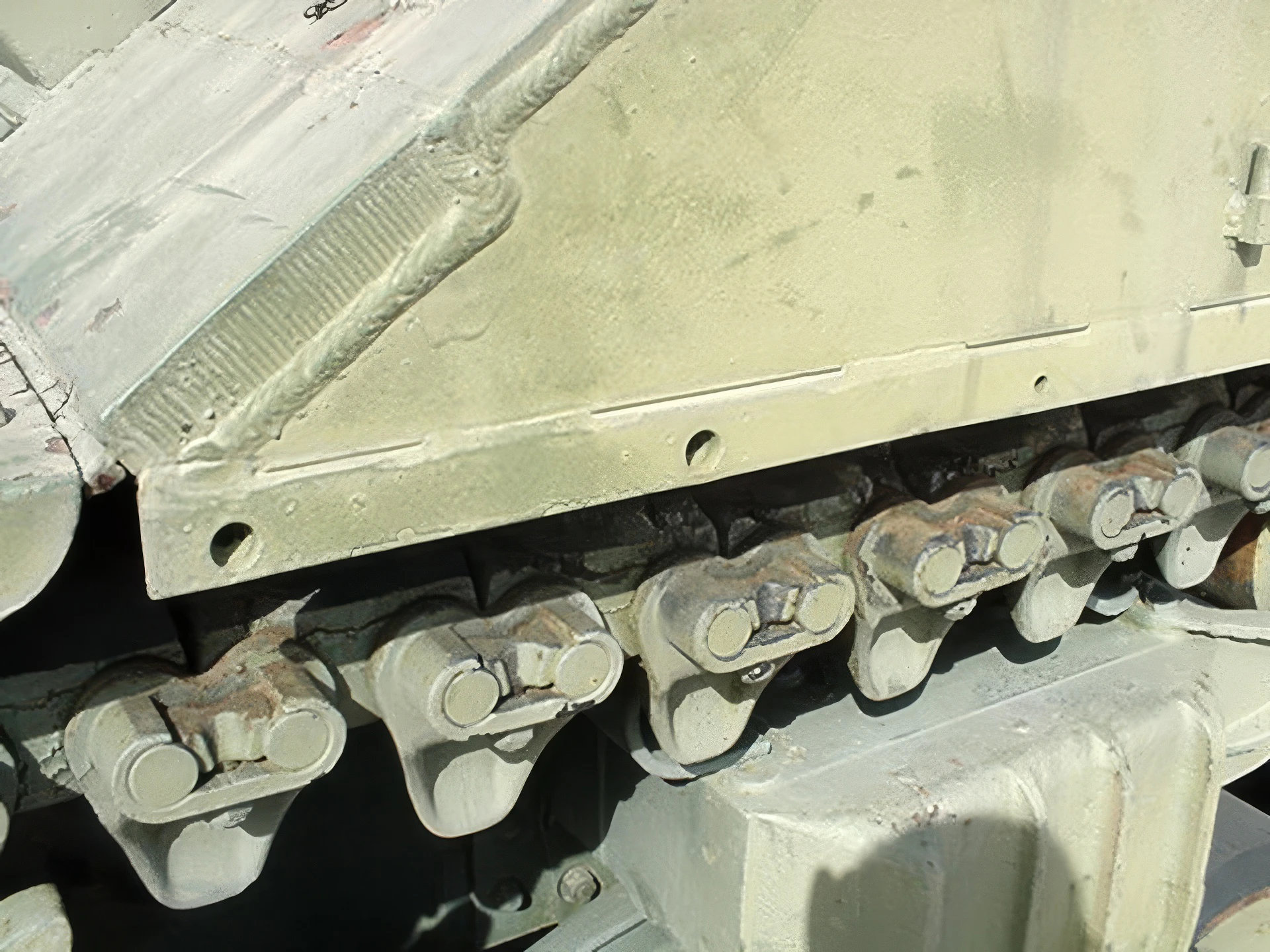
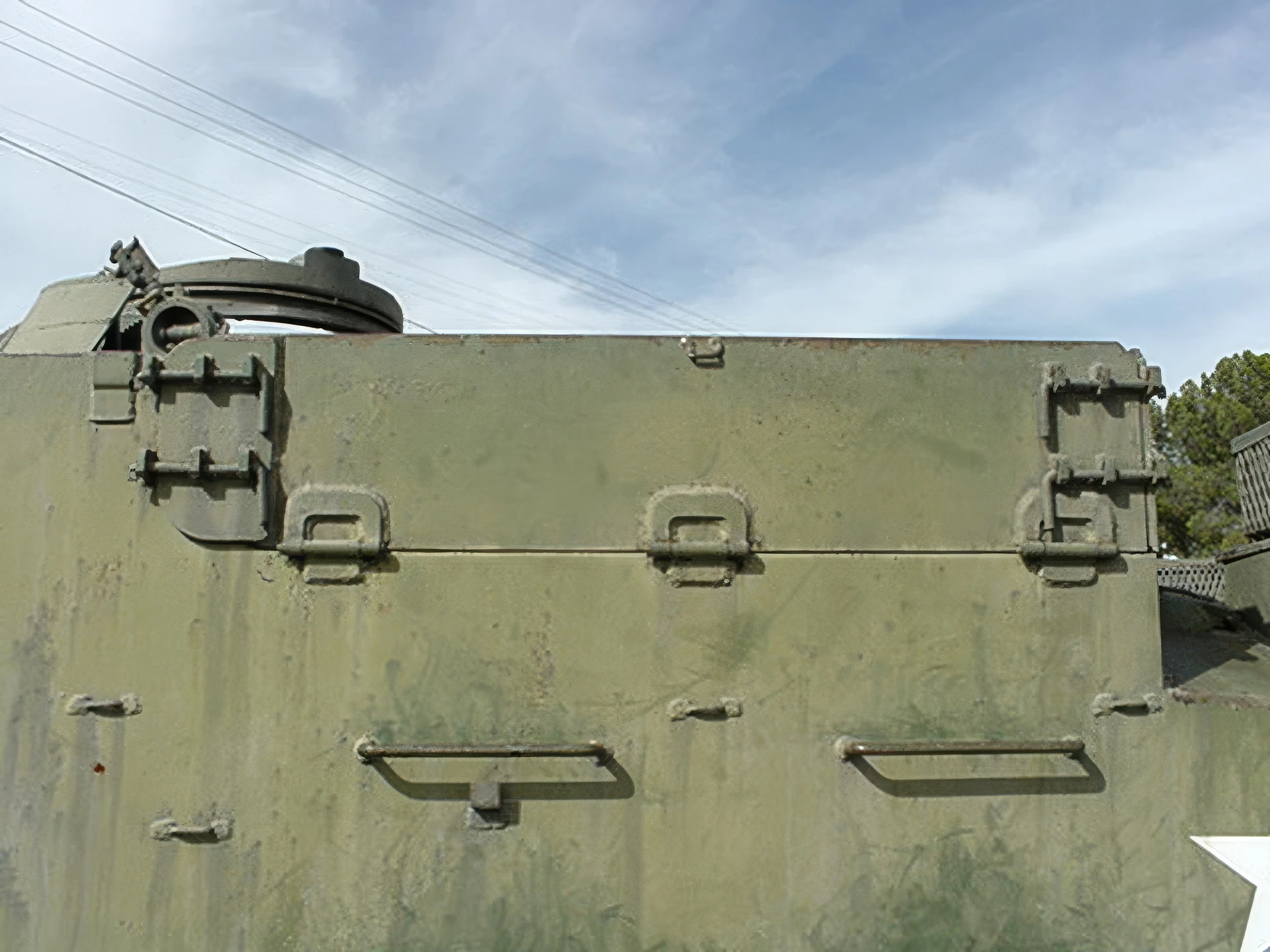

Tehnične značilnosti: Équipage : 7 Longueur : 6,02 m Largeur : 2,87 m Hauteur : 2,95 m Masse au combat : 22 970 kg Blindage : coque:51 mm avant Armement principal : Howitzer 105 mm M2A1 (69 obus) Armement secondaire : 1 Mitrailleuse Browning M2 de 12,7 mm (300 balles) Moteur : Wright (Continental) R975 C1 400 ch (299 kW) Suspension : ressorts verticaux en spirales Vitesse sur route : 40 km/h (24 en tout terrain) Puissance massique : 17,4 ch/tonne Autonomie : 193 km
| M7B2 Walk Around | |
|---|---|
| Fotograf | Unknow |
| Lokalizacijo | Neznano |
| Fotografije | 25 |
Glej tudi:


Development and Design
The M7 was developed in 1941 to provide the US Army with a fully tracked, armored vehicle capable of delivering indirect fire. This was necessary because existing towed artillery could not keep up with the speed of armored advances.
- Chassis: The vehicle was initially built on a modified M3 Lee medium tank chassis. Later versions, like the M7B1, transitioned to the more advanced M4 Sherman chassis.
- Armament: The main weapon was the powerful 105 mm M2 Howitzer, mounted in an open-topped superstructure. This allowed the gun crew to operate with high elevation for indirect fire.
- Secondary Weapon: A unique feature was the “pulpit-like” mount for a .50 caliber M2 Browning heavy machine gun, which provided anti-aircraft defense and close-range protection for the crew.
- Mobility: Despite its size, the M7’s tracked chassis gave it excellent off-road mobility, allowing it to move quickly to new firing positions (a tactic known as “shoot-and-scoot”).
Operational History
The M7 Priest served with US, British, and Commonwealth forces in every major theater of World War II, starting with combat debut in the North African campaign.
- North Africa and Italy: It was first used in the Second Battle of El Alamein by the British Eighth Army, proving its value immediately by providing rapid, effective fire support.
- Western Front: During the Normandy invasion (D-Day) and the subsequent drive across Europe, the M7 was a standard component of US armored divisions. It provided devastating preparatory and supporting fire, often firing high-explosive shells, smoke rounds, and occasionally, anti-tank rounds.
- Pacific Theater: The M7 was also used effectively in the Pacific, where its high-trajectory howitzer could fire over dense jungle to hit Japanese fortifications and provide close support for infantry assaults.
- Post-War Service: The M7 Priest remained in service with many armies worldwide into the 1950s, seeing action again in the Korean War.
Specifications (M7 Priest)
| Characteristic | Specifikacija |
|---|---|
| Official Designation | 105 mm haubički motorni voziček M7 |
| Vrsta | Self-Propelled Howitzer (SPG) |
| Masa | 22.9 metric tons (22.5 long tons) |
| Posadke | 5–6 (Commander, Driver, Gunner, Loader, etc.) |
| Main Armament | 105 mm Howitzer M2A1 |
| Motor | Continental R975 C1 9-cylinder radial gasoline engine (350–400 hp) |
| Max Speed (Road) | 42 km/h (26 mph) |
| Razpon | 190 km (120 miles) |
Ogledi : 3167
Prav tako si lahko ogledate:
 Howitzer 149-19 – Photos & Video
 15 cm sFH 13 – Sprehod naokoli
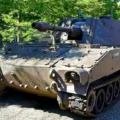 M108 howitzer – Fotografije & Video posnetki
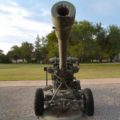 M119 howitzer – Fotografije & Video posnetki
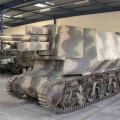 105mm leFH auf Hotchkiss 39H – Fotografije & Video
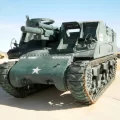 M7B1 Priest – Sprehod Okoli
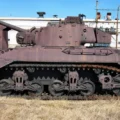 M7 Light Tank – WalkAround
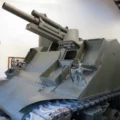 M7B2 Priest – Sprehod Okoli
 M7 Duhovnik – Hoja
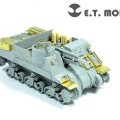 Nastavite US M7 Priest Mid Prod – E.T.MODEL E35-052