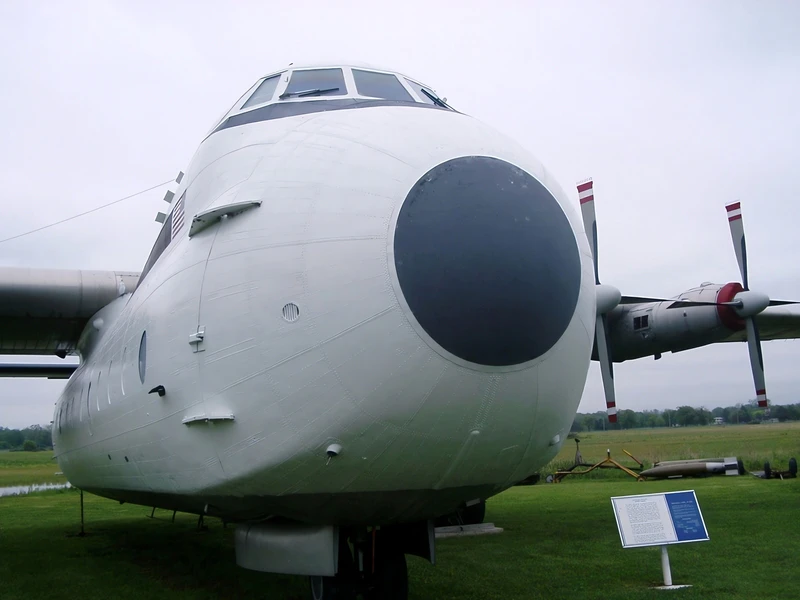
Armstrong Whitworth AW.660 Argosy | |
|---|---|
| Državi | Uk |
| Vlogo | Prevoz tovora |
| Prvi let | 8. januarja 1959 |
| Zgrajena | 74 |
V Armstrong Whitworth Argosy je bilo britansko povojno transportno/tovorno letalo, ki ga je zasnovalo in izdelalo letalsko podjetje Armstrong Whitworth Aircraft. Čeprav so imeli različne notranje oblikovne številke, sta bila civilna in vojaška modela AW.660 za večino praktičnih namenov enaka zasnova, medtem ko sta oba modela imela tudi ime "Argosy".
Hawker Siddeley Argosy E Mk 1: During 1963, Hawker Siddeley Group dropped the names of its component companies, rebranding its products under the Hawker Siddeley banner. To meet a requirement for a RAF flight inspection aircraft, nine Argosy C.1s were modified in 1971 as the Argosy E.1. These were a regular sight at British military airfields, being operated by 115 Squadron until they were replaced by the Hawker Siddeley Andover during 1978.
Vir: Armstrong Whitworth AW.660 Argosy na Wikipediji
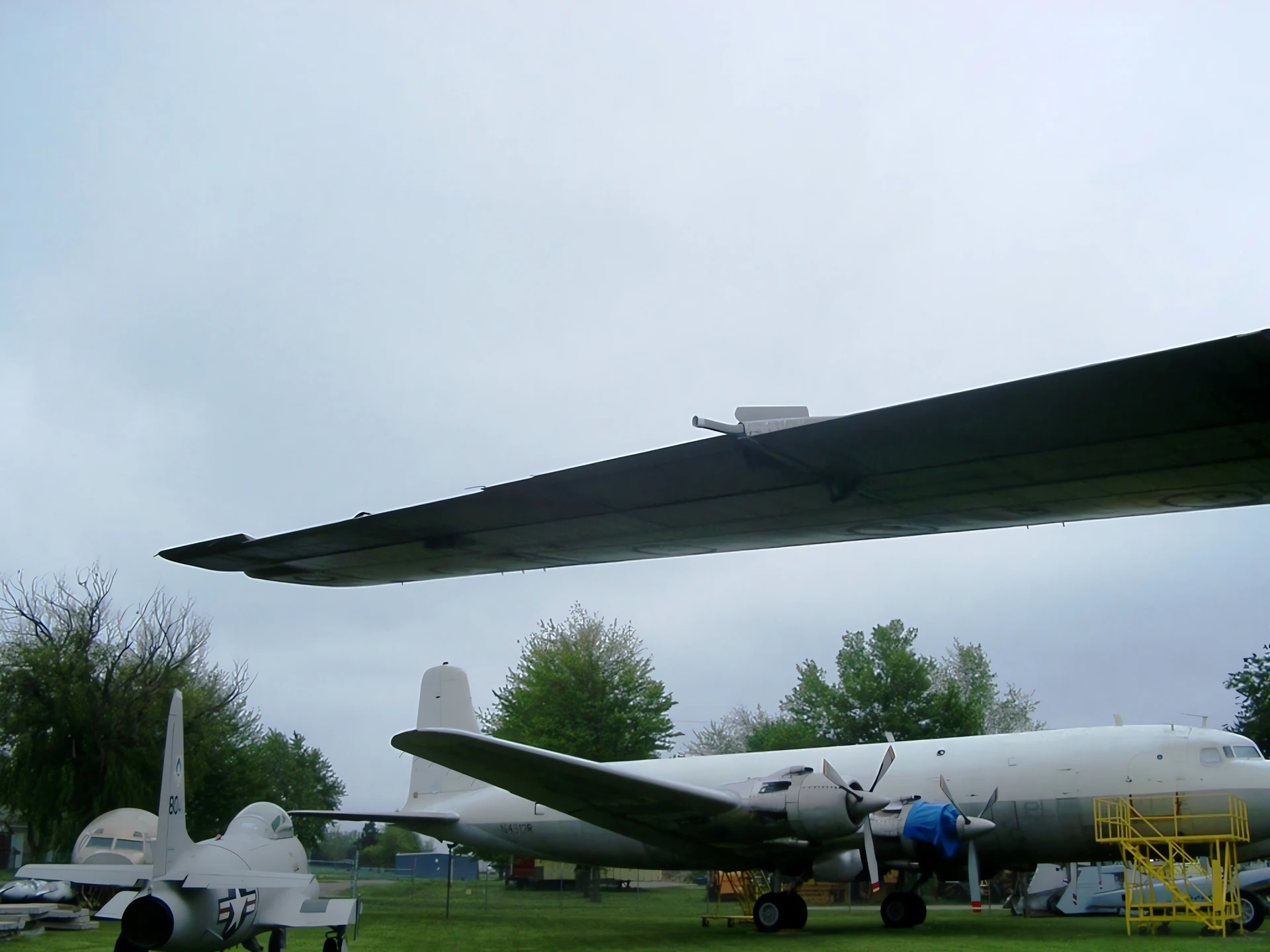
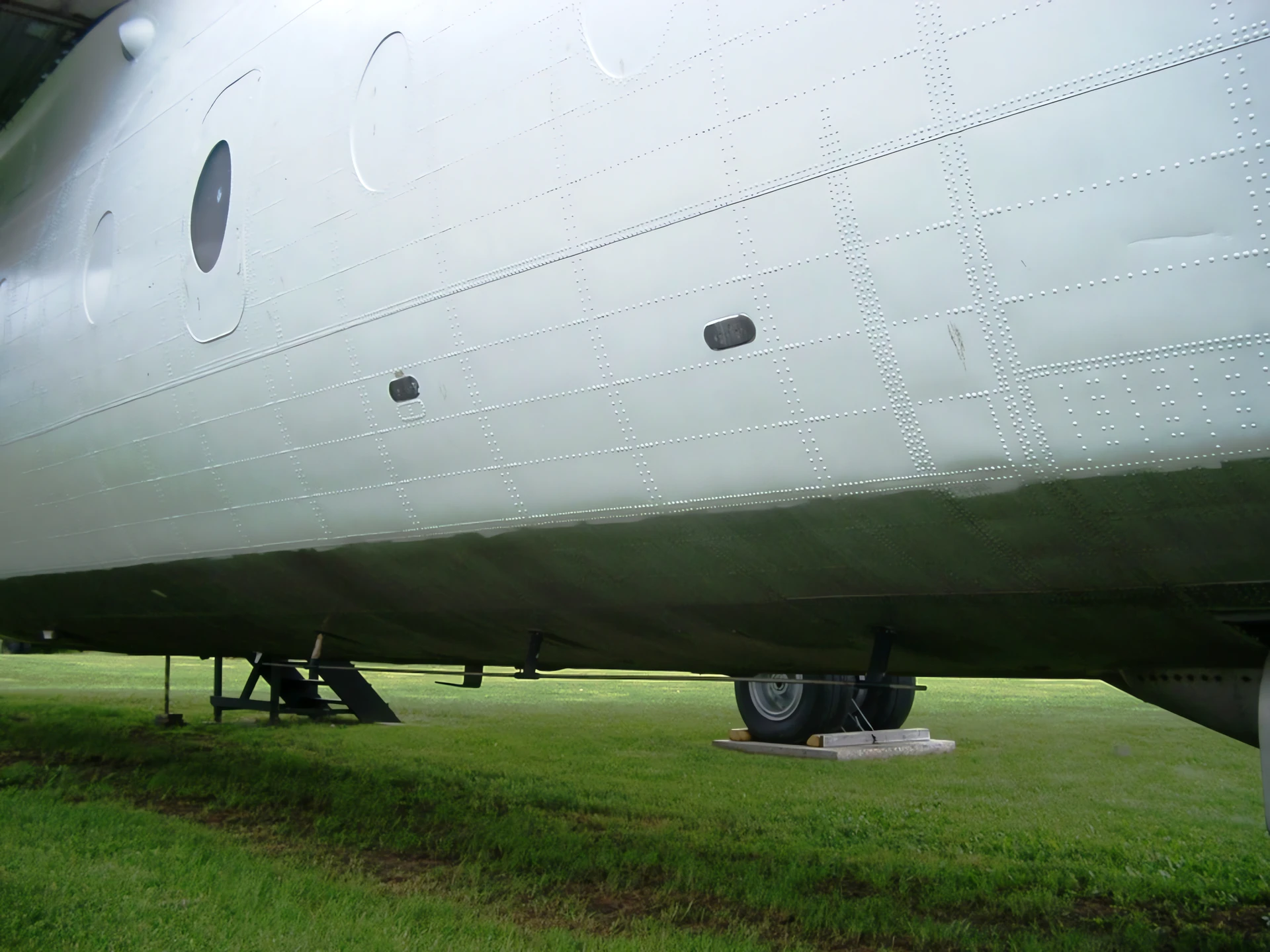
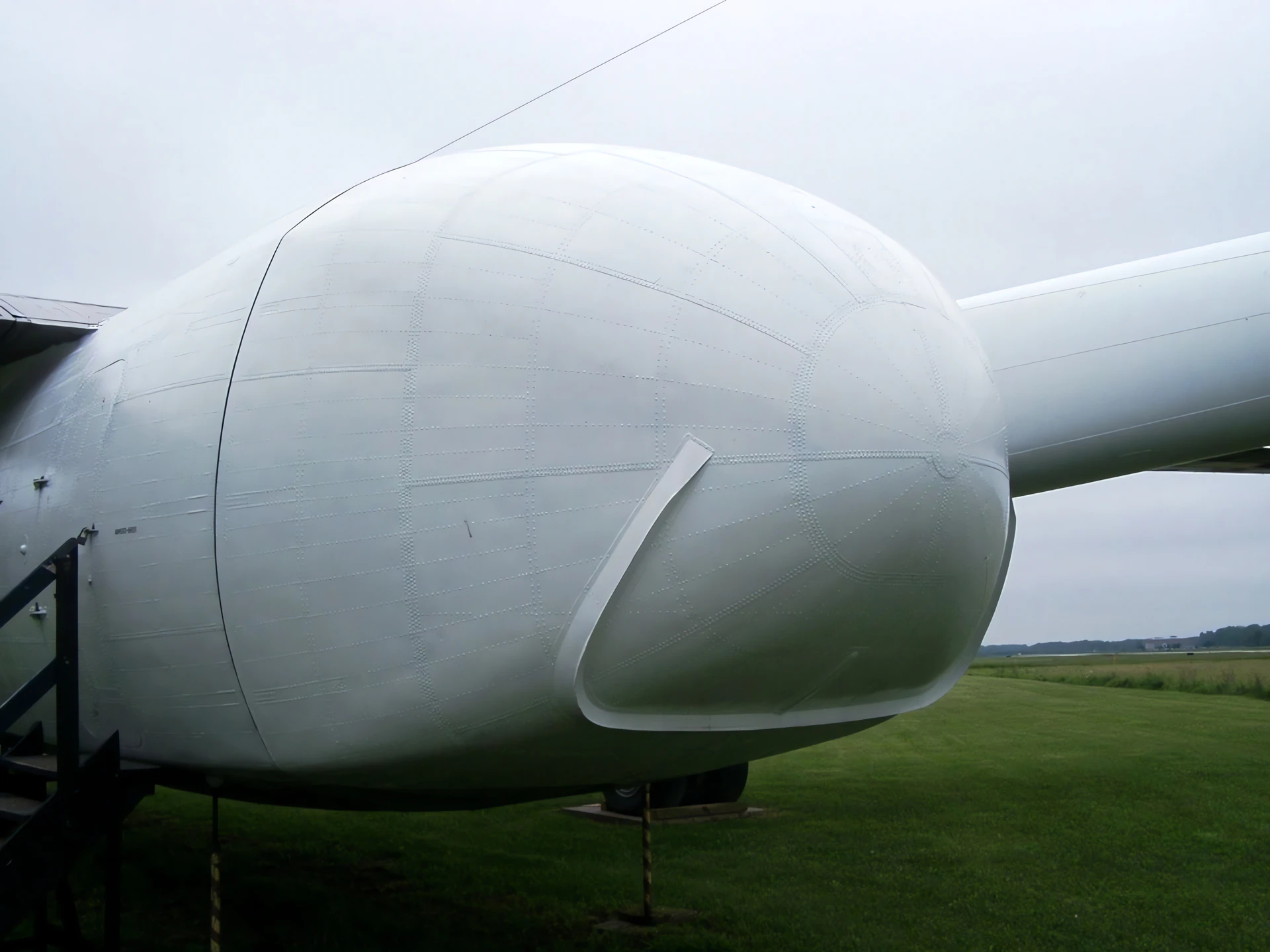
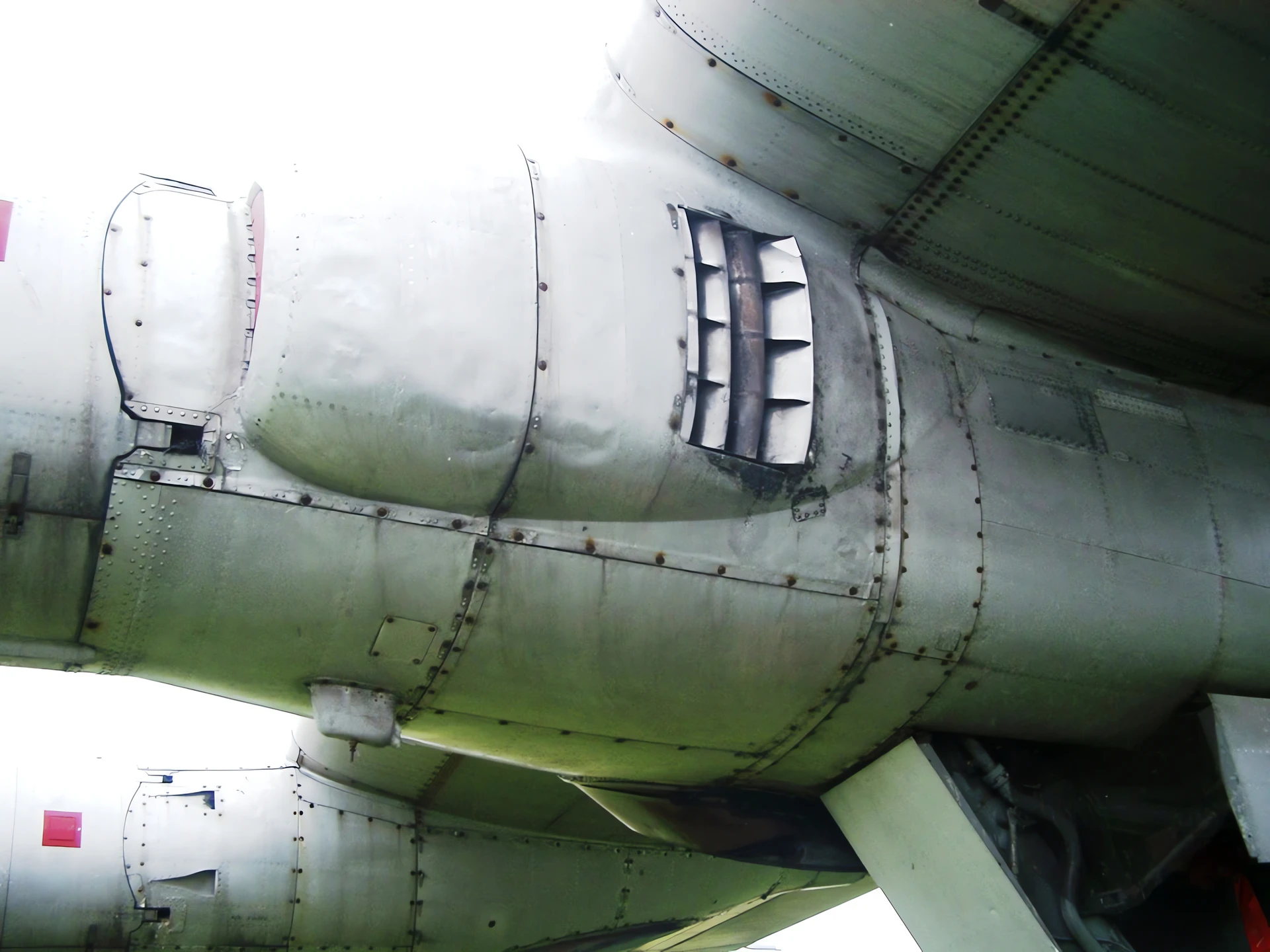
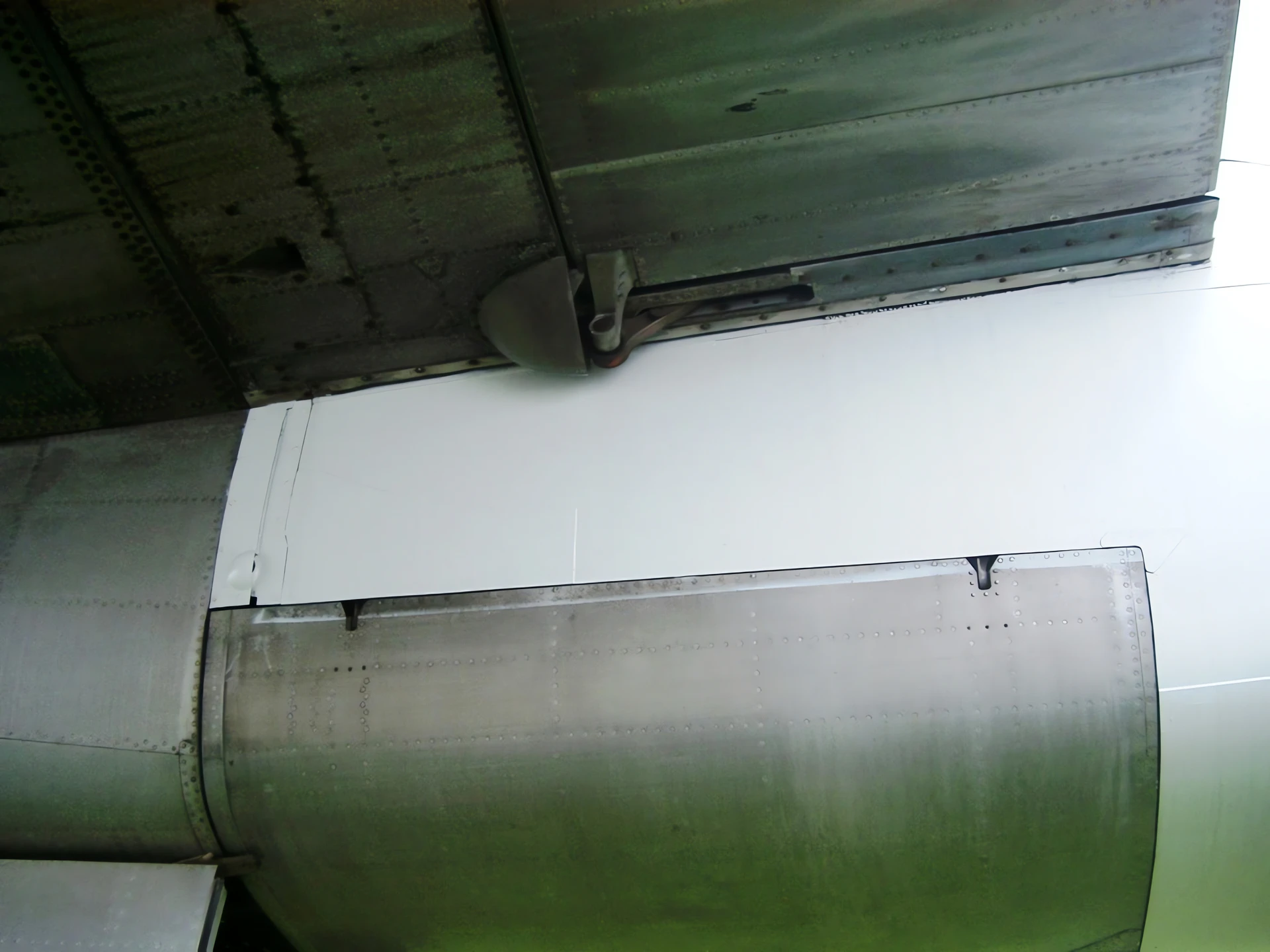
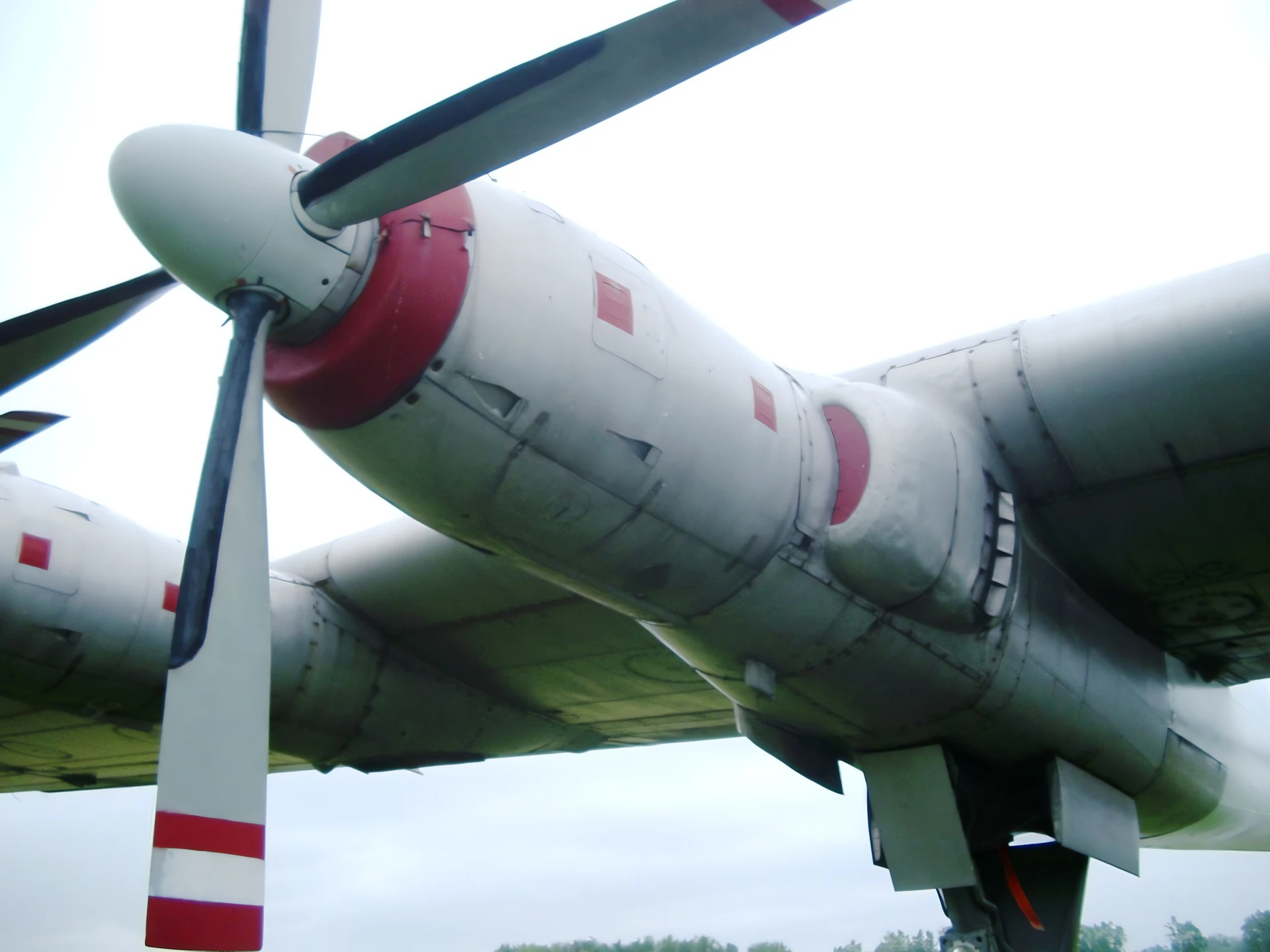
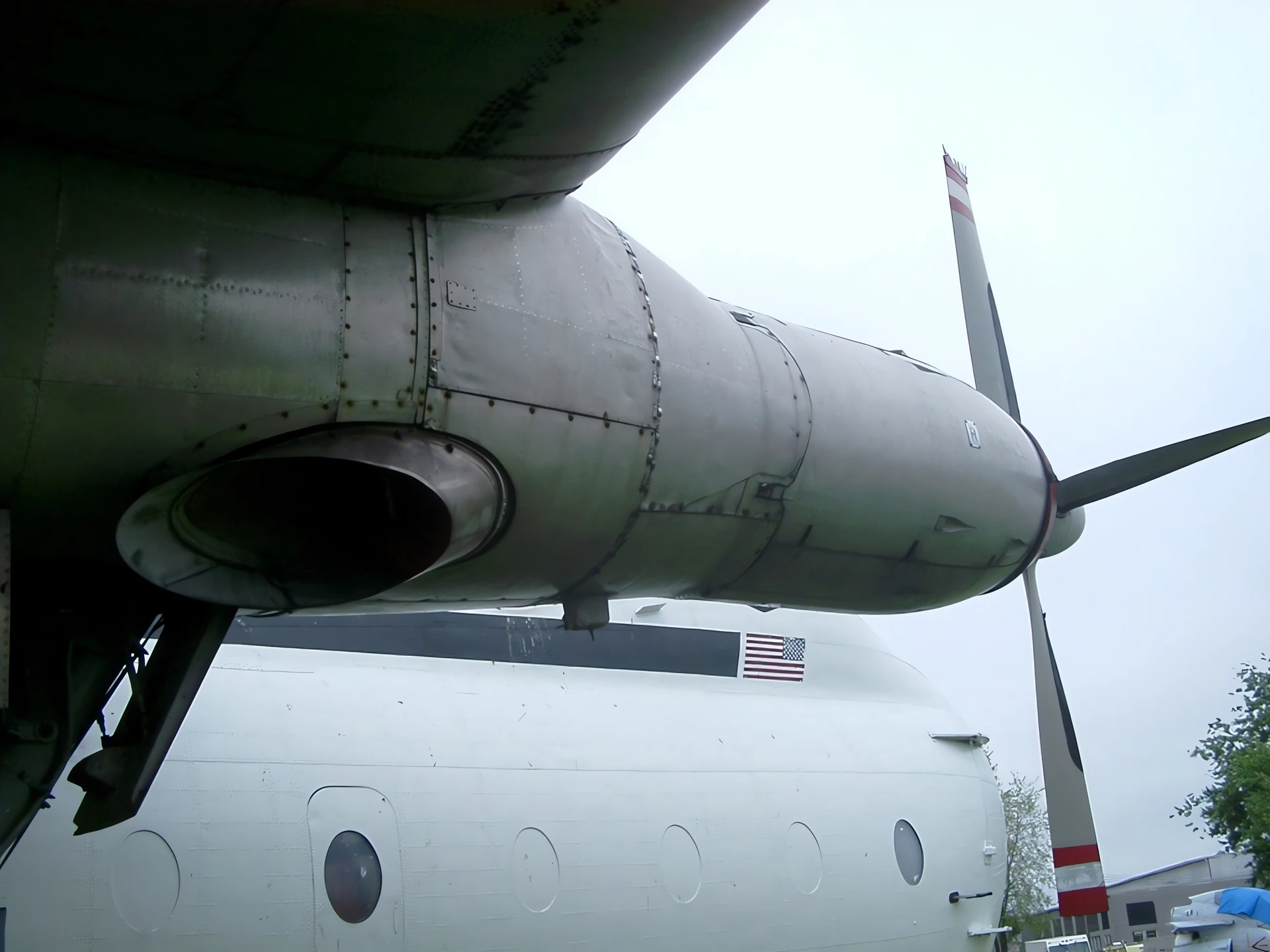
| Hawker Siddeley Argosy Walk Around | |
|---|---|
| Photographer | Howard Mason |
| Localisation | Yankee Air Museum |
| Photos | 51 |

Glej tudi:


General Characteristics (AW.660 C Mk 1)
The Armstrong Whitworth AW.660 Argosy was a British four-engine turboprop transport aircraft. Developed from the civil AW.650, the military AW.660 served as a medium-range transport, paratroop, and supply aircraft for the Royal Air Force (RAF). Its distinctive “pod-and-boom” structure with a high-set cockpit and rear clamshell doors allowed for easy, double-end loading, earning it the nickname, the “Whistling Wheelbarrow.”
| Property | Typical Value (AW.660 C Mk 1) |
|---|---|
| Vlogo | Medium-Range Transport / Cargo / Paratroop Carrier |
| proizvajalec | Armstrong Whitworth Aircraft (later Hawker Siddeley) |
| First Flight | March 4, 1961 (Military Variant) |
| Posadke | 4 (Pilot, Co-pilot, Navigator, Air Engineer) |
| Zmogljivost | Up to 69 troops, 48 stretchers, or 13,000 kg (29,000 lb) of freight |
| Peruti | 35.05 m (115 ft 0 in) |
| Dolžina | 26.44 m (86 ft 9 in) |
| Max Takeoff Weight | 47,627 kg (105,000 lb) |
Design and Powerplant
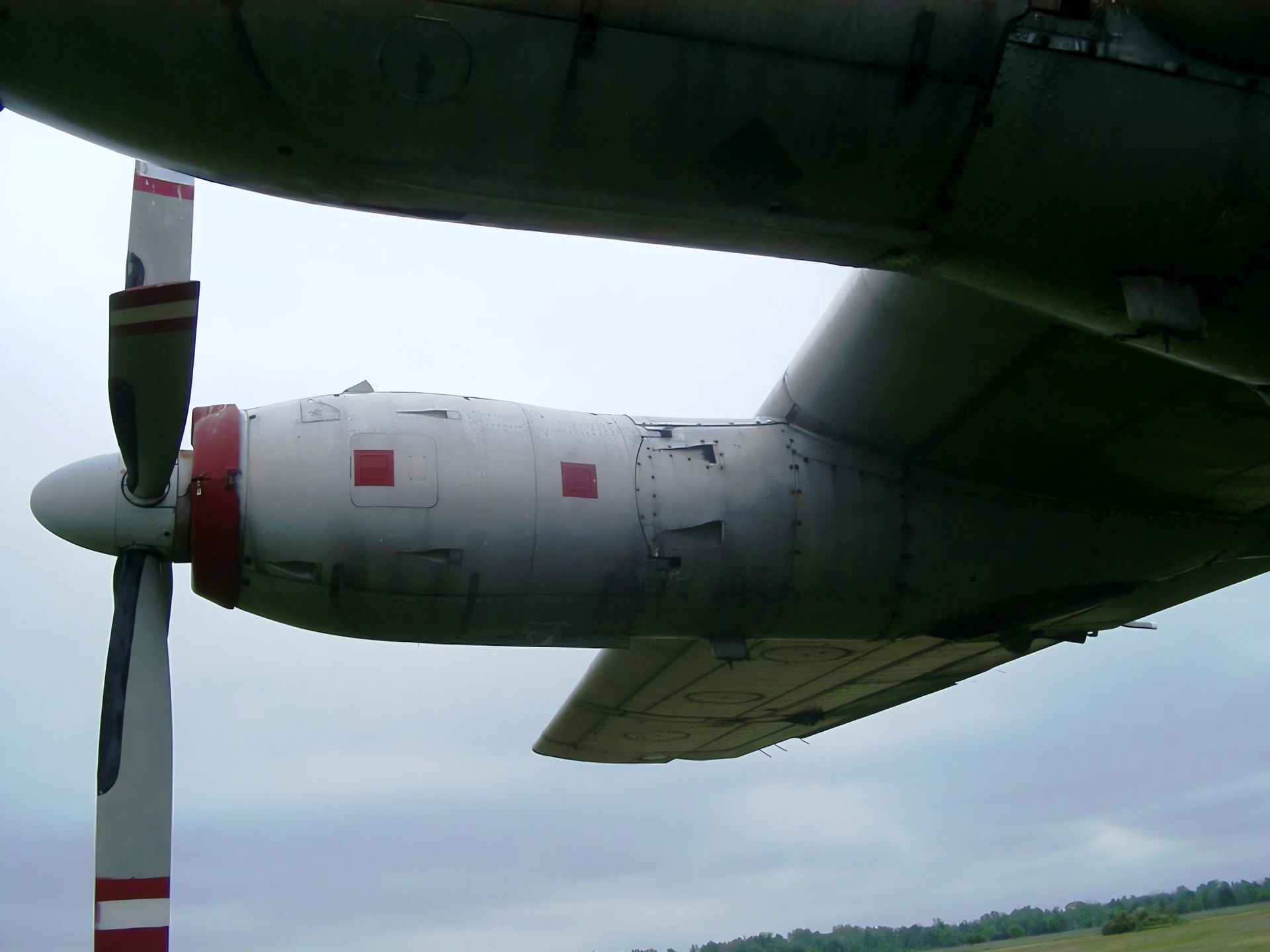
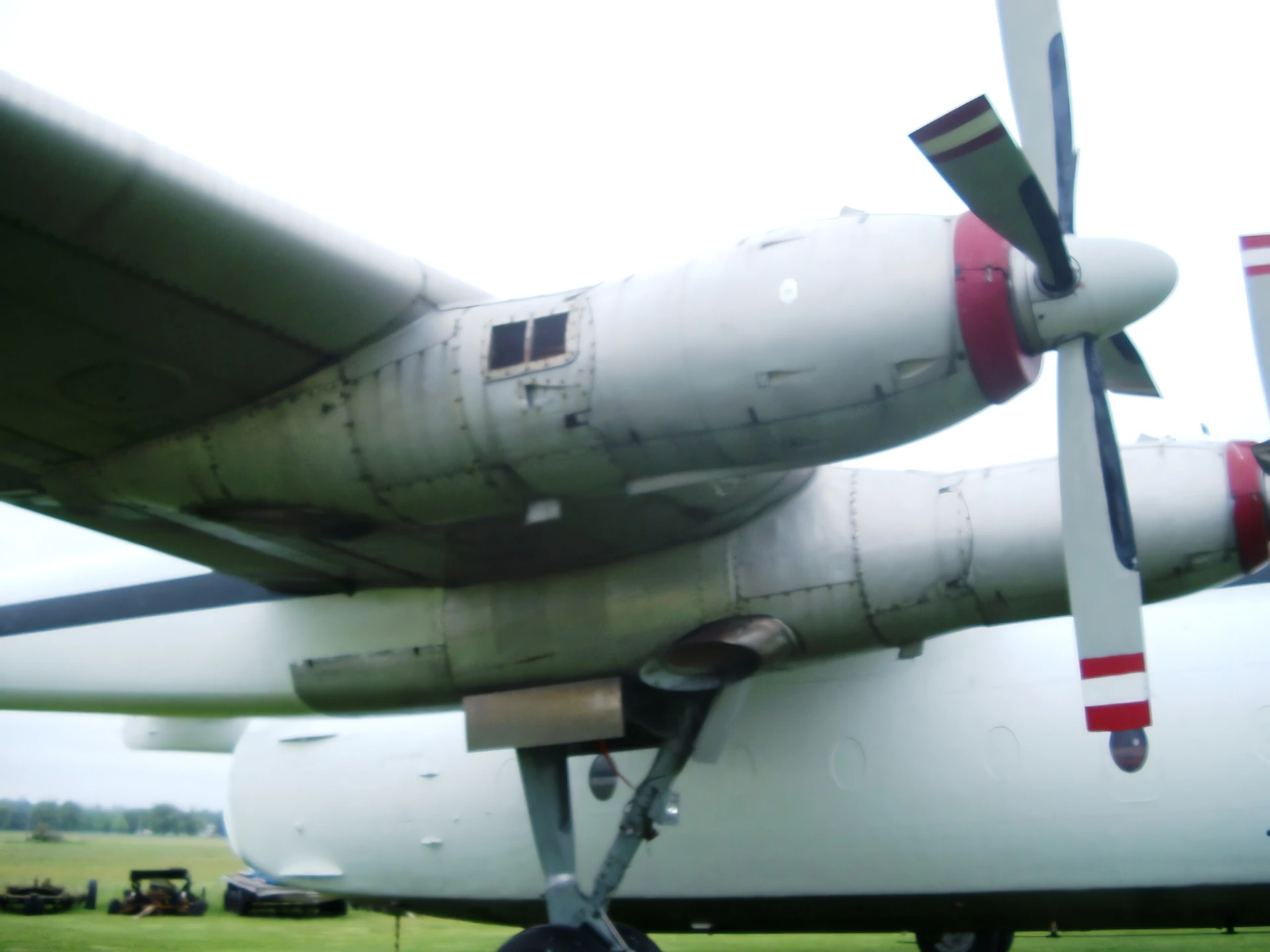
- Engines: Four Rolls-Royce Dart Mk 101 turboprop engines.
- Power Output (each): Approximately 1,840 kW (2,470 shp) equivalent horsepower.
- Propellers: Four-bladed Rotol propellers.
- Design Concept: The twin-boom arrangement was adopted to provide an unobstructed cargo compartment with loading doors at both the front and rear of the fuselage, allowing for simultaneous or straight-through loading.
- Military Modifications: The AW.660 military variant differed from the civil AW.650 by featuring a sealed nose door (for weather radar), clamshell-style rear doors with an integral loading ramp, paratroop doors, and increased fuel capacity for double the range.
- Cargo Handling: Utilized a “Rolomat” system of rollers and pallets to facilitate rapid loading and unloading without external lifting equipment.
Performance and Capabilities
- Maximum Speed: Up to 460 km/h (286 mph, 248 knots).
- Cruise Speed: Approximately 452 km/h (281 mph, 244 knots).
- Service Ceiling: 6,400 m (21,000 ft).
- Range: Approximately 3,219 km (2,000 mi, 1,738 nmi).
- Key Capability: Could carry vehicles like the Saracen or Ferret armoured cars, or the 105 mm howitzer.
- Later Variants: Some aircraft were converted to the Argosy E.1 for electronic calibration missions for the RAF.
Ogledi : 807