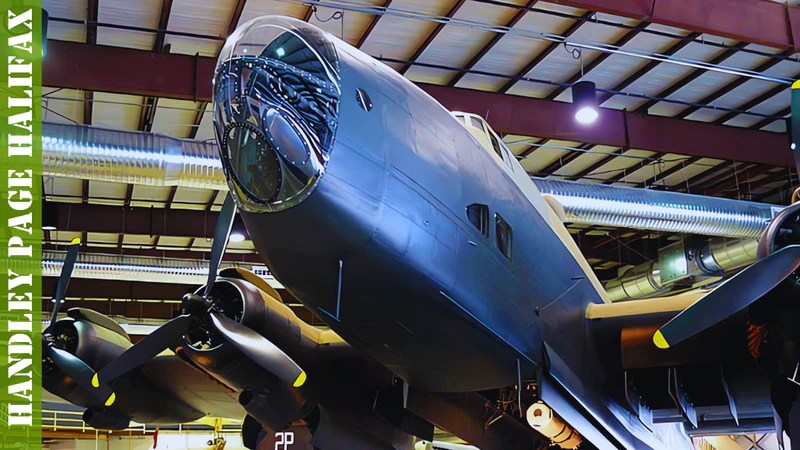
Handley Page Halifax | |
|---|---|
| Pays | Royaume-uni |
| Rôle | Bombardier lourd |
| Premier vol | Le 25 octobre 1939 |
| Construit | 6176 |
Lla Handley Page Halifax was a Royal Air Force (RAF) four-engined heavy bomber of the Second World War. It was developed by Handley Page to the same specification as the contemporary twin-engine Avro Manchester. The Halifax has its origins in the twin-engine HP56 proposal of the late 1930s, produced in response to the British Air Ministry’s Spécification P.13/36 pour un bombardier moyen capable pour « dans le monde entier. » Le HP56 a été commandé en renfort de l’Avro 679, les deux appareils étant conçus pour utiliser le moteur Vulture Rolls-Royce sous-performant. La conception de la page Handley a été modifiée au ministère en une entente à quatre moteurs propulsée par le moteur Rolls-Royce Merlin; le rival Avro 679 a été produit comme le bimoteur Avro Manchester qui, bien que considéré comme infructueux principalement en raison du moteur Vautour, était un prédécesseur direct du célèbre Avro Lancaster. Le Lancaster et le Halifax en sortiraient des bombardiers stratégiques à quatre moteurs capables, dont des milliers seraient construits et exploités par la RAF et plusieurs autres services pendant la guerre.
Source: Handley Page Halifax sur Wikipedia
| Handley Page Halifax Bomber Walk Around | |
|---|---|
| Photographer | Bill Maloney |
| Localisation | RCAF Royal Canadian Air Force Museum |
| Photos | 45 |


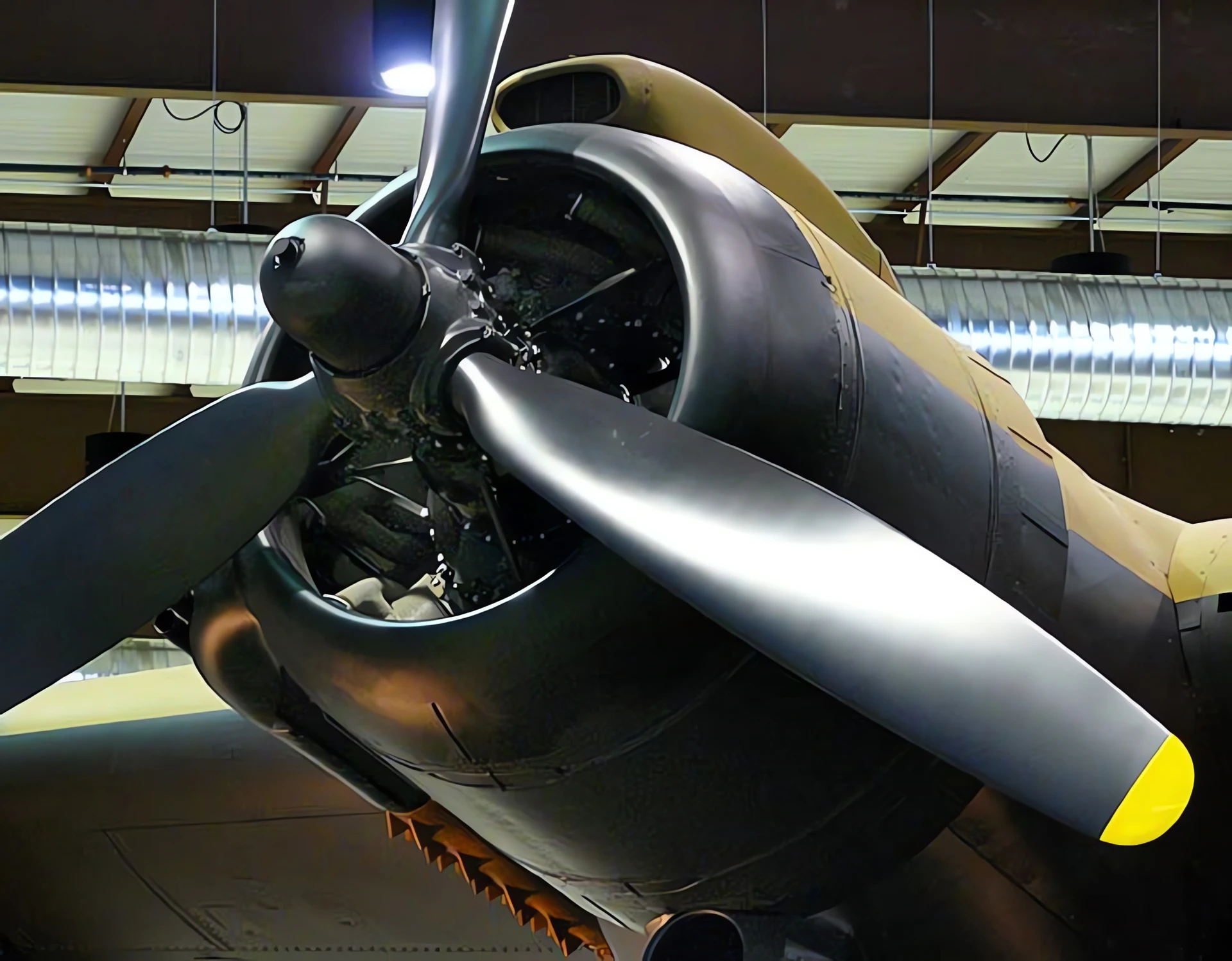

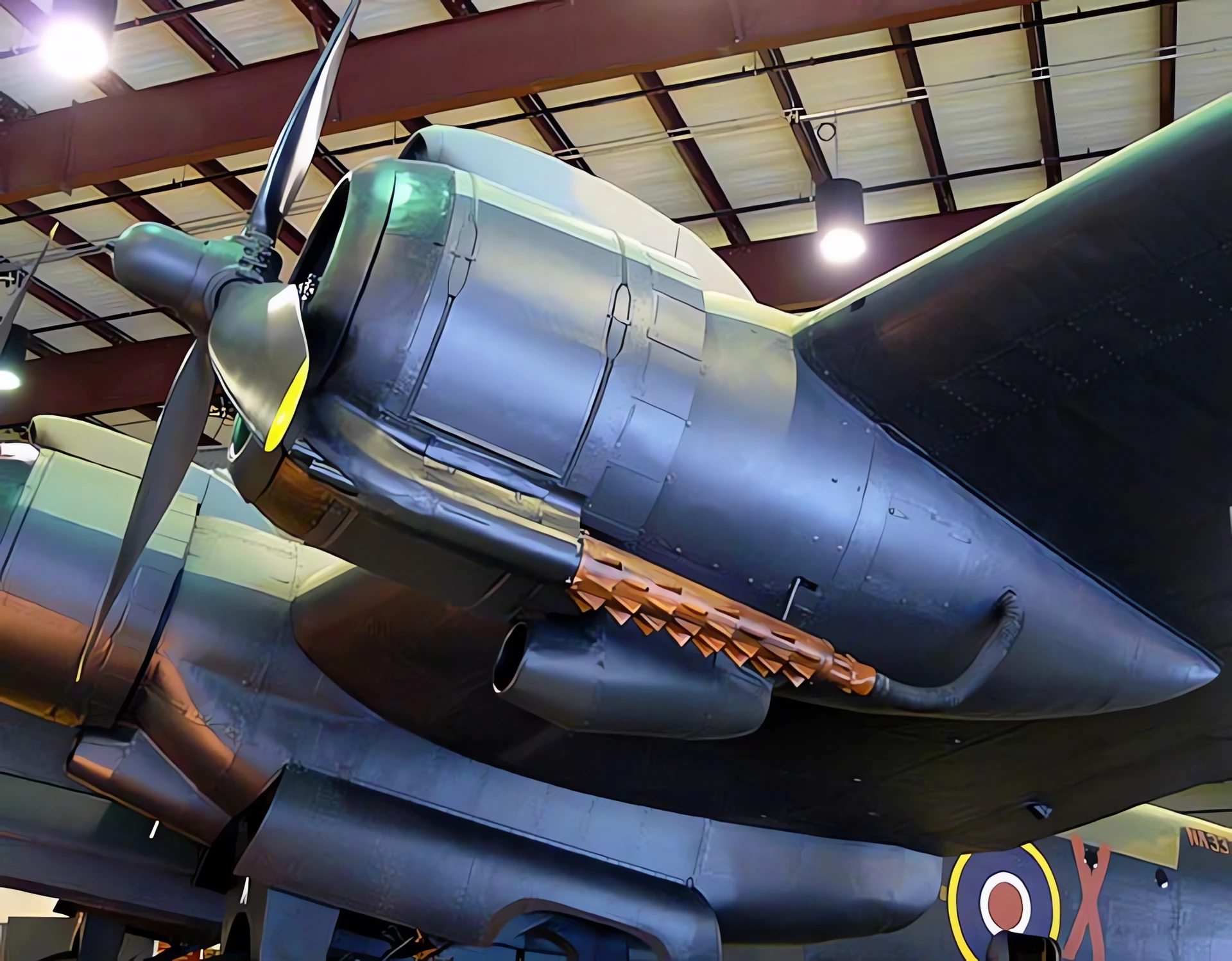
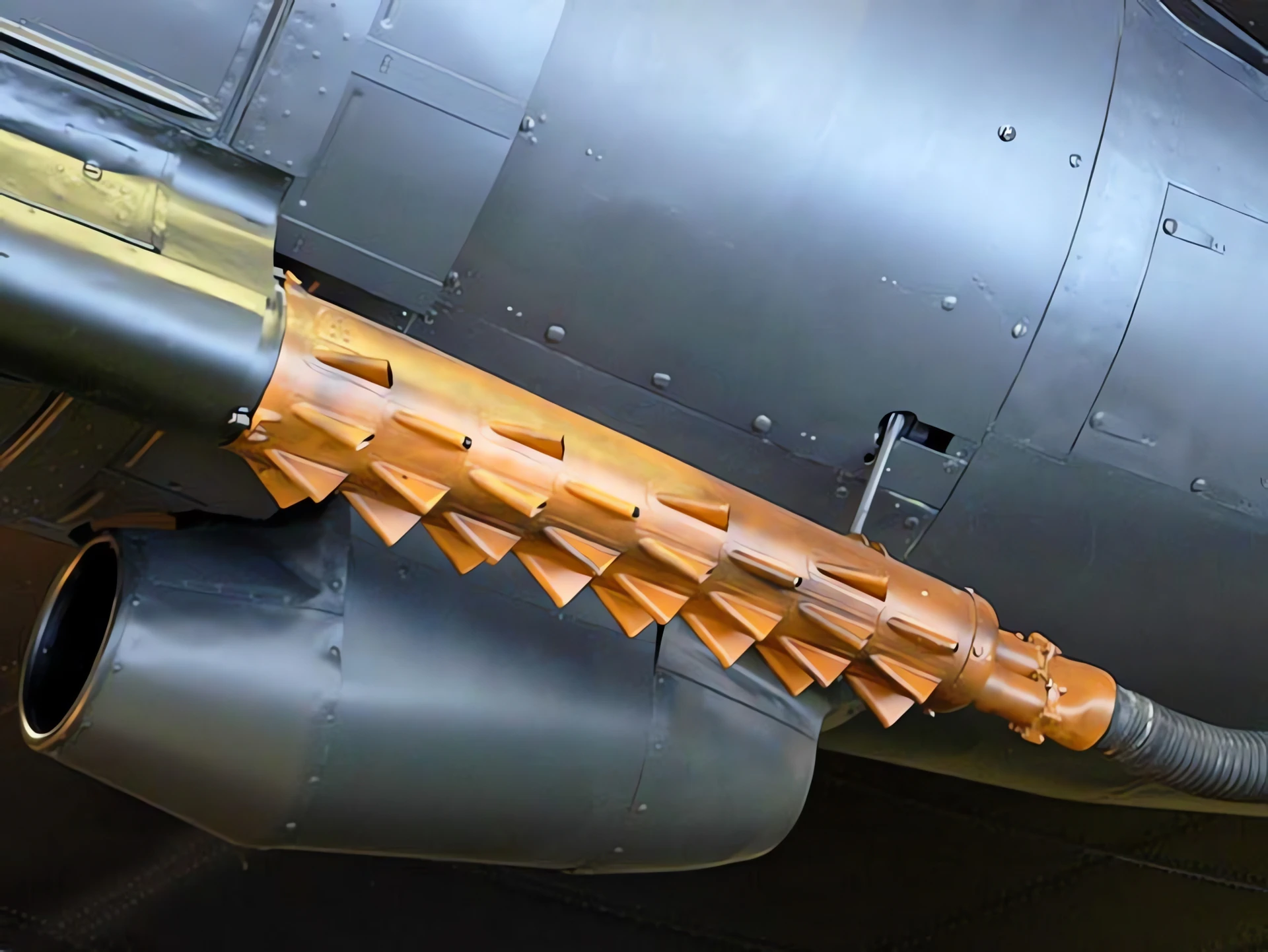

Voir aussi :


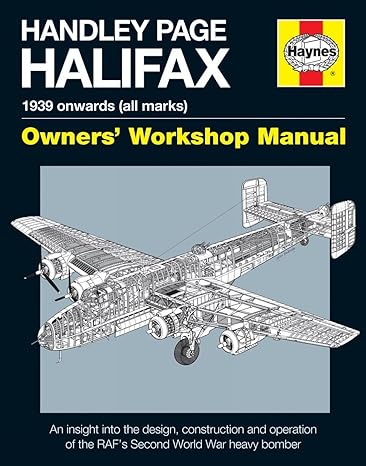
General Characteristics and Role
The Handley Page Halifax was one of the three principal four-engined heavy bombers used by the Royal Air Force (RAF) during World War II, alongside the Avro Lancaster and the Short Stirling. Developed from a 1936 specification for a twin-engine medium bomber, it was quickly upscaled into a heavy bomber when the war began. It formed the backbone of RAF Bomber Command’s night offensive against Germany from 1941 onward. While primarily a bomber, the Halifax proved to be an extremely versatile aircraft, serving successfully in roles including coastal command (anti-submarine warfare), glider tugging, troop transport, and electronic warfare (EW).
| Property | Typical Value (Halifax B.Mk III, most numerous variant) |
|---|---|
| Rôle | Heavy Bomber, Maritime Reconnaissance, Transport |
| National Origin | Royaume-Uni |
| Fabricant | Handley Page, English Electric, Fairey Aviation, Rootes Motors, London Aircraft Production Group |
| First Flight | Le 25 octobre 1939 |
| Crew | 7 (Pilot, Flight Engineer, Navigator, Bomb Aimer, Radio Operator, 2 Gunners) |
| Length | 21.82 m (71 ft 7 in) |
| Envergure | 31.75 m (104 ft 2 in) |
| Height | 6.32 m (20 ft 9 in) |
| Empty Weight | 17,340 kg (38,220 lb) |
| Max Takeoff Weight | 29,480 kg (65,000 lb) |
Powerplant and Performance
- Engines: 4 x Bristol Hercules XVI 14-cylinder radial engines.
- Power Output (Each): 1,200 kW (1,615 hp).
- Maximum Speed: 454 km/h (282 mph; 245 kn) at 4,115 m (13,500 ft).
- Cruise Speed: 346 km/h (215 mph).
- Range: 3,000 km (1,860 mi; 1,620 nmi) with typical bombload.
- Service Ceiling: 7,315 m (24,000 ft).
Armament and Bombload
- Defensive Armament: Typically 9 x .303 in (7.7 mm) Browning machine guns spread across a nose turret, a dorsal (mid-upper) turret, and a large four-gun tail turret.
- Bombload: Normal maximum load was 5,897 kg (13,000 lb).
- Bomb Bay: Split bomb bays in the fuselage and smaller bomb cells in the wing center section allowed for a flexible mixture of general-purpose bombs and incendiaries.
- Production: Over 6,176 Halifax aircraft were built during the war. It flew the second-highest number of sorties and dropped the second-highest tonnage of bombs among RAF heavy bombers.
Vues : 3541
Vous pouvez voir aussi :
 North American FJ-4 Fury – Photos et vidéo
 Messerschmitt Me 410 – Photos & Vidéo
 McDonnell Douglas F/A-18 Hornet – Photos & Vidéo
 Mitsubishi A6M Zero – Promenez-vous
 Hawker Hurricane – Promenez-vous
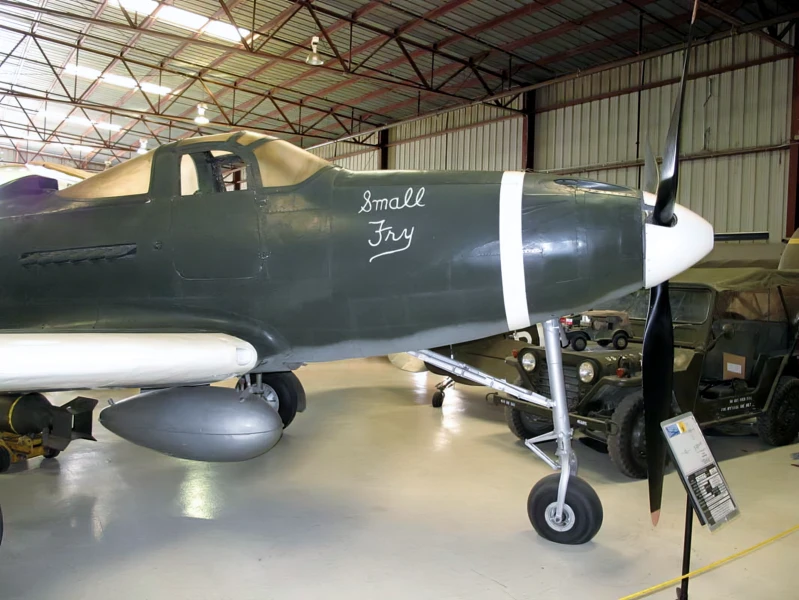 Bell P-39N Airacobra - WalkAround
 Consolidated B-24M Liberator – WalkAround
 P-47D Thunderbolt - WalkAround
 A-20 Havoc – WalkAround
 TBM-3E Avenger – Walk Around